LOV MEMBER
People working@LOV

CONTACT : Olivier Bernard

Laboratoire d'Océanographie de Villefranche, LOV
Institut de la Mer de Villefranche, IMEV
181 Chemin du Lazaret
06230 Villefranche-sur-Mer (France)

Senior scientist

@ CHOC

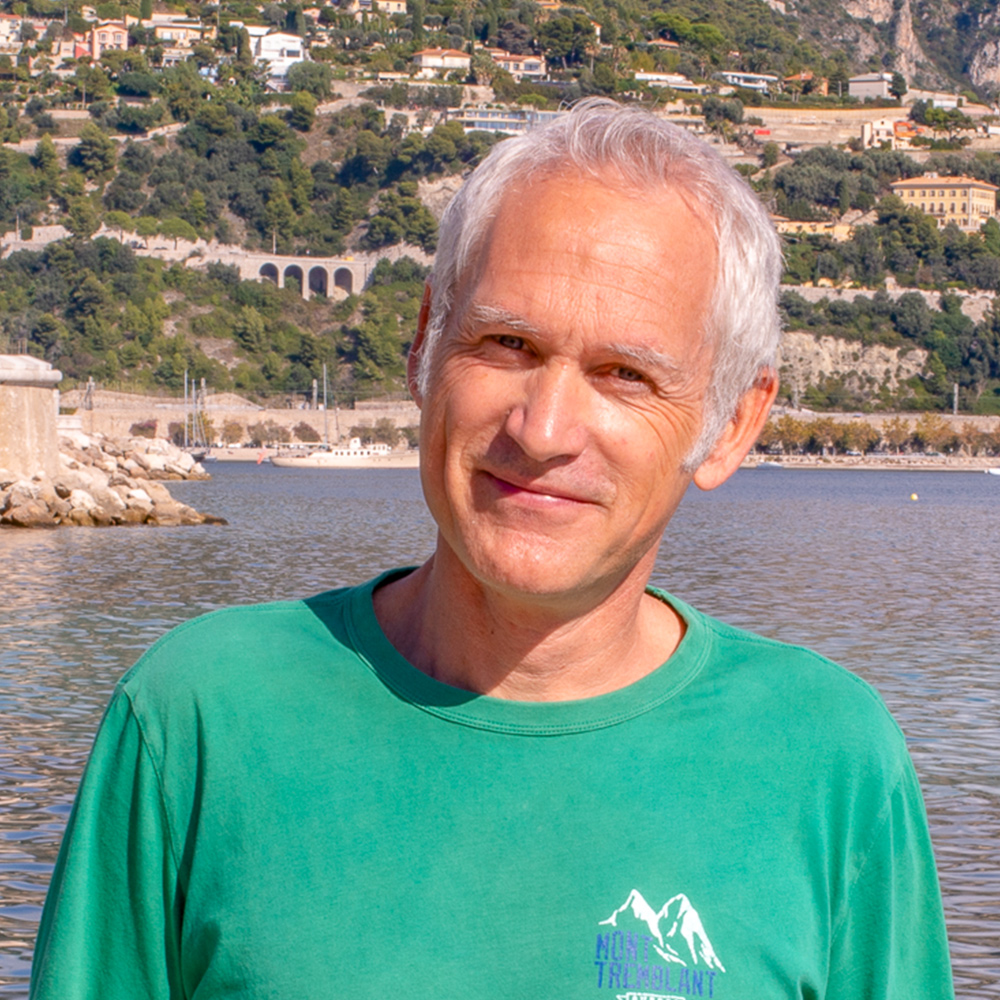
Olivier Bernard

Current position :

1999 - Inria Research Scientist

Status :

Hosted

Employer :

INRIA

Team(s) :

Hosting Lab :

LOV (UMR 7093)

Keywords :

modelling, phytoplankton, photobioreactors, nutrient limitation, temperature, ecosystems

Complementary Information

Facilities

Staff
Staff

PUBLICATIONS BY

Olivier Bernard

324 documents 🔗 HAL Profile
  • Pablo Francisco Rademacher Barceló, Olivier Bernard, Tewfik Sari. UNDEFINED
    Abstract

    The Competitive Exclusion Principle is a cornerstone of ecology, predicting that n species cannot coexist on fewer than n limiting resources. While this principle is robustly validated in constant environments like the chemostat, it fails to account for the vast biodiversity observed in nature. In this study, we challenge this classical paradigm by investigating how periodic fluctuations in a thermal environment -rather than artificial variations in operating parameters -influence the outcome of single-resource competition. Combining mathematical analysis based on Floquet theory with numerical exploration, we demonstrate that periodic temperature variations can trigger robust, stable coexistence over a wide parameter space. We show that the domain of coexistence expands with increased nutrient enrichment (larger Sin) and slower environmental cycles. However, we also identify a critical trade-off: slower fluctuations induce high-amplitude population oscillations, which may increase the risk of extinction during periodic troughs. Our findings provide a biologically realistic mechanism for biodiversity and suggest that environmental periodicity is a fundamental driver of species coexistence in natural systems.

  • Yan Gao, Patrick Perré, Ignacio Fierro, Filipa Lopes, Olivier Bernard. Biotechnology and Bioengineering (2025). ART
    Abstract

    Biofilm‐based microalgal cultivation systems have emerged as a promising alternative to conventional suspended growth methods, offering improved light utilization and biomass productivity. Among these, Rotating Algal Biofilm (RAB) systems are particularly advantageous by subjecting cells to short periodic light/dark (L/D) cycles to mitigate photoinhibition. Through experimental validation and modeling, this study demonstrates that optimized L/D cycles enhance photosynthetic efficiency by temporally diluting high‐intensity light. To investigate the impact of light regimes, a model was developed based on Han's photosynthesis framework, incorporating respiration dynamics for broad ranges of cycle times and L/D ratios. Calibrated with experimental data, it accurately predicts biofilm behavior under varying light conditions. A key innovation is the integration of respiration variations during intermittent illumination, providing insights into growth dynamics across frequencies and duty cycles. Key findings show that high light frequencies reduce photoinhibition and enhance growth at given intensities. Increasing the light fraction improves growth rates by reducing peak intensity and shortening dark periods. The model elucidates biofilm responses to fluctuating light and offers strategies for reactor optimization. This study advances algal biofilm photophysiology understanding and provides a predictive tool for optimization and scaling up biofilm‐based cultivation systems.

  • Olivier Bernard, Liu-Di Lu, Jacques Sainte-Marie, Julien Salomon. SIAM Journal on Control and Optimization (2025). ART
    Abstract

    Modelling the evolution process for the growth of microalgae in an artificial pond is a huge challenge, given the complex interaction between hydrodynamics and biological processes occurring across various timescales. In this paper, we consider a raceway, i.e., an oval pond where the water is set in motion by a paddle wheel. Our aim is to investigate theoretically and numerically the impact of bottom topography in such raceway ponds on microalgae growth. To achieve this goal, we consider a biological model based on the Han model, coupled with the Saint--Venant systems that model the fluid. We then formulate an optimization problem, for which we apply the weak maximum principle to characterize optimal topographies that maximize biomass production over one lap of the raceway pond or multiple laps with a paddle wheel. In contrast to a widespread belief in the field of microalgae, we show that a flat topography in a periodic regime satisfies the necessary optimality condition, and observe in the numerical experiments that the flat topography is actually optimal in this case. However, non-trivial topographies may be more advantageous in alternative scenarios, such as when considering the effects of mixing devices within the model. This study sheds light on the intricate relationship between bottom topography, fluid dynamics, and microalgae growth in raceway ponds, offering valuable insights into optimizing biomass production.

  • Celia Goujat, Loic Boussel, Magalie Viallon, Pierre Croisille, Pierre-Marc Jodoin, Olivier Bernard. Colloque Français d'Intelligence Artificielle en Imagerie Biomédicale (IABM) (2025). POSTER
    Abstract

    La segmentation d'images médicales représente un défi clé dans le cadre d'applications cliniques comme l’aide au diagnostic. Le modèle nnUNet est devenu une référence grâce à ses performances de haute qualité et à sa capacité à s’adapter automatiquement aux bases de données médicales. Cependant, il nécessite un entraînement sur des centaines, voire des milliers de cas annotés, ce qui peut être fastidieux. Les modèles de fondation offrent une alternative prometteuse. Étant entraînés sur de vastes bases de données, ils semblent faire preuve d’une grande flexibilité, s’adaptant à de nouvelles données sans entraînement ou avec un nombre limité d’images annotées. Dans ce travail, nous comparons les performances de MedSAM, un modèle de fondation spécialisé dans la segmentation d’images médicales, à celles de nnUNet. Ces modèles sont évalués sur des bases de données IRM cardiaques en séquences ciné (ACDC) et rehaussement tardif (MYOSAIQ). Différentes stratégies d'entraînement de MedSAM et de SamMed2d sont testées afin de produire les meilleurs résultats possibles sur nos données. Des stratégies d’initialisation de boîtes englobantes (prompts) parfaites et avec 10 positions aléatoires autour du masque de référence sont investigués. Notre étude met en évidence les limites inhérentes aux modèles de fondation appliqués à la segmentation d’images médicales, notamment la dépendance des résultats à la qualité des prompts.

  • Ali Gharib, Walid Djema, P. Moñino Fernández, R. Chin-On, M. Janssen, Olivier Bernard. Algal Research - Biomass, Biofuels and Bioproducts (2025). ART
    Abstract

    Accurate temperature prediction plays a crucial role in optimizing microalgae growth conditions. For that, we recently developed a generic adaptive temperature prediction model, called the Simplified Auto Tuning Heat Exchange (SATHE) model, which was initially tailored to open raceway ponds. In this study, we adapt and validate the SATHE model specifically for the case of closed reactors. We assess two distinct closed reactor types across different geographical locations: a tubular photobioreactor situated in a greenhouse in Wageningen (Netherlands) and a flat panel reactor on Bonaire, a Caribbean island in the Lesser Antilles. Finally, we discuss the practical applications of our model. We test the reactors' performance in different geographical settings and assess energy consumption under varied meteorological conditions. This paper highlights the versatile model's potential for optimizing closed-reactor operation and thermal management in various geographical locations.

  • Jineth Arango, Aníbal Rojo, Francesca Casagli, Olivier Bernard, David Jeison. Journal of Environmental Chemical Engineering (2025). ART
    Abstract

    <div><p>Microalgae/bacteria consortia (MBC) are considered a promising platform for wastewater treatment. Biomass retention based on membrane filtration represents an effective alternative to enhance organic matter and nutrient removal. This study investigated the effects of uncoupling solid from hydraulic retention time (SRT and HRT, respectively) when treating synthetic municipal wastewater. For that purpose, 50 L high-rate algal pond was coupled with a membrane filtration step and operated at different conditions. The performance of the system was evaluated in terms of its load and concomitant removal of organic matter and nutrients. Organic matter removal exceeded 90 %. Nitrogen removal efficiencies were in the range 46-68 %, with the highest nitrogen removal rate exceeding 40 g N m⁻³ d⁻¹ at HRT of 1 day. Phosphorus removal efficiencies varied between 39 % and 70 %. High loads resulting from low HRTs caused low oxygen levels in the reactor, allowing favourable conditions for the occurrence of denitrification. Experimental data supported the possibility of having in the same treatment unit different nitrogen removal mechanisms: assimilation, nitrification, and denitrification.</p></div>

  • François Crouchett-Catalán, Jineth Arango, Olivier Bernard, Carlos Martínez, Francesca Casagli, David Jeison. Science of the Total Environment (2025). ART
    Abstract

    <div><p>The M-ALBA model represents membrane-algae-bacteria photobioreactors.</p><p>• Biomass retention increases biomass respiration rate, reducing algal productivity.</p><p>• High SRT promotes retention of nitrifying bacteria enabling total nitrification. • Biomass retention increases treatment yield and reduces required area.</p></div>

  • Olivier Bernard, Yann Ramirez, Patrice Régnier. JORRESCAM 2025 (2025). COMM
    Abstract

    Les sports de combat et les arts martiaux cristallisent des tensions sur des pratiques très diverses, potentiellement destructrices et autodestructrices. Cette possibilité amène à questionner l’altérité, notamment parce qu’elle ne peut être expérimentée sans l’autre, impliquant une nécessaire « coexistence » (Merleau-Ponty, 1945) au sein de ses activités physiques, sans toutefois se limiter à ce même rapport à autrui (Ricoeur, 1990). L’autre ne peut pas être séparé de mon vécu expérientiel et de mon intentionnalité, ne serait-ce que dans sa virtualité. Peu importe la place et l’importance qu’il occupe dans nos représentations (Jodelet, 1994) et nos perceptions, il est avant tout un autre moi-même. Cela implique également une part d’inconnu, dont notre propre rapport au corps, entraînant une nécessaire rencontre ou reconnaissance de l’autre et de soi. L’« autre » est-il alors perçu comme un adversaire ou un partenaire ? L’altérité s’illustre ici différemment selon les normes et les règles, lesquelles varient aussi d’une pratique à l’autre. Du judo jusqu’au Mixed Martial Arts, en passant par le karaté, la lutte, la boxe, le jiu-jitsu, la self-défense, etc., la grande diversité des SC-AM offre des configurations différentes: percussion, préhension, attaque/ défense, mixité, ainsi que toutes leurs déclinaisons symboliques. Tout en étant conscient de ce relativisme, nous sommes tous et toutes travaillés par des jugements de valeurs qui forcent une classification de pratiques plus ou moins légitimes. Ces dernières peuvent alors être prises dans une logique distinctive selon le lignage de la formation par exemple, ou au contraire véhiculer de vives critiques les associant parfois à du “mytho-jitsu”. Le débat est désormais intégré dans une culture numérique où le nombre de followers d’un instructeur sur les réseaux sociaux participe grandement à la notoriété, voire la légitimité d’une discipline. De l’expérience à la connaissance, c’est avec cette posture d’athlète offerte par l’altérité, faisant face à l’inconnu et à la diversité, que nous proposons une communication à trois voix, laissant les questions introduire les propos. Considérant qu’une pratique de combat ne fait pas consensus et qu’elle peut mener jusqu’aux avis socio-centriques, la salle deviendra alors, avec les professionnels, chercheurs et pratiquants qui la composent, un terrain ou une surface de lutte entre réflexions pluridisciplinaires, représentations et sociologie des parcours de vie. Cela nécessite également une modération des questions introductives, tel un arbitre officiant dans une compétition. Idéalement, nous souhaiterions que les échanges débouchent sur un rapport plus scientifique aux altérités que nous nous représentons tous et toutes, voire favoriser le développement d’une littératie des pratiques martiales dans l’esprit d’un travail herméneutique de groupe.

  • Solène Jahan, Francesca Casagli, Amélie Talec, Thomas Garcia, Antoine Sciandra, Olivier Bernard. AlgaEurope 2025 (2025). POSTER
    Abstract

    Industries such as oil and gas extraction, desalination, textiles, food processing, and energy production generate substantial volumes of hypersaline effluent laden with toxic compounds. Conventional biological wastewater treatment, reliant on freshwater microorganisms, is often ineffective for this challenging wastewater. A promising alternative lies in innovative microalgae-bacteria consortia as a low-energy treatment system, specifically adapted to high salinity and specific toxins: microalgae photosynthetically provide oxygen for bacterial aerobic degradation of organic matter, while bacteria supply inorganic carbon for algal growth. Together, they efficiently remove target nutrients, including carbon, nitrogen, phosphorus, and sulphur [1] [2]. Salinity profoundly alters the system's biological and chemical dynamics by enhancing ion pairing, which influences pH, precipitation reactions, and the bioavailability of inorganic carbon for microalgae. Furthermore, while industrial toxins can have a lethal effect on microalgae [3] [4], studies demonstrate that certain bacterial strains can mitigate this inhibition. This critical, synergistic effect has yet to be incorporated into mathematical models, which are essential tools for understanding, optimizing, and predicting the behavior of such complex systems. This study addresses this gap by enhancing the ALBA (Algae-Bacteria) growth model [5]. The upgraded model incorporates a sophisticated physicochemical framework to simulate saline conditions, including pH dynamics, chemical speciation, and ion pairing of key species. It also integrates a representation of copper toxicity. The model was validated through laboratory-scale cocultures in synthetic seawater with copper and at pilot-scale in outdoor raceways using saline digestate of varying salinity. The new ALBA model, with its advanced pH and speciation submodel, accurately predicted biomass inhibition across both scales. The results underscore that ion pairing significantly affects pH and critically governs the availability of inorganic carbon. This work deepens our understanding of microalgae-bacteria consortia in saline industrial wastewater and paves the way for developing control strategies to mitigate toxicity inhibition.

  • Léa Braud, Juan Gallardo Rodriguez, Andriamahefasoa Rajaonison, Nora Schelte, Silvio Mangini, Olivier Bernard, Igor Pedra, Laura Monteiro, Luis Costa, Lais Speranza, Karina Bāliņa, Tom Bradley, Ana Morão, Saskia Kliphuis, Pi Nyvall, Mathilde Jamois-Piquet, Stefan Schmid, Ismail Chami, Carole Perignon, Ronan Pierre, Monique Ras, Vítor Verdelho, Jean-Paul Cadoret, Carlos Unamunzaga. REPORT
    Abstract

    This information paper provides an accessible introduction to Life Cycle Assessment (LCA) for researchers, industry professionals, and policymakers in the algae sector, with limited or no experience in the methodology. Developed collaboratively by LCA experts and non-specialists, this information paper outlines key concepts, applications, and best practices for assessing the environmental performance of algae-based products. LCA is now a common component of EU-funded algae projects, with its range of applications expanding from the assessment of biofuels to high-value compounds and complex production systems. It plays a central role in corporate sustainability, policy development, and in evaluating algae’s contribution to the bioeconomy. However, applying LCA to algae production technologies and algae-based products presents unique challenges such as system variability, data availability, and methodological choices that can strongly influence results and limit comparability. Raising awareness of these issues within the algae community is essential to ensure that LCA outcomes are interpreted meaningfully and used effectively. This information paper supports newcomers in understanding key terminology and practices related to LCA in algae systems, enabling more informed decision-making as well as the development of innovative and sustainable algae-based products.

  • Michele Barbier, Carlota Muniz, Frederick Whoriskey, Olivier Bernard. One Ocean Science Congress 2025 (2025). COMM
    Abstract

    In recent years, Digital Twins of the Ocean (DTOs) - digital replicas of ocean processes - have emerged as a tool for modelling the complex interactions that govern marine systems, exploiting the power of Artificial Intelligence (AI) and large training datasets to understand ocean processes and predict their future in a rapidly environmentally changing world. DTOs, although very complex, offer many advantages including providing a decision support tool for areas such as optimizing fisheries, emergency reactions to tsunami warnings, adapting to sea-level rise, protection of biodiversity and improving climate prediction/climate forecast. These powerful tools offer many promises; however, we need to go beyond the technical aspects and consider AIs impact on the decision-making process.Three key aspects of the coupling model/AI are essential for consideration by the marine scientific commmunity, the Artificial Intelligence and policy-maker communities. The hope is that by considering the limitations early in development, we can optimize the use of AI. The key aspects to consider are:Data is of paramount importance: the source of data, its geographical origin, its nature and its quality should be carefully considered when developing a DTO. The need for seamless interoperability of these data raises the question of which data standards are selected and how they are applied. All these considerations may introduce biases into the algorithms, which need to be identified: in specific cases, the use of open-access data may introduce bias as it may not have access to sources related to endangered species or Indigenous knowledge. Furthermore, data openness for DTO models may have ethical limitations such as compliance to Access and Benefit Sharing regulations, or sharing of data from commercially valuable or endangered species, which question the conditions under which data should be made open. The model itself is a mathematical object, based on physical conservation principles and a set of hypotheses that guaranty the consistency of the reasoning. It also comes with certain limitations and uncertainties, especially in the biological modelling and always involves some numerical approximation for being solved within the available computational power. This process of model development and use, and the benefits and limitations that users assume the models may contain, must be transparent and accountable as highlighted in the European guidelines on Trustworthy AI. Finally, the result we expect from the data-driven DTOs is a powerful decision-support tool, capable of predicting and warning. These tools need to be explicit and targeted to the end-users, leveraging the complexities of the analyses and ensuring that the results and choices of data and models ensure transparency and present all biases and uncertainties, to allow the end user to draw reasonable conclusions. End-user training is an essential aspect to consider. The decision-making chain of command must be solid, well identified and structured, and accountability is key, especially in crisis management due to natural hazards. It is urgent that marine scientists, AI developers and policy makers work together for the best for the planet.

  • Diego Penaranda, Francesca Casagli, Marjorie Morales, Fabrice Beline, Olivier Bernard. Journal of Industrial Ecology (2025). ART
    Abstract

    The simplest method for treating liquid digestate, which involves directly spreading it over local agricultural land, is facing scrutiny due to the challenges of transporting large volumes and the environmental risks posed by nitrogen and phosphorus pollutants.<p>Improvements in liquid digestate treatment are necessary to mitigate these threats and support a growing circular economy. This study evaluates an advanced digestate treatment method that decouples hydraulic retention time (HRT) and solid retention time (SRT) in high-rate algal/bacterial ponds (HRABPs). By combining life cycle assessment (LCA) with high-fidelity modeling for HRABPs, this study simulates productivity and removal efficiencies under realistic climatological conditions, providing life cycle inventories for numerous large-scale scenarios. To minimize environmental impacts while maximizing algal productivity and nitrogen intake in the algal biomass, 36 scenarios were simulated, considering different HRT, SRT, alkalinity addition, winter storage, and biomass post-treatment hypotheses. The results demonstrate that microalgae treatment makes sense for valorizing liquid digestate, proving to be less impactful than direct land application. However, the LCA results also highlight the complexity of the issue. Low HRT (HRT = 5 days < SRT = 10 days), including winter storage, requires the smallest production area, resulting in high productivity and low environmental impacts. Conversely, high HRT (HRT = 90 days > > SRT = 15 days) achieves the highest efficiency in nitrogen and phosphorus recycling but necessitates large production areas, leading to high environmental impacts. Mathematical modeling, coupled with LCA, can resolve these trade-offs and guide the optimization and scaling-up of climatology-dependent systems.</p>

  • David Morgado, Andrea Fanesi, Benoit Chachuat, Sihem Tebbani, Olivier Bernard, Filipa Lopes. Algal Research - Biomass, Biofuels and Bioproducts (2025). ART
    Abstract

    Biofilm systems present a promising approach for microalgae production by reducing water and energy costs while improving productivity and operational efficiency. However, this technology is still in its infancy, particularly for high-value compounds production. To confirm its potential at large scale, mathematical models are required to better understand biofilm behavior under varying environmental conditions and to predict productivity. In this study, a dynamic model was developed to estimate astaxanthin production by Haematococcus lacustris biofilms on a rotating system. It incorporates well-established dynamics, accounting for nitrogen limitation and photoacclimation, while introducing a novel hypothesis correlating astaxanthin dynamics with those of chlorophyll. The model predicts key biofilm traits, including biomass density, intracellular nitrogen, and pigment quotas, demonstrating its ability to simulate changes in light and nitrogen conditions and assess their impact on biofilm physiology. Furthermore, the possibility of dynamically altering the life cycle of H. lacustris within a biofilm was demonstrated both experimentally and mathematically, enabling reversible transitions between green and red stages. This reversion facilitates continuous astaxanthin production through repeated harvest and regrowth cycles. This was assessed through the development of an optimization strategy that maximized astaxanthin productivity by adjusting light intensity over time and determining the optimal harvest frequency. The model provides a valuable framework for optimizing astaxanthin production in microalgal biofilms, enabling the development of continuous production systems and supporting the scale-up of biofilm technology

  • Julien Lopez, Amélie Talec, Stéphane Greff, Andrea Fanesi, Beat Gasser, Emna Krichen, Olivier Bernard, Antoine Sciandra. Current Research in Microbial Sciences (2025). ART
    Abstract

    Phototrophic biofilms are photosynthetic microbial communities adhered to submerged surfaces. Research has largely focused on multispecies periphyton and benthic diatoms, while Chlorophyte- based, monospecific biofilms remain understudied – despite their increasing industrial relevance, particularly for the production of high value compounds. Here, we investigate the impact of nitrogen limitation on the metabolome of the green microalga Tetraselmis suecica grown in nitrogen3 replete and nitrogen-limited monospecific biofilms. A specific culture system was developed to optimise the analysis of both the entire biofilm metabolome and spatial biochemical variations across cell layers. The Droop model was used to determine optimal initial conditions and sampling times. Then, metabolomic analysis by UHPLC-ESI(+)-QToF-HRMS/MS coupled with complementary biochemical analyses was performed on both conditions. Compared to nitrogen-replete biofilms, nitrogenlimited biofilms exhibited elevated C:N ratios (+277.4%), reduced photosynthetic activity, and decreased pigment content (-18% for Chl a and b). While total biovolume remained similar between experimental conditions, nitrogen limitation led to a redistribution of cell biomass, with increased surface layer biovolume (+112.3%) at the expense of deeper layers. Macromolecular ratios of carbohydrates/ proteins and lipids/proteins increased two- to three-fold, respectively, under nitrogen-limited conditions. The characterized metabolomic profile was dominated by monogalactosyldiacylglycerols (MGDGs) and digalactosyldiacylglycerols, whose relative abundances were significantly higher in nitrogen-replete condition. Notably, the annotated lipid MGDG(18:3/16:4) previously exhibited nitric oxide inhibitory activity. Given the previously observed role of nitric oxide in bacterial biofilm formation and diatom adhesion, we hypothesize that a feedback loop-like mechanism of adhesion regulation dependent on nitric oxide and nitrogen environmental conditions exists in monospecific phototrophic biofilms.

  • Philippe Le Noac’h, Sakina-Dorothée Ayata, Eric Pruvost, Sabine Marty, Olivier Bernard, Martin Laviale. Algal Research - Biomass, Biofuels and Bioproducts (2025). ART
    Abstract

    Light is a critical factor governing microalgal growth, with both intensity (photosynthetically active radiation, PAR) and spectral composition (wavelength distribution) exerting significant influence. In high-density open raceway ponds, light attenuation creates pronounced vertical gradients in both PAR and spectral quality, though the specific effects of spectral composition on phytoplankton growth remain insufficiently characterized. This investigation examined the combined impacts of light intensity, spectral quality, and temperature on Dunaliella salina cultivated in greenhouse-based raceway ponds under natural irradiance. Outdoor experiments spanned two seasonal conditions (winter and summer), with cultures exposed to four spectral treatments: raceways equipped with neutral, red, and green filters, along with an unfiltered control system. Experimental data were used to parameterize a growth model integrating light intensity, spectral quality, and temperature dependencies. The model reproduced biomass dynamics under all spectral conditions and seasons. Notably, when normalized for PAR and initial biomass, green light promoted superior biomass conversion efficiency—attributed to its enhanced vertical penetration in high-light conditions. These findings highlight the potential of spectral optimization in raceway cultivation systems. The model provides a valuable tool for selecting semi-transparent photovoltaic filters or colored panels to simultaneously enhance microalgal productivity and harness unused wavelengths for energy generation.

  • Patrice Régnier, Olivier Bernard. COUV
  • J. Ignacio Fierro U., Liu-Di Lu, Olivier Bernard. SIAM Journal on Applied Mathematics (2025). ART
    Abstract

    Microalgae, as photosynthetic organisms, are cultivated in photobioreactors for various industrial applications. Light intensity, a critical factor influencing their growth rate, is inherently non-uniform within photobioreactors. In regions distant from the illuminated surface, microalgae experience photolimitation due to insufficient photon availability, hindering optimal activation of the photosynthetic machinery. Conversely, near the illuminated surface, excessive light intensity can damage key photosynthetic proteins, leading to photoinhibition. While mixing in photobioreactors does not alter the light gradient, it influences the light exposure history of cells through hydrodynamic advection. In this study, we employ Han's mechanistic model to describe the dynamics of photon harvesting and its consequences, including photoinhibition and photolimitation. First, we calculate the time-averaged growth rate for arbitrary continuous light signals, revealing how mixing impacts growth under the assumption of periodic light signals generated by hydrodynamics. Next, we address the computational challenge of estimating growth rates in photobioreactors using computational fluid dynamics (CFD), modeling a single-phase incompressible fluid. Finally, we analyze the case of a raceway pond, evaluating errors arising when growth rate is estimated without accounting for hydrodynamics. We demonstrate that the gain in growth is related to the cell movement along the light gradient. Our results show that in predominantly laminar hydrodynamic regimes, hydrodynamics has only a marginal effect on microalgal growth. Moreover, we show that the average productivity can be estimated based on a static approximation of the average growth rate taking into account the light distribution, with an error lower than 10%.

  • David Morgado, Andrea Fanesi, Thierry Martin, Sihem Tebbani, Olivier Bernard, Filipa Lopes. Bioresource Technology (2024). ART
  • Yan Gao, Olivier Bernard, Andrea Fanesi, Patrick Perré, Filipa Lopes. Scientific Reports (2024). ART
    Abstract

    The interest by biofilm-based microalgae technologies has increased lately due to productivity improvement, energy consumption reduction and easy harvesting. However, the effect of light, one key factor for system's operation, received less attention than for planktonic cultures. This work assessed the impact of Photon Flux Density (PFD) on Chlorella vulgaris biofilm dynamics (structure, physiology, activity). Microalgae biofilms were cultivated in a flow-cell system with PFD from 100 to 500 [Formula: see text]. In the first stage of biofilm development, uniform cell distribution was observed on the substratum exposed to 100 [Formula: see text] while cell clusters were formed under 500 [Formula: see text]. Though similar specific growth rate in exponential phase (ca. 0.3 [Formula: see text]) was obtained under all light intensities, biofilm cells at 500 [Formula: see text] seem to be ultimately photoinhibited (lower final cell density). Data confirm that Chlorella vulgaris showed a remarkable capability to cope with high light. This was marked for sessile cells at 300 [Formula: see text], which reduce very rapidly (in 2 days) their chlorophyll-a content, most probably to reduce photodamage, while maintaining a high final cell density. Besides cellular physiological adjustments, our data demonstrate that cellular spatial organization is light-dependent. © 2024. The Author(s).

  • Olivier Bernard, Mickael Bestard, Thierry Goudon, Leo Meyer, Sebastian Minjeaud, Florent Noisette, Bastien Polizzi. ESAIM: Proceedings and Surveys (2024). ART
    Abstract

    The mixture theory framework is a powerful way to describe multi-phasic systems at an intermediary scale between microscopic and macroscopic scales. In particular, mixture theory reveals a powerful approach to represent microbial biofilms where a consortium of cells is embedded in a polymeric structure. To simulate a model of microalgal biofilm, we propose an upgraded numerical scheme, consolidating the one proposed by Berthelin et al. (2016) to enforce the volume-filling constraint in mixture models including mass exchanges. The strategy consists in deducing the discrete version of the incompressibility constraint from the discretized mass balance equations. Numerical simulations show that this method constrains the total volume filling constraint, even at the discrete level. Moreover, we add viscous terms in the biofilm model to properly represent biofilms interactions with its fluidic environment. It turns out that a well-balanced numerical scheme becomes of outmost importance to capture the biofilm dynamic when including the viscosity. This modelling upgrade also involves recalibrating model parameters. In particular, the elastic tensors to recover realistic front features. With the new parameters, the numerical set-up becomes more demanding to reach convergence.

  • Hubert Bonnefond, Charlotte Combe, Jean-Paul Cadoret, Antoine Sciandra, Olivier Bernard. COUV
    Abstract

    <div><p>long-chain polyunsaturated fatty acids (typically eicosapentaenoic acid (EPA) and docosahexaenoic acid (DHA)</p></div>

  • Ali Gharib, Walid Djema, P. Moñino Fernández, R. Chin-On, M. Janssen, Francesca Casagli, Olivier Bernard. AlgaEurope 2024 (2024). COMM
  • Rand Asswad, Walid Djema, Olivier Bernard, Jean-Luc Gouzé, Eugenio Cinquemani. CDC 2024 - 63rd IEEE Conference on Decision and Control (2024). COMM
    Abstract

    We investigate optimization of an algal-bacterial consortium, where an exogenous control input modulates bacterial resource allocation between growth and synthesis of a resource that is limiting for algal growth. Maximization of algal biomass synthesis is pursued in a continuous bioreactor, with dilution rate as an additional control variable. We formulate optimal control in the two variants of static and dynamic control problems, and address them by theoretical and numerical tools. We explore convexity of the static problem and uniqueness of its solution, and show that the dynamic problem displays a solution with bang-bang control actions and singular arcs that result in cyclic control actions. We finally discuss the relation among the two solutions and show the extent to which dynamic control can outperform static optimal solutions.

  • Ali Gharib, Walid Djema, Francesca Casagli, Olivier Bernard. Journal of Process Control (2024). ART
    Abstract

    <div><p>Microalgae cultivation for energy production is a promising avenue for converting solar light into sustainable biofuel. Solar processes are however subjected to the permanent fluctuations of light and medium temperature. Accurate temperature prediction of the culture medium turns out to be critical for optimising growth conditions. In this study, we introduce a reduced-model approach derived from existing models, turning the complex heat transfer modelling problem into an identification problem. The resulting generic model, called the Simplified Auto Tuning Heat Exchange (SATHE) model, has a clear and simple structure, offering a balance between accuracy and computational complexity. The SATHE model is versatile and contains the necessary terms to catch a large variety of heat transfer problems, while the parameters can be identified from experimental data. We first prove the parameter identifiability and then propose an identification strategy, based on the gradient computation, to identify the model's underlying parameters. We further validate the SATHE model performance in two distinct reactors across various seasons. Finally, we discuss the potential of online applications with a continuous self-tuning strategy to keep optimal predictive performances. This work lays the foundation for enhanced control strategies in large-scale cultivation systems.</p></div>

  • David Morgado, Andrea Fanesi, Thierry Martin, Sihem Tebbani, Olivier Bernard, Filipa Lopes. Biotechnology and Bioengineering (2024). ART
    Abstract

    Abstract Microalgae biofilm emerged as a solid alternative to conventional suspended cultures which present high operative costs and complex harvesting processes. Among several designs, rotating biofilm‐based systems stand out for their scalability, although their primary applications have been in wastewater treatment and aquaculture. In this work, a rotating system was utilized to produce a high‐value compound (astaxanthin) using Haematococcus pluvialis biofilms. The effect of nitrogen regime, light intensity, and light history on biofilm traits was assessed to better understand how to efficiently operate the system. Our results show that H. pluvialis biofilms follow the classical growth stages described for bacterial biofilms (from adhesion to maturation) and that a two‐stage (green and red stages) allowed to reach astaxanthin productivities of 204 mg m −2 d −1 . The higher light intensity applied during the red stage (400 and 800 µmol m −2 s −1 ) combined with nitrogen depletion stimulated similar astaxanthin productivities. However, by training the biofilms during the green stage, using mild‐light intensity (200 µmol m −2 s −1 ), a process known as priming, the final astaxanthin productivity was enhanced by 40% with respect to biofilms pre‐exposed to 50 µmol m −2 s −1 . Overall, this study shows the possibility of utilizing rotating microalgae biofilms to produce high‐value compounds laying the foundation for further biotechnological applications of these emerging systems.

  • Ignacio Fierro, Benoît Chachuat, Olivier Bernard. ADCHEM 2024 - 12th IFAC Symposium on Advanced Control of Chemical Processes (2024). COMM
    Abstract

    The industrial cultivation of microalgae has increased substantially over the past two decades. These microorganisms have the ability to adapt their photosynthetic pigments in response to the amount of light they experience. Herein, we investigate a dynamic model that describes pigment adaptation and its effect on microalgal productivity in a photobioreactor where light is shone onto the surface and attenuated as it traverses the culture medium. We consider two controls -- the light irradiance and the dilution rate of the photobioreactor under continuous operation and constant volume -- and analyze strategies for maximal production of microalgal biomass using Pontryagin's maximum principle. We also conduct a numerical investigation of turnpike properties in this context and discuss how self-shading within the culture could be exploited to increase productivity.

  • Francesca Casagli, Olivier Bernard, Jean-Philippe Steyer. 1. International Conference on Novel PhotoRefineries for Resource Recovery (PHOTOREFINERIES 2024) (2024). COMM
  • Olivier Bernard, Francesca Casagli, Benoît Chachuat, Fabrizio Bezzo. AlgaEurope 2024 (2024). COMM
  • Bruno Assis Pessi, Gustavo Ribeiro Silva, C.M.E Pompei, Olivier Bernard, Francesca Casagli. 1. International Conference on Novel PhotoRefineries for Resource Recovery (PHOTOREFINERIES 2024) (2024). COMM
  • Bruno Assis Pessi, Olivier Bernard. IFAC-PapersOnLine (2024). ART
    Abstract

    Exploiting natural symbioses to enhance productivity of bioprocesses is an emerging trend. For optimizing such complex associations of microorganisms, a model of symbiotic interactions is vital. This challenging task has attracted much attention. Here, a reduced metabolic model describing a symbiotic interaction between bacteria E. coli, overproducing vitamin biotin (B7), and microalgae Chlorella is developed. The symbiosis involves B7 exchange, impacting lipid synthesis regulation in microalgae. Our model shows a trade-off between light availability and biotin production, leading to an optimization problem for lipid production. We numerically determine the optimal conditions, demonstrating the feasibility of this strategy to enhance microalgae cultivation.

  • Bruno Assis Pessi, Caroline Baroukh, Anais Bacquet, Olivier Bernard. Water Research (2023). ART
    Abstract

    An emerging idea is to couple wastewater treatment and biofuel production using microalgae to achieve higher productivities and lower costs. This paper proposes a metabolic modeling of Chlorella sp. growing on fermentation wastes (blend of acetate, butyrate and other acids) in mixotrophic conditions, accounting also for the possible inhibitory substrates. This model extends previous works by modifying the metabolic network to include the consumption of glycerol and glucose by Chlorella sp., with the goal to test the addition of these substrates in order to overcome butyrate inhibition. The metabolic model was built using the DRUM framework and consists of 188 reactions and 173 metabolites. After a calibration phase, the model was successfully challenged with data from 122 experiments collected from scientific literature in autotrophic, heterotrophic and mixotrophic conditions. The optimal feeding strategy estimated with the model reduces the time to consume the volatile fatty acids from 16 days to 2 days. The high prediction capability of this model opens new routes for enhancing design and operation in waste valorization using microalgae.

  • Olivier Bernard, Liu‐di Lu, Julien Salomon. International Journal of Robust and Nonlinear Control (2023). ART
    Abstract

    In this article, we focus on a periodic resource allocation problem applied to a dynamical system which comes from a biological system. More precisely, we consider a system with $N$ resources and $N$ activities, each activity use the allocated resource to evolve up to a given time $T > 0$ where a control (represented by a given permutation) will be applied on the system to reallocate the resources. The goal is to find the optimal control strategies which optimize the cost or the benefit of the system. This problem can be illustrated by an industrial biological application, namely, the optimization of a mixing strategy to enhance the growth rate in a microalgal raceway system. A mixing device, such as a paddle wheel, is considered to control the rearrangement of the depth of the algae cultures, hence the light perceived at each lap. We prove that if the dynamics of the system is periodic, then the period corresponds to one reallocation whatever the order of the involved permutation matrix is. A nonlinear optimization problem for one reallocation process is then introduced. Since $N!$ permutations need to be tested in the general case, it can be numerically solved only for a limited number of $N$. To overcome this difficulty, we introduce a second optimization problem which provides a suboptimal solution of the initial problem, but whose solution can be determined explicitly. A sufficient condition to characterize cases where the two problems have the same solution is given. Some numerical experiments are performed to assess the benefit of optimal strategies in various settings.

  • David Morgado Pereira, Andrea Fanesi, Thierry Martin, Sihem Tebbani, Olivier Bernard, Filipa Lopes. 14th European Congress of Chemical Engineering - ECCE'23 & 7th European Congress of Applied Biotechnology - ECAB'23 (2023). COMM
    Abstract

    Biofilm-based systems have gained increasing attention for microalgae cultivation dueto their potential to improve productivity, reduce water and energy demands andeventually operating costs. However, effective operation of these systems requiresprocess control, which relies on the development of on-line monitoring of processvariables such as biomass, pigments and lipids contents. While there are variousmethods and technologies for monitoring these biological parameters in microalgaesuspensions, at present, there is a lack of tools for non-destructively monitoring biofilmbased systems.In this study, we developed a biofilm-based rotating system for cultivatingHaematococcus pluvialis biofilms for astaxanthin production (high-value carotenoid).The dynamics of biomass and astaxanthin production were afterwards determinedunder several light and nutrient conditions. The data collected were then used todevelop regression models based on Fourier-transform infrared (FTIR) and reflectancespectroscopy (Vis-NIR; 380-1000 nm) to non-destructively monitor biofilm growth andastaxanthin content.FTIR spectroscopy is an effective technique for high-throughput screening in biologyas it can distinguish and quantify various components such as proteins, lipids, nucleicacids, and carbohydrates. In H. pluvialis, the biosynthesis of astaxanthin matches theaccumulation of triacylglycerols (TAGs) leading to a complex macromolecularreorganization (Figure 1), suggesting that FTIR spectra could be used to quantify theastaxanthin content. Indeed, cell populations rich in astaxanthin could be easilyidentified by the ratio between macromolecules, and a linear regression betweenastaxanthin content and the lipids-to-proteins ratio was obtained (Figure 2). Thismethod is non-invasive, does not require a chemical extraction step, and can be usedto monitor and predict astaxanthin production in microalgal biofilm systems. However,the strong absorption of water between 1700 and 900 cm-1 may limit its application forreal-time monitoring. To address this, we propose the use of reflectance spectroscopy,which stands on the light reflected at specific wavelengths to calculate indexes that arewidely applied to remotely characterize plants and microphytobenthos communities.These indexes strongly reflect specific physiological mechanisms and biochemicalcomposition, making them effective in estimating biomass, pigments, and identifyingstress changes. To demonstrate this, we applied the same principle to our biofilmbased system and develop indexes for estimating biomass and astaxanthin content.Reflectance measurements were performed at the biofilm surface over time (Figure 3).The most influential wavelengths were afterwards determined for these variables asλ525, λ637, λ563, λ678 nm and near-infrared (NIR λ750-900 nm). A strong correlationbetween biomass and an index based on NIR and λ525 nm was found (R2 = 0.938);another was established between an index using λ563 and λ637 and astaxanthincontent (R2= 0.944) (Figure 4).In summary, we developed, for the first time, non-destructive and in situ monitoringtools for microalgae biofilm characterization. Our findings address one of the limitationsin process control, and have the potential to improve the operation of biofilm-basedsystems, making them a promising technology for microalgal cultivation and theproduction of high-value compounds

  • Francesca Casagli, Olivier Bernard. AlgaEurope 2023 (2023). COMM
  • Francesca Casagli, Fabrice Béline, Elena Ficara, Olivier Bernard. Chemical Engineering Journal (2023). ART
    Abstract

    Exploiting the combination of algae and bacteria in High Rate Algal/Bacterial Ponds (HRABP) is an emerging approach for wastewater remediation and resource recovery. In this study, the advantage of adding a solid/liquid separation system to uncouple Hydraulic Retention Time (HRT) and Solid Retention Time (SRT) is explored and quantified. A long-term validated model for HRABP was run to simulate and optimize a system at large scale treating digestate. It is shown that by uncoupling HRT and SRT, adapting the liquid depth and the alkalinity content, the algae productivity increases from 9.0 to 14.5 g m−2 d−1 (for HRT = SRT in the range of 5 to 10 days) to 20.3 g m−2 d−1 (for HRT = 0.2 d and SRT = 2 d). Simulations pointed out that maximizing the algal productivity or the fraction of recovered nitrogen in the algal biomass are conflicting goals that are achieved under different operating conditions. Conditions maximising the algal productivity favour algae and heterotrophic bacteria while algae and nitrifying bacteria dominate the system under those conditions optimizing the efficiency of nitrogen recycling. Finally, increasing the influent alkalinity and adapting the water depth can boost the algal productivity without meeting conditions favourable to N2O emission, opening new perspectives for resource recovery through algal biomass valorisation.

  • Diego Penaranda, Hubert Bonnefond, Freddy Guihéneuf, Marjorie Morales, Olivier Bernard. Journal of Cleaner Production (2023). ART
    Abstract

    Microalgae are recognized as a high-nutritional quality non-conventional feed resource which can contribute to address the increasing food demand. This study focuses on a breakthrough microalgal production system, based on rotating biofilm, with the objective of assessing and reducing its environmental impact for two microalgae-based products: algal biomass and protein concentrate (algae meal). The methodology is based on Life Cycle Assessment (LCA) with an eco-design approach. This approach is dedicated to emerging technologies with low technology readiness level. Eco-design parameters were identified from the process modelling and its environmental assessment through an iterative sensitivity analysis. The results for algae meal were compared with soymeal and fishmeal and benchmarked with alternative production technologies. The NH3 emission factor, fabric support properties (lifespan and composition) and electricity consumption (power rotor and blower) turned out to be the crucial eco-design parameters. Impact reduction ranging from 25% to 88.3% were obtained by eco-designing this new technology. Environmental footprint of algae meal from rotating algal biofilms outperformed the other scenarios. Algae meal from eco-designed rotating biofilm has an environmental impact reduced by at least 70.8% in comparison to conventional aquafeeds (fishmeal and soymeal).

  • J. Ignacio Fierro U, Olivier Bernard. Journées scientifiques INRIA Chile (2023). COMM
    Abstract

    Neural ordinary differential equations (NeuralOdes) define a dynamic system that includes neural networks. They offer a versatile way of modeling different phytoplankton based processes. In these processes, irradiance is fundamental, but there is no general consensus in the literature on how to include light in a dynamical model explaining the evolution of biomass inside a photobioreactor. We investigate the effect of including neural networks in classical model growth of microorganism. The adjoint method is used to train the neural network inside the dynamical system, together with classical techniques as mini-batch and data augmentation.

  • Juan Carlos Arceo, Olivier Bernard, Jean-Luc Gouzé. 22nd IFAC World Congress (2023). COMM
    Abstract

    We propose an observer to estimate the biomass of microalgae growing under heterotrophic conditions. In the heterotrophic microalgae modeling we have assumed that it is growth-limited by multiple substrate, acetate and oxygen. Then, we design a nonlinear observer through a combination of Lyapunov's direct method and exact convex representations, the design conditions are given in terms of linear matrix inequalities (LMIs). The observer is implemented in simulation, and additionally, we compare our proposal with existing conditions.

  • David Morgado Pereira, Andrea Fanesi, Thierry Martin, Sihem Tebbani, Filipa Lopes, Olivier Bernard. 8th European Phycological Congress (2023). POSTER
    Abstract

    Microalgae Biofilm-based Cultivation Systems (MBCS) are emerging as a promising solution for microalgae production, offering increased productivity, simplified harvesting, and lower operating costs. However, efficient monitoring routines for MBCS are still lacking, and current approaches involve invasive and destructive sampling, which emphasizes the need for non-invasive online monitoring tools. In this study, we introduce for the first time a novel online protocol that utilizes reflectance spectroscopy to monitor MBCS. This remote sensing technology, widely employed in smart agriculture, relies on reflectance indices (RIs) obtained from the reflected light in the visible to near-infrared (Vis-NIR) range, providing a non-destructive approach for biofilm monitoring. This approach was validated using a biofilm-based rotating system to cultivate Haematococcus pluvialis. This chlorophyceae was grown as a biofilm on cotton supports, for producing astaxanthin, a high-value carotenoid. We quantified biomass, chlorophyll, and astaxanthin dynamics under four light and two nutrient conditions and collected reflectance spectra on the same samples to identify the spectral bands that correlated the most with these biofilm parameters. Based on these correlations, we developed robust linear models (R2 > 0.90, nRMSE < 10%) capable of predicting biomass and astaxanthin areal density (g/m2), as well as astaxanthin and chlorophyll content (g/gDW), regardless of the cultivation conditions. Our pioneering study demonstrates the feasibility of reflectance spectroscopy as a realtime, non-invasive monitoring tool to improve the operation and efficiency of MBCS. The application of this technology to other microalgae strains producing high-value compounds has the potential to boost the field of biofilm-based systems.

  • Jean-Pierre Simonin, Olivier Bernard. Fluid Phase Equilibria (2023). ART
    Abstract

    In their seminal paper of 1923, Debye and Hückel provided the first appropriate description of the effect of ionic strength on the thermodynamic properties of dilute electrolyte solutions. This landmark work paved the way for what was later called the primitive model of electrolytes. At this level, an ionic solution is modeled as a collection of charged hard spheres in a dielectric continuum that manifests itself only through its dielectric constant. Numerical simulations have been reported in the literature for salts in a continuous solvent. In the present work, results obtained using various analytical theories are compared with Monte-Carlo (MC) simulation data (expected to be 'exact') taken from the literature, in the case of binary electrolytes in a continuous solvent mimicking water. The theories include the Debye-Hückel theory, the mean-spherical approximation (MSA), and the Pitzer approach. The MC data are about mean salt activity and osmotic coefficients, and also individual ion activity coefficients. Moreover, some remarks are made about the assumptions underlying the Debye-Hückel framework, and new formulas are derived for individual ion activity coefficients by following the method of Pitzer.

  • Patrice Régnier, Olivier Bernard. Colloque/Coloquio Martial Arts Studies & 16 JORRESCAM Conference (2023). COMM
    Abstract

    Les pratiques de combat font régulièrement l’objet de tentatives de définitions, comme celle d’Audiffren et Crémieux (1996), qui avait permis d’élaborer un continuum (Régnier, Héas, Bodin, 2002). Des travaux plus récents (Régnier, 2014, 2016 ; Bernard, 2014) proposent plutôt de mettre en lumière les représentations auxquelles les pratiquant.e.s adhèrent. Dans le large spectre des arts martiaux, la dimension symbolique de ces pratiques est toujours favorisée par la multiplicité de leurs origines (Bernard, 2015) dont les conséquences sont une grande diversité de définitions de ce qu’ils devraient moralement être aux yeux de chacun des défendeur d’une tradition spécifique. Par exemple, ce sont les représentations d’une époque féodale nippone fantasmée qui avaient contribué à la création du code moral du Judo en France (Régnier, Calmet, Héas, 2012). En considérant que les activités de nature martiales se définissent par les personnes qui les pratiques, l’attachement et la sensibilité des pratiquants aux représentations de leur discipline demeurent ce qui vient orienter leur comportement et leur appartenance. Alors, en tenant compte du processus qui permet la transmission des valeurs, des normes et surtout de l’imaginaire (Bernard, 2019), il devient possible d’engager une réflexion sur la problématique de la transmission, c’est-à-dire l’interprétation ou la réception des représentations par les élèves. Les représentations de l’enseignant se confrontent, à des degrés divers, à celles de son élève au travers d’un prisme générationnel, plus ou moins partagé, et dont l’écart ne cesse de croître. Nous proposons donc d’effectuer une comparaison entre différentes pratiques martiales postmodernes, soit la pratique équestre et celle du karaté, afin de mettre en relation les dynamiques psychosociales de l’apprentissage des techniques corporelles de chacune des disciplines. Selon la théorie classique des techniques corps, la maîtrise d’une technique s’appuie sur la copie de l’usage du corps d’autrui au sein d’une même culture, mais dont l’aspect de l’attachement émotionnel (ou psychologique) est parfois négligé, et dont nous souhaitons faire ressortir les mécanismes sociologiques.

  • Yan Gao, Olivier Bernard, Andrea Fanesi, Patrick Perré, Filipa Lopes. Frontiers in Microbiology (2023). ART
    Abstract

    Introduction Biofilm-based microalgae production technologies offer enormous potential for improving sustainability and productivity. However, the light pattern induced by these technologies is a key concern for optimization. Methods In this work, the effects of light/dark cycles on architecture, growth, and physiology of Chlorella vulgaris biofilms were assessed in a millifluidic flow-cell with different time cycles (15 s to 3 min) keeping the average light constant at 100 μmol·m −2 ·s −1 . Results and discussion Results showed that photoinhibition can be mitigated by applying a light fraction of 1/3 and a cycle time of 15 s . By contrast, when the cycle time is extended to 90 s and 3 min, photoinhibition is high and photoefficiency dramatically decreases. To cope with light stress, cells acclimate and organize themselves differently in space. A high peak light (500 μmol·m −2 ·s −1 ) triggers a stress, reducing cell division and inducing clusters in the biofilm. This work provides guidelines for optimizing rotating microalgae production systems in biofilms and assesses the minimum rotating frequency required to maintain the net growth rate close to that of continuous light of the same average intensity, mitigating photo-inhibition. The overall gain in productivity is then provided by the total surface of the biofilm turning in the illuminated surface area.

  • Yan Gao, Olivier Bernard, Andrea Fanesi, Patrick Perré, Filipa Lopes. UNDEFINED
    Abstract

    Abstract Biofilm-based microalgae technology improves productivity, reduces energy consumption and facilitates harvesting. However, the effect of light received less attention than for planktonic cultures. This work assessed the effect of Photon Flux Density (PFD) on Chlorella vulgaris biofilm dynamics (structure, physiology, activity). Microalgae biofilms were cultivated in a flow-cell system with PFD from 100 to 500 μmol·m-2·s-1. In the first stage of biofilm development, uniform cell distribution was observed on the substratum exposed to 100 μmol·m-2·s-1 while cell clusters were formed under 500 μmol·m-2·s-1. Though similar specific growth rate in exponential phase (ca. 0.3 d-1) was obtained under all light intensities, biofilm cells at 500 μmol·m-2 ·s-1 seem to be ultimately photoinhibited (lower final cell density). Chlorella vulgaris showed a remarkable capability to cope with high light. This was marked for sessile cells at 300 μmol·m-2·s-1, which reduce very rapidly (in two days) their chlorophyll-a content, most probably to reduce photodamage, while maintaining a high final cell density. Besides cellular physiological adjustments, our data demonstrate that cellular spatial organization is light-dependent.

  • Ali Gharib, Francesca Casagli, Walid Djema, Pedro Moñino Fernandez, Rocca Chin-On, Olivier Bernard. ECCE 14 & ECAB 7 - 14th European Congress of Chemical Engineering and 7th European Congress of Applied Biotechnology (2023). COMM
    Abstract

    Microalgae are unicellular autotrophic organisms that have the potential to be used for various biotechnological applications like biofuel or wastewater treatment in large scale production systems. The dynamics of microalgae growth in outdoor systems are strongly dependent on light and temperature and thus on meteorology. In fact, they are the main drivers of the growth rate of microalgae and further of the process productivity. Based on heat transfer modeling, numerous thermal models have been created for simple reactor geometries (usually for raceway ponds), that deliver accurate temperature predictions. However, these models require a lot of physical constants and a costly setup process. As a consequence, we developed a new generic non-linear model which overcomes these difficulties and is more suitable for control purposes. The novelty of this model is the flexibility to adapt to any cultivation system by using a small data set to identify the parameters of the model. The crucial step of this work is the calibration procedure to adapt the model to a new process geometry. Here, we propose a validation of the new model, by using several sets of accessible experimental data. To calibrate the model for precise temperature forecasts over several weeks for the four scenarios, four days of data were needed. The results show, that the model turned out to be accurate for four different cultivation systems. Two raceway ponds, a V-shaped outdoor panel photobioreactor, and a tubular photobioreactor underneath a greenhouse. The next objective is to combine this temperature model to a light model to predict productivity and perform model predictive control.

  • Ali Gharib, Walid Djema, Francesca Casagli, Olivier Bernard. 22nd IFAC World Congress (2023). COMM
    Abstract

    This work is a first step towards a generic and highly flexible dynamical heat transfer model for unravelling the complex nonlinear dynamics of microalgae growing in different cultivation systems and under different climates. Physical models for predicting reactor temperature are crucial to simulate a wide range of scenarios and therefore for applying a more efficient on-line system control, according to present and future weather conditions. However, adapting these models to different reactor designs is complex, since they require many parameters. In this work, a model predicting the temperature evolution in two pilot-scale outdoor reactors is developed, using weather measurements and records of temperature in the process. Firstly, we introduce the new model and demonstrate the identifiability of its parameters. Then, the model is calibrated and validated using experimental data from two different cultivation systems. The resulting model turns out to be flexible enough to predict temperature evolution in two different reactor configurations. The results show that the designed model is efficient to predict short/mid terms evolution, while it may require recalibration over longer time periods.

  • Diego Penaranda, Francesca Casagli, Fabrice Beline, Olivier Bernard. Watermatex 2023 - 11th IWA Symposium on Modelling and Integrated Assessment (2023). POSTER
    Abstract

    Microalgal biomass production using industrial wastewater offers the possibility of recycling industrial residues, while reducing pollutants discharge to natural environments and creating new sources of raw materials. This study analyzes the environmental impacts of microalgae production in an open raceway system fed by effluents from an anerobic digester, i.e., digestate (for N and P source) and CO2 from the biogas upgrade process. The ALBA model is used for simulating a large-scale High Rate Algal/Bacterial Pond (HRABP) with a membrane separation system. The analysis focuses on maximizing the algal productivity and N intake fraction in the algal biomass by assuming three scenarios associated to different HRT (hydraulic residence time) and SRT (solid residence time) hypotheses. Scenario 3 (HRT= 5 d, SRT= 10 d) presents the highest productivity but lower performance in terms of N and P removal. It also results in the lower environmental impact for the 3 Endpoint categories evaluated. Scenario 1 (HRT= 90 d, SRT= 15 d) offers the best performance in N and P removal rates but has a lower productivity and highest. Moreover, it requires a large production area. Scenario 2 (HRT= 10 d, SRT= 5 d) has similar values for productivity and removal rates of N and P with scenario 3performs the lower impact in CC, with similar values for the other categories to scenario 1. An HRT of 5 d exhibit the best performance with high biomass productivity, high removal rates of N and P, lower environmental impacts and a reduced demand of production pond area.

  • J. Ignacio Fierro U, Olivier Bernard. ECCE 14 & ECAB 7 - 14th European Congress of Chemical Engineering and 7th European Congress of Applied Biotechnology (2023). COMM
    Abstract

    Microalgal based processes are increasingly used to provide new compounds for the pharmaceutical, cosmetic, feed and food industries. Microalgae use light energy to fix carbon from CO2 to convert it into chemical energy. Then, to model the growth of microalgae inside a photobioreactor, light is a key factor. At the same time, it is a complex problem since the distribution of light intensity (the photons available for photosynthesis) is not uniform due to the self-shading of the cells and the turbidity of the medium. Also, the geometry of the photobioreactor and the mixing device must be considered to develop a physic-based model. To make the problem more complex, not only light intervenes in the growth of microalgae, but also other factors such as temperature, pH, etc. Physics-informed neural networks (PINNs) are a recent and powerful tool to solve problems involving differential equations. The fundamental idea is to leverage laws of physics written as differential equations in the training of neural networks. This hybrid approach overcome the limitations of pure machine learning models, which cannot capture physical principles that govern the phenomena. On the other side, physics-based modeling, are sensible to errors and uncertainly in measurement. Moreover, no model can exactly imitate a physical phenomenon due to some simplifications to reduce the model complexity. In biochemical systems, the limitations of physics-based models are more clear. We present a class of hybrid models that are suitable for the modeling of microalgae growth, combining first-principles physics-based models and artificial neural networks. Ordinary differential equations are used to model the physical phenomena that are solved numerically though a recurrent neural network capable to implement Runge-Kutta methods. The model is flexible enough to be implemented fully informed, i.e., no machine learning model is staged, which is equivalent to a physic-based model, or the dynamics can be fully estimated with a neural network. We focus in the hybrid scheme, where we chose Monod-like dynamics to model the growth rate that is corrected with a neural network. This approach is illustrated with artificial data from a detailed mechanistic model and from real data.

  • Ignacio Fierro, Walid Djema, Olivier Bernard. IFAC World Congress 2023 (2023). COMM
    Abstract

    In a photobioreactor, due to the gradient of light, microalgae are successively exposed to conditions of low and high (inhibiting) light. This phenomenon can be captured by the Han model, which is a common mechanistic model of photoinhibition. Based on Han's description, we introduce a dynamic system of microalgae growth involving two control variables: the light intensity and the dilution rate of the reactor. This model is derived from slow/fast dynamic considerations in a chemostat system accounting for the light gradient due to absorption and scattering following the Lambert-Beer's law. Then, we formulate and study an optimal control problem in order to fully-characterize the optimal light supply and dilution strategies that maximize the harvested biomass. Our study, mainly based on Pontryagin's maximum principle (PMP), shows that singular arcs and turnpike-like behaviors appear in the optimal solution. In particular, we prove that the optimal strategy maintains the biomass at a constant level along singular arcs, and we determine its static value. The theoretical results are illustrated throughout this paper using a direct optimization method.

  • Ignacio Fierro, Liu-Di Lu, Olivier Bernard. Journal of Mathematical Biology (2023). ART
    Abstract

    Dynamic light regimes strongly impact microalgal photosynthesis efficiency. Finding the optimal way to supply light is then a tricky problem, especially when the growth rate is inhibited by overexposition to light and, at the same time, there is a lack of light in the deepest part of the culture. In this paper, we use the Han model to study the theoretical microalgal growth rate by applying periodically two different light intensities. Two approaches are considered depending on the period of the light pattern. For a large light period, we demonstrate that the average photosynthetic rate can be improved under some conditions. Moreover, we can also enhance the growth rate at steady state as given by the PI-curve. Although, these conditions change through the depth of a bioreactor. This theoretical improvement in the range of 10 to 15% is due to a recovery of photoinhibited cells during the high irradiance phase. We give a minimal value of the duty cycle for which the optimal irradiance is perceived by the algae culture under flashing light regime.

  • Diego Penaranda, Marjorie Morales, Freddy Guihéneuf, Olivier Bernard. CILCA 2023 - X Conferencia Latinoamericana de Análisis de Ciclo de Vida (2023). COMM
    Abstract

    Appropriate choices in the early technology development phase of a process can avoid large impacts on its future environmental performance. LCA can support efficient eco-conception, driving the development of immature technologies by identifying environmental hotspots and proposing alternatives with reduced impact. This work introduces an LCA-based methodology with an eco-design approach that aims to quantitatively demonstrate the importance in the selection of design parameters on the environmental impacts. The overall environmental impacts are evaluated for different functional units, extending the analysis to identification of process hotpots with iterative sensitivity analysis of the associated parameters. A case study based on an innovative Rotating Algal Biofilm (RAB) technology for microalgae (algae meal) production is presented to illustrate this methodology. The eco-design parameters were spotted from the process modelling through an iterative analysis. The resulting eco-designed technology was compared with classical approaches for producing protein sources (soymeal and fishmeal), and with other microalgae cultivation technologies (ORP and rotating carpet biofilms). Results show that the NH3 emission factor, fabric support properties and electricity consumption turned out to be the crucial eco-design parameters. The impacts of the new eco-designed technology were reduced in a range from 25% to 88.3%. Algae meal from rotating algal biofilms outperformed the environmental footprint of the other conventional aquafeeds (fishmeal and soymeal). The proposed methodology can guide technology developers to understand the implications of design choices on the future environmental impacts. Since economic allocation was chosen, the evaluated impacts remain highly sensitive to the future price of these products.

  • Francesca Casagli, Morgan Scalabrino, Ignacio Fierro, Olivier Bernard. WATERMATEX 2023 - 11th IWA symposium on modelling and integrated assessment (2023). COMM
  • Diego Penaranda, Marjorie Morales, Freddy Guihéneuf, Olivier Bernard. LCM 2023 - The 11th International Conference on life cycle Management (2023). POSTER
    Abstract

    Early decisions in the technology development phase can represent large impacts on its future environmental performance. It has been estimated that around 80% of the total environmental impacts are associated to the design phase. However, emerging technologies at low TRL (2-5) have limited amount of data, scale up issues and uncertainties, which make challenging carry out a standard LCA. This work introduces an LCA-based methodology with an eco-design approach by identifying environmental hotspots and extending the analysis with an iterative sensitivity analysis of the associated parameters. This approach is dedicated to emerging technologies with low TRL to evaluates the how processes and design parameters can improve its environmental footprint. A case study of an emerging technology based on an innovative rotating biofilm for microalgae production (algae meal) at low TRL is presented to illustrate this methodology. The inventory data are based on an industrial production pilot and biomass conversion system developed by the small sized enterprise Inalve S.A. (Nice, France). For the first stage, a preliminary process design is based on pilot data, these data are complemented by literature information for the technologies not yet implemented at pilot scale. The second stage is based on the process modelling outputs (inventory data). The potential environmental impacts are evaluated through two life cycle impact methods, EF and CED. Based on the environmental impacts, the relevant process steps were identified, i.e., process steps with contributions higher than 10% of the total impact in each impact category evaluated. The relevant parameters for the hotspots process steps were then identified and evaluated in a sensitivity analysis. The eco-design parameters influence the process design inventory and the environmental impacts. Thus, this methodology is iterative, i.e., for each eco-design parameter, the process modelling was updated, and the LCA impacts were re-evaluated. In addition, the overall environmental impacts are evaluated for different functional units and this eco-designed technology was compared with classical approached for producing aquafeed protein sources (soymeal and fishmeal), and with other microalgae cultivation technologies (ORP and rotating carpet biofilms). Results show that the NH3 emission factor, fabric support properties (lifespan and composition) and electricity consumption (power rotor and blower) turned out to be the crucial eco-design parameters. Impact reduction ranging from 25% to 88.3% were obtained by eco-designing this new technology. Environmental footprint of algae meal from rotating algal biofilms outperformed the other scenarios by at least 70.8%. This methodology leads to the identification and optimization of the main eco-design parameters. It can guide technology developers of emerging technologies to better understand the implications of design choices on the future environmental impacts and optimize the eco-design. Due to the economic allocation for the products and co-products, without market yet, the evaluated impacts remain highly sensitive to the economic price of these products. The trickiest step in the extrapolation phase is therefore to assess a realistic future market price for these non-conventional feeds and their co-products, at a stage where they are not produced. The assumptions on the process economics must therefore be later updated to consolidate the impact analysis.

  • Juan Carlos Arceo, Olivier Bernard, Jean-Luc Gouzé. CDC 2022 - Conference on Decision and Control (2022). COMM
    Abstract

    This work focuses on a model of two bacteria growing and exchanging nutrients in a chemostat. Bacterial uptake rate is described via Michaelis-Menten equations; we assume a constant yield and metabolite production directly proportional to bacterial growth. We analyse the model via a reduced order system, then, conditions to determine existence and global stability of the equilibria are given in terms of the dilution rate. Finally, bacterial productivity is maximized; an interval detector is designed to estimate this productivity and an optimization strategy for periodic dilution rates is proposed.

  • Hubert Bonnefond, Y. Lie, T. Lacour, B. Saint-Jean, G. Carrier, E. Pruvost, Amélie Talec, Antoine Sciandra, Olivier Bernard. Algal Research - Biomass, Biofuels and Bioproducts (2022). ART
  • Andrea Fanesi, Thierry Martin, Cyril Breton, Olivier Bernard, Romain Briandet, Filipa Lopes. Biotechnology and Bioengineering (2022). ART
    Abstract

    Microalgae biofilms have a great ecological importance and a high biotechnological potential. Nevertheless, an in-depth and combined structural (i.e. the architecture of the biofilm) and physiological characterization of microalgae biofilms is still missing. An approach able to provide at the same time physiological and structural information during biofilm growth would be of paramount importance to understand these complex biological systems and to optimize their productivity. In this study, monospecific biofilms of a diatom and a green alga were grown under dynamic conditions in custom flow cells represented by UV/Vis spectroscopic cuvettes. Such flow cells were conceived to characterize the biofilms by several techniques mostly in situ and in a non-destructive way. Physiological traits were obtained measuring variable chlorophyll a fluorescence by pulse amplitude modulated fluorometry (PAM) and by scanning the biofilms in a spectrometer to obtain in vivo pigments spectral signatures. The architectural features were obtained by imaging the biofilms with a confocal scanning laser microscope (CLSM) and an optical coherence tomograph (OCT). Overall, this experimental setup allowed us to follow the growth of two biofilm-forming microalgae showing that cell physiology is more affected in complex biofilms likely as a consequence of alterations in local environmental conditions.

  • Bruno Assis Pessi, Eric Pruvost, Amélie Talec, Antoine Sciandra, Olivier Bernard. Algal Research - Biomass, Biofuels and Bioproducts (2022). ART
    Abstract

    We analyze the influence of greenhouses in the cultivation of phytoplankton. For this we propose a model for the marine green algae Tetraselmis suecica, and adapt it to four other species (Spirulina platensis, Dunaliella salina, Phaeodactylum tricornutum and Chlorella vulgaris). Experiments under a greenhouse were carried out for the marine green algae Tetraselmis suecica, shifting the temperature of two raceways compared to a reference raceway with free evolving temperature. The productivity model was then parametrized and validated accounting for the recorded evolution of temperature and light. The yearly raceway pond production and the benefit of greenhouse usage were assessed under different scenarios for the five considered species. At year scale, greenhouse efficiency is notable only for few species, e.g. Spirulina platensis, where productivity can be increased by 20%. Based on these results, cultivation under greenhouse is beneficial mainly to protect the culture against contamination and to increase productivity in cold regions for species susceptible to photoinhibition with optimal growth in high temperatures. Rotation of the cultivated species is also a good strategy to improve annual productivity.

  • Bastien Polizzi, Andrea Fanesi, Filipa Lopes, Magali Ribot, Olivier Bernard. PLoS Computational Biology (2022). ART
    Abstract

    We present a spatial model describing the growth of a photosynthetic microalgae biofilm. In this 2D-model we consider photosynthesis, cell carbon accumulation, extracellular matrix excretion, and mortality. The rate of each of these mechanisms is given by kinetic laws regulated by light, nitrate, oxygen and inorganic carbon. The model is based on mixture theory and the behaviour of each component is defined on one hand by mass conservation, which takes into account biological features of the system, and on the other hand by conservation of momentum, which expresses the physical properties of the components. The model simulates the biofilm structural dynamics following an initial colonization phase. It shows that a 75 μ m thick active region drives the biofilm development. We then determine the optimal harvesting period and biofilm height which maximize productivity. Finally, different harvesting patterns are tested and their effect on biofilm structure are discussed. The optimal strategy differs whether the objective is to recover the total biofilm or just the algal biomass.

  • Caroline Baroukh, Francis Mairet, Olivier Bernard. Frontiers in Plant Science (2022). ART
    Abstract

    We propose metabolic models for the haptophyte microalgae Tisochrysis lutea with different possible organic carbon excretion mechanisms. These models—based on the DRUM (Dynamic Reduction of Unbalanced Metabolism) methodology—are calibrated with an experiment of nitrogen starvation under day/night cycles, and then validated with nitrogen-limited chemostat culture under continuous light. We show that models including exopolysaccharide excretion offer a better prediction capability. It also gives an alternative mechanistic interpretation to the Droop model for nitrogen limitation, which can be understood as an accumulation of carbon storage during nitrogen stress, rather than the common belief of a nitrogen pool driving growth. Excretion of organic carbon limits its accumulation, which leads to a maximal C/N ratio (corresponding to the minimum Droop N/C quota). Although others phenomena—including metabolic regulations and dissipation of energy—are possibly at stake, excretion appears as a key component in our metabolic model, that we propose to include in the Droop model.

  • Carlos Martínez, Bruno Assis Pessi, Olivier Bernard. Journal of Process Control (2022). ART
    Abstract

    Zooplankton contamination represents a major constraint in large-scale microalgal cultivation systems. While zooplanktoncontamination cannot be avoided, their development can be controlled by regulating the dilution rate. However, it is not straightforward to find the best control strategy for the dilution rate. Low dilution rates (or long retention times) favor grazer development and high dilution rates avoid their establishment at the risk of reducing microalgal productivity. Furthermore, the presence of periodic regimes arising from the interaction predator–prey makes it unclear if the presence of grazers must be completely avoided. In this paper, we study the role of the dilution rate in the control of zooplankton populations and in the optimization of biomass productivity. We show that in the long-term operation (static optimal control problem or SOCP), the optimal constant dilution rate must ensure the eradication of the zooplankton population. In the case of time-varying dilution rate, we numerically solve an optimal control problem (OCP) over a finite interval of time. We find that the optimal solution approaches the solution for the SOCP most of the time, except when zooplankton actively avoid the pond outflow. Based on these results, we propose a simple sub-optimal feedback control that approximately matches the solution of the OCP when the initial concentration of grazers is low.

  • Francesca Casagli, Olivier Bernard. Journal of Cleaner Production (2022). ART
    Abstract

    Most of the existing mathematical models for outdoor biotechnological processes require the measurement of the medium temperature, and therefore, they cannot forecast the process dynamics in the future or perform scenario analysis under different climatology. Fully predictive models are thus required for advanced predictions and optimization of environmental bioprocesses affected by weather fluctuations. This is of major importance for supporting the industries in the bioprocess design, decision making and process management. Here, we introduce the FLAME modelling framework for forecasting the fate of outdoor bioprocesses. It integrates, on top of a biological model conserving carbon, nitrogen and phosphorus, a heat transfer model and a chemical sub-model for computing the speciation of all the dissociated chemical molecules. The versatile FLAME modelling platform includes different modules with balanced complexities. Alternative biological models can easily be interchanged, in order to promote a dialog for bioremediation model comparisons and improvements. The approach is illustrated with an algae- bacteria wastewater treatment pond, subjected to the solar flux and to the meteorological events (wind, rain, ...). The fully predictive model was validated over more than one year, therefore representing all the seasons. The temperature prediction turns out to be crucial, especially to appropriately simulate nitrification. The model estimates the dynamics of the different biomasses in the system, providing a diagnosis tool to follow the hidden part of the process dynamics. The proposed framework is a powerful tool for advanced control and optimization of environmental processes, which can guide the scaling up and management of the most innovative bioprocesses.

  • Anne Pajot, Johann Lavaud, Gregory Carrier, Matthieu Garnier, Bruno Saint-Jean, Noémie Rabilloud, Caroline Baroukh, Jean-Baptiste Bérard, Olivier Bernard, Luc Marchal, Elodie Nicolau. Frontiers in Plant Science (2022). ART
    Abstract

    We observed differences in classification in Chromista. We proposed a classification of the family with two groups specific to haptophytes, one specific to diatoms, and one specific to seaweeds. Identification and characterization of the Fucoxanthin and Chlorophyll -binding Protein (FCP) of the haptophyte microalgae were performed by similarity analysis. The FCP family contains 52 genes in . FCP pigment binding site candidates were characterized on Lhcf protein monomers of , which possesses at least nine chlorophylls and five fucoxanthin molecules, on average, per monomer. The expression of genes was assessed during turbidostat and chemostat experiments, one with constant light (CL) and changing nitrogen phases, the second with a 12 h:12 h sinusoidal photoperiod and changing nitrogen phases. RNA-seq analysis revealed a dynamic decrease in the expression of genes with nitrogen depletion. We observed that was only expressed at night, suggesting that its role is to protect \cells from return of light after prolonged darkness exposure.

  • Walid Djema, Térence Bayen, Olivier Bernard. Processes (2022). ART
    Abstract

    In this paper, we investigate the problem of species separation in minimal time. Droop model is considered to describe the evolution of two distinct populations of microorganisms that are in competition for the same resource in a photobioreactor. We focus on an optimal control problem (OCP) subject to a five-dimensional controlled system in which the control represents the dilution rate of the chemostat. The objective is to select the desired species in minimal-time and to synthesize an optimal feedback control. This is a very challenging issue, since we are are dealing with a ten-dimensional optimality system. We provide properties of optimal controls allowing the strain of interest to dominate the population. Our analysis is based on the Pontryagin Maximum Principle (PMP), along with a thorough study of singular arcs that is crucial in the synthesis of optimal controls. These theoretical results are also extensively illustrated and validated using a direct method in optimal control (via the Bocop software for numerically solving optimal control problems). The approach is illustrated with numerical examples with microalgae, reflecting the complexity of the optimal control structure and the richness of the dynamical behavior.

  • Francesca Casagli, Olivier Bernard. IFAC-PapersOnLine (2022). ART
    Abstract

    High Rate Algal-Bacterial Ponds (HRABP) are often considered as an interesting solution for reducing the energy demand due to oxygenation in wastewater treatment, since oxygen is produced by the microalgae during photosynthesis. Modelling these complex dynamical processes is a challenging task since it is subjected to the solar fluxes imposing permanent fluctuations in light and temperature. The ALBA model was developed to represent this process, and validated with 623 days of outdoor measurements, in two different locations and for the four seasons. However, so far this model -as all the other existing models- was not fully predictive since it was requiring the measurement of the water temperature. The objective of this work is to upgrade the ALgae-BActeria (ALBA) model, coupling it with a physical model predicting the evolution of temperature in the HRABP and presenting a novel structure for the pH submodel implementation. A heat-transfer model was developed and coupled to this model. It was able to accurately (with a standard error of 1.5°C) predict the temperature along the year. When coupled to the ALBA model, full predictions only based on meteorological data become possible. The predictions are hardly affected compared to using the actual measured temperature, resulting in an overall excellent capability to predict the process behaviour so that it can be further used for the system optimization, and for testing scenarios under very different operating and weather conditions.

  • Olivier Bernard, Liu-Di Lu. Journal of Process Control (2022). ART
    Abstract

    The potential of industrial applications for microalgae has motivated their recent fast development. Their growth dynamics depends on different factors that must be optimized. Since they get their energy from photosynthesis, light is a key factor that strongly influences their productivity. Light is absorbed and scattered in the liquid medium, and irradiance exponentially decreases towards the darkest part of the photobioreactor at a rate non-linearly depending on the biomass concentration. Maximizing productivity is then a tricky problem, especially when the growth rate is inhibited by an excess of light. Productivity optimization turns out to be highly dependent on how light is distributed along the reactor, and is therefore related to the extinction rate and the background turbidity. We propose a theoretical analysis of this problem, by introducing the concept of optical depth productivity for systems where background turbidity must be accounted for. A global optimum maximizing productivity is proposed, extending the concept of the compensation condition, consisting in compensating the algal growth rate at the bottom of the reactor by the respiration. This condition can drive the optimization of the surface biomass productivity depending on the minimum reachable depth. We develop a nonlinear controller and prove the global asymptotic stability of the biomass concentration towards the desired optimal value.

  • Yan Gao, Olivier Bernard, Andrea Fanesi, Patrick Perre, Filipa Lopes. Young Algaeneers Symposium 2022 (2022). POSTER
  • Francesca Casagli, Olivier Bernard. Microorganisms (2022). ART
    Abstract

    Oxygenation in wastewater treatment leads to a high energy demand. High-rate algal-bacterial ponds (HRABP) have often been considered an interesting solution to reduce this energy cost, as the oxygen is provided by microalgae during photosynthesis. These complex dynamic processes are subject to solar fluxes and consequently permanent fluctuations in light and temperature. The process efficiency therefore highly depends on the location and the period of the year. In addition, the temperature response can be strongly affected by the process configuration (set-up, water depth). Raised pilot-scale raceways are typically used in experimental campaigns, while raceways lying on the ground are the standard reactor configuration for industrial-scale applications. It is therefore important to assess what the consequences are for the temperature patterns of the different reactor configurations and the water levels. The long-term validated algae-bacteria (ALBA) model was used to represent algae-bacteria dynamics in HRABPs. The model was previously validated over 600 days of outdoor measurements, at two different locations and for the four seasons. However, the first version of the model, like all the existing algae-bacteria models, was not fully predictive, since, to be run, it required the measurement of water temperature. The ALBA model was therefore updated, coupling it with a physical model that predicts the temperature evolution in the HRABP. A heat transfer model was developed, and it was able to accurately predict the temperature during the year (with a standard error of 1.5 °C). The full predictive model, using the temperature predictions, degraded the model’s predictive performances by less than 3%. N2O predictions were affected by ±7%, highlighting the sensitivity of nitrification to temperature The temperature response for two different process configurations were then compared. The biological process can be subjected to different temperature dynamics, with more extreme temperature events when the raceway does not lie on the ground and for thinner depths. Such a situation is more likely to lead to culture crashes.

  • Jineth Arango Oviedo, Raúl Muñoz, Andrés Donoso-Bravo, Olivier Bernard, Francesca Casagli, David Jeison. Algal Research - Biomass, Biofuels and Bioproducts (2022). ART
    Abstract

    The use of microalgae-bacteria consortia (MBC) for wastewater treatment have received increasing attention because of its high capacity for nutrients and organic matter removal, using sunlight as an energy source, through self-sufficient oxygen production provided by photosynthesis. This review addresses the research hotspots and main challenges of this emerging technology, using bibliometric analysis. The evolution of MBC-related literature from 1970 to 2021 was analyzed, identifying of the main research topics explored, based on the frequency of the keywords. This document develops the following topics identified as research hotspots: 1) The factors that influence the complex interactions between microalgae and bacteria (e.g., pH, incident light, dissolved oxygen), and the removal mechanisms of nutrients and organic matter, which are still relevant issues still requiring significant research efforts. 2) The new enhanced pathways of total nitrogen and phosphorus removal, such as short cut nitrogen removal, algammox, and phosphorus luxury uptake, which have been explored during the last decade. 3) The application of mathematical models to represent the behavior of MBC, as a tool for prediction and optimization of MBC systems. And 4) The biomass retention technologies, such as biofilms, membrane bioreactors, and granular sludge; that allows the uncoupling of HRT from SRT, a condition required for high-rate wastewater treatment.

  • Frederic Mazenc, Olivier Bernard. IEEE Transactions on Automatic Control (2021). ART
    Abstract

    A simple necessary and sufficient condition ensuring that a real matrix of dimension 3 is similar to a Metzler matrix is exhibited. When this condition is satisfied, a construction of the transfer matrix is given. This construction is used to design an interval observer for a family of continuous-time systems. An example is provided with interval observer design for the so-called love dynamics in the case of limit cycles.

  • Marjorie Morales, Claude Aflalo, Olivier Bernard. Biomass and Bioenergy (2021). ART
    Abstract

    Phytoplankton have great potential for biodiesel production and offer promises and opportunities in the long term. Phytoplankton species reach higher growth rates, and thus productivity, than conventional forestry or agricultural crops and other aquatic plants. The oil yield in phytoplankton is an order of magnitude larger than terrestrial oleaginous crops. To meet the potential of phytoplankton-based biodiesel there is a need to radically increase lipid yields, which are generally produced under adverse conditions. Nutrients stress and alterations of cultivation conditions are commonly used as lipid enhancement strategies. It is difficult to get a clear picture of the most efficicent factors affecting lipid accumulation and productivity from the abundant literature on this topic, dispatched into a large variety of species and stresses. This article seeks to summarize the widely reported information on TAGs accumulation in phytoplankton and to decipher the regulation mechanisms triggered along the diversity of enhancement strategies. Most of the factors affecting lipid content and composition were analyzed, such as nutrient starvation, temperature, irradiance, salinity, oxidative stress, metals, CO 2 flux, pH and metabolic engineering. In this review, we compiled 213 experiments with lipid analysis, dealing with 95 marine and freshwater phytoplankton (microalgae and cyanobacteria) species. Quantitative indicators (lipid content and productivity), stress level and exposure time, are presented. This review highlights the complexity of comparison between phyla due to differences in culture conditions, analytical methods and/or growth phase. It provides valuable tools for triggering phytoplanktonic lipid biosynthesis and opens the door for enhanced quality and quantity of phytoplankton-based biodiesel.

  • M’boyba Diop, Florence Nguyen-Khac, Simon Bouzy, Damien Roos-Weil, Clotilde Bravetti, Agathe Maillon, M 'Boyba Diop, Cécile Doualle, Nathalie Droin, Olivier Bernard, Elise Chapiro. HemaSphere (2021). ART
  • Francesca Casagli, Simone Rossi, Jean-Philippe Steyer, Olivier Bernard, Elena Ficara. Environmental Science and Technology (2021). ART
    Abstract

    The first objective of this study is to assess the predictive capability of the ALBA (ALgae-BActeria) model for a pilot-scale (3.8 m 2) highrate algae-bacteria pond treating agricultural digestate. The model, previously calibrated and validated on a one-year data set from a demonstrative-scale raceway (56 m 2), successfully predicted data from a six-month monitoring campaign with a different wastewater (urban wastewater) under different climatic conditions. Without changing any parameter value from the previous calibration, the model accurately predicted both online monitored variables (dissolved oxygen, pH, temperature) and off-line measurements (nitrogen compounds, algal biomass, total and volatile suspended solids, chemical oxygen demand). Supported by the universal character of the model, different scenarios under variable weather conditions were tested, to investigate the effect of key operating parameters (hydraulic retention time, pH regulation, k L a) on algae biomass productivity and nutrient removal efficiency. Surprisingly, despite pH regulation, a strong limitation for inorganic carbon was found to hinder the process efficiency and to generate conditions that are favorable for N 2 O emission. The standard operating parameters have a limited effect on this limitation, and alkalinity turns out to be the main driver of inorganic carbon availability. This investigation offers new insights in algae-bacteria processes and paves the way for the identification of optimal operational strategies.

  • Olivier Bernard, Liu-Di Lu, Julien Salomon. ADCHEM 2021 - 16th IFAC Symposium on Advanced Control of Chemical Processes (2021). COMM
    Abstract

    This paper focuses on mixing strategies and designing shape of the bottom topographies to enhance the growth of the microalgae in raceway ponds. A physical-biological coupled model is used to describe the growth of the algae. A simple model of a mixing device such as a paddle wheel is also considered. The complete process model was then included in an optimization problem associated with the maximization of the biomass production. The results show that non-trivial topographies can be coupled with some specific mixing strategies to improve the microalgal productivity.

  • Aurélie Pham, Antoine Sciandra, Olivier Bernard, Freddy Guihéneuf, Hubert Bonnefond, Amélie Talec. AlgaEurope Conference (2021). COMM
  • Manon Gachelin, Marc Boutoute, Gregory Carrier, Amélie Talec, Eric Pruvost, Freddy Guihéneuf, Olivier Bernard, Antoine Sciandra. Applied Microbiology and Biotechnology (2021). ART
    Abstract

    Adaptive laboratory evolution is a powerful tool for microorganism improvement likely to produce enhanced microalgae better tailored to their industrial uses. In this work, 12 wild-type strains of Tisochrysis lutea were co-cultivated under increasing thermal stress for 6 months. Indeed, temperature was oscillating daily between a high and a low temperature, with increasing amplitude along the experiment. The goal was to enhance the polyunsaturated fatty acid content of the polar lipids. Samples were taken throughout the evolution experiment and cultivated in standardized conditions to analyze the evolution of the lipid profile. Genomic analysis of the final population shows that two strains survived. The lipid content doubled, impacting all lipid classes. The fatty acid analyses show a decrease in SFAs correlated with an increase in monounsaturated fatty acids (MUFAs), while changes in polyunsaturated fatty acid (PUFAs) vary between both photobioreactors. Hence, the proportion of C18-MUFAs (18:1 n-9) and most C18-PUFAs (18:2 n-6, 18:3 n-3, and 18:4 n-3) increased, suggesting their potential role in adjusting membrane fluidity to temperature shifts. Of particular interest, DHA in polar lipids tripled in the final population while the growth rate was unchanged.

  • Walid Djema, Laëtitia Giraldi, Sofya Maslovskaya, Olivier Bernard. Automatica (2021). ART
    Abstract

    The paper focuses on a generic optimal control problem (OCP) deriving from the competition between two microbial populations in continuous cultures. The competition for nutrients is reduced to a two-dimensional dynamical nonlinear-system that can be derived from classical quota models. We investigate an OCP that achieves species separation over a fixed time-window, suitable for a large class of empirical growth functions commonly used in quota models. Using Pontryagin's Maximum Principle (PMP), the optimal control strategy steering the model trajectories is fully characterized. Then, we provide sufficient conditions for the existence of a turnpike property associated with the optimal control and state-trajectories, as well as their respective co-state trajectories. Indeed, we prove that for a sufficiently large time, the optimal strategy achieving strain separation remains most of the time exponentially close to an optimal steady-state defined from an associated simpler static-OCP. This turnpike feature is based on the hyperbolicity of the linearized Hamiltonian-system around the solution of the static-OCP. The obtained theoretical results are then illustrated on microalgae, described by the Droop model in dimension 5. The optimal strategy is numerically computed in Bocop (open source toolbox for optimal control) with direct optimization methods.

  • Nayat Sanchez-Pi, Luis Marti, Julien Salomon, Jacques Sainte-Marie, Olivier Bernard, Michele Sebag, Marc Schoenauer, Alejandro Maass, Damien Eveillard, André Abreu, Colomban de Vargas, Pablo A. Marquet. OUV
    Abstract

    White Book of OcéanIA (Artificial Intelligence and Modeling for Understanding Oceans and Climate Change) Inria Challenge Project (2021 – 2025)

  • Walid Djema, Laetitia Giraldi, Sofya Maslovskaya, Olivier Bernard. REPORT
    Abstract

    The paper focuses on a generic optimal control problem (OCP) deriving from the competition between two microbial populations in continuous cultures. The competition for nutrients is reduced to a two-dimensional dynamical nonlinear-system that can be derived from classical quota models. We investigate an OCP that achieves species separation over a fixed time-window, suitable for a large class of empirical growth functions commonly used in quota models. Using Pontryagin’s Maximum Principle (PMP), the optimal control strategy steering the model trajectories is fully characterized. Then, we provide sufficient conditions for the existence of a <i>turnpike</i> property associated with the optimal control and state-trajectories, as well as their respective co-state trajectories. Indeed, we prove that for a sufficiently large time, the optimal strategy achieving strain separation remains most of the time <i>exponentially close</i> to an optimal steady-state defined from an associated simpler static-OCP. This <i>turnpike</i> feature is based on the hyperbolicity of the linearized Hamiltonian-system around the solution of the static-OCP. The obtained theoretical results are then illustrated on microalgae, described by the Droop model in dimension 5. The optimal strategy is numerically computed in Bocop (<i>open source toolbox for optimal control</i>) with direct optimization methods.

  • Olivier Bernard, Hubert Bonnefond, Axel Wakefield, Freddy Guihéneuf. PATENT
  • Yan Gao, Olivier Bernard, Andrea Fanesi, Patrick Perre, Filipa Lopes. Young Algaeneers Symposium 2021 (2021). POSTER
  • Ignacio López Muñoz, Olivier Bernard. Processes (2021). ART
    Abstract

    Dissolved oxygen plays a key role in microalgal growth at high density. This effect was so far rarely quantified. Here we propose a new model to represent the combined effect of light, oxygen concentration and temperature (LOT-model) on microalgae growth. The LOT-model introduces oxygen concentration in order to represent the oxidative stress affecting the cultures, adding a toxicity term in the expression of the net growth rate. The model was validated with experimental data for several species such as Chlorella minutissima, Chlorella vulgaris, Dunaliella salina, Isochrysis galbana. It successfully predicted experimental records with an average error lower than 5.5%. The model was also validated using dynamical data where oxygen concentration varies. It highlights a strong impact of oxygen concentration on productivity, depending on temperature. The model quantifies the sensitivity to oxidative stress of different species and shows, for example, that Dunaliella salina is much less affected than Chlorella vulgaris by oxidative stress. The modeling approach can support an optimization strategy to improve productivity, especially for managing high oxygen levels.

  • Francesca Casagli, Gaetano Zuccaro, Olivier Bernard, Jean-Philippe Steyer, Elena Ficara. Water Research (2021). ART
    Abstract

    This paper proposes a new model describing the algae-bacteria ecosystem evolution in an outdoor raceway for wastewater treatment. The ALBA model is based on a mass balance of COD, C, N and P, but also H and O. It describes growth and interactions among algae, heterotrophic and nitrifying bacteria, while local climate drives light and temperature. Relevant chemical/physical processes are also included. The minimum-law was used as ground principle to describe the multi-limitation kinetics. The model was setup and calibrated with an original data set recorded on a 56 m 2 raceway located in the South of France, continuously treating synthetic wastewater. The main process variables were daily measured along 443 days of operations and dissolved O2 and pH were on-line recorded. A sub-dataset was used for calibration and the model was successfully validated, along the different seasons over a period of 414 days. The model proved to be effective in reproducing both the short term nycthemeral dynamics and the long-term seasonal ones. The analysis of different scenarios reveals the fate of nitrogen and the key role played by oxygen and CO2 in the interactions between the different players of the ecosystem. On average, the process turns out to be CO2 neutral, as compared to a standard activated sludge where approximately half of the influent carbon will end up in the atmosphere. The ALBA model revealed that a suboptimal regulation of the paddle wheel can bring to several detrimental impacts. At high velocity, the strong aeration will reduce the available oxygen provided by photo-oxygenation, while without aeration, it can rapidly lead to oxygen inhibition of the photosynthetic process. On the other hand, during night, the paddle wheel is fundamental to ensure enough oxygen in the system to support algal-bacteria metabolism. The model can be used to support advanced control strategies, including smart regulation of the paddle wheel velocity to more efficiently balance the mixing, aeration and degassing effects.

  • David Demory, Joshua Weitz, Anne-Claire Baudoux, Suzanne Touzeau, Nathalie Simon, Sophie Rabouille, Antoine Sciandra, Olivier Bernard. Ecology Letters (2021). ART
    Abstract

    Marine viruses interact with microbial hosts in dynamic environments shaped by variation in abiotic factors, including temperature. However, the impacts of temperature on viral infection of phytoplankton are not well understood. Here we coupled mathematical modelling with experiments to explore the effect of temperature on virus-phytoplankton interactions. Our model shows the negative consequences of high temperatures on infection and suggests a temperature-dependent threshold between viral production and degradation. Modelling long-term dynamics in environments with different average temperatures revealed the potential for long-term host-virus coexistence, epidemic free or habitat loss states. We generalised our model to variation in global sea surface temperatures corresponding to present and future seas and show that climate change may differentially influence virus-host dynamics depending on the virus-host pair. Temperature-dependent changes in the infectivity of virus particles may lead to shifts in virus-host habitats in warmer oceans, analogous to projected changes in the habitats of macro-, microorganisms and pathogens.

  • Andrea Fanesi, Marc Lavayssière, Cyril Breton, Olivier Bernard, Romain Briandet, Filipa Lopes. Scientific Reports (2021). ART
    Abstract

    The architecture of microalgae biofilms has been poorly investigated, in particular with respect toshear stress, which is a crucial factor in biofilm-based reactor design and operation. To investigatehow microalgae biofilms respond to different hydrodynamic regimes, the architecture and cohesionof Chlorella vulgaris biofilms were studied in flow-cells at three shear stress: 1.0, 6.5 and 11.0 mPa.Biofilm physical properties and architecture dynamics were monitored using a set of microscopictechniques such as, fluorescence recovery after photobleaching (FRAP) and particle tracking. At lowshear, biofilms cohesion was heterogeneous resulting in a strong basal (close to the substrate) layerand in more loose superficial ones. Higher shear (11.0 mPa) significantly increased the cohesion ofthe biofilms allowing them to grow thicker and to produce more biomass, likely due to a biologicalresponse to resist the shear stress. Interestingly, an acclimation strategy seemed also to occurwhich allowed the biofilms to preserve their growth rate at the different hydrodynamic regimes. Ourresults are in accordance with those previously reported for bacteria biofilms, revealing some generalphysical/mechanical rules that govern microalgae life on substrates. These results may bring newinsights about how to improve productivity and stability of microalgae biofilm-based systems.

  • Carlos Martínez, Bruno Assis Pessi, Olivier Bernard. 16th IFAC Symposium on Advanced Control of Chemical Processes ADCHEM 2021 (2021). COMM
    Abstract

    This paper is concerned with the dynamics and the productivity of biomass in a continuous microalgae culture contaminated by predators. We propose a general model describing a cultivation system where photolimited microalgae are grazed by zooplankton. We state necessary and sufficient conditions for the existence of a coexistence equilibrium. If this equilibrium exists, then microalgae and predators converge either to it or to a globally asymptotically stable periodic solution. In absence of the coexistence equilibrium, any solution approaches either an equilibrium characterized by the presence of algae and the absence of predators, or the washout equilibrium. This description of the dynamics allows to define the microalgae productivity in the long-term (i.e. when an attracting set is reached). With the help of numerical simulations, we show that operating the system at optimal (constant) dilution rate triggers the extinction of predators.

  • Veronique Della-Valle, Damien Roos-Weil, Laurianne Scourzic, Enguerran Mouly, Zakia Aid, Walaa Darwiche, Yann Lécluse, Frederik Damm, Sylvie Mémet, Thomas Mercher, Said Aoufouchi, Florence Nguyen-Khac, Olivier Bernard, Hussein Ghamlouch. Blood Cancer Journal (2020). ART
    Abstract

    Aberrant NF-κB activation is a hallmark of most B-cell malignancies. Recurrent inactivating somatic mutations in the NFKBIE gene, which encodes IκBε, an inhibitor of NF-κB-inducible activity, are reported in several B-cell malignancies with highest frequencies in chronic lymphocytic leukemia and primary mediastinal B-cell lymphoma, and account for a fraction of NF-κB pathway activation. The impact of NFKBIE deficiency on B-cell development and function remains, however, largely unknown. Here, we show that Nfkbie-deficient mice exhibit an amplification of marginal zone B cells and an expansion of B1 B-cell subsets. In germinal center (GC)-dependent immune response, Nfkbie deficiency triggers expansion of GC B-cells through increasing cell proliferation in a B-cell autonomous manner. We also show that Nfkbie deficiency results in hyperproliferation of a B1 B-cell subset and leads to increased NF-κB activation in these cells upon Toll-like receptor stimulation. Nfkbie deficiency cooperates with mutant MYD88 signaling and enhances B-cell proliferation in vitro. In aged mice, Nfkbie absence drives the development of an oligoclonal indolent B-cell lymphoproliferative disorders, resembling monoclonal B-cell lymphocytosis. Collectively, these findings shed light on an essential role of IκBε in finely tuning B-cell development and function.

  • Walid Djema, Olivier Bernard, Laetitia Giraldi. Journal of Process Control (2020). ART
    Abstract

    This paper proposes a strategy to separate two strains of microalgae in minimal time. The control is the dilution rate of the continuous photobioreactor. The microalgae dynamics is described by the Droop's model, taking into account the internal quota storage of the cells. Using Pontryagin's principle, we develop a dilution-based control strategy that leads to the most ecient species separation in minimal time. A numerical optimal synthesis based on direct methods is performed throughout the paper, in order to determine the structure of the optimal feedback-control law, which is bang-singular. Our numerical study reveals that singular arcs play a key role in the optimization problem since they allow the optimal solution to be close to an associated static optimal control problem. A resulting turnpike-like behavior, which characterizes the optimal solution, is highlighted throughout this work.

  • Alexandre Fagnan, Frederik Otzen Bagger, Maria-Riera Piqué-Borràs, Cathy Ignacimouttou, Alexis Caulier, Cécile Lopez, Elie Robert, Benjamin Uzan, Véronique Gelsi-Boyer, Zakia Aid, Cécile Thirant, Ute Moll, Samantha Tauchmann, Amina Kurtovic-Kozaric, Jaroslaw Maciejewski, Christine Dierks, Orietta Spinelli, Silvia Salmoiraghi, Thomas Pabst, Kazuya Shimoda, Virginie Deleuze, Hélène Lapillonne, Connor Sweeney, Véronique de Mas, Betty Leite, Zahra Kadri, Sébastien Malinge, Stéphane de Botton, Jean-Baptiste Micol, Benjamin Kile, Catherine Carmichael, Ilaria Iacobucci, Charles Mullighan, Martin Carroll, Peter Valent, Olivier Bernard, Eric Delabesse, Paresh Vyas, Daniel Birnbaum, Eduardo Anguita, Loïc Garçon, Eric Soler, Juerg Schwaller, Thomas Mercher. Blood (2020). ART
    Abstract

    Acute erythroleukemia (AEL or acute myeloid leukemia [AML]-M6) is a rare but aggressive hematologic malignancy. Previous studies showed that AEL leukemic cells often carry complex karyotypes and mutations in known AML-associated oncogenes. To better define the underlying molecular mechanisms driving the erythroid phenotype, we studied a series of 33 AEL samples representing 3 genetic AEL subgroups including TP53-mutated, epigenetic regulator-mutated (eg, DNMT3A, TET2, or IDH2), and undefined cases with low mutational burden. We established an erythroid vs myeloid transcriptome-based space in which, independently of the molecular subgroup, the majority of the AEL samples exhibited a unique mapping different from both non-M6 AML and myelodysplastic syndrome samples. Notably, >25% of AEL patients, including in the genetically undefined subgroup, showed aberrant expression of key transcriptional regulators, including SKI, ERG, and ETO2. Ectopic expression of these factors in murine erythroid progenitors blocked in vitro erythroid differentiation and led to immortalization associated with decreased chromatin accessibility at GATA1-binding sites and functional interference with GATA1 activity. In vivo models showed development of lethal erythroid, mixed erythroid/myeloid, or other malignancies depending on the cell population in which AEL-associated alterations were expressed. Collectively, our data indicate that AEL is a molecularly heterogeneous disease with an erythroid identity that results in part from the aberrant activity of key erythroid transcription factors in hematopoietic stem or progenitor cells.

  • Hussein Kanso, Bénédicte Quilot-Turion, Mohamed-Mahmoud Memah, Olivier Bernard, Jean-Luc Gouzé, Valentina Baldazzi. iCROPM 2020 : Crop modelling for the Future (2020). COMM
  • Olivier Bernard, Hubert Bonnefond. PATENT
  • Marjorie Morales, Hubert Bonnefond, Olivier Bernard. Journal of Cleaner Production (2020). ART
    Abstract

    Commercial microalgae production with conventional suspended cultures is still facing the challenge of high operational costs related to mixing and harvesting diluted biomass. Attached culture system is an emerging technology for replacing the suspended culture systems, were the biomass grows as a biofilm on a supporting belt that is continuously rotating between the liquid and gaseous phases. Immobilized culture systems have several advantages, when compared to suspended culture systems, such as higher biomass productivity and straightforward harvesting and concentration. Ready-to-use biomass with water content between 80-90% is harvested by simple scrapping, avoiding some dewatering steps. However, additional infrastructures are required increasing material and electricity demands. This study is a comparative pond to gate life cycle assessment of the environmental impacts, energetic and materials demands between the conventional Open Raceways Ponds (ORP) and Rotating Algal Biofilm (RAB), considering large-scale production of Tetraselmis suecica. Two products were analysed: microalgae biomass at 20%-DW and algae meal (protein concentrate powder). The results were also compared with the conventional protein sources, such as soymeal and fishmeal. Considering that both systems achieve the same productivity (20 g•m-2 •d-1), the environmental impacts, measured trough a single aggregated eco-point value, were 26% and 24% higher in attaching system than ORP, per kilogram of biomass at 20%-DW and protein powder (algae meal), respectively. Both solutions offer a significant environmental improvement when compared to soymeal and fishmeal. Productivities 40% higher in RAB are required to obtain lower environmental impacts than ORP system. Electrical demands reductions up to 83% and 62% per kilogram of biomass 20%-DW and kilogram of algae meal, respectively, were reached by RAB approach. If RAB can substantiate a 50% increase in productivity on the long run, then the eco-points gains will be 20%, with reductions higher than 55% in electricity requirements and around 30% in the water consumption. The efficient energy performance of RAB, and its considerable margin of improvement make it a promising alternative to conventional open raceway systems.

  • Olivier Bernard, Liu-Di Lu, Jacques Sainte-Marie, Julien Salomon. ACC 2021 - American Control Conference (2020). COMM
    Abstract

    We present a coupled model describing growth of microalgae in a raceway cultivation process, accounting for hydrodynamics. Our approach combines a biological model (based on the Han model) and shallow water dynamics equations that model the fluid into the raceway. We then describe an optimization procedure dealing with the topography to maximize the biomass production over one cycle (one lap of the raceway). The results show that non-flat topographies enhance microalgal productivity.

  • Nayat Sanchez-Pi, Luis Marti, André Abreu, Olivier Bernard, Colomban de Vargas, Damien Eveillard, Alejandro Maass, Pablo A. Marquet, Jacques Sainte-Marie, Julien Salomon, Marc Schoenauer, Michele Sebag. NeurIPS 2020 Workshop - Tackling Climate Change with Machine Learning (2020). COMM
    Abstract

    The ongoing transformation of climate and biodiversity will have a drastic impact on almost all forms of life in the ocean with further consequences on food security, ecosystem services in coastal and inland communities. Despite these impacts, scientific data and infrastructures are still lacking to understand and quantify the consequences of these perturbations on the marine ecosystem. Understanding this phenomenon is not only an urgent but also a scientifically demanding task. Consequently, it is a problem that must be addressed with a tific cohort approach, where multi-disciplinary teams collaborate to bring the best of different scientific areas. In this proposal paper, we describe our newly launched four-years project focusedon developing new artificial intelligence, machine learning, and mathematical modeling tools to contribute to the understanding of the structure, functioning, and underlying mechanisms and dynamics of the global ocean symbiome and its relation with climate change. These actions should enable the understanding of our oceans and predict and mitigate the consequences of climate and biodiversity changes.

  • Hubert Bonnefond, Charlotte Combe, Jean-Paul Cadoret, Antoine Sciandra, Olivier Bernard. COUV
  • Walid Djema, Olivier Bernard, Térence Bayen. CDC 2020 - 59th IEEE Conference on Decision and Control (2020). COMM
    Abstract

    In this work, we study the question of selecting in minimal-time a microalgae species of interest using the Droop model to describe the dynamics of two distinct populations competing for a limiting nutrient. This amounts to consider an optimal control problem governed by a five-dimensional affine control system in which the control is the dilution rate. Throughout this paper, the optimal control strategies allowing the strain of interest to dominate the population in minimal-time is discussed. These results are illustrated using a numerical direct optimization method (implemented in Bocop).

  • Olivier Bernard, Liu-Di Lu, Julien Salomon. ACC 2021 - American Control Conference (2020). COMM
    Abstract

    This paper focuses on mixing strategies to enhance the growth of microalgae in a raceway pond. The flow is assumed to be laminar and the Han model describing the dynamics of the photosystems is used as a basis to determine growth rate as a function of light history. A device controlling the mixing is assumed, which means that the order of the cells along the different layers can be rearranged at each new lap according to a permutation matrix P. The order of cell depth hence the light perceived is consequently modified on a cyclical basin. The dynamics of the photosystems are computed over K laps of the raceway with permutation P. It is proven that if a periodic regime is reached, it will be periodic immediately after the first lap, which enables to reduce significantly the computational cost when testing all the permutations. In view of optimizing the production, a functional corresponding to the average growth rate along depth and for one lap is introduced. A suboptimal but explicit solution is proposed and compared numerically to the optimal permutation and other strategies for different cases. Finally, the expected gains in growth rate are discussed.

  • Jelena Helene Cvejic, Antonio Luca Langellotti, Hubert Bonnefond, Vito Verardo, Olivier Bernard. COUV
  • Marie-Ange Einaudi, Olivier Bernard, Sophie Tardieu. Santé Publique (2019). ART
    Abstract

    Some prenatal situations may be characterized as concerning on the medico-psycho-social level, leaving a risk of danger to the unborn child, raising different issues between prevention and protection, legal and justified. The objectives were to evaluate the professionals’ perceptions with respect to the most worrying prenatal situations, to assess the practices of care, and to identify potential measures for improvement.

  • Ouassim Bara, Hubert Bonnefond, Olivier Bernard. PROCEEDINGS
    Abstract

    The idea relying on attached culture for microalgae production has attracted manyinterest these past years due to their energy efficiency and low water usage. Microalgae cangrow and attach to the surface of an appropriate material to form a biofilm. In this paper, arotating algal biofilm (RAB) model is introduced. It is based on the Han model. How lightaffects the growth and productivity of microalgae and thus the formed biofilm will be discussedthrough model development, more importantly, it will be seen that taking into considerationlight dilution factor can increase productivity. The benefit of the system is assessed when theconveyer velocity is fast enough. Simulation show an optimal folding of the conveyer. Actualproductivities for moderate velocities are assessed and compared to these extreme cases.

  • Riccardo De-Luca, Fabrizio Bezzo, Quentin Béchet, Olivier Bernard. Complexity (2019). ART
    Abstract

    Outdoor biofuel production from microalgae is a complex dynamical process submitted to climatic variations. Controlling andoptimizing such a nonlinear process strongly influenced by weather conditions is therefore tricky, but it is crucial to make thisprocess economically sustainable. The strategy investigated in this study uses weather forecast coupled to a detailed predictivemodel of algal productivity for online optimization of the rates of fresh medium injection and culture removal into and from thepond. This optimization strategy was applied at various climatic conditions and significantly increased productivity compared to astandard operation with constant pond depth and dilution rate, by up to a factor of 2.2 in a Mediterranean climate in summer. Athorough analysis of the optimizer strategy revealed that the increase of productivity in summer was achieved by finding a trade-off between algal concentration to optimally distribute light and pond temperature to get closer to optimal growth temperature.This study also revealed that maintaining the temperature as high as possible is the best strategy to maximize productivity in coldclimatic conditions

  • Brian D. Shoener, Stephanie M. Schramm, Fabrice Béline, Olivier Bernard, Carlos Martínez, Benedek G. Plosz, Spencer Snowling, Jean-Philippe Steyer, Borja Valverde-Pérez, Dorottya Wagner, Jeremy S. Guest. Water Research X (2019). ART
    Abstract

    Microalgal and cyanobacterial resource recovery systems could significantly advance nutrient recovery from wastewater by achieving effluent nitrogen (N) and phosphorus (P) levels below the current limit of technology. The successful implementation of phytoplankton, however, requires the formulation of process models that balance fidelity and simplicity to accurately simulate dynamic performance in response to environmental conditions. This work synthesizes the range of model structures that have been leveraged for algae and cyanobacteria modeling and core model features that are required to enable reliable process modeling in the context of water resource recovery facilities. Results from an extensive literature review of over 300 published phytoplankton models are presented, with particular attention to similarities with and differences from existing strategies to model chemotrophic wastewater treatment processes (e.g., via the Activated Sludge Models, ASMs). Building on published process models, the core requirements of a model structure for algal and cyanobacterial processes are presented, including detailed recommendations for the prediction of growth (under phototrophic, heterotrophic, and mixotrophic conditions), nutrient uptake, carbon uptake and storage, and respiration. © 2018 The Authors

  • Cecile Lopez, Esteve Noguera, Vaia Stavropoulou, Elie Robert, Zakia Aid, Paola Ballerini, Chrystèle Bilhou-Nabera, Hélène Lapillonne, Fabien Boudia, Cécile Thirant, Alexandre Fagnan, Marie-Laure Arcangeli, Sarah Kinston, M'Boyba Diop, Bastien Job, Yann Lécluse, Erika Brunet, Loelia Babin, Jean Luc Villeval, Eric Delabesse, Antoine H.F.M. Peters, William Vainchenker, Muriel Gaudry, Riccardo Masetti, Franco Locatelli, Sebastien Malinge, Claus Nerlov, Nathalie Droin, Camille Lobry, Isabelle Godin, Olivier Bernard, Berthold Göttgens, Arnaud Petit, Françoise Pflumio, Juerg Schwaller, Thomas Mercher. Cancer Discovery (2019). ART
  • Walid Djema, Laetitia Giraldi, Olivier Bernard. DYCOPS 2019 - 12th IFAC Symposium on Dynamics and Control of Process Systems, including Biosystems (2019). COMM
    Abstract

    We investigate a minimal-time control problem in a chemostat continuous photo-bioreactor model that describes the dynamics of two distinct microalgae populations. More precisely, our objective in this paper is to optimize the time of selection-or separation-between two species of microalgae. We focus in this work on Droop's model which takes into account an internal quota storage for each microalgae species. Using Pontryagin's principle, we develop a dilution-based control strategy that steers the model trajectories to a suitable target in minimal time. Our study reveals that singular arcs play a key role in the optimization problem. A numerical optimal-synthesis, based on direct optimal control tools, is performed throughout the paper, thereby confirming the optimality of the provided feedback-control law, which is of type bang-singular.

  • Claudia López Zazueta, Olivier Bernard, Jean-Luc Gouzé. AIChE Journal (2019). ART
    Abstract

    Metabolic modeling has gained accuracy in the last decades, but the resulting models are of high dimension and difficult to use for control purpose. Here we propose a mathematical approach to reduce high dimensional linearized metabolic models, which relies on time scale separation and the Quasi Steady State Assumption. Contrary to the Flux Balance Analysis assumption that the whole system reaches an equilibrium, our reduced model depends on a small system of differential equations which represents the slow variables dynamics. Moreover, we prove that the concentration of metabolites in Quasi Steady State is one order of magnitude lower than the concentration of metabolites with slow dynamics (under some flux conditions). Also, we propose a minimization strategy to estimate the reduced system parameters. The reduction of a toy network with the method presented here is compared with other approaches. Finally, our reduction technique is applied to an autotrophic microalgae metabolic network.

  • Sarah Leclerc, Erik Smistad, Thomas Grenier, Carole Lartizien, Andreas Ostvik, Frédéric Cervenansky, Florian Espinosa, Torvald Espeland, Erik Andreas Rye Berg, Pierre-Marc Jodoin, Lasse Løvstakken, Olivier Bernard. 2019 IEEE International Ultrasonics Symposium (IUS) (2019). COMM
    Abstract

    In this work, we present a novel attention mechanism to refine the segmentation of the endocardium and epicardium in 2D echocardiography. A combination of two U-Nets is used to derive a region of interest in the image before the segmentation. By relying on parameterised sigmoids to perform thresholding operations, the full pipeline is trainable end-to-end. The Refining U-Net (RU-Net) architecture is evaluated on the CAMUS dataset, comprising 2000 annotated images from the apical 2 and 4 chamber views of 500 patients. Although geometrical scores are only marginally improved, the reduction in outlier predictions (from 20% to 16%) supports the interest of such approach.

  • Pierre-Olivier Lamare, Nina Aguillon, Jacques Sainte-Marie, Jérôme Grenier, Hubert Bonnefond, Olivier Bernard. Automatica (2019). ART
    Abstract

    Microalgae are microorganisms which have been only recently used for biotechnological applications, especially in the perspective of biofuel production. Here we focus on the shape optimization and optimal control of an innovative process where the microalgae are fixed on a support. They are thus successively exposed to light and dark conditions. The resulting growth can be represented by a dynamical system describing the denaturation of key proteins due to an excess of light. A Partial Differential Equations (PDE) model of the Rotating Algal Biofilm (RAB) is then proposed, representing local microalgal growth submitted to the time varying light. An adjoint-based gradient method is proposed to identify the optimal (constant) process folding and the (time varying) velocity of the biofilm. When applied to a realistic case, the optimization points out a particular configuration which significantly increases the productivity compared to a base case where the biofilm is fixed.

  • Andrea Fanesi, Armelle Paule, Olivier Bernard, Romain Briandet, Filipa Lopes. Microorganisms (2019). ART
    Abstract

    Microalgae biofilms have been proposed as an alternative to suspended cultures in 10 commercial and biotechnological fields. However, little is known about their architecture which 11 may strongly impact biofilm behavior, bioprocess stability and productivity. In order to unravel the 12 architecture of microalgae biofilms, four species of commercial interest were cultivated in 13 microplates and characterized using a combination of confocal laser scanning microscopy and FTIR-14 spectroscopy. In all the species, the biofilm biovolume and thickness increased over time and 15 reached a plateau after 7 days, the final biomass reached was very different though. The roughness 16 decreased during maturation, reflecting cell division and voids filling. The extracellular polymeric 17 substances content of the matrix remained constant in some species and increased over time in some 18 others. Vertical profiles showed that young biofilms presented a maximum cell density at 20 µm 19 above the substratum co-localized with matrix components. In mature biofilms, the maximum 20 density of cells moved at a greater distance from the substratum (30-40 µm) whereas the maximum 21 coverage of matrix components remained in deeper layer. Carbohydrates and lipids were the main 22 macromolecules changing during biofilm maturation. Our results revealed that the architecture of 23 microalgae biofilms is species-specific. However, time is similarly affecting the structural and 24 biochemical parameters. 25

  • Jacob J Lamb, Olivier Bernard, Shiplu Sarker, Kristian M Lien, Dag Roar Hjelme. Renewable and Sustainable Energy Reviews (2019). ART
    Abstract

    There is currently an increasing requirement for renewable fuel alternatives to replace fossil-based fuels as an energy source. Although biogas is not a new approach to producing renewable fuel, it could further be developed to improve its potential as an alternative energy source. To achieve this, vast improvements in the efficiency and cost of biogas production are essential. These enhancements require detailed systematic monitoring to attain a near-optimal biogas production process. To date, there is a striking imbalance between the inherent biological complexity of anaerobic digestion, and the minimal information currently measured on-line. Improvements in availability and cost of sensor technology used for determining the key compounds and their dynamics within the biogas processing plant will facilitate the further understanding of the biogas production process, preventing the biological process failure. The objective of this review is to assess colourimetric assays for variable detection in anaerobic digestion. Colourimetric assays (sensor assays based on coloured dyes) provide a stable, multivariate system for the detection of Volatile Fatty Acids (VFAs), but also provide a much deeper insight into the process by assessing other parameters, which, to date have never been

  • Fotini Kostopoulou, Clementine Gabillaud, Elise Chapiro, Béatrice Grange, Julie Tran, Simon Bouzy, Michael Degaud, Hussein Ghamlouch, Magali Le Garff-Tavernier, Karim Maloum, Sylvain Choquet, Veronique Leblond, Jean Gabarre, Anne Lavaud, Véronique Morel, Damien Roos-Weil, Madalina Uzunov, Romain Guiéze, Olivier Bernard, Santos A. Susin, Olivier Tournilhac, Florence Nguyen-Khac. Cancer Medicine (2019). ART
    Abstract

    The different types of drug resistance encountered in chronic lymphocytic leukemia (CLL) cannot be fully accounted for by the 17p deletion (and/or TP53 mutation), a complex karyotype (CK), immunoglobulin heavy-chain variable region genes (IGHV) status and gene mutations. Hence, we sought to assess the associations between recurrent genomic abnormalities in CLL and the disease's development and outcome. To this end, we analyzed 64 samples from patients with CLL and gain of the short arm of chromosome 2 (2p+), which is frequent in late-stage and relapsed/refractory CLL. We found that fludarabine/cyclophosphamide/rituximab (a common first-line treatment in CLL) is not effective in removing the 2p+ clone - even in samples lacking a CK, the 17p deletion or unmutated IGHV. Our results suggest strongly that patients with CLL should be screened for 2p+ (using karyotyping and fluorescence in situ hybridization) before a treatment option is chosen. Longer follow-up is now required to evaluate bendamustine-rituximab, ibrutinib, and idelalisib-rituximab treatments.

  • Leslie Meier, Carlos Martínez, Carlos Vílchez, Olivier Bernard, David Jeison. Energy (2019). ART
    Abstract

    The use of microalgae cultures has been proposed as an innovative method to remove CO2 from biogas. However, the design of a large-scale installations requires the identification of key operational parameters and the determination of the maximum treatment capacity of the system. The aim of this work is to advance in that direction, using mathematical modelling. A model was developed, considering a system composed of a bubble column connected with an open photobioreactor. Simulations were carried out to evaluate the operation of a potential large-scale system. Results show that biogas upgrading would be feasible at large scales. At a biogas treatment capacity of 0.12 m(3) d(-1) per m(3) reactor, an upgraded biogas with less than 3 and 1% of CO2 and O-2, respectively, could be obtained. Under such condition, more that 80% of the inorganic carbon from the biogas would be transformed into biomass. Considering the low volumetric capacity of the system, its feasibility is expected to be determined by the biomass economic value.

  • Florent Guérin, Lionel Charre, Stéphanie Jasienski, Mathieu Duché, Stéphanie Franchiabella, Olivier Bernard, Emmanuel Jacquemin, Hélène Agostini, Frédéric Gauthier, Sophie Branchereau. Journal of Pediatric Surgery (2019). ART
  • Carlos Martínez, Francis Mairet, Pierre Martinon, Olivier Bernard. IFAC-PapersOnLine (2019). ART
    Abstract

    Microalgae cultivation with wastewater is a promising way of reducing the energetic needs for wastewater treatment and the costs of biofuel production. However, the very turbid medium is not favorable for the development of microalgae. Indeed, light, the key element for photosynthesis, rapidly vanishes along depth due to absorption and scattering. Therefore it is crucial to understand the effects of the depth on turbid cultures. In this work, we study theoretically the long-term behavior of a continuous culture of microalgae exposed to a periodic source of light. By allowing periodic variations of the depth and the hydraulic retention time, we show that the microalgae population is forced to a periodic regime. Finally, we address numerically the problem of determining the optimal variations of the depth and the hydraulic retention time for maximizing the productivity of the culture in the periodic regime.

  • Carlos Martínez, Francis Mairet, Olivier Bernard. Journal of Theoretical Biology (2018). ART
    Abstract

    Microalgae can be cultivated in closed or open photobioreactors (PBR). In these systems, light rapidly decreases as it passes through the culture due to the turbidity of the medium. Thus, microalgae experiment different light intensities depending on their position in the medium. In this paper, we study theoretically how the growth rate of microalgae is affected by different factors; incident light intensity, form of the PBR, microalgae population density, turbidity of non-microalgae components, and light path-length of the reactor. We show that for different types of PBR the average growth rate is completely determined by the incident light intensity and the optical depth. In the case of vertical cylindrical PBRs illuminated from above (e.g. race-way or panel-type reactors), we described (and we prove under general assumptions) in details the dependence of the AGR on the aforementioned factors. Finally, we discuss some implications of our analysis; the occurrence of the Allee effect, if light ostensibly limits or inhibits the growth rate in outdoor cultures, and how the geometry of the PBR affects microalgae growth rate and productivity.

  • Benjamin Rotenberg, Olivier Bernard, Jean-Pierre Hansen. Journal of Physics: Condensed Matter (2018). ART
    Abstract

    An attempt is made to understand the underscreening effect, observed in concentrated electrolyte solutions or melts, on the basis of simple, admittedly crude models involving charged (for the ions) and neutral (for the solvent molecules) hard spheres. The thermodynamic and structural properties of these "primitive" and "semi-primitive" models are calculated within the mean spherical approximation (MSA), which provides the basic input required to determine the partial density response functions. The screening length λ S , which is unambiguously defined in terms of the wave-number-dependent response functions, exhibits a cross-over from a low density, Debye-like regime, to a regime where λ S increases with density beyond a critical density at which the Debye length λ D becomes comparable to the ion diameter. In this high density regime the ratio λ S /λ D increases according to a power law, in qualitative agreement with experimental measurements, albeit at a much slower rate.

  • David Demory, Charlotte Combe, Philipp Hartmann, Amélie Talec, Eric Pruvost, Raouf Hamouda, Fabien Souillé, Pierre-Olivier Lamare, Marie-Odile Bristeau, Jacques Sainte-Marie, Sophie Rabouille, Francis Mairet, Antoine Sciandra, Olivier Bernard. Royal Society Open Science (2018). ART
    Abstract

    Hydrodynamics in a high-rate production reactor for microalgae cultivation affects the light history perceived by cells. The interplay between cell movement and medium turbidity leads to a complex light pattern, whose forcing effects on photosynthesis and photoacclimation dynamics are non-trivial. Hydrodynamics of high density algal ponds mixed by a paddle wheel has been studied recently, although the focus has never been on describing its impact on photosynthetic growth efficiency. In this multidisciplinary downscaling study, we first reconstructed single cell trajectories in an open raceway using an original hydrodynamical model offering a powerful discretization of the Navier–Stokes equations tailored to systems with free surfaces. The trajectory of a particular cell was selected and the associated high-frequency light pattern was computed. This light pattern was then experimentally reproduced in an Arduino-driven computer controlled cultivation system with a low density Dunaliella salina culture. The effect on growth and pigment content was recorded for various frequencies of the light pattern, by setting different paddle wheel velocities. Results show that the frequency of this realistic signal plays a decisive role in the dynamics of photosynthesis, thus revealing an unexpected photosynthetic response compared to that recorded under the on/off signals usually used in the literature. Indeed, the light received by a single cell contains signals from low to high frequencies that nonlinearly interact with the photosynthesis process and differentially stimulate the various time scales associated with photoacclimation and energy dissipation. This study highlights the need for experiments with more realistic light stimuli to better understand microalgal growth at high cell densities. An experimental protocol is also proposed, with simple, yet more realistic, step functions for light fluctuations.

  • Carlos Martínez, Olivier Bernard, Francis Mairet. IFAC-PapersOnLine (2018). ART
    Abstract

    Light supply is one of the most important parameters to be considered for enhancing microalgae growth in photobioreactors (PBR) with artificial light. However, most of the mathematical works do not consider incident light as a parameter to be optimized. In this work based on a simple model of light-limited growth, we determine optimal values for the dilution rate and the incident light intensity in order to maximize the steady-state microalgal surface productivity in a continuous culture. We also show that in optimal conditions there is a minimal initial microalgal concentration (and we give a simple expression to determine it) to guarantee the persistence of the population. Finally, in the context of enhancing microalgae productivity by reducing light absorption by microalgae, we conclude our work by studying the influence of the chlorophyll-carbon quota on the maximal productivity.

  • Claudia López Zazueta, Olivier Bernard, Jean-Luc Gouzé. Complexity (2018). ART
    Abstract

    Metabolic modeling has been particularly efficient to understand the conditions affecting the metabolism of an organism. But so far, metabolic models have mainly considered static situations, assuming balanced growth. Some organisms are always far from equilibrium and metabolic modeling must account for their dynamics. This leads to high dimensional models were metabolic fluxes are no more constant but vary depending on the intracellular concentrations. Such metabolic models must be reduced and simplified so that they can be calibrated and analyzed. Reducing these models of large dimension down to a model of smaller dimension is very challenging, specially, when dealing with non linear metabolic rates. Here, we propose a rigorous approach to reduce metabolic models using Quasi Steady State Reduction based on Tikhonov's Theorem, with characterized and bounded reduction error. We assume that the metabolic network can be represented with Michaelis-Menten enzymatic reactions, with two time scales in the reactions. In this simplest approach, some metabolites can accumulate. We consider the case with a continuous (slowly) varying input in the model, such as light for microalgae, so that the system is never at steady state. Furthermore, our analysis proves that the metabolites which can accumulate reach higher concentrations (by one order of magnitude) than the fast metabolites. A simple example illustrates our approach and the resulting accuracy of the reduction method.

  • Jean-Pierre Simonin, Olivier Bernard. Fluid Phase Equilibria (2018). ART
    Abstract

    Deviations from ideality in organic electrolyte solutions are described within the Binding Mean Spherical Approximation (BiMSA) theory, in which ions are regarded as charged hard spheres and unlike ions may associate to form an ion pair. Association is modeled within the Wertheim theory (as done in SAFT-type models). The model includes a mass action law with a thermodynamic association constant. The literature about the thermodynamic properties of this type of solution is reviewed. Besides, it is attempted to gain some insight into the solvation of ions by computing their Stokes hydrodynamic diameters from conductivity experiments, and by employing an original analysis introduced by Fawcett. The BiMSA model is used to represent the osmotic coefficient of 1-1 electrolytes in pure methanol, ethanol, 2-propanol, acetone and acetonitrile. The optimized cation sizes in the solvents are compared with their hydrodynamic diameters. The regressed association constants are compared with literature values derived from conductivity and vapor pressure experiments.

  • Margaux Caïa, Olivier Bernard, Jean-Philippe Steyer. IFAC-PapersOnLine (2018). ART
    Abstract

    Microalgae based processes have been actively studied in the last decades with perspective for food, feed, and source of chemicals such as biofuels. Most of the developments focused on monospecific culture of microalgae, with dedicated practices to avoid any contaminations. However, interactions between microalgae and bacteria are likely to enhance microalgae growth, provide more resilience to external changes and eventually limit external contaminations. But interactions within these natural ecosystems are still poorly understood and are affected by the environment. A photosynthetic marine ecosystem composed of the microalgae Dunaliella salina and the nitrogen fixing cyanobacteria Crocosphaera watsonii was therefore studied. A model was designed to represent the competition for light and the interactions with nitrogen between these two microorganisms. An allelopathic effect was noticed and a toxin production by C. watsonii was assumed and included in the model. Calibration was carried out with experimental data where cell densities and nitrate concentrations were measured. The predictions of the mathematical model accurately represented the experimental data. The model therefore highlighted the interactions within this artificial ecosystem. The model confirms that D. salina growth was limited by nitrate concentration and did not consume dissolved organic nitrogen produced by C. watsonii from its diazotrophic activity. D. salina and C. watsonii were competing for light, which favored D. salina and limited C. watsonii when grown in cocultures. The model supports the hypothesis that C. watsonii produced toxins enhancing D. salina mortality in the cocultures.

  • Alpha A. Lee, Jean-Pierre Hansen, Olivier Bernard, Benjamin Rotenberg. Mol.Phys. (2018). ART
    Abstract

    Understanding the force between charged surfaces immersed in an electrolyte solution is a classic problem in soft matter and liquid-state theory. Recent experiments showed that the force decays exponentially but the characteristic decay length in a concentrated electrolyte is significantly larger than what liquid-state theories predict based on analysing correlation functions in the bulk electrolyte. Inspired by the classical Casimir effect, we consider an alternative mechanism for force generation, namely the confinement of density fluctuations in the electrolyte by the walls. We show analytically within the random phase approximation, which assumes the ions to be point charges, that this fluctuation-induced force is attractive and also decays exponentially, albeit with a decay length that is half of the bulk correlation length. These predictions change dramatically when excluded volume effects are accounted for within the mean spherical approximation. At high ion concentrations the Casimir force is found to be exponentially damped oscillatory as a function of the distance between the confining surfaces. Our analysis does not resolve the riddle of the anomalously long screening length observed in experiments, but suggests that the Casimir force due to mode restriction in density fluctuations could be an hitherto under-appreciated source of surface-surface interaction.

  • O. Bernard, J. Aupiais. Journal of Molecular Liquids (2018). ART
    Abstract

    The purpose of this study is to predict the electrical conductivity of some weak electrolytes used in buffer solutions. The acid-base reactions occurring between the different species in solution are evaluated taking into account the activity coefficients. The deviations from ideality necessary to describe the equilibrium and transport properties are estimated within the mean spherical approximation (MSA). Results from theoretical expressions of the conductivity of electrolyte mixtures are compared with experimental results from the literature in the case of acetate, carbonate and bicarbonate solutions. In order to characterize all the ions that may be present, we also studied the ability of our theory to describe some strong alkaline or acid solutions.

  • O. Bernard, J.-P. Simonin. Journal of Molecular Liquids (2018). ART
    Abstract

    We present a model for polyelectrolyte solutions within the binding mean spherical approximation. An approach developed previously, to describe polyelectrolytic chain solutions and on the other hand to describe the association of counterions on spherical polyions is generalized, considering both the polyelectrolytic chain formation and the association of counterions on the chains. Thermodynamic properties deduced from this model are presented. The associative part of the Helmholtz energy is deduced from the thermodynamic perturbation theory. Analytic expressions for the electrostatic contributions to the internal and Helmholtz energies are established.

  • Quentin Béchet, Noémie Coulombier, Christophe Vasseur, Thomas Lasserre, Loic Le Dean, Olivier Bernard. Algal Research - Biomass, Biofuels and Bioproducts (2018). ART
    Abstract

    Accurate predictions of algal productivity under nutrient-limiting conditions are needed to assess the economics of full-scale algal cultivation for the developing markets of food, feed, and at longer term, green chemistry and biofuel. In particular, predicting pigments production from micro-algae is a critical milestone in the assessments of high-value chemicals production from micro-algae. This study validates a mathematical model predicting algal biomass productivity in outdoor raceway ponds under nitrogen-limiting conditions. The model was first validated from experimental data collected during Dunaliella salina cultivation in indoor photobioreactors and accounts for the impact of light, temperature, and nitrogen concentration on algal productivity (overall accuracy on algal concentration of ±2.7 mg L−1, N = 48). The model was then validated against data collected in outdoor raceway ponds over a period of 2 years, representing a total of 111 days of cultivation. Biomass and extracellular nitrogen concentrations predictions were accurate within ±0.055 g L−1 (N = 69) and ±0.0024 g L−1 (N = 26), respectively. Model inaccuracies were mostly due to measurement errors and uncertainties on model inputs. Measured carotenoids concentrations were found proportional to the biomass concentrations in the outdoor raceway ponds. By coupling this linear correlation to the productivity model, predicted carotenoids concentrations were in good agreement with experimental data (accuracy within ±0.0046 g L−1, N = 55). The mathematical model developed in this study has therefore the potential to refine previous assessments of algal cultivation for biofuels and pigments production.

  • David Demory, Laure Arsenieff, Nathalie Simon, Christophe Six, Fabienne Rigaut-Jalabert, Dominique Marie, Pei Ge, Estelle Bigeard, Stéphan Jacquet, Antoine Sciandra, Olivier Bernard, Sophie Rabouille, Anne-Claire Baudoux. The International Society of Microbiologial Ecology Journal (2017). ART
    Abstract

    The genus Micromonas comprises phytoplankton that show among the widest latitudinal distributions on Earth, and members of this genus are recurrently infected by prasinoviruses in contrasted thermal ecosystems. In this study, we assessed how temperature influences the interplay between the main genetic clades of this prominent microalga and their viruses. The growth of three Micromonas strains (Mic-A, Mic-B, Mic-C) and the stability of their respective lytic viruses (MicV-A, MicV-B, MicV-C) were measured over a thermal range of 4–32.5 °C. Similar growth temperature optima (Topt) were predicted for all three hosts but Mic-B exhibited a broader thermal tolerance than Mic-A and Mic-C, suggesting distinct thermoacclimation strategies. Similarly, the MicV-C virus displayed a remarkable thermal stability compared with MicV-A and MicV-B. Despite these divergences, infection dynamics showed that temperatures below Topt lengthened lytic cycle kinetics and reduced viral yield and, notably, that infection at temperatures above Topt did not usually result in cell lysis. Two mechanisms operated depending on the temperature and the biological system. Hosts either prevented the production of viral progeny or maintained their ability to produce virions with no apparent cell lysis, pointing to a possible switch in the viral life strategy. Hence, temperature changes critically affect the outcome of Micromonas infection and have implications for ocean biogeochemistry and evolution.

  • Carlos Martínez, Olivier Bernard, Francis Mairet. PROCEEDINGS
    Abstract

    Outdoor microalgae cultures can undergo a photoinhibitory process that can result in a loss in biomass productivity. This loss can be reduced by shading the culture such that the incident photon flux decreases. Based on a simple model of light-limited growth, we look for a control strategy to shadow the culture in order to maximize the biomass productivity. The strategy results in a feedback control that depends on the microalgae strain, the microalgae concentration, and the incident light. In the case that the incident light and the loss rate vary periodically in time, we give conditions for the existence of a positive periodic solution that is globally stable. We show the performance of the feedback control by means of numerical simulations.

  • Matthieu Giraud, Alexandre Anzala-Yamajako, Olivier Bernard, Pascal Lafourcade. 14th International Conference on Security and Cryptography SECRYPT 2017 (2017). COMM
    Abstract

    Symmetric Searchable Encryption (SSE) schemes solve efficiently the problem of securely outsourcing client data with search functionality. These schemes are provably secure with respect to an explicit leakage profile; however, determining how much information can be inferred in practice from this leakage remains difficult. First, we recall the leakage hierarchy introduced in 2015 by Cash et al. Second, we present complete practical attacks on SSE schemes of L4, L3 and L2 leakage profiles which are deployed in commercial cloud solutions. Our attacks are passive and only assume the knowledge of a small sample of plaintexts. Moreover, we show their devastating effect on real-world data sets since, regardless of the leakage profile, an adversary knowing a mere 1% of the document set is able to retrieve 90% of documents whose content is revealed over 70%. Then, we further extend the analysis of existing attacks to highlight the gap of security that exists between L2-and L1-SSE and give some simple countermeasures to prevent our attacks.

  • Riccardo De-Luca, Fabrizio Bezzo, Quentin Béchet, Olivier Bernard. Journal of Process Control (2017). ART
  • Olivier Bernard. THESE
    Abstract

    La fibrose pulmonaire idiopathique (FPI) et le syndrome de détresse respiratoire aiguë (SDRA) de l’adulte constituent des affections sévères du poumon distal, avec un pronostic sombre pour les patients. A ce jour, aucun traitement n’est réellement efficace. De manière intéressante, une hypoxie alvéolaire est retrouvée dans ces pathologies.La thérapie cellulaire utilisant des cellules souches mésenchymateuses humaines (CSMh) pourrait représenter un intérêt thérapeutique chez l’Homme. Cependant, leurs mécanismes d’action sont multiples et encore mal définis. Aussi, nous avons testé in vitro l’hypothèse selon laquelle les CSMh pourraient exercer un effet cytoprotecteur paracrine sur les cellules épithéliales alvéolaires (CEA) soumises à l’hypoxie.Dans une première étude, nous avons montré qu’une exposition prolongée à l’hypoxie telle que celle rencontrée au cours de la FPI induisait des modifications phénotypiques des CEA primaires de rat, évocatrices d’une transition épithélio-mésenchymateuse (TEM). On observe une perte progressive d’expression des marqueurs épithéliaux (TTF1, AQP5, ZO-1 et E-Cadhérine), couplée à l’apparition tardive de marqueurs mésenchymateux (α-SMA et Vimentine). Ces modifications phénotypiques s’accompagnent de l’expression dès les premières heures d’hypoxie de facteurs de transcription impliqués dans la TEM (SNAI1, TWIST1 et ZEB1) ou induits par l’hypoxie (HIF-1α et HIF-2α), et de protéines induisant la TEM (TGF-β1 et CTGF). La co-culture des CEA avec des CSMh en fond de puits prévient les modifications phénotypiques induites par l’hypoxie ainsi que l’expression des facteurs pro-TEM TWIST1, ZEB1, TGF-β1 et CTGF. Cet effet bénéfique des CSM est en partie expliqué par la sécrétion d’un facteur de croissance épithélial, le KGF.Dans une deuxième étude, nous avons confirmé que les CEA entraient en apoptose en condition hypoxique, via l’induction de deux voies de signalisations hypoxiques pro-apoptotiques. D’une part, les facteurs de transcription induits par l’hypoxie HIF sont stabilisés, et une cible pro-apoptotique, Bnip3, est induite. D’autre part, l’hypoxie induit une accumulation d’espèces réactives à l’oxygène délétère pour la cellule, perturbant l’équilibre redox de la cellule, endommageant l’ADN, et conduisant à l’apoptose. Cette accumulation pourrait résulter notamment d’une diminution de l’activité des enzymes anti-oxydantes SOD, en hypoxie. Le manque d’oxygène entraine également l’expression de CHOP, facteur de transcription pro-apoptotique impliqué dans le stress du réticulum endoplasmique, qui va13inhiber l’expression de la protéine anti-apoptotique Bcl-2. Nous avons montré que la culture des CEA en présence de milieu conditionné de CSMh (mc-CSMh) permet de prévenir partiellement l’apoptose des CEA en hypoxie, en modulant la voie de signalisation HIF, et en prévenant l’accumulation et les effets délétères des ROS. L’effet protecteur des CSM impliquerait le KGF comme observé lors de la première étude, mais également le HGF.Ces deux études indiquent que les CSMh sont susceptibles d’exercer des effets cytoprotecteurs paracrines vis-à-vis des CEA soumises à l’hypoxie aiguë ou prolongée, en limitant d’une part les modifications phénotypiques évocatrices de TEM, et d’autre part l’apoptose des CEA via la modulation des voies de signalisations hypoxiques. La sécrétion par les CSMh de KGF et de HGF, facteurs de croissance épithéliaux connus pour leurs effets bénéfiques sur les CEA, explique en partie les effets protecteurs paracrines des CSMh. Nos résultats suggèrent que les effets cytoprotecteurs des CSMh vis-à-vis des CEA pourraient contribuer aux effets bénéfiques des CSMh observés in vivo dans différents modèles animaux de fibrose induite, ou lors d’agressions alvéolaires aiguës.

  • Caroline Baroukh, Olivier Bernard. 6. IFAC Conference on Foundations of Systems Biology in Engineering (FOSBE) (2016). COMM
    Abstract

    Microalgae are promising microorganisms for the production of numerous molecules of interest, such as pigments, proteins or triglycerides that can be turned into biofuels. Heterotrophic growth on wastes represents an interesting approach to achieve higher biomass concentrations, while reducing cost and improving the environmental footprint. Wastes generally consist of a mixt of diverse molecules. It is crucial to understand microalgal metabolism in such conditions, where switching between substrates might occur. Metabolic modeling has proven to be an efficient tool for understanding metabolism and guiding the optimization of biomass or target molecule production. Here, we focused on the metabolism of Chlorella sorokiniana growing heterotrophically on acetate and butyrate. The metabolism was represented by 163 metabolic reactions. The DRUM modeling framework, with a mildly relaxed quasi-steady-state assumption, was used to account for possible intracellular accumulation during switching between substrates. Six experiments were used to calibrate the model and eight experiments for the validation. The model efficiently predicted the experimental data, including the transient behavior. To the best of our knowledge, this is the first study to describe the dynamic metabolic fluxes of microalgae during heterotrophic and diauxic growth. It shows that an accurate model of metabolism can now be constructed, even in dynamic conditions, with the presence of several carbon substrates. It also opens new perspectives for the heterotrophic use of microalgae, especially for biofuel production from wastes.

  • Caroline Baroukh, Rafael Munoz Tamayo, Jean-Philippe Steyer, Olivier Bernard. Metabolic Engineering (2015). ART
    Abstract

    The most promising and yet challenging application of microalgae and cyanobacteria is the production of renewable energy: biodiesel from microalgae triacylglycerols and bioethanol from cyanobacteria carbohydrates. A thorough understanding of microalgal and cyanobacterial metabolism is necessary to master and optimize biofuel production yields. To this end, systems biology and metabolic modeling have proven to be very efficient tools if supported by an accurate knowledge of the metabolic network. However, unlike heterotrophic microorganisms that utilize the same substrate for energy and as carbon source, microalgae and cyanobacteria require light for energy and inorganic carbon (CO2 or bicarbonate) as carbon source. This double specificity, together with the complex mechanisms of light capture, makes the representation of metabolic network nonstandard. Here, we review the existing metabolic networks of photoautotrophic microalgae and cyanobacteria. We highlight how these networks have been useful for gaining insight on photoautotrophic metabolism.

  • Emna Mahfoudhi, Lise Secardin, Laurianne Scourzic, Olivier Bernard, William Vainchenker, Isabelle Plo. Médecine/Sciences (2015). ART
    Abstract

    La méthylation de l'ADN est associée à de nombreux processus biologiques et concerne la méthylation de la cytosine en position 5 (5-mC). Un mécanisme actif de déméthylation, jusqu'alors discuté, a été mis en évidence en 2009 à la suite de la découverte des protéines TET (ten-eleven-translocation). Ces protéines sont des enzymes capables d'hydroxyler la 5-mC en 5-hydroxyméthylcytosine. Simultanément, d'autres études ont montré la fréquence et le rôle des mutations acquises de TET2 dans les hémopathies et leur pathogenèse. Depuis, ces protéines ont été impliquées dans de très nombreux processus, ouvrant un nouveau domaine de recherche. Dans cette revue, nous discuterons les fonctions enzymatique et biologique de ces protéines, ainsi que leurs rôles, notamment au cours de l'hématopoïèse et du développement. < fixe aux 5-mC grâce à trois atomes de zinc, qui sont coordonnés par les domaines riches en cystéine et le domaine DSBH [2]. Fonction enzymatique des TET Les enzymes TET sont impliquées dans la première étape d'un processus de déméthylation actif qui se termine par le remplacement par une cytosine non méthylée. Elles sont capables d'initier ce processus en hydroxylant les 5-mC en 5-hydroxyméthylcytosines (5-hmC) (Figure 2) [3]. Les 5-hmC ont été principalement identifiées dans les cellules souches embryonnaires (CSE) et les neurones adultes, où elles repré-sentent 15 à 40 % des 5-mC ; elles sont aussi présentes dans tous les types cellulaires, mais n'y constituent que 1 à 5 % des 5-mC [3, 4]. Il y a ensuite deux voies de transformation des 5-hmC : • Les 5-hmC peuvent être déaminées par des cytidine déaminases de la famille AID/APOBEC (activation-induced cytidine deaminase / apo-lipoprotein B mRNA editing enzyme, catalytic polypeptide like) pour générer les 5-hydroxyméthyluraciles (5-hmU). Des enzymes impliquées dans les mécanismes de réparation de l'ADN par excision de base (BER) sont ensuite utilisées pour la resynthèse de la cytosine non méthylée. Ainsi, les 5-hmU sont reconnues par la thymidine ADN glycosylase (TDG), en association ou pas avec la methyl-binding protein 4 (MBD4),

  • Francis Mairet, Rafael Munoz Tamayo, Olivier Bernard. Journal of Process Control (2015). ART
    Abstract

    The light attenuation factor, defined by the ratio between the incident light and the light at the bottom of the reactor, is a key operating parameter for light-limited phototrophic culture. Here, two nonlinear control laws have been proposed in order to regulate this ratio: a static controller, which is input-to-state stable with respect to measurement noise, and an adaptive controller. Then, we propose a set-point for the light attenuation factor in order to optimize microalgae productivity under constant illumination. Finally, numerical simulations illustrate how the adaptive controller can be used to optimize biomass productivity under realistic day–night cycles.

  • Simon Gourdin-Bertin, Claire Chassagne, Olivier Bernard, Marie Jardat. The Journal of Chemical Physics (2015). ART
  • Charlotte Combe, Philipp Hartmann, Sophie Rabouille, Amélie Talec, Olivier Bernard, Antoine Sciandra. Biotechnology and Bioengineering (2015). ART
    Abstract

    Productivity of microalgal cultivation processes is tightly related to photosynthetic efficiency, and therefore to light availability at the cell scale. In an agitated, highly turbid suspension, the light signal received by a single phytoplankton cell moving in a dense culture is a succession of flashes. The growth characteristics of microalgae under such dynamic light conditions are thus fundamental information to understand nonlinear properties of the photosynthetic process and to improve cultivation process design and operation. Studies of the long term consequences of dynamic illumination regime on photosynthesis require a very specific experimental set-up where fast varying signals are applied on the long term. In order to investigate the growth response of the unicellular photosynthetic eukaryote Dunaliella salina (Chlorophyceae) to intermittent light exposure, different light regimes using LEDs with the same average total light dose were applied in continuous cultures. Flashing light with different durations of light flashes (Δt of 30 s, 15 s, 2 s and 0.1 s) followed by dark periods of variable length (0.67 ≤ L:D ≤ 2) yielding flash frequencies in the range 0.017-5 Hz, were compared to continuous illumination. Specific growth rate, photosynthetic pigments, lipid productivity and elemental composition were measured on two duplicates for each irradiance condition. The different treatments of intermittent light led to specific growth rates ranging from 0.25 to 0.93 day–1. While photosynthetic efficiency was enhanced with increased flash frequency, no significant differences were observed in the particular carbon and chlorophyll content. Pigment analysis showed that within this range of flash frequency, cells progressively photoacclimated to the average light intensity.

  • Caroline Baroukh, Rafael Munoz Tamayo, Olivier Bernard, Jean-Philippe Steyer. Current Opinion in Biotechnology (2015). ART
    Abstract

    The conversion of microalgae lipids and cyanobacteria carbohydrates into biofuels appears to be a promising source of renewable energy. This requires a thorough understanding of their carbon metabolism, supported by mathematical models, in order to optimize biofuel production. However, unlike heterotrophic microorganisms that utilize the same substrate as sources of energy and carbon, photoautotrophic microorganisms require light for energy and CO2 as carbon source. Furthermore, they are submitted to permanent fluctuating light environments due to outdoor cultivation or mixing inducing a flashing effect. Although, modeling these nonstandard organisms is a major challenge for which classical tools are often inadequate, this step remains a prerequisite towards efficient optimization of outdoor biofuel production at an industrial scale.

  • Philippe Leroy, Nicolas Devau, Christophe Tournassat, Olivier Bernard. Clay Conference : Clays in Natural and Engineered Barriers for Radioactive Waste (2015). POSTER
    Abstract

    Zeta potential is a physicochemical parameter of particular importance in describing ion adsorption and double layer interactions between charged particles [1]. However, for clay particles, the conversion of electrophoretic mobility measurements into zeta potentials is difficult. This is due to their lamellar form, their anisotropic surface charge density distribution, but above all to their very high surface electrical conductivity, which is inversely proportional to the sizes of the particles [2]. When surface conductivity is similar to or higher than the electrical conductivity of bulk water, it can significantly lower the electrophoretic mobility of the particles. It follows that the magnitude of the intrinsic zeta potential can be grossly underestimated if surface conductivity is not considered in the calculation of the zeta potential, in particularly when the aqueous solution is diluted (ionic strength typically < 0.1 M; [3]). We use a basic Stern model to describe the electrochemical properties and to calculate the intrinsic zeta potential of the basal planes of homoionic montmorillonites particles immersed in respectively NaCl, CaCl2 and MgCl2 aqueous solutions (10-5 to 1 M) (Fig. 1). Only the equilibrium constant of adsorption of Na+ ions on the basal plane of montmorillonite is adjusted by cation exchange capacity and electrophoretic mobility measurements [4] at fixed pH (pH = 6.5) and high salinity (1 M). Electrophoretic mobilities are then calculated by coupling our electrostatic surface complexation model with Henry's electrophoretic mobility model that considers (1) the retardation force associated with surface conductivity of the Stern and diffuse layers and (2) the internal conductivity of the clay aggregate. Our electrophoretic mobility model is also not restricted to low zeta potentials because the electrical potential distribution at the surface of the particle is calculated by numerically solving the non-linear Poisson-Boltzmann equation. The very good agreement of calculated and measured electrophoretic mobilities confirms that the true zeta potential of the basal plane of montmorillonite particles may correspond to the electrical potential at the onset of the diffuse layer, i.e., at the outer Helmholtz plane (Fig. 2).

  • Simon Gourdin-Bertin, Claire Chassagne, Olivier Bernard, Marie Jardat.. The Journal of Chemical Physics (2015). ART
  • Frédéric Grognard, Pierre Masci, Eric Benoît, Olivier Bernard. Journal of Mathematical Biology (2015). ART
    Abstract

    Resource-based competition between microorganisms species in continuous culture has been studied extensively both experimentally and theoretically, mostly for bacteria through Monod and Contois “constant yield” models, or for phytoplankton through the Droop “variable yield” models. For homogeneous populations of N bacterial species (Monod) or N phytoplanktonic species (Droop), with one limiting substrate and under constant controls, the theoretical studies indicated that competitive exclusion occurs: only one species wins the competition and displaces all the others (Armstrong and McGehee in Am Nat 115:151, 1980; Hsu and Hsu in SIAM J Appl Math 68:1600–1617, 2008). The winning species expected from theory is the one with the lowest “substrate subsistence concentration” s⋆, such that its corresponding equilibrium growth rate is equal to the dilution rate D. This theoretical result was validated experimentally with phytoplankton (Tilman and Sterner in Oecologia 61(2):197–200, 1984) and bacteria (Hansen and Hubell in Science 207(4438):1491–1493, 1980), and observed in a lake with microalgae (Tilman in Ecology 58(22):338–348, 1977). On the contrary for aggregating bacterial species described by a Contois model, theory predicts coexistence between several species (Grognard et al. in Discrete Contin Dyn Syst Ser B 8(1):73–93, 2007). In this paper we present a generalization of these results by studying a competition between three different types of microorganisms: planktonic (or free) bacteria (represented by a generalized Monod model), aggregating bacteria (represented by a Contois model) and free phytoplankton (represented by a Droop model). We prove that the outcome of the competition is a coexistence between several aggregating bacterial species with a free species of bacteria or phytoplankton, all the other free species being washed out. This demonstration is based mainly on the study of the substrate concentration’s evolution caused by competition; it converges towards the lowest subsistence concentration s⋆, leading to three different types of competition outcomes: (1) the best free bacteria or phytoplankton competitor excludes all other species; (2) only some aggregating bacterial species coexist in the chemostat; (3) A coexistence between the single best free species, with one or several aggregating species.

  • Ghjuvan Micaelu Grimaud, Sophie Rabouille, Anthony Dron, Antoine Sciandra, Olivier Bernard. Ecological Modelling (2014). ART
    Abstract

    A dynamical model is proposed that describes the daily dynamics of diazotrophy in a unicellular cyanobacterium, Crocosphaera watsonii WH8501, in regard to light limitation and obligate diazotrophy. In this model, intracellular carbon and nitrogen are both divided into a functional pool and a storage pool. An internal pool that explicitly describes the nitrogenase enzyme is also added. The various intracellular carbon and nitrogen flows between these pools lead to a complex dynamics driven by the light regime. The model is successfully validated with continuous cultures experiments of C. watsonii under three light regimes, indicating that the proposed mechanisms accurately reproduce the growth dynamics of this organism under various light environments. Then, a series of model simulations is run for a range of light regimes with different photoperiods and daily light doses. Results reveal how nitrogen and carbon are coupled, through the diel cycle, along with nitrogenase dynamics whose activity is constrained by the light regime. In an ecological perspective, we picture the effect of such irradiance condition on growth and on the carbon to nitrogen stoichiometry on cells. This model could prove useful to understand the latitudinal distribution of this cyanobacterium in the global ocean.

  • Adrian Basarab, Denis Kouamé, Olivier Bernard, Denis Friboulet, Hervé Liebgott. 12ème Congrès Français d'Acoustique (CFA 2014) (2014). COMM
    Abstract

    L’échantillonnage compressé (EC) est une avancée récente en théorie de l’information qui permet, sous certaines conditions, d’acquérir un signal (ou une image) sous une forme compressée, à une fréquence d’échantillonnage plus faible que celle imposée classiquement par le théorème de Shannon-Nyquist. Cette acquisition compressée permet une reconstruction robuste du signal, via des techniques d’optimisation numérique, si : i) celui-ci a une représentation parcimonieuse dans une base (ou un dictionnaire) connue, ii) les bases de mesure et de parcimonie sont incohérentes. Depuis quelques années, plusieurs équipes de recherche s’intéressent `a l’application de l’EC en échographie, afin de proposer des solutions pour accélérer la fréquence d’acquisition des images et/ou pour diminuer la quantité de données acquises. Une des principales difficultés est de respecter les contraintes imposées d’une part par l’imagerie ultrasonore et d’autre part par l’EC (assurer l’incohérence des mesures et trouver une représentation parcimonieuse des images). Cette présentation se propose, dans un premier temps, de dresser l’état de l’art des méthodes existantes, en mettant en évidence leurs points communs et leurs spécificités. Les principaux points abord ́es seront : les différentes façons d’acquérir les données, les bases de parcimonie et les techniques de reconstruction. Des résultats en imagerie 2D et 3D, ainsi qu’en Doppler pulsé illustreront les avancés théoriques. Dans un deuxième temps, nous ferons le bilan des défis majeurs et des principaux verrous qui limitent encore l’utilisation courante de l’EC en imagerie ultrasonore.

  • Caroline Baroukh, Rafael Munoz Tamayo, Jean-Philippe Steyer, Olivier Bernard. PLoS ONE (2014). ART
    Abstract

    Metabolic modeling is a powerful tool to understand, predict and optimize bioprocesses, particularly when they imply intracellular molecules of interest. Unfortunately, the use of metabolic models for time varying metabolic fluxes is hampered by the lack of experimental data required to define and calibrate the kinetic reaction rates of the metabolic pathways. For this reason, metabolic models are often used under the balanced growth hypothesis. However, for some processes such as the photoautotrophic metabolism of microalgae, the balanced-growth assumption appears to be unreasonable because of the synchronization of their circadian cycle on the daily light. Yet, understanding microalgae metabolism is necessary to optimize the production yield of bioprocesses based on this microorganism, as for example production of third-generation biofuels. In this paper, we propose DRUM, a new dynamic metabolic modeling framework that handles the non-balanced growth condition and hence accumulation of intracellular metabolites. The first stage of the approach consists in splitting the metabolic network into sub-networks describing reactions which are spatially close, and which are assumed to satisfy balanced growth condition. The left metabolites interconnecting the sub-networks behave dynamically. Then, thanks to Elementary Flux Mode analysis, each sub-network is reduced to macroscopic reactions, for which simple kinetics are assumed. Finally, an Ordinary Differential Equation system is obtained to describe substrate consumption, biomass production, products excretion and accumulation of some internal metabolites. DRUM was applied to the accumulation of lipids and carbohydrates of the microalgae Tisochrysis lutea under day/night cycles. The resulting model describes accurately experimental data obtained in day/night conditions. It efficiently predicts the accumulation and consumption of lipids and carbohydrates.

  • Francis Mairet, Marcelo Moisan, Olivier Bernard. Bioprocess and Biosystems Engineering (2014). ART
    Abstract

    Under stress conditions, microalgae are known to accumulate large amounts of neutral lipids and carbohydrates, which can be used for biofuel production. However, on-line measurement of microalgal biochemical composition is a difficult task which makes the microalgal process rather difficult to manage. In this paper, we propose a so called adaptive interval observer for the on-line estimation of neutral lipid and carbohydrate quotas in microalgae. The observer is based on a change of coordinates that involves a time-varying gain. We introduce dynamics for the gain, whose trajectory converges toward a predefined optimal value (which maximizes the convergence rate of the observer). The observer performance is illustrated with experimental data of Isochrysis sp. cultures under nitrogen limitations and day-night cycle. The proposed observer design appears to be a suitable robust estimation technique.

  • Ivan T. Lucas, S. Durand-Vidal, Olivier Bernard, V. Dahirel, E. Dubois, Jean-François Dufrêche, S. Gourdin-Bertin, M. Jardat, G. Meriguet, G. Roger. Molecular Physics (2014). ART
    Abstract

    We used several complementary experimental and theoretical tools to characterise the charge properties of well-definedmaghemite nanoparticles in solution as a function of the volume fraction. The radius of the nanoparticles is equal to 6 nm.The structural charge was measured from chemical titration and was found high enough to expect some counterions tobe electrostatically attracted to the surface, decreasing the apparent charge of the nanoparticle. Direct-current conductivitymeasurements were interpreted by an analytical transport theory to deduce the value of this apparent charge, denoted here by‘dynamic effective charge’. This dynamic effective charge is found to decrease strongly with the volume fraction. In contrast,the ‘static’ effective charge, defined thanks to the Bjerrum criterion and computed from Monte Carlo simulations turns outto be almost independent of the volume fraction. In the range of Debye screening length and volume fraction investigatedhere, double layers around nanoparticles actually interact with each other. This strong interaction between nanocolloidalmaghemite particles is probably responsible for the experimental dependence of the electrokinetic properties with the volumefraction.

  • Rémi Joubaud, Olivier Bernard, Alfred Delville, Alexandre Ern, Benjamin Rotenberg, Pierre Turq. Physical Review E : Statistical, Nonlinear, and Soft Matter Physics [2001-2015] (2014). ART
    Abstract

    We investigate numerically a Density Functional Theory (DFT) for strongly confined ionic solutions in the Canonical Ensemble by comparing predictions of ionic concentration profiles and pressure for the double-layer configuration to those obtained with Monte Carlo (MC) simulations and the simpler Poisson--Boltzmann (PB) approach. The DFT consists of a bulk (ion-ion) and an ion-solid part. The bulk part includes nonideal terms accounting for long-range electrostatic and short-range steric correlations between ions and is evaluated with the Mean Spherical Approximation and the Local Density Approximation. The ion-solid part treats the ion-solid interactions at the mean-field level through the solution of a Poisson problem. The main findings are that ionic concentration profiles are generally better described by PB than by DFT, although DFT captures the non-monotone co-ion profile missed by PB. Instead, DFT yields more accurate pressure predictions than PB, showing in particular that nonideal effects are important to describe highly confined ionic solutions. Finally, we present a numerical methodology capable of handling nonconvex minimization problems so as to explore DFT predictions when the reduced temperature falls below the critical temperature.

  • Francis Mairet, Olivier Bernard. 19th IFAC World Congress (2014). COMM
    Abstract

    Single-species models are generally used for the design of bioprocess control laws. Nonetheless, most of the bioprocesses, if not all, involve an important biodiversity (different species or mutants). Here we propose to define and study the multispecies robustness of bioprocess control laws: given a control law designed for one species, what happens when two or more species are present? We illustrate our approach with a control law which regulates substrate concentration using measurement of growth activity. Depending on the properties of the additional species, the control law can lead to the correct objective, but also to an undesired monospecies equilibrium point, coexistence, or even a failure point.

  • Francis Mairet, Marcelo Moisan, Olivier Bernard. International Journal of Robust and Nonlinear Control (2014). ART
    Abstract

    In this paper, the design of an interval observer with an adaptive dynamical gain is presented. The observer is formulated in the framework of robust state estimation of uncertain dynamical systems, where an interval that encloses the unknown state variables is provided. For a specific type of interval observer design, an optimal gain could provide the narrowest interval. Because this gain depends on the (unknown) state, it can however not be determined, and only intervals for this optimal gain can be estimated. Here, we propose a strategy to track, with a high gain observer, the optimal gain together with the computation of its derivative. The observer performance is first illustrated with the simple case of an uncertain bioreactor model. Then, we propose the real case of the estimation of microalgal oil in the framework of biofuel production. The proposed observer design, when applied to experimental data of Isochrysis affinis galbana, appears to be a suitable robust estimation technique.

  • Sakina-Dorothée Ayata, Marina Lévy, Olivier Aumont, Laure Resplandy, Alessandro Tagliabue, Antoine Sciandra, Olivier Bernard. Geophysical Research Letters (2014). ART
    Abstract

    Phytoplankton C:N stoichiometry is highly flexible due to physiological plasticity, which could lead to high variations in carbon fixation efficiency (carbon consumption relative to nitrogen). However, the magnitude, as well as the spatial and temporal scales of variability, remains poorly constrained. We used a high-resolution biogeochemical model resolving various scales from small to high, spatially and temporally, in order to quantify and better understand this variability. We find that phytoplankton C:N ratio is highly variable at all spatial and temporal scales (5-12 molC/molN), from mesoscale to regional scale, and is mainly driven by nitrogen supply. Carbon fixation efficiency varies accordingly at all scales (±30%), with higher values under oligotrophic conditions and lower values under eutrophic conditions. Hence, phytoplankton plasticity may act as a buffer by attenuating carbon sequestration variability. Our results have implications for in situ estimations of C:N ratios and for future predictions under high CO 2 world.

  • Ambroise Marçais, Katia Hanssens, Lucy Cook, Thomas Mercher, Philippe Gaulard, Vahid Asnafi, Claudine Pique, Ali Bazarbachi, Felipe Suarez, Olivier Bernard, Charles Bangham, Patrice Dubreuil, Olivier Hermine. Retrovirology (2014). ART
  • Frédéric Grognard, Andrei R. Akhmetzhanov, Olivier Bernard. Automatica (2014). ART
    Abstract

    We address the question of optimization of the microalgal biomass long term productivity in the framework of production in photobioreactors under the influence of day/night cycles. For that, we propose a simple bioreactor model accounting for light attenuation in the reactor due to biomass density and we obtain the control law that optimizes productivity over a single day through the application of Pontryagin's maximum principle. The dilution rate is the main control, the input concentration being only used as secondary control to maintain the substrate concentration high. An important constraint on the obtained solution is that the biomass in the reactor should be at the same level at the beginning and at the end of the day so that the same control can be applied everyday and optimizes some form of long term productivity. Several scenarios are possible depending on the microalgae's strain parameters and the maximal admissible value of the dilution rate: bang-bang or bang-singular-bang control or, if the growth rate of the algae is very strong in the presence of light, constant maximal dilution. A bifurcation diagram is presented to illustrate for which values of the parameters these different behaviors occur. Finally, a simple sub-optimal bang-bang strategy is proposed that numerically achieves productivity levels that almost match those of the optimal strategy.

  • Pierre Collet, Laurent Lardon, Arnaud Helias, Stéphanie Bricout, Isabelle Lombaert-Valot, Béatrice Perrier, Olivier Lépine, Jean-Philippe Steyer, Olivier Bernard. Renewable Energy (2014). ART
    Abstract

    Microalgae are considered as one of the potential major source of biofuel for the future. However, their environmental benefit is still unclear and many scientific publications provide contradictory results. Here we perform the Life Cycle Assessment of the production and combustion of 1 MJ of algal methylester. The system under consideration uses standard open raceways under greenhouses. Lipid extraction and transesterification are carried out on a humid paste produced by centrifugation. Our environmental and energetic analysis shows that improving the energy balance is clearly the key priority to make microalgal cultivation sustainable and to reduce its greenhouse gas (GHG) emissions. To achieve significant reduction of the GHG emissions, most of the studies of the literature focus on technological breakthroughs, especially at the production step. However, since a large fraction of environmental impacts and especially GHG emissions do not occur directly at the production facility but stem from the production of the electricity required for producing, harvesting and transforming algae, it seems relevant to question the source of electricity as well as algae production technology. We consider a scenario where up to 45% of electricity was produced by a local renewable source and then we compare it to the improvements resulting from technological breakthroughs resulting in higher microalgal productivity or biomass concentration. It turns out that increasing the yield only drastically reduces the climate change for low starting productivity. The climate change is always significantly reduced by the use of local renewable electricity. It is therefore wiser to increase biomass productivity to easily achievable values (10–15 gm−2 d−1), and then radically change improvements pathways by considering the composition of the electricity mix used for example. At least, it must be underlined that the introduction of renewable electricity also affect energetic efficiency, leading to a positive cumulative energy balance due to better energetic ratios.

  • Olivier Bernard, D. Barbosa, Martino Alessandrini, D. Friboulet, Jan d'Hooge. VipIMAGE2013 - ECCOMAS Thematic Conferences on Computational Vision and Medical Image Processing (2013). COMM
  • Olivier Bernard, Anne-Céline Boulanger, Marie-Odile Bristeau, Jacques Sainte-Marie. ESAIM: Mathematical Modelling and Numerical Analysis (2013). ART
    Abstract

    Cultivating oleaginous microalgae in specific culturing devices such as raceways is seen as a future way to produce biofuel. The complexity of this process coupling non linear biological activity to hydrodynamics makes the optimization problem very delicate. The large amount of parameters to be taken into account paves the way for a useful mathematical modeling. Due to the heterogeneity of raceways along the depth dimension regarding temperature, light intensity or nutrients availability, we adopt a multilayer approach for hydrodynamics and biology. For free surface hydrodynamics, we use a multilayer Saint-Venant model that allows mass exchanges, forced by a simplified representation of the paddlewheel. Then, starting from an improved Droop model that includes light effect on algae growth, we derive a similar multilayer system for the biological part. A kinetic interpretation of the whole system results in an efficient numerical scheme. We show through numerical simulations in two dimensions that our approach is capable of discriminating between situations of mixed water or calm and heterogeneous pond. Moreover, we exhibit that a posteriori treatment of our velocity fields can provide lagrangian trajectories which are of great interest to assess the actual light pattern perceived by the algal cells and therefore understand its impact on the photosynthesis process.

  • Sakina-Dorothée Ayata, Marina Lévy, Olivier Aumont, Antoine Sciandra, Jacques Sainte-Marie, Alessandro Tagliabue, Olivier Bernard. Journal of Marine Systems (2013). ART
    Abstract

    The aim of this study is to evaluate the consequences of accounting for variable Chl:C (chlorophyll:carbon) and C:N (carbon:nitrogen) ratios in the formulation of phytoplankton growth in biogeochemical models. We compare the qualitative behaviour of a suite of phytoplankton growth formulations with increasing complexity: 1) a Redfield formulation (constant C:N ratio) without photo-acclimation (constant Chl:C ratio), 2) a Redfield formulation with diagnostic chlorophyll (variable and empirical Chl:C ratio), 3) a quota formulation (variable C:N ratio) with diagnostic chlorophyll, and 4) a quota formulation with prognostic chlorophyll (dynamic variable). These phytoplankton growth formulations are embedded in a simple marine ecosystem model in a 1D framework at the Bermuda Atlantic Time-series (BATS) station. The model parameters are tuned using a stochastic assimilation method (micro-genetic algorithm) and skill assessment techniques are used to compare results. The lowest misfits with observations are obtained when photo-acclimation is taken into account (variable Chl:C ratio) and with non-Redfield stoichiometry (variable C:N ratio), both under spring and summer conditions. This indicates that the most flexible models (i.e., with variable ratios) are necessary to reproduce observations. As seen previously, photo- acclimation is essential in reproducing the observed deep chlorophyll maximum and subsurface production present during summer. Although Redfield and quota formulations of C:N ratios can equally reproduce chlorophyll data the higher primary production that arises from the quota model is in better agreement with observations. Under the oligotrophic conditions that typify the BATS site no clear difference was detected between quota formulations with diagnostic or prognostic chlorophyll.

  • Rafael Munoz Tamayo, Francis Mairet, Olivier Bernard. Biotechnology Progress (2013). ART
    Abstract

    The industrial exploitation of microalgae is characterized by the production of high-value compounds. Optimization of the performance of microalgae culture systems is essential to render the process economically viable. For raceway systems, the optimization based on optimal control theory is rather challenging, because the process is by essence periodically forced and, as a consequence, optimization must be carried out in a periodic framework. In this article, we propose a simple operational criterion for raceway systems that when integrated in a strategy of closed-loop control allows attaining biomass productivities very near to the theoretical maximal productivities. The strategy developed was tested numerically using a mathematical model of microalgae growth in raceways. The model takes into account the temporal variation of the environmental variables temperature and light intensity and their influence on microalgae growth.

  • Sakina-Dorothée Ayata, Marina Lévy, Olivier Aumont, Laure Resplandy, Alessandro Tagliabue, Antoine Sciandra, Olivier Bernard. EGU General Assembly 2013 (2013). COMM
    Abstract

    The spatial and temporal variations of the phytoplanktonic C:N ratio in an oceanic basin and its impact on primary production are described from 3D bio-physical modelling. A simple marine ecosystem model with variable phytoplanktonic C:N ratio (cell-quota model) is coupled to a 3D eddy-resolving model representing a double gyre circulation at basin-scale. The results are compared with those obtained with constant C:N ratio (Redfield model) in the same configuration. Realistic values of C:N ratios for phytoplankton and production are simulated, with mesoscale, seasonal, and zonal variations, and are in agreement with previous in situ measurements. Various metrics are used to describe the spatial and temporal scales of variability if the phytoplanktonic C:N ratio. Our main result is that taking into account phytoplanktonic plasticity through a variable C:N ratio (flexibility) smoothes the spatial and temporal variability of both phytoplankton concentration and primary production compared to Redfield model (damping effect). Especially, production is increased in the southern low-productive oligotrophic gyre and decreased in the northern high-productive gyre (of +39% and -34%, respectively, for the production in carbon).

  • Olivier Bernard, Jacques Sainte-Marie, Bruno Sialve. Mathématiques de la Planète Terre, un jour une brève (2013). ART
    Abstract

    Des modèles mathématiques ont été développés pour représenter, sous forme d'équations aux dérivées partielles, la dynamique de l'écoulement dans le bassin ainsi que l'évolution des concentrations des espèces biologiques. Une fois résolus informatiquement, ces modèles permettent d'obtenir des simulations numériques et donnent accès à des quantités physiques utiles. On peut ainsi améliorer l'agitation générée par la roue à aubes ou encore optimiser les espèces de micro-algues cultivées dans le bassin, tout en réduisant la dépense énergétique associée à la production. Même si les résultats des calculs doivent être utilisés en complément de résultats expérimentaux, ils sont plus rapides et moins coûteux à obtenir, et permettent d'appréhender les contraintes et les impacts de la production de masse à grande échelle. Les simulateurs ainsi développés seront particulièrement utiles pour développer et rationaliser la filière industrielle, comprenant un ensemble d'acteurs économiques qui mèneront ces petites algues du fond de leur bassin au carburateur de nos véhicules du futur.

  • Olivier Bernard, Jacques Sainte-Marie, Bruno Sialve, Jean-Philippe Steyer. ERCIM News (2013). ART
    Abstract

    Biofuel production from microalgae represents an acute optimization problem for industry. There is a wide range of parameters that must be taken into account in the development of this technology. Here, mathematical modelling has a vital role to play. The potential of microalgae as a source of biofuel and as a technological solution for CO2 fixation is the subject of intense academic and industrial research. Large-scale production of microalgae has potential for biofuel applications owing to the high productivity that can be attained in high-rate raceway ponds. We show, through 3D numerical simulations, that our approach is capable of discriminating between situations where the paddle wheel is rapidly moving water or slowly agitating the process. Moreover, the simulated velocity fields can provide lagrangian trajectories of the algae. The resulting light pattern to which each cell is submitted when travelling from light (surface) to dark (bottom) can then be derived. It will then be reproduced in lab experiments to study photosynthesis under realistic light patterns.

  • T. Dietenbeck, D. Barbosa, M. Alessandrini, R. Jasaityte, V. Rosebyn, J. d'Hooge, O. Bernard, D. Friboulet. IEEE International Symposium on Biomedical Imaging (ISBI) (2013). COMM
  • Francis Mairet, Rafael Munoz Tamayo, Olivier Bernard. 9th IFAC Symposium on Nonlinear Control Systems (NOLCOS) (2013). COMM
    Abstract

    In this paper, we tackle the problem of microalgae selection in a continuous photobioreactor where microalgae growth is limited by light. We propose a closed-loop controlfor selecting, for a given range of light intensity, the strain with the maximum growth rate fromthe microalgae population. In particular, we are interested in strains with high growth rate forhigh light intensity, i.e.,strains with high resistance to photoinhibition. Firstly, we recall theframework of the light-limited chemostat. Then, we propose a nonlinear adaptive control whichregulates the light intensity at the bottom of the photobioreactor in monoculture. This lightis of particular interest as it defines the winner of the competition in a multispecies cultureoperated in open-loop mode. Finally, we show that the proposed controller allows the selectionof a strain of interest in the case of a culture with n species.

  • Rémi Joubaud, Olivier Bernard, Lorenzo Contento, Alexandre Ern, Benjamin Rotenberg, Pierre Turq. UNDEFINED
    Abstract

    We study phase separation in ionic solutions confined by solid objects carrying surface charges. Within the framework of Density Functional Theory, the Helmholtz free energy of the ionic solution is minimized under canonical constraints on the ionic densities fixing their mean value while ensuring global electroneutrality. The free energy splits into a bulk and an electrostatic contribution. The bulk contribution, which includes non-ideal terms accounting for long-range electrostatic and short-range steric correlations between ions, is evaluated with the Mean Spherical Approximation and the Local Density Approximation. The Primitive Model is considered with counter- and co-ions having the same diameter. The electrostatic contribution treats the interactions between the ions and the solid object at the mean-field level through the solution of a suitable Poisson problem. The numerical methodology hinges on a regularization of the free energy and a finite element discretization of the Euler-Lagrange conditions of the constrained minimization problem on adaptively refined meshes as the regularization parameter approaches zero. Results are presented for the one-dimensional double-layer configuration and a multi-dimensional periodic network of charged circular inclusions. The main results are the formation of a condensed phase near the charge solid surface screening most of the surface charge, the stark contrast with predictions using the Poisson--Boltzmann theory, and the fact that co-ion densities are higher in the condensed phase as well. An extension of the methodology to the case where ions do not carry opposite charges is also presented.

  • Rafael Munoz Tamayo, Francis Mairet, Olivier Bernard. European Control Conference (ECC13) (2013). COMM
    Abstract

    In this paper, we propose a simple operational criterion for raceway systems that when integrated in a strategy of closed-loop control allows to attain microalgal productivities very near to the maximal productivities. The strategy developed was tested numerically by using a mathematical model of microalgae growth in raceways. The model takes into account the dynamics of environmental variables such temperature and light intensity and their influence on microalgae growth.

  • Adrian Basarab, Hervé Liebgott, Olivier Bernard, Denis Friboulet, Denis Kouamé. IEEE International Symposium on Biomedical Imaging: From Nano to Macro - ISBI 2013 (2013). COMM
    Abstract

    This paper investigates ultrasound (US) radiofrequency (RF) signal recovery using the distributed compressed sampling framework. The “correlation” between the RF signals forming a RF image is exploited by assuming that they have the same sparse support in the 1D Fourier transform, with different coefficient values. The method is evaluated using an experimental US image. The results obtained are shown to improve a previously proposed recovery method, where the correlation between RF signals was taken into account by assuming the 2D Fourier transform of the RF image sparse.

  • Myriam Le Chevanton, Matthieu Garnier, Gaël Bougaran, Nathalie Schreiber, Ewa Lukomska, Jean-Baptiste Bérard, Eric Fouilland, Olivier Bernard, Jean-Paul Cadoret. Algal Research - Biomass, Biofuels and Bioproducts (2013). ART
    Abstract

    Previous studies have demonstrated that bacteria influence microalgal metabolism, suggesting that the selection and characterization of growth-promoting bacteria should offer a new strategy for improving industrial algal cultivation. In the present study, 48 cultivable bacteria were isolated from marine microalgae species and identified using 16S rRNA phylogenetic analysis. The recovered bacteria were found to be members of the α- and γ-Proteobacteria, Cytophaga-Flavobacterium-Bacteroides (CFB) and gram-positive monophyletic clusters. To address the effect of these bacteria on the growth of Dunaliella sp. individually, an experimental high-throughput tool was developed to simultaneously compare replicated associations. A two-step approach was used to monitor growth rate and biomass accumulation of Dunaliella sp. in mixed culture with bacteria, which proved the high-throughput device to be an efficient tool for the selection of growth-promoting bacteria. Depending on the bacterial strain involved, inhibitory effects were recorded for maximal microalgal growth rate, whereas inhibitory and stimulating effects were registered on microalgal biomass accumulation and nitrogen incorporation. Organic nitrogen remineralization by Alteromonas sp. SY007 and Muricauda sp. SY244 is discussed to explain the higher biomass and ammonium incorporation of Dunaliella sp. obtained under nitrogen-limited conditions. These bacteria could be considered as helpers for N accumulation in Dunaliella sp. cells.

  • Gaelle M Roger, Guillaume Mériguet, Olivier Bernard, Serge Durand-Vidal, Pierre Turq.. Colloids and Surfaces A: Physicochemical and Engineering Aspects (2013). ART
  • O. Lorintiu, Olivier Bernard, D. Friboulet, H. Liebgott. Nouvelles méthodologies en imagerie du vivant (2012). COMM
  • Thomas Lacour, Antoine Sciandra, Amélie Talec, Patrick Mayzaud, Olivier Bernard. Journal of Phycology (2012). ART
    Abstract

    Partitioning of the carbon (C) fixed during photosynthesis between neutral lipids (NL) and carbohydrates was investigated in Isochrysis sp. (Haptophyceae) in relation to its nitrogen (N) status. Using batch and nitrate-limited continuous cultures, we studied the response of these energy reserve pools to both conditions of N starvation and limitation. During N starvation, NL and carbohydrate quotas increased but their specific growth rates (specific rates of variation, μCAR and μNL) decreased. When cells were successively deprived and then resupplied with NO3, both carbohydrates and neutral lipids were inversely related to the N quota (N:C). These negative relationships were not identical during N impoverishment and replenishment, indicating a hysteresis phenomenon between N and C reserve mobilizations. Cells acclimated to increasing degrees of N limitation in steady-state chemostat cultures showed decreasing NL quota and increasing carbohydrate quota. N starvation led to a visible but only transient increase of NL productivity. In continuous cultures, the highest NL productivity was obtained for the highest experimented dilution rate (D = 1.0 d−1; i.e., for non N-limited growth conditions), whereas the highest carbohydrate productivity was obtained at D = 0.67 d−1. We used these results to discuss the nitrogen conditions that optimize NL productivities in the context of biofuel production.

  • Clarisse Thiollier, Cécile Lopez, Bastien Gerby, Cathy Ignacimouttou, Sandrine Poglio, Yannis Duffourd, Justine Guégan, Paola Rivera-Munoz, Olivier Bluteau, Vinciane Mabialah, M’boyba Diop, Qiang Wen, Arnaud Petit, Anne-Laure Bauchet, Dirk Reinhardt, Beat Bornhauser, Daniel Gautheret, Yann Lécluse, Judith Landman-Parker, Isabelle Radford, William Vainchenker, Nicole Dastugue, Stephane de Botton, Philippe Dessen, Jean-Pierre Bourquin, John Crispino, Paola Ballerini, Olivier Bernard, Francoise Pflumio, Thomas Mercher. Journal of Experimental Medicine (2012). ART
    Abstract

    Acute megakaryoblastic leukemia (AMKL) is a heterogeneous disease generally associated with poor prognosis. Gene expression profiles indicate the existence of distinct molecular subgroups, and several genetic alterations have been characterized in the past years, including the t(1;22)(p13;q13) and the trisomy 21 associated with GATA1 mutations. However, the majority of patients do not present with known mutations, and the limited access to primary patient leukemic cells impedes the efficient development of novel therapeutic strategies. In this study, using a xenotransplantation approach, we have modeled human pediatric AMKL in immunodeficient mice. Analysis of high-throughput RNA sequencing identified recurrent fusion genes defining new molecular subgroups. One subgroup of patients presented with MLL or NUP98 fusion genes leading to up-regulation of the HOX A cluster genes. A novel CBFA2T3-GLIS2 fusion gene resulting from a cryptic inversion of chromosome 16 was identified in another subgroup of 31% of non-Down syndrome AMKL and strongly associated with a gene expression signature of Hedgehog pathway activation. These molecular data provide useful markers for the diagnosis and follow up of patients. Finally, we show that AMKL xenograft models constitute a relevant in vivo preclinical screening platform to validate the efficacy of novel therapies such as Aurora A kinase inhibitors.

  • Marius N. Müller, Luc L Beaufort, Olivier Bernard, Maria-Luiza Pedrotti, Amélie Talec, Antoine Sciandra. Biogeosciences (2012). ART
    Abstract

    Coccolithophores, a key phytoplankton group, are one of the most studied organisms regarding their physiological response to ocean acidification/carbonation. The biogenic production of calcareous coccoliths has made coccolithophores a promising group for paleoceanographic research aiming to reconstruct past environmental conditions. Recently, geochemical and morphological analyses of fossil coccoliths have gained increased interest in regard to changes in seawater carbonate chemistry. The cosmopolitan coccolithophore Emiliania huxleyi (Lohm.) Hay and Mohler was cultured over a range of pCO2 levels in controlled laboratory experiments under nutrient replete and nitrogen limited conditions. Measurements of photosynthesis and calcification revealed, as previously published, an increase in particulate organic carbon production and a moderate decrease in calcification from ambient to elevated pCO2. The enhancement in particulate organic carbon production was accompanied by an increase in cell diameter. Changes in coccolith volume were best correlated with the coccosphere/cell diameter and no significant correlation was found between the coccolith volume and the particulate inorganic carbon production. The conducted experiments revealed that the coccolith volume of E. huxleyi is variable with aquatic CO2 concentration but its sensitivity is rather small in comparison with its sensitivity to nitrogen limitation. Comparing coccolith morphological and geometrical parameters like volume, mass and size to physiological parameters under controlled laboratory conditions is an important step to understand variations in fossil coccolith geometry.

  • Philipp Hartmann, Quentin Béchet, Olivier Bernard. 20th Mediterranean Conference on Control & Automation (MED) (2012). COMM
    Abstract

    Microalgae are often seen as a potential biofuel producer. In order to predict achievable productivities in the so called raceway culturing system, the dynamics of photosynthesis has to be taken into account. In particular, the dynamical effect of inhibition by an excess of light (photoinhibition) must be represented. We propose a model considering both photosynthesis and growth dynamics. This model involves three different time scales. We study the response of this model to fluctuating light with different frequencies by slow fast approximations. Therefore, we identify three different regimes for which a simplified expression for the model can be derived. These expressions give a hint on productivity improvement which can be expected by stimulating photosynthesis with a faster hydrodynamics.

  • Olivier Bernard, Mélaine Gautier. Journée de la métrologie et de la mesure (J2M) (2012). COMM
    Abstract

    no abstract

  • D. Bibicu, D. Barbosa, Brecht Heyde, D. Friboulet, Olivier Bernard, L. Moraru, P. Claus, Jan d'Hooge. IEEE International Ultrasonics Symposium 2012 (2012). COMM
    Abstract

    Real-time 3D echocardiography (RT3DE) is a noninvasive imaging modality used to provide diagnostic information about cardiac morphology and function. Unfortunately, manual analysis of these datasets remains cumbersome and time-consuming. Our team recently proposed a generic framework for automatic 3D segmentation of volumetric datasets (B-spline explicit active surfaces, BEAS). However, as fully automatic segmentation can (locally) fail, the option of manually correcting the segmentation result should be available for optimal clinical routine use. The aim of this study was to develop an interactive segmentation method by embedding the user input in the segmentation framework. In order to validate the proposed method, a database consisting of 10 3D echocardiographic images from open-chest sheep experiments was used. Two experts segmented the data, using a purely manual approach as well as the proposed interactive framework. Using the interactive approach, the RT3DE data could be analyzed in a more time efficient manner (analysis time, interactive: 44.7 ± 11.9s vs. manual: 181.5 ± 66.2s; p <; 0.001), while being an equally accurate alternative to manual contouring. Moreover, it improved the reproducibility of the extracted measurements (inter-observer variability, interactive: 3.1 ± 2.4ml vs. manual: 6.0 ± 2.7ml; p <; 0.05).

  • D. Barbosa, Olivier Bernard, Brecht Heyde, T. Dietenbeck, H. Houle, D. Friboulet, Jan d'Hooge. IEEE International Ultrasonics Symposium (2012). COMM
  • Claire Thomas, Olivier Bernard, Carina Enea, Chadi Jalab, Christine Hanon. European Journal of Applied Physiology (2012). ART
    Abstract

    This study aimed to determine metabolic and respiratory adaptations during intense exercise and improvement of long-sprint performance following six sessions of long-sprint training. Nine subjects performed before and after training (1) a 300-m test, (2) an incremental exercise up to exhaustion to determine the velocity associated with maximal oxygen uptake (v-VO 2max), (3) a 70-s constant exercise at intensity halfway between the v-VO 2max and the velocity performed during the 300-m test, followed by a 60-min passive recovery to determine an individual blood lactate recovery curve fitted to the bi-exponential time function: La t ð Þ ¼ La 0 ð Þ þ A 1 ð1 À e Àc 1 t Þ þ A 2 ð1 À e Àc 2 t Þ, and blood metabolic and gas exchange responses. The training program consisted of 3–6 repetitions of 150–250 m interspersed with rest periods with a duration ratio superior or equal to 1:10, 3 days a week, for 2 weeks. After sprint training, reduced metabolic disturbances, characterized by a lower peak expired ventilation and carbon dioxide output, in addition to a reduced peak lactate (P \ 0.05), was observed. Training also induced significant decrease in the net amount of lactate released at the beginning of recovery (P \ 0.05), and significant decrease in the net lactate release rate (NLRR) (P \ 0.05). Lastly, a significant improvement of the 300-m performance was observed after training. These results suggest that long-sprint training of short durations was effective to rapidly prevent metabolic disturbances, with alterations in lactate accumulation and gas exchange, and improvement of the NLRR. Furthermore, only six long-sprint training sessions allow long-sprint performance improvement in active subjects.

  • Frédéric Mazenc, Olivier Bernard. 51th IEEE Conference on Decision and Control (2012). COMM
    Abstract

    We consider classes of nonlinear block triangular systems, for which we design interval observers. They possess the well known robustness property of Input to State Stability with respect to the bounds of the time varying disturbances. The systems under study are in general not cooperative and not globally Lipschitz. We illustrate the constructions by two bioreactors models, the first one dealing with competition of two bacterial species and the second one representing a cascade of anaerobic bioreactions.

  • F. Galluzzo, N. Speciale, G. Courbebaisse, Olivier Bernard. IEEE International Conference On Image Processing (2012). COMM
    Abstract

    Level-set methods have proven to be powerful and flexible tools in computer vision and medical imaging. Unfortunately, the flexibility of such models has historically resulted in long computational times and therefore limited clinical utility. In this context, we propose the first rigorous GPU implementation of the sparse field algorithm. We show that this model is able to reach high computational efficiency with no reduction in segmentation accuracy compared to its sequential counter-part.

  • F. Galluzzo, D. Barbosa, H. Houle, N. Speciale, D. Friboulet, Jan d'Hooge, Olivier Bernard. IEEE International Ultrasonics Symposium (2012). COMM
  • H. Liebgott, Adrian Basarab, Denis Kouamé, Olivier Bernard. IEEE International Ultrasonics Symposium 2012 (2012). COMM
    Abstract

    One of the fundamental theorem in information theory is the so-called sampling theorem also known as Shannon-Nyquist theorem. This theorem aims at giving the minimal frequency needed to sample and reconstruct perfectly an analog band-limited signal. Compressive sensing (or compressed sensing, compressive sampling) or CS in short is a recent theory that allows, if the signal to be reconstructed satisfies a number of conditions, to decrease the amount of data needed to reconstruct the signal. As a result this theory can be used for at least two purposes: i) accelerate the acquisition rate without decreasing the reconstructed signal quality (e.g. in terms of resolution, SNR, contrast ...) ii) improve the image quality without increasing the quantity of needed data. Even if medical ultrasound is a domain where several potential applications can be highlighted, the use of this theory in this domain is extremely recent. In this paper we review the basic theory of compressive sensing. Then, a review of the existing CS studies in the field of medical ultrasound is given: reconstruction of sparse scattering maps, pre-beamforming channel data, post-beamforming signals and slow time Doppler data. Finally the open problems and challenges to be tackled in order to make the application of CS to medical US a reality will be given.

  • Francis Mairet, Olivier Bernard, Elliot Cameron, Monique Ras, Laurent Lardon, Jean-Philippe Steyer, Benoît Chachuat. Biotechnology and Bioengineering (2012). ART
    Abstract

    Coupling an anaerobic digester to a microalgal culture has received increasing attention as an alternative process for combined bioenergy production and depollution. In this article, a dynamic model for anaerobic digestion of microalgae is developed with the aim of improving the management of such a coupled system. This model describes the dynamics of inorganic nitrogen and volatile fatty acids since both can lead to inhibition and therefore process instability. Three reactions are considered: Two hydrolysis-acidogenesis steps in parallel for sugars/lipids and for proteins, followed by a methanogenesis step. The proposed model accurately reproduces experimental data for anaerobic digestion of the freshwater microalgae Chlorella vulgaris with an organic loading rate of 1 gCOD L−1 d−1. In particular, the three-reaction pathway allows to adequately represent the observed decoupling between biogas production and nitrogen release. The reduced complexity of this model makes it suitable for developing advanced, model-based control and monitoring strategies

  • Martino Alessandrini, H. Liebgott, A. Basarab, P. Clarysse, Olivier Bernard. Computing in Cardiology 2012 (2012). COMM
    Abstract

    This paper presents a novel algorithm for the analysis of heart motion from tagged magnetic resonance images. The displacement is estimated from the monogenic phase and is therefore robust to possible variations of the local image energy. A local affine model accounts for the typical contraction, torsion and shear of myocardial tissue. An effective B-spline multiresolution strategy automatically selects the scale returning the most consistent velocity estimate. The multiresolution strategy together with a least-squares estimate of the monogenic orientation make the algorithm robust under image noise. Results on realistic simulated images show the proposed algorithm to return more accurate velocity estimates than the SinMod algorithm, itself shown more accurate and robust than the state-of-the-art Harp method.

  • Francis Mairet, Marcelo Moisan, Olivier Bernard. 20th Mediterranean Conference on Control Automation (MED) (2012). COMM
    Abstract

    In this paper, the design of an interval observer with an adaptive dynamical gain is presented. The observer is formulated in the framework of robust state estimation of uncertain dynamical systems, where an interval that encloses the unknown state variables is provided. Here the observer is based on a change of coordinate that involves a time varying gain. We introduce a dynamics for the gain, whose trajectory converges toward a predefined optimal value (which maximizes the convergence rate of the observer). The observer performance is illustrated with the estimation of microalgal oil in the framework of biofuel production. The proposed observer design, when applied to experimental data of Isochrysis affinis galbana, appears to be a suitable robust estimation technique.

  • D. Barbosa, T. Dietenbeck, D. Friboulet, Jan d'Hooge, Olivier Bernard. IEEE International Symposium on Biomedical Imaging - ISBI2012 (2012). COMM
    Abstract

    We have recently introduced a novel framework to efficiently deal with 3D segmentation of challenging inhomogeneous data in real-time. However, the existing framework still relied on manual initialization, which prevented taking full advantage of the computational speed of the method. In the present manuscript we propose an automatic initialization scheme adapted to 3D echocardiographic data and we couple it with the existing segmentation framework. Moreover, a novel segmentation functional, which explicitly takes the darker appearance of the blood into account, is also proposed in the present manuscript. We show that fully automatic segmentation of the left ventricle using the proposed method provides an efficient, fast and accurate solution for quantification of the main cardiac indices used in routine clinical practice.

  • Olivier Bernard, Mélaine Gautier. Bioenergiesud (2012). COMM
    Abstract

    no abstract

  • Olivier Bernard, Barbara Rémond. Bioresource Technology (2012). ART
    Abstract

    A new model is set up to represent the effect of temperature and light on microalgae growth, and predict the productivity of outdoor microalgae based processes. This model includes three cardinal temperatures (T(min), T(opt), and T(max)) and three parameters associated to the light response (μ(max), I(opt) and α). These six parameters have a clear biological meaning which makes model calibration straightforward. An algorithm to estimate both the model parameters and their associated confidence regions is developed. Results show that this model can successfully represent experimental data sets from 15 species cultivated in different experimental conditions. The model predictions, when compared to realistic temperatures recorded in outdoor photobioreactors or raceways, point out a strong decrease of productivity due to over-warming for most commercial species.

  • Herve Liebgott, Adrian Basarab, Denis Kouamé, Olivier Bernard, D. Friboulet. Journée GDR ISIS - GDR Stic-Santé 2012: Représentations parcimonieuses, échantillonnage compressé et imagerie médicale (2012). COMM
    Abstract

    One of the fundamental theorem in information theory is the so-called sampling theorem also known as Shannon-Nyquist theorem. This theorem aims at giving the minimal frequency needed to sample and reconstruct perfectly an analog band-limited signal. Compressive sensing (or compressed sensing, compressive sampling) or CS in short is a recent theory that allows, if the signal to be reconstructed satisfies a number of conditions, to decrease the amount of data needed to reconstruct the signal. As a result this theory can be used for at least two purposes: i) accelerate the acquisition rate without decreasing the reconstructed signal quality (e.g. in terms of resolution, SNR, contrast …) ii) improve the image quality without increasing the quantity of needed data. Even if medical ultrasound is a domain where several potential applications can be highlighted, the use of this theory is extremely recent. In this paper we will review the basic theory of compressive sensing. The concepts of sparsity and incoherence between decomposition and representation basis, which are necessary conditions for the CS to apply will be presented. Illustrations of the application of CS to other domains will be presented. A review of the existing CS studies in the field of medical ultrasound will be given: reconstruction of pre-beamformed data using CS, reconstruction of 3D ultrasound volumes using CS, bayesian approaches of CS in medical ultrasound, blood velocity estimation from sparse data sets using CS. Finally the open problems and challenges remaining to be tackled in order to make the application of CS to medical US a reality will be given.

  • Sakina-Dorothée Ayata, Marina Lévy, Olivier Aumont, Olivier Bernard. Journée de l'IMREDD (2012). COMM
  • Thomas Lacour, Antoine Sciandra, Amélie Talec, Patrick Mayzaud, Olivier Bernard. Journal of Phycology (2012). ART
    Abstract

    The goal of this study was to investigate the time response of two major carbon (C) reserves, respectively neutral lipids (NL) and total carbohydrate (TC), in the Haptophyte Isochrysis sp. growing in nitrogen (N)-sufficient or N-starved conditions and under light:dark (L:D) cycles. Experiments were carried out in a cyclostat culture system that allowed the following of the dynamics of the main cell compounds at both hourly and daily time scales. Under N-sufficient conditions, the L:D cycles cause the population to be synchronized, with most of the cells dividing at the beginning of the dark period. The C-specific growth rate was maximal around midday and negative during the dark period due to respiration processes. NL and TC both accumulated during the day and consumed during the night. We showed that NL and TC are highly dynamic compounds, as more than three quarters of NL and TC accumulated during the light period were consumed during the dark period. In contrast to NL, phospholipid and glycolipid to C ratios remained quite stable during the light/dark cycles. The major effect of N starvation on the NL and TC dynamics was to uncouple their diel variations from the L:D cycle, in two different ways depending on their respective role during short-term acclimation. Whereas the TC per cell ratio increased rapidly to reach a stable value in response to N starvation, NL per cell continued to oscillate, but with a pattern out of phase with the L:D cycle.

  • D. C. Barbosa, J d'Hooge, T. Dietenbeck, D. Friboulet, Olivier Bernard. IEEE International Conference on Image Processing (ICIP\textquoteright2011) (2011). COMM
  • Francis Mairet, Olivier Bernard, Monique Ras, Laurent Lardon, Jean-Philippe Steyer. IFAC World Congress (2011). COMM
    Abstract

    The coupling between a microalgal pond and an anaerobic digester is a promising alternative for sustainable energy production by transforming carbon dioxide into methane (which is a biofuel). In this paper, a dynamic model for anaerobic digestion of microalgae is developed with the objective of helping in the coupled process management. This model includes the dynamics of ammonium and volatile fatty acids since both can lead to inhibition and process unstability. Three reactions are considered: two hydrolysis-acetogenesis steps in parallel for the sugars-lipids and for the proteins, and a methanogenesis step. Simulation results were compared with experimental data for Chlorella vulgaris digestion. The model fits the data of the considered 140 day experiment.

  • Vincent Lavoué, Laurent Vandenbroucke, Alain Grouin, Emmanuel Briand, Estelle Bauville, Louis Boyer, Paul Lemeut, Olivier Bernard, Patrice Poulain, Karine Morcel. Journal de Gynécologie Obstétrique et Biologie de la Reproduction (2011). ART
    Abstract

    OBJECTIVE: To assess the efficacy of medical abortion performed according to a single protocol from 12 through 14 weeks. STUDY DESIGN: Retrospective observational study of medical abortions from 12 through 14 weeks performed from January 2007 through March 2009. The protocol combined 600 mg de mifepristone orally, followed 48 h later by 400 μg of misoprostol, administered orally, and repeated after 3h, four times a day (during two days), if patient did not begin to abort. Outcome measures were the abortion rate, the rate of complication, the rate of manual uterine revision or vacuum aspiration, the time of expulsion and the misoprostol dose. RESULTS: The study included 126 medical abortions. The abortion rate was 98% and the secondary manual revision or vacuum aspiration rate was 41%. The mean time to expulsion was 10.4 (±8.8)h, and the mean misoprostol dose 1040 (±420) μg. Higher parity was significantly correlated with shorter time to expulsion (P=0.02). CONCLUSION: Medical abortion was consistently effective from 12 through 14 weeks but with high rate of secondary manual revision or vacuum aspiration.

  • Francis Mairet, Olivier Bernard, Monique Ras, Laurent Lardon, Jean-Philippe Steyer. STIC & Environnement 2011 (2011). COMM
    Abstract

    no abstract

  • Philipp Hartmann, Anne-Céline Boulanger, Jacques Sainte-Marie, Marie-Odile Bristeau, Kerstin Ebert, Antoine Sciandra, Olivier Bernard. Alg'n'Chem conference (2011). COMM
    Abstract

    no abstract

  • Sakina-Dorothée Ayata, Olivier Aumont, Olivier Bernard, Marina Lévy. Advances in Marine Ecosystem Modelling Symposium 2011 (2011). COMM
  • John Molina, Jean-François Dufrêche, Mathieu Salanne, Olivier Bernard, Pierre Turq. The Journal of Chemical Physics (2011). ART
    Abstract

    The development of simple, primitive model descriptions for electrolyte solutions is usually carried out by fitting the system parameters to reproduce some experimental data. We propose an alternative method, that allows one to derive implicit solvent models of electrolyte solutions from all-atom descriptions. We obtain analytic expressions for the thermodynamic and structural properties of the ions, which are in good agreement with the underlying explicit solvent representation, provided that ion association is taken into account. Effective ion-ion potentials are derived from molecular dynamics simulations and are used within a first-order perturbation theory to derive the best possible description in terms of charged hard-spheres. We show that our model provides a valid description for a series of 1–1 electrolytes.

  • D. C. Barbosa, T. Dietenbeck, Olivier Bernard, D. Friboulet, H. Houle, J. d'Hooge. IEEE International Ultrasonics Symposium (2011). COMM
  • Francis Mairet, Marcelo Moisan, Olivier Bernard. 9th IEEE International Conference on Control & Automation (IEEE ICCA 2011) (2011). COMM
    Abstract

    no abstract

  • Francis Mairet, Olivier Bernard, Thomas Lacour, Antoine Sciandra. IFAC World Congress (2011). COMM
    Abstract

    Microalgae culture for energy production has emerged as an interesting alternative to fossil fuel and biofuel from terrestrial plants. In this paper, we propose a dynamical model of microalgae growth in photobioreactor in order to further optimize productivity. We consider light and nitrogen effects on microalgae growth and on the intracellular carbon flows between a functional compartment (proteins, nucleic acids, membranes) and two storage pools (carbohydrates and neutral lipids). In a second step, we take into account the photoacclimation dynamics. We also compute the light distribution inside the photobioreactor using a Beer-Lambert law. The proposed model has been assessed with experimental data of Isochrysis affinis galbana under day/night cycles. Finally, the model is used to predict carbohydrate, neutral lipid, and biomass productivities and to identify optimal operating conditions (dilution rate and influent nitrogen concentration).

  • Olivier Bernard. Journal of Process Control (2011). ART
    Abstract

    Oleaginous microalgae are considered to be a potential major biofuel producer in the future since, under conditions of nitrogen deprivation, they are capable of containing high amounts of lipids, while consuming industrial CO2. These photosynthetic microorganisms are, however, rather different from the microorganisms usually used in biotechnology. In particular, predicting the behaviour of microalgal based processes is delicate because of the strong interaction between biology (microalgal development and respiration), and physics (light attenuation and hydrodynamics). This paper reviews existing models, and in particular the Droop model which has been widely used to predict microalgal behaviour under nutrient limitation. It details a model for raceways or planar photobioreactors, when both light and nutrients are limiting. The challenges and hurdles to improve microalgal culture process modelling and control in order to optimise biomass or biofuel production are then discussed.

  • Elliot Cameron, Francis Mairet, Olivier Bernard, Monique Ras, Laurent Lardon, Jean-Philippe Steyer, Benoît Chachuat. IFAC World Congress (2011). COMM
    Abstract

    no abstract

  • Francis Mairet, Olivier Bernard, Monique Ras, Laurent Lardon, Jean-Philippe Steyer. Bioresource Technology (2011). ART
    Abstract

    The coupling between a microalgal pond and an anaerobic digester is a promising alternative for sustainable energy production by transforming carbon dioxide into methane using solar energy. In this paper, we demonstrate the ability of the original ADM1 model and a modified version (based on Contois kinetics for the hydrolysis steps) to represent microalgae anaerobic digestion. Simulations were compared to experimental data of an anaerobic digester fed with Chlorella vulgaris. The modified ADM1 fits adequately the data for the considered 140 day experiment encompassing a variety of influent load and flow rates. It turns out to be a reliable predictive tool for optimising the coupling of microalgae with anaerobic digestion processes.

  • D. C. Barbosa, T. Dietenbeck, D. Friboulet, J. d'Hooge, Olivier Bernard. IEEE International Symposium on Biomedical Imaging (ISBI) (2011). COMM
  • Pierre Collet, Laurent Lardon, Arnaud Hélias, Stéphanie Bricout, Isabelle Lombaert-Valot, Béatrice Perrier, Olivier Lépine, Jean-Philippe Steyer, Olivier Bernard. Algn'n'Chem conference (2011). COMM
    Abstract

    no abstract

  • Elodie Pronier, Carole Almire, Hayat Mokrani, Aparna Vasanthakumar, Audrey Simon, Barbara da Costa Reis Monte Mor, Aline Massé, Jean-Pierre Le Couédic, Frédéric Pendino, Bruno Carbonne, Jérôme Larghero, Nicole Casadevall, Jean-Luc Ravanat, Olivier Bernard, Nathalie Droin, Eric Solary, Lucy Godley, William Vainchenker, Isabelle Plo, François Delhommeau. Blood (2011). ART
    Abstract

    Abstract TET2 converts 5-methylcytosine to 5-hydroxymethylcytosine (5-hmC) in DNA and is frequently mutated in myeloid malignancies, including myeloproliferative neoplasms. Here we show that the level of 5-hmC is decreased in granulocyte DNA from myeloproliferative neoplasm patients with TET2 mutations compared with granulocyte DNA from healthy patients. Inhibition of TET2 by RNA interference decreases 5-hmC levels in both human leukemia cell lines and cord blood CD34+ cells. These results confirm the enzymatic function of TET2 in human hematopoietic cells. Knockdown of TET2 in cord blood CD34+ cells skews progenitor differentiation toward the granulomonocytic lineage at the expense of lymphoid and erythroid lineages. In addition, by monitoring in vitro granulomonocytic development we found a decreased granulocytic differentiation and an increase in monocytic cells. Our results indicate that TET2 disruption affects 5-hmC levels in human myeloid cells and participates in the pathogenesis of myeloid malignancies through the disturbance of myeloid differentiation.

  • T. Dietenbeck, M. Alessandrini, D. C. Barbosa, J. d'Hooge, D. Friboulet, Olivier Bernard. IEEE International Symposium on Biomedical Imaging (ISBI) (2011). COMM
  • Francis Mairet, Olivier Bernard, Pierre Masci, Thomas Lacour, Antoine Sciandra. Bioresource Technology (2011). ART
    Abstract

    This article proposes a dynamical model of microalgal lipid production under nitrogen limitation. In this model, intracellular carbon is divided between a functional pool and two storage pools (sugars and neutral lipids). The various intracellular carbon flows between these pools lead to a complex dynamic with a strong discrepancy between synthesis and mobilization of neutral lipids. The model has been validated with experiments of Isochrysis aff. galbana (clone T-iso) culture under various nitrogen limitation conditions and under nitrogen starvation. The hysteresis behavior of the neutral lipid quota observed experimentally is accurately predicted.

  • S. Maggio, M. Alessandrini, N. Speciale, O. Bernard, D. Vray, O. Basset, M. Unser. IEEE International Symposium on Biomedical Imaging (ISBI) (2011). COMM
  • Philipp Hartmann, Olivier Bernard. Proceedings of the Watermatex conference (2011). COMM
    Abstract

    no abstract

  • Pierre Collet, Juliette Langlois, Melissa Cornelus, Laurent Lardon, Jean-Philippe Steyer, Olivier Bernard, Arnaud Hélias. Ecotech-tools conference (2011). COMM
    Abstract

    no abstract

  • Frédéric Mazenc, Olivier Bernard. Automatica (2011). ART
    Abstract

    It is shown that, for any time-invariant exponentially stable linear system with additive disturbances, time-varying exponentially stable interval observers can be constructed. The technique of construction relies on the Jordan canonical form that any real matrix admits and on time-varying changes of coordinates for elementary Jordan blocks which lead to cooperative linear systems. The approach is applied to detectable linear systems.

  • Asma Karama, Olivier Bernard, Jean-Luc Gouzé. International Journal of Chemical Reactor Engineering (2010). ART
    Abstract

    We propose a general methodology to develop a hybrid neural model for a wide range of biotechnological processes. The hybrid neural modelling approach combines the flexibility of a neural network representation of unknown process kinetics with a global mass-balance based process description. The hybrid model is built in such a way that its trajectories keep their physical and biological meaning (mass balance, positivity of the concentrations, boundness, saturation or inhibition of kinetics) even far from the identification data conditions. We examine the constraints (a priori knowledge) that must be satisfied by the model and that provide additional conditions to be imposed on the neural network. We illustrate our approach with various biotechnological processes showing how to select the appropriate neural network architecture. The method is detailed for modelling an anaerobic wastewater treatment bioreactor using experimental data.

  • Francis Mairet, Olivier Bernard, Pierre Masci, Thomas Lacour, Antoine Sciandra. 8th European Workshop on Biotechnology of microalgae (2010). COMM
    Abstract

    no abstract

  • Frédéric Mazenc, Olivier Bernard. IEEE Transactions on Automatic Control (2010). ART
    Abstract

    In some parametric domains, the problem of designing an exponentially stable interval observer for an exponentially stable two dimensional time-invariant linear system is open. We show that, in some cases, no linear time-invariant change of coordinates can help to determine an exponentially stable interval observer. Next, we solve the problem by constructing interval observers of a new type, which have as key feature the property of being time-varying. This new design is applied to the chaotic Chua's system.

  • Francis Mairet, Marcello Moisan, Olivier Bernard. Journal Européen des Systèmes Automatisés (2010). ART
    Abstract

    This paper proposes a new interval observer aiming at the estimation of the specific growth rate in a bioreactor. The observer is based on a high gain bounded error observer, which is able to estimate the unknown input. This observer is useful when an accurate model and noise-free measurements are available. An interval observer can be derived from this high gain observer, guarantying bounds on the prediction error. This observer is then applied when reaction rate is considered as an unknown input. We nevertheless use the knowledge of the (uncertain) growth rate to bound the growth rate derivative using the available state interval. Then, we run in parallel various observers and we take the best estimates. The method is applied to the specific growth rate estimation of a simple bioreactor model.

  • Pierre Masci, Frédéric Grognard, Olivier Bernard. 11th IFAC Symposium on Computer Applications in Biotechnology - CAB (2010). COMM
    Abstract

    In this paper we predict and optimize the biomass surface productivity of microalgae in continuous culture under a constant light source. Surface biomass is identified as a key variable for assessing productivity: we provide both a mathematical and intuitive explanation. For reaching maximal productivities, biomass surface concentration must be such that growth at the culture bottom (assuming a planar geometry orthogonal to the light source) must be equal to respiration. Therefore the optimal biomass concentration depends both on the incident light and culture's depth. We then show how the chlorophyll/carbon ratio must also be carefully controlled to optimize light use in the photobioreactor. Finally, numerical results illustrate our theoretical approach.

  • Francis Mairet, Mariana Titica, Olivier Bernard, Jeremy Pruvost. 11th IFAC Symposium on Computer Applications in Biotechnology - CAB (2010). COMM
    Abstract

    A new dynamical model has been developped to describe microalgal growth in a photobioreactor under light and nitrogen limitations. The strong interactions between irradiance and chlorophyll encouraged us to couple biological and radiative models. We assume that biomass growth is a function of light and nitrogen quota and we relate the chlorophyll content to the nitrogen quota, for a given photoadaptation light. The biomass and chlorophyll contents are used to compute the radiative properties for the medium from which we can deduce an irradiance distribution inside the photobioreactor. The resulting model is used to simulate Isochrysis affinis galbana growth under light/dark cycles and to study the dependence of biomass production on the dilution rate and the influent substrate concentration.

  • Frédéric Mazenc, Olivier Bernard. 8th IFAC Symposium on Nonlinear Control Systems (NOLCOS 2010) (2010). COMM
  • Olivier Bernard. 9th International Symposium on Dynamics and Control of Process Systems (2010). COMM
    Abstract

    Oleaginous microalgae are considered to be a potential major biofuel producer in the future since, under conditions of nitrogen deprivation, they are capable of containing high amounts of lipids, while consuming industrial CO2. These photosynthetic microorganisms are, however, rather different from the microorganisms usually used in biotechnology. In particular, predicting the behaviour of microalgal based processes is delicate because of the strong interaction between biology (microalgal development and respiration), and physics (light attenuation and hydrodynamics). This paper reviews existing models, and in particular the Droop model which has been widely used to predict microalgal behaviour under nutrient limitation. It details a model for raceways or planar photobioreactors, when both light and nutrients are limiting. The challenges and hurdles to improve microalgal culture process modelling and control in order to optimise biomass or biofuel production are then discussed.

  • Frédéric Grognard, Andrei Akhmetzhanov, Pierre Masci, Olivier Bernard. 49th IEEE Conference on Decision and Control (2010). COMM
    Abstract

    We the question of optimization of the biomass long term productivity in the framework of microalgal biomass production in photobioreactors under the influence of day/night cycles. For that, we propose a simple bioreactor model accounting for light attenuation in the reactor due to biomass density and obtain the control law that optimizes productivity over a single day through the application of Pontryagin's maximum principle, with the dilution rate being the control. An important constraint on the obtained solution is that the biomass in the reactor should be at the same level at the beginning and at the end of the day so that the same control can be applied everyday and optimizes the long term productivity. Several scenarios are possible depending on the microalgae's strain parameters and the maximal admissible value of the dilution rate: bang-bang or bang-singular-bang control or, if the growth rate of the algae is very strong in the presence of light, constant maximal dilution. A bifurcation diagram is presented to illustrate for which values of the parameters these different behaviors occur.

  • Olivier Bernard. 8th European Workshop on Biotechnology of microalgae (2010). COMM
    Abstract

    no abstract

  • Christophe Mocquet, Olivier Bernard, Antoine Sciandra. 11th IFAC Symposium on Computer Applications in Biotechnology - CAB (2010). COMM
    Abstract

    Microalgae are photosynthetic microorganisms of growing industrial importance. Under natural illumination, they synchronize on the light signal, generating thus complex dynamics. A new model is proposed to represent the cell cycle dynamics of cells submitted to a light-dark signal. The model is based on a Droop approach relating the growth rate (in terms of carbon uptake) with the nitrogen status of the cell. Three main states are considered within the cell cycle: G1, G2 and M. The transition rate from one state to another is assumed to depend on the nutrient status (from G1 to G2) or on the light dose (from G2 to M). The model is then calibrated with experiments performed in various conditions of light and nitrogen supply. The model turns out to accurately represent the cell cycle dynamics, and the carbon fluxes. The model is validated with a data set obtained in slightly different conditions.

  • Francis Mairet, Olivier Bernard, Pierre Masci, Thomas Lacour, Antoine Sciandra. DYnamics and COntrol of Process Systems - DYCOPS-2010 (2010). COMM
    Abstract

    no abstract

  • Franck Schoefs, X. Aduriz, Olivier Bernard, Bruno Capra. Computer-Aided Civil and Infrastructure Engineering (2009). ART
    Abstract

    One of the uses of reinforced concrete pipes (RCPs) is the distribution of aggressive water in industrial systems, for example, in water-cooling systems of nuclear power plants. Some of them carry seawater and can deteriorate with time because of internal corrosion. Because of the low O(2) content of aggressive water, slow corrosion is expected for such applications. If the RCPs are not periodically replaced, they will eventually fail. Replacement strategies for these pipes depend on (1) the risks associated with the failure of the water distribution network, and (2) the costs associated with replacing the pipes, including the removal of existing pipes, installation of new pipes, and associated production losses. Because of the lack of statistical data regarding RCP failure, the development of a risk-based replacement strategy is not an easy task. This article demonstrates how predictive models for the evolution of the failure of RCPs and the associated consequences of failure can be used to develop risk-based replacement strategies for RCPs. An application for the replacement strategies of a network modeled as a system consisting of 228 RCPs is presented as a case study. We focus on the assessment of the number of replaced components that governs the costs. The main objective of this article is to provide a theoretical approach for comparing replacement strategies, based on (1) the results of a reliability study, (2) the representation of the distributions of failed components (binomial distribution), and (3) the decision tree representation for replacement of RCPs. A focus on the scatter of the induced costs themselves is suggested to emphasize the financial risk.

  • Marcelo Moisan, Olivier Bernard, Jean-Luc Gouzé. Automatica (2009). ART
    Abstract

    In this paper we design an interval observer for the estimation of unmeasured variables of uncertain bioreactors. The observer is based on a bounded error observer, as proposed in [Lemesle, V., & Gouzé, J.-L. (2005). Hybrid bounded error observers for uncertain bioreactor models. Bioprocess and Biosystems Engineering, 27, 311–318], that makes use of a loose approximation of the bacterial kinetics. We first show how to generate guaranteed upper and lower bounds on the state, provided that known intervals for the initial condition and the uncertainties are available. These so-called framers depend on a tuning gain. They can be run in parallel and the envelope provides the best estimate. An optimality criterion is introduced leading to the definition of an optimal observer. We show that this criterion provides directly a gain set containing the best framers. The method is applied to the estimation of the total biomass of an industrial wastewater treatment plant, demonstrating its efficiency.

  • Frédéric Mazenc, Michael Malisoff, Olivier Bernard. IEEE Transactions on Automatic Control (2009). ART
    Abstract

    We construct strict Lyapunov functions for broad classes of nonlinear systems satisfying Matrosov type conditions. Our new constructions are simpler than the designs available in the literature. We illustrate the practical interest of our designs using a globally asymptotically stable biological model.

  • Pierre Masci, Olivier Bernard, Frédéric Grognard, Eric Latrille, Jean-Baptiste Sorba, Jean-Philippe Steyer. European Control Conference (2009). COMM
    Abstract

    —Anaerobic digestion is a wastewater treatment process where bacteria degrade an organic substrate and produce methane, which can be used as a biofuel. The first task when starting up an anaerobic digester is the increase of its microbial population. It is a delicate phase, which is still not well understood, and its influence on the digester's future performance is not well known. During this phase, we show that a competition between the various species occurs and finally some species become dominant. In this paper, extending the competitive exclusion principle, we propose to drive the competition during this start-up phase, by regulating the volatile fatty acids concentration, with the aim of selecting species with good performance in the standard operating mode of the process. This new "selective" start-up strategy should lead to more efficient ecosystems.

  • John Jairo Molina, Jean-François Dufrêche, Mathieu Salanne, Olivier Bernard, Marie Jardat, Pierre Turq. Physical Review E : Statistical, Nonlinear, and Soft Matter Physics [2001-2015] (2009). ART
    Abstract

    We present a method to derive implicit solvent models of electrolyte solutions from all-atom descriptions; providing analytical expressions of the thermodynamic and structural properties of the ions consistent with the underlying explicit solvent representation. Effective potentials between ions in solution are calculated to perform perturbation theory calculations, in order to derive the best possible description in terms of charged hard spheres. Applying this method to NaCl solutions yields excellent agreement with the all-atom model, provided ion association is taken into account.

  • Olivier Bernard, D. Friboulet. IEEE International Symposium on Biomedical Imaging (ISBI) (2009). COMM
  • Olivier Dromer, Olivier Alata, Olivier Bernard. EMBC (2009). COMM
    Abstract

    The Cardiac Output (CO) can be calculated from the thoracic cardio-impedance signal from several methods, and all of them are linked to the frequency information, information that is limited by the type of filtering used before. A methodology is proposed to evaluate the effect of the commonly used methods of filtering, and an improvement of the SFLC LMSbased algorithm by the use of RLS algorithm is also tested. Performances of algorithms are then evaluated considering different types of noise such as white noise or combination of sinusoidal noises to simulate the effect of respiration and body movements.

  • Olivier Bernard, Jonathan Hess, Jean-Philippe Steyer, Eric Latrille. PATENT
    Abstract

    L'invention vise un bioréacteur pour la production de biogaz. Le bioréacteur comprend une unité de commande pour réguler la production de biogaz par introduction d'une substance chimique en phase liquide. L'unité de commande est munie d'une loi de commande comprenant une fonction prédéterminée qui calcule une valeur résultat, en fonction essentiellement de la teneur en dioxyde de carbone dans le biogaz. La valeur résultat représente une teneur désirée en dioxyde de carbone dissous en phase liquide. La loi de commande est agencée pour piloter un paramètre de l'introduction de ladite substance chimique. Le pilotage se fait dans un sens tendant à amener la teneur en dioxyde de carbone dissous vers ladite teneur désirée. D'autre part, l'invention vise un procédé pour la production d'un biogaz selon lequel une loi de commande est propre à faire varier la teneur en dioxyde de carbone dissous en phase liquide d'un bioréacteur, dans un sens tendant à amener la teneur en dioxyde de carbone dissous vers une teneur désirée.

  • Cécile Saint-Martin, Gwendoline Leroy, François Delhommeau, Gérard Panelatti, Sabrina Dupont, Chloé James, Isabelle Plo, Dominique Bordessoule, Christine Chomienne, André Delannoy, Alain Devidas, Martine Gardembas-Pain, Françoise Isnard, Yves Plumelle, Olivier Bernard, William Vainchenker, Albert Najman, Christine Bellanné-Chantelot, Non Renseigné. Blood (2009). ART
    Abstract

    The JAK2(V617F) mutation does not elucidate the phenotypic variability observed in myeloproliferative neoplasm (MPN) families. A putative tumor suppressor gene, TET2, was recently implicated in MPN and myelodysplastic syndromes through the identification of acquired mutations affecting hematopoietic stem cells. The present study analyzed the TET2 gene in 61 MPN cases from 42 families. Fifteen distinct mutations were identified in 12 (20%) JAK2(V617F)-positive or -negative patients. In a patient with 2 TET2 mutations, the analysis of 5 blood samples at different phases of her disease showed the sequential occurrence of JAK2(V617F) and TET2 mutations concomitantly to the disease evolution. Analysis of familial segregation confirmed that TET2 mutations were not inherited but somatically acquired. TET2 mutations were mainly observed (10 of 12) in patients with primary myelofibrosis or patients with polycythemia vera or essential thrombocythemia who secondarily evolved toward myelofibrosis or acute myeloid leukemia.

  • Jean-Pierre Simonin, Olivier Bernard, Stéphane Krebs, Werner Kunz. Fluid Phase Equilibria (2006). ART
  • Pierre Turq, Jean-François Dufrêche, Olivier Bernard, Serge Durand-Vidal, Marie Jardat. International conference on electrokinetic phenomena. ELKIN 2006 (2006). COMM
  • Jean-Pierre Simonin, Olivier Bernard, Stephane Krebs, Werner Kunz. Fluid Phase Equilibria (2006). ART
  • Serge Durand-Vidal, Marie Jardat, K. Perrigaud, Ivan T. Lucas, Olivier Bernard, Pierre Turq. International Conference on Electrokinetic Phenomena. ELKIN 2006 (2006). COMM
  • Marie Jardat, Vincent Dahirel, Serge Durand-Vidal, Ivan T. Lucas, Olivier Bernard, Pierre Turq. Molecular Physics (2006). ART
  • Jean-Luc Gouzé, Olivier Bernard, Ludovic Mailleret. REPORT
    Abstract

    In this report we deal with the problem of global output feedback stabilization of a class of $n$-dimensional nonlinear positive systems possessing a one-dimensional unknown, though measured, part. We first propose our main result, an output feedback control procedure, taking advantage of measurements of the uncertain part, able to globally stabilize the system towards an adjustable equilibrium point in the interior of the positive orthant. Though quite general, this result is based on hypotheses that might be difficult to check in practice. Then in a second step, through a Theorem on a class of positive systems linking the existence of a strongly positive equillibrium to its global asymptotic stability, we propose other hypotheses for our main result to hold. These new hypotheses are more restrictive but much simpler to check. Some illustrative examples, highlighting both the potential complex open loop dynamics (multi-stability, limit cycle, chaos) of the considered systems and the interest of the control procedure, conclude this report.

  • Frédéric Grognard, Olivier Bernard. Water Science and Technology (2006). ART
    Abstract

    This paper presents a saturated proportional controller that achieves depollution of wastewater in a continuous anaerobic digester. This goal is reached by defining a region of the state-space where the depollution is achieved and forcing attractivity and invariance of this region. The control variable is the dilution rate and the controlled variable is a linear combination (S λ) of the substrates con-centrations, that could be the Chemical Oxygen Demand (COD) or the Biological Oxygen Demand (BOD), depending on the value of λ. No measurement of the substrates concentrations in the input flow is required; the only necessary measurement is S λ .

  • Marie Jardat, V. Dahirel, S. Durand-Vidal, I. Lucas, Olivier Bernard, P. Turq. Molecular Physics (2006). ART
    Abstract

    We focus here on the effective charge of ionic micelles in aqueous solutions. First, we show that this quantity may be obtained by using an analytical transport theory based on the continuous solvent model to fit the experimental electrical conductivity of micellar solutions. In particular, we demonstrate the robustness of the fitting procedure on the example of real aqueous solutions of n-dodecyltrimethylammonium bromide and n-tetradecyltrimethylammonium chloride. Moreover, the approximate theoretical results are validated by a comparison to numerical simulations of Brownian dynamics. On the other hand, we propose to investigate the condensation properties of counterions on the micellar species by using Brownian dynamics. For that purpose, we have performed simulations of aqueous solutions that contain micellar species carrying their structural charge and the adequate number of counterions. We obtain a qualitative agreement between the fitted effective charges and the ones obtained by computing the mean number of bound counterions from numerical simulations.

  • S. Durand-Vidal, Marie Jardat, V. Dahirel, Olivier Bernard, K. Perrigaud, P. Turq. Journal of Physical Chemistry B (2006). ART
    Abstract

    We propose here a procedure which combines experiments and simple analytical formulas that allows us to determine good estimations of the size and charge of ionic micelles above the critical micellar concentration (cmc). First, the conductivity of n-tetradecyltrimethylammonium bromide and chloride (TTABr and TTACl, respectively) aqueous solutions was measured at 25 °C, before and above their cmc. Then, an analytical expression for the concentration dependence of the conductance of an ionic mixture with three species (monomers, micelles, and counterions) was developed and applied to the analysis of the experiments. The theoretical calculations use the mean spherical approximation (MSA) to describe equilibrium properties. Here, we propose new expressions for the electrical conductivity, adapted to the case of electrolytes that are dissymmetric in size, and applicable up to a total surfactant concentration of 0.1 mol L1. Moreover, we show that they are good approximations of the corresponding numerical results obtained from Brownian dynamics simulations. Since the analytical formulas given in the present paper involve a small number of unknown parameters, they allow one to derive the size and charge of macroions in solution from conductivity measurements.

  • Jérôme Boéro, Bruno Capra, Franck Schoefs, Olivier Bernard, Marc Lasne. IXe Journées Génie Civil - Génie Côtier (2006). COMM
    Abstract

    L’article qui suit présente la mise en œuvre d’une méthodologie d’analyse de risques afin d’optimiser la gestion de parcs d’ouvrages de génie civil à fort enjeu. Pour illustrer ce savoir-faire, une analyse de risques d’un quai gabions vis à vis de la corrosion en milieu marin est exposée. La démarche consiste à identifier et hiérarchiser les modes de défaillances en fonction de leur criticité (Analyse de Risques Qualitative). Une Analyse de Risques Quantitative détermine alors, de manière plus fine, la probabilité de défaillances des modes les plus critiques. L’article se conclut sur la nécessité de mettre en place des plans de maintenance de base et plus élaborés, conditionnels aux mesures et calculs effectués.

  • Y. Billard, Olivier Bernard, M. Lasne, Franck Schoefs. Third International Colloquium of the Network for Integrating Structural Analysis, Risk and Reliability, ASRANet colloquium 2006 (2006). COMM
  • Alexandre Ruas, Olivier Bernard, Barbara Caniffi, Jean-Pierre Simonin, Pierre Turq, Lesser Blum, Philippe Moisy. Journal of Physical Chemistry B (2006). ART
  • Alexandre Ruas, Olivier Bernard, Bernard Caniffi, Jean-Pierre Simonin, Pierre Turq, Lesser Blum, Philippe Moisy. Journal of Physical Chemistry B (2006). ART
  • Nicolas Papaiconomou, Jean-Pierre Simonin, Olivier Bernard, Werner Kunz. Journal of Molecular Liquids (2004). ART
  • Blaise Faugeras, Olivier Bernard, Antoine Sciandra, Marina Lévy. Nonlinear Processes in Geophysics (2004). ART
    Abstract

    The principal objective of hydrodynamical-biological models is to provide estimates of the main carbon fluxes such as total and export oceanic production. These models are nitrogen based, that is to say that the variables are expressed in terms of their nitrogen content. Moreover models are calibrated using chlorophyll data sets. Therefore carbon to chlorophyll (C:Chl) and carbon to nitrogen (C:N) ratios have to be assumed. This paper addresses the problem of the representation of these ratios. In a 1D framework at the DYFAMED station (NW Mediterranean Sea) we propose a model which enables the estimation of the basic biogeochemical fluxes and in which the spatio-temporal variability of the C:Chl and C:N ratios is fully represented in a mechanical way. This is achieved through the introduction of new state variables coming from the embedding of a phytoplankton growth model in a more classical Redfieldian NNPZD-DOM model (in which the C:N ratio is assumed to be a constant). Following this modelling step, the parameters of the model are estimated using the adjoint data assimilation method which enables the assimilation of chlorophyll and nitrate data sets collected at DYFAMED in 1997.Comparing the predictions of the new Mechanistic model with those of the classical Redfieldian NNPZD-DOM model which was calibrated with the same data sets, we find that both models reproduce the reference data in a comparable manner. Both fluxes and stocks can be equally well predicted by either model. However if the models are coinciding on an average basis, they are diverging from a variability prediction point of view. In the Mechanistic model biology adapts much faster to its environment giving rise to higher short term variations. Moreover the seasonal variability in total production differs from the Redfieldian NNPZD-DOM model to the Mechanistic model. In summer the Mechanistic model predicts higher production values in carbon unit than the Redfieldian NNPZD-DOM model. In winter the contrary holds.

  • Teresa Vilarino, Olivier Bernard, Jean-Pierre Simonin. Journal of Physical Chemistry B (2004). ART
  • T. Vilariño, Olivier Bernard, J.-P. Simonin. Journal of Physical Chemistry B (2004). ART
  • N. Papaiconomou, J.-P. Simonin, Olivier Bernard, W. Kunz. Journal of Molecular Liquids (2004). ART
  • Frédéric Grognard, Olivier Bernard. 6th International Symposium on Systems Analysis and Integration Assessment (WATERMATEX 2004) (2004). COMM
    Abstract

    This paper presents a saturated proportional controller that achieves depollution of wastewater in a continuous anaerobic digester. This goal is reached by defining a region of the state-space where the depollution is achieved and forcing attractivity and invariance of this region. The control variable is the dilution rate and the controlled variable is a linear combination (S λ) of the substrate concentrations, that could be the Chemical Oxygen Demand (COD) or the Biological Oxygen Demand (BOD), depending on the value of λ. No measurement of the substrate concentration in the input flow is required; the only necessary measurement is S λ .

  • Werner Kunz, Luc Belloni, Olivier Bernard, Barry Ninham. Journal of Physical Chemistry B (2004). ART
  • Nicolas Papaiconomou, Jean-Pierre Simonin, Olivier Bernard, Werner Kunz. Journal of Physical Chemistry B (2003). ART
  • Olivier Bernard, Franz-Josef Ulm, Éric Lemarchand. Cement and Concrete Research (2003). ART
  • Olivier Bernard, Georges Bastin. REPORT
    Abstract

    In this paper we propose a methodology to determine the structure of the pseudo-stoichiometric coefficient matrix in a mass balance based model. validate the The first step consists in estimating the number of reactions that must be taken into account to represent the main mass transfer within the bioreactor. This provides the dimension of . Then we discuss the identifiability of the components of and we propose a method to estimate their values. Finally we present a method to select among a set of possible reaction networks those which are in agreement with the available measurements. its zeros These methods are illustrated with real data of the growth of filamentous fungi Pycnoporus cinabarinnus, and with a process of lipase production from olive oil by Candida rugosa.

  • J.P. Simonin, I. Billard, H. Hendrawan, Olivier Bernard, K. Lutzenkirchen, L. Semon. Physical Chemistry Chemical Physics (2003). ART
  • Franck Schoefs, Olivier Bernard. 3rd International Workshop on Life-Cycle Cost Analysis and Design of Civil Infrastructure Systems (LCC'03) (2003). COMM
    Abstract

    Reinforced concrete pipes (RCP) are sometimes used to distribute aggressive water in industrial systems. Such networks of RCP deteriorate with time due to internal corrosion. Due to the low O2 — content of aggressive water, a slow corrosion speed is expected for such applications. If the RCP in these networks are not periodically replaced, they will eventually fail. Strategies for replacement for these pipes depend on (1) the risks associated with failure of a water distribution network, and (2) the costs associated with replacing the pipes, including the cost of removing existing pipes, the cost of the new pipes and the cost of service interruption of there is any temporary closure. Due to the lack of statistical data in regards with RCP failure, the development of a risk-based replacement strategy is not an easy task. This paper gives an example of how predictive models of the deterioration of RCP and the consequences of failure can be used to develop risk-based replacement strategies for RCP networks. Replacement strategies are determined for a series network consisting of 251 RCP. The main contribution of this paper is to provide a theoretical approach based on (1) the results of a reliability study, the use of (2) random drawing (binomial law) and (3) the decision tree method to determine optimal replacement strategy.

  • Jean-François Dufrêche, Olivier Bernard, Marie Jardat, Pierre Turq. The Journal of Chemical Physics (2003). ART
  • Ivayla Vatcheva, Olivier Bernard, Hidde de Jong, Nicolaas Mars. REPORT
    Abstract

    Modeling an experimental system often results in a number of alternative models that are all justified by the available experimental data. In order to discriminate between these models, additional experiments are needed. We present a method for experiment selection that helps in discriminating between differential equation models of experimental systems in a systematic and efficient way. The method generalizes upon previous work on model discrimination in that it deals with semi-quantitative differential equations, which use interval bounds on parameter values and envelopes for functional relations. The model discrimination method is based on an entropy criterion for the selection of the most informative experiment. The applicability of the method to real-world problems is illustrated by means of an example in population biology, the discrimination of competing models of the growth of phytoplankton in a bioreactor.

  • Olivier Bernard, Jean-Luc Gouzé. REPORT
    Abstract

    We propose nonlinear observers for a class of biotechnological processes. These observers are an extension of the asymptotic observers (observers with unknown inputs) devoted to biotechnological systems for which some parts of the model are unknown. We take benefit of the additional outputs which are (non linear) functions of the state to design a closed loop observer. The global convergence of these nonlinear observers is proven. We use then these observers to design interval based observers which predict the intervals in which the state is lying. We run in parallel a broad set of interval observers and we select the best ones. The method is illustrated with a model describing the bioconversion of a substrate using microorganisms in a bioreactor.

  • N. Papaiconomou, J.-P. Simonin, Olivier Bernard, W. Kunz. Journal of Physical Chemistry B (2003). ART
  • Olivier Bernard, Franz Josef Ulm, Éric Lemarchand. Cement and Concrete Research (2003). ART
    Abstract

    The E-modulus of early age cement-based materials, and more importantly, its evolution in time, is one of the most critical material-to-structural design parameters affecting the likelihood of early-age concrete cracking. This paper addresses the problem by means of a multistep micromechanics approach that starts at the nanolevel of the CSH matrix, where two types of CSH develop in the course of hydration. For the purpose of homogenization, the volume fractions of the different phases are required, which are determined by means of an advanced kinetics model of the four main hydration reactions of ordinary portland cement (OPC). The proposed model predicts with high accuracy the aging elasticity of cement-based materials, with a minimum intrinsic material properties (same for all cement-based materials), and 11 mix-design specific model parameters that can be easily obtained from the cement and concrete suppliers. By way of application, it is shown that the model provides a quantitative means to determine (1) the solid percolation threshold from micromechanics theory, (2) the effect of inclusions on the elastic stiffening curve, and (3) the development of the Poisson's ratio at early ages. The model also suggests the existence of a critical water-to-cement ratio below which the solid phase percolates at the onset of hydration. The development of Poisson's ratio at early ages is found to be characterized by a water-dominated material response as long as the water phase is continuous, and then by a solid-dominated material response beyond the solid percolation threshold. These model-based results are consistent with experimental values for cement paste, mortar, and concrete found in the open literature.

  • Jean-Pierre Simonin, Isabelle Billard, Hendrawan Hendrawan, Olivier Bernard. Physical Chemistry Chemical Physics (2003). ART
  • Christophe Hausswirth, Fabrice Vercruyssen, Jeanick Brisswalter, Thierry Bernard, Olivier Bernard, Jean-Marc Vallier. Medicine and Science in Sports and Exercise (2002). ART
    Abstract

    Purpose: The purpose of this study was to investigate the influence of different cycling cadences on metabolic and kinematic parameters during subsequent running. Methods: Eight triathletes performed two incremental tests (running and cycling) to determine maximal oxygen uptake (V̇O2max) and ventilatory threshold (VT) values, a cycling test to assess the energetically optimal cadence (EOC), three cycle-run succession sessions (C-R, 30-min cycle + 15-min run), and one 45-min isolated run (IR). EOC, C-R, and IR sessions were realized at an intensity corresponding to VT + 5%. During the cycling bouts of C-R sessions, subjects had to maintain one of the three pedaling cadences corresponding to the EOC (72.5 ± 4.6 rpm), the freely chosen cadence (FCC; 81.2 ± 7.2 rpm), and the theoretical mechanical optimal cadence (MOC, 90 rpm; Neptune and Hull, 1999). Results: Oxygen uptake (V̇O2) increased during the 30-min cycling only at MOC (+12.0%) and FCC (+10.4%). During the running periods of C-R sessions, V̇O2, minute ventilation, and stride-rate values were significantly higher than during the IR session (respectively, +11.7%, +15.7%, and +7.2%). Furthermore, a significant effect of cycling cadence was found on V̇O2 variability during the 15-min subsequent run only for MOC (+4.1%) and FCC (+3.6%). Conclusion; The highest cycling cadences (MOC, FCC) contribute to an increase in energy cost during cycling and the appearance of a V̇O2 slow component during subsequent running, whereas cycling at EOC leads to a stability in energy cost of locomotion with exercise duration. Several hypotheses are proposed to explain these results such as changes in fiber recruitment or hemodynamic modifications during prolonged exercise.

  • N. Papaiconomou, J.-P. Simonin, Olivier Bernard, W. Kunz. Physical Chemistry Chemical Physics (2002). ART
  • Jean-François Dufrêche, Marie Jardat, T. Olynyk, Olivier Bernard, Pierre Turq. The Journal of Chemical Physics (2002). ART
  • Jean-François Dufrêche, Virginie Marry, Olivier Bernard, Pierre Turq. Colloids and Surfaces A: Physicochemical and Engineering Aspects (2001). ART
  • Richard Monni, Susana Constantino Rosa Santos, Martine Mauchauffe, Roland Berger, Jacques Ghysdael, Fabrice Gouilleux, Sylvie Gisselbrecht, Olivier Bernard, Virginie Penard-Lacronique. Oncogene (2001). ART
    Abstract

    The leukemia-associated TEL-Jak2 fusion protein possesses a constitutive tyrosine kinase activity and transforming properties in hematopoietic cell lines and animal models. In the murine pro-B Ba/F3 cell line, this fusion constitutively activates the Signal Transducer and Activator of Transcription 5 (Stat5) factors and, as a consequence, induces the sustained expression of various Stat5-target genes including the Cytokine Inducible SH2-containing protein (Cis) gene, which codes for a member of the Suppressor of Cytokine Signaling (Socs) protein family. In TEL-Jak2-transformed Ba/F3 cells, we also observed the upregulation of the Socs1 gene, whose product has been reported to negatively regulate the Jak kinase activity. In transient transfection experiments, Socs1 physically interacts with TEL-Jak2 and interferes with the TEL-Jak2-induced phosphorylation and activation of Stat5 factors, probably through the Socs1-induced proteasome-mediated degradation of the fusion protein. Interestingly, TEL-Jak2-expressing Ba/F3 cells were found to be resistant to the anti-proliferative activities of gamma interferon (IFN-gamma) seemingly as a consequence of Socs1 constitutive expression. These results indicate that the Socs1-dependent cytokine feedback loop, although active, is bypassed by the TEL-Jak2 fusion, but may play a role in the leukemogenic process by altering the cytokine responses of the leukemic cells. Our results also suggest that Socs1 plays a role in shutting down the signaling from the normally activated Jak2 kinase by inducing its proteasome-dependent degradation.

  • J. W. Jiang, Lesser Blum, Olivier Bernard, John M. Prausnitz. Molecular Physics (2001). ART
  • J.W. Jiang, Lesser Blum, Olivier Bernard. Molecular Physics (2001). ART
  • Susana Constantino Rosa Santos, Richard Monni, Isabelle Bouchaert, Olivier Bernard, Sylvie Gisselbrecht, Fabrice Gouilleux, Virginie Penard-Lacronique. FEBS Letters (2001). ART
    Abstract

    Constitutively active tyrosine kinases are frequently expressed in various types of human leukemias as the result of chromosomal translocations. The TEL-Jak2 fusion oncoprotein possesses transforming properties in both animal and cellular models, that are tightly dependent on Stat5 activation. In the IL-3-independent TEL-Jak2-transformed Ba/F3 cells, activation of the PI-3K/Akt pathway appears essential to cell proliferation. Here we report a sustained activation of NF-kappaB factors in Ba/F3 cells, which inhibition dramatically impairs cell viability, indicating that NF-kappaB signaling exerts a major role in the anti-apoptotic activities of TEL-Jak2 oncoprotein.

  • Olivier Bernard, Antoine Sciandra, Gauthier Sallet. Oceanologica Acta (2001). ART
  • Susana Constantino Rosa Santos, Virginie Lacronique, Isabelle Bouchaert, Richard Monni, Olivier Bernard, Sylvie Gisselbrecht, Fabrice Gouilleux. Oncogene (2001). ART
    Abstract

    Signal Transducer and Activator of Transcription (STATs) are important mediators of cytokine and growth factor-induced signal transduction. STAT5A and STAT5B have been shown to play a role in survival and proliferation of hematopoietic cells both in vitro and in vivo and to contribute to the growth and viability of cells transformed by the TEL-JAK2 oncoprotein. In this study, we investigated the molecular mechanisms by which constitutively active STAT5 proteins induce cell proliferation and survival of Ba/F3 cell lines expressing either dominant positive STAT5A or STAT5B variants or TEL-JAK2 or TEL-ABL fusion proteins. Our results showed that active STAT5 constitutively interacted with p85, the regulatory subunit of the PI 3-kinase. A constitutive activity of the PI 3-kinase/Akt pathway was observed in these cells and required for their cell cycle progression. In contrast, while activity of the PI 3-kinase/Akt pathway was required for survival of Ba/F3 cells expressing the constitutively active forms of STAT5A or STAT5B, it was dispensable for cells transformed by TEL-JAK2 or TEL-ABL fusion proteins, suggesting that additional survival pathways take place in these transformed cells.

  • Serge Durand-Vidal, Pierre Turq, Olivier Bernard, Claude Treiner, Lesser Blum. Physica A: Statistical Mechanics and its Applications (1996). ART
  • L. Blum, Y. Kalyuzhnyi, Olivier Bernard, J.N. Herrera-Pacheco. Journal of Physics: Condensed Matter (1996). ART
  • Serge Durand-Vidal, Pierre Turq, Olivier Bernard. The Journal of physical chemistry (1996). ART
    Abstract

    We recently obtained simple expressions for the concentration dependence of the conductance of an electrolyte with two simple species and a mixture with three ionic species. The Fuoss-Onsager continuity equations were solved using equilibrium pair distribution functions. Various equilibrium pair correlation functions can be used for this purpose; those of the MSA theory (mean spherical approximation) yield explicit expressions for the variation of conductivity with concentration, which are in good agreement with the experimental data. Aqueous solutions of NaCl, KCl, and MgCl2 and mixtures of NaCl/KCl and NaCl/MgCl2 were examined at concentrations up to 1 equiv of solute per liter.

  • Serge Durand-Vidal, Pierre Turq, Olivier Bernard, Claude Treiner, Lesser Blum. Pure and Applied Chemistry (1996). ART
  • P. Turq, Olivier Bernard, J.P. Simonin, J. Barthel, L. Blum. Berichte der Bunsengesellschaft fuer Physikalische Chemie (1996). ART
  • Serge Durand-Vidal, Olivier Bernard, Pierre Turq, Claude Treiner, Lesser Blum. Pure and Applied Chemistry (1996). ART
    Abstract

    We recently obtained simple expressions for the variation with concentra- tion of the transport coeficients of electrolytes in aqueous solution, namely: self- diffusion, conductance of two simple ionic species, conductance of three simple ionic species and micellar systems. The FuossOnsager continuity equations were solved using modern equilibrium pair distribution functions such as the MSA (mean spher- ical approximation) leading to explicit expressions for the variation of the transport coefficients with concentration. These expressions are in good agreement with the experimental values for both unassociated and associated electrolytes and micellar solutions.

  • Serge Durand-Vidal, Pierre Turq, Olivier Bernard, Claude Treiner, Lesser Blum. Physica A: Statistical and Theoretical Physics (1996). ART
    Abstract

    Using the Fuoss-Onsager theory we recently obtained simple expressions for the variation with concentration of the transport coefficients of electrolytes in aqueous solution. We studied self-diffusion, conductance of binary and ternary ionic mixtures, and micellar systems. We used in the formulation of the mean spherical approximation (MSA) pair correlation functions which yield explicit formulas in terms of the MSA inverse screening lenght ? and the dynamical Debye-Falkenhagen lengths. It was found that the use of more accurate correlation functions, such as HNC, did not produce a significant improvement in the results. Associated electrolytes are also well described by a natural extension of this theory. Our simple expressions yield good agreement with the experiments for both unassociated and associated electrolytes.

  • Pierre Turq, Olivier Bernard, Jean-Pierre Simonin, Serge Durand-Vidal. Berichte der Bunsengesellschaft fuer Physikalische Chemie (1996). ART
  • Olivier Bernard, Gilbert Malara, Antoine Sciandra. Journal of Experimental Marine Biology and Ecology (1996). ART
  • Pierre Turq, Lesser Blum, Olivier Bernard, Werner Kunz. The Journal of physical chemistry (1995). ART
  • Serge Durand-Vidal, Olivier Bernard, Pierre Turq, Jean-Pierre Simonin. The Journal of Physical Chem (1995). ART
    Abstract

    Acoustophoresis consists of applying an ultrasonic wave to an electrolyte solution and measuring the induced electric field, originating from the local separation of charges. This effect, predicted by Debye in 1933, has been studied for electrolytes (ionic vibration potential, IVP) and for colloids (colloidal vibration potential, CVP). In this work, we analyze the effect of interionic forces on IVP within the MSA (mean spherical approximation), at the same level of description as for conductance and self-diffusion of electrolytes. This analysis is required by the fairly high concentrations used in IVP experiments. Experimental data found in the literature are used to find the "acoustophoretic" mass of the cations which involves solvation water. The values obtained for alkali and alkali-earth cations are in good agreement with other cation solvation numbers.

  • Lesser Blum, Olivier Bernard. Journal of Statistical Physics (1995). ART
  • Serge Durand-Vidal, Jean-Pierre Simonin, Pierre Turq, Olivier Bernard. The Journal of physical chemistry (1995). ART
  • C. Benoit, Olivier Bernard, M. Palpacuer, M. Rolland, M. J. M. Abadie. Journal de Physique (1983). ART
    Abstract

    This report presents the results of measurements of transmission and reflexion spectra of polyacetylene films in the infrared range 4-25 μm. [CH(I3-) Y]x samples were used with various thickness for iodine doping level Y up to 0.07. We used a high detectivity spectrometer which permitted us to obtain spectra with very highly doped free-standing films. In this way, we could measure both the relatively large thicknesses of samples with accuracy and also directly measure the doping level by weight uptake. The results show that, although intrafibril doping is nonuniform, the material is quite isomerized. In addition, our analysis demonstrates that the ω 2 band (900 cm-1) induced upon doping cannot be the pinned mode.

  • Olivier Bernard, M. Palpacuer, C. Benoit, M. Rolland, M. Abadie. Journal de Physique Colloques (1983). ART
    Abstract

    The infrared transmission of thin films of polyacetylene has been measured for various doping levels ( 0 ≤ Y ≤ 7%). The analysis of results shows that modes ω1 (1400cm-1) and ω2 (900cm-1) arising from structural defects are stable for Y > 2%, and they persist in metallic state. Lastly we showed that ω2 mode cannot be the pinned mode.