LOV MEMBER
People working@LOV

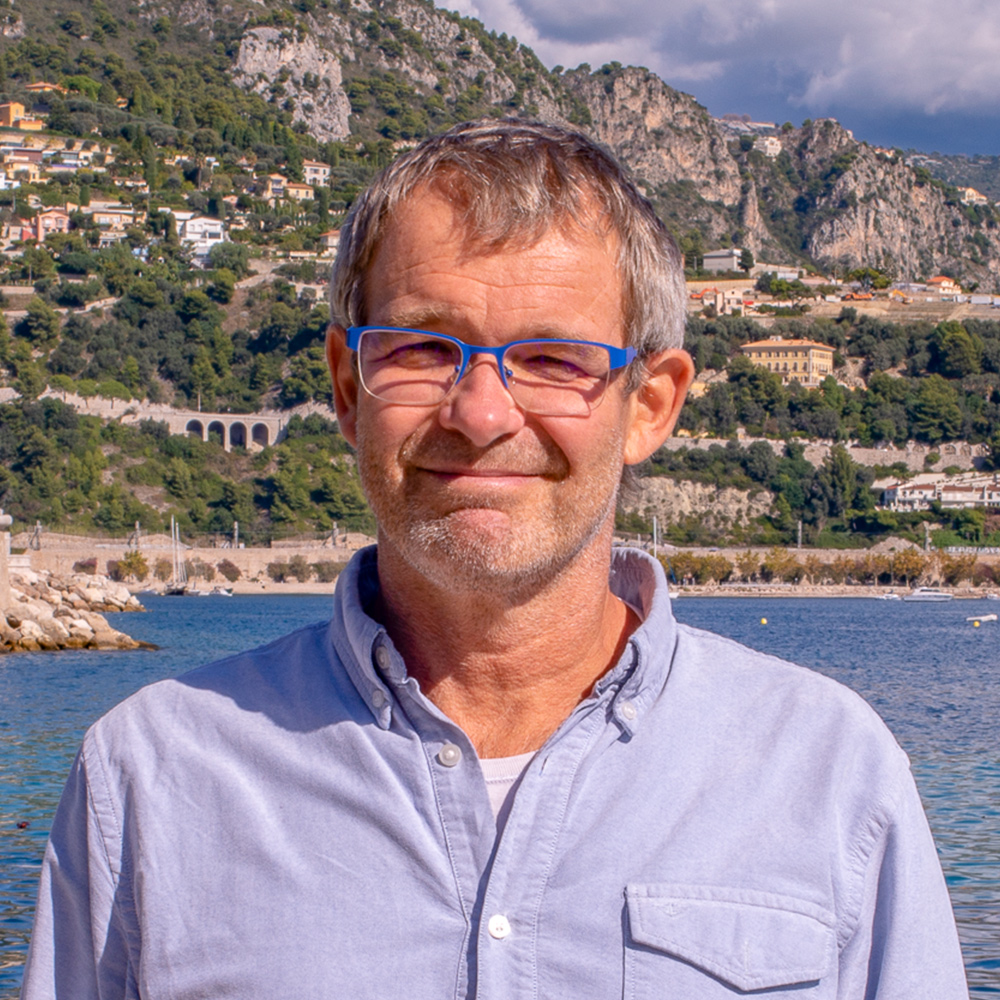
CONTACT : Marc Picheral

Laboratoire d'Océanographie de Villefranche, LOV
Institut de la Mer de Villefranche, IMEV
181 Chemin du Lazaret
06230 Villefranche-sur-Mer (France)

Research engineer

@ COMPLEx

Marc Picheral

Current position :

1984-present : IRHC en conception instrumentale

Status :

Permanent

Employer :

CNRS

Team(s) :

Hosting Lab :

LOV (UMR 7093)

Keywords :

underwater vision profiler, zooscan, zooprocess, ecotaxa, plankton imagery, particle imagery, operational oceanography

Complementary Information

Facilities

Scientific Manager
Scientific Manager

PUBLICATIONS BY

Marc Picheral

84 documents 🔗 HAL Profile
  • Manon Laget, Alexandre Accardo, Marc Picheral, Camille Catalano, Lionel Guidi, Tristan Biard. Limnology and Oceanography: Methods (2026). ART
    Abstract

    Particles sinking from the surface to the deep ocean play a key role in the biological carbon pump, whose efficiency depends partly on sinking velocities. Over the last decade, in situ imaging has enabled critical advances in our understanding of particle dynamics in the ocean. Yet, in situ velocity measurements are scarce and often inferred only from the bulk population of particles. Here, we introduce the VisuTrap, a new tool to measure in situ velocities of marine particles. It consists of an Underwater Vision Profiler 6 (UVP6) camera inserted into different types of sediment traps, which isolate a volume of water. Continuous image acquisition during shortterm or long-term deployments enables reconstruction of particle tracks and estimation of their in situ vertical velocities. We detail the configuration and special UVP6 settings for this application, as well as the image processing and track analysis pipeline. Then, we present results from several experiments in the Mediterranean Sea to illustrate the VisuTrap's use as a new approach to understand the dynamical behavior of marine particles in situ. In light of the broad range of morphological data generated by the UVP6, we discuss technical additions to refine in situ velocity measurements and the possibility of integrating such data into carbon flux assessments.

  • Alberto Baudena, Rémi Laxenaire, Camille Catalano, Artemis Ioannou, Edouard Leymarie, Marc Picheral, Antoine Poteau, Sabrina Speich, Lars Stemmann, Rainer Kiko. Communications Earth & Environment (2025). ART
  • Margaux Perhirin, Laure Vilgrain, Geneviève Perrin, Catherine Lalande, Marc Picheral, Frédéric Maps, Sakina-Dorothée Ayata. Journal of Plankton Research (2025). ART
    Abstract

    Zooplankton play a crucial role in the biological carbon pump by producing sinking particles including sloppy feeding by-products, fecal pellets, molts and carcasses. However, quantifying their impact of these particles on the carbon cycle remains difficult. The contribution of fecal pellets to particulate organic carbon export is usually assessed using fecal pellets collected from sediment traps and laboratory studies. Here, we identified 50 771 fecal pellet-like particles distributed across three morphological clusters. These were extracted from 987 236 in situ images of non-living particles collected from Baffin Bay (Arctic Ocean) using the Underwater Vision Profiler (UVP). We associated which taxonomic groups produced the fecal pellets by comparing the UVP images with observations of fecal pellet morphology and length. Our results emphasize the feasibility of quantifying fecal pellets from in situ images and the importance of developing the resolution of imaging tools that would simultaneously identify smaller fecal pellet-like particles and capture images of large crustacean zooplankton. Using in situ images in identifying fecal pellets will facilitate a better understanding of their dynamics, a more accurate calculation of carbon fluxes, and the representation of fecal pellets in biogeochemical models.

  • Mathilde Dugenne, Marco Corrales-Ugalde, Jessica Luo, Rainer Kiko, Todd O'Brien, Jean-Olivier Irisson, Fabien Lombard, Lars Stemmann, Charles Stock, Clarissa Anderson, Marcel Babin, Nagib Bhairy, Sophie Bonnet, Francois Carlotti, Astrid Cornils, E. Taylor Crockford, Patrick Daniel, Corinne Desnos, Laetitia Drago, Amanda Elineau, Alexis Fischer, Nina Grandrémy, Pierre-Luc Grondin, Lionel Guidi, Cécile Guieu, Helena Hauss, Kendra Hayashi, Jenny Huggett, Laetitia Jalabert, Lee Karp-Boss, Kasia Kenitz, Raphael Kudela, Magali Lescot, Claudie Marec, Andrew Mcdonnell, Zoe Mériguet, Barbara Niehoff, Margaux Noyon, Thelma Panaïotis, Emily Peacock, Marc Picheral, Emilie Riquier, Collin Roesler, Jean-Baptiste Romagnan, Heidi Sosik, Gretchen Spencer, Jan Taucher, Chloé Tilliette, Marion Vilain. Earth System Science Data (2024). ART
    Abstract

    Abstract. In marine ecosystems, most physiological, ecological, or physical processes are size dependent. These include metabolic rates, the uptake of carbon and other nutrients, swimming and sinking velocities, and trophic interactions, which eventually determine the stocks of commercial species, as well as biogeochemical cycles and carbon sequestration. As such, broad-scale observations of plankton size distribution are important indicators of the general functioning and state of pelagic ecosystems under anthropogenic pressures. Here, we present the first global datasets of the Pelagic Size Structure database (PSSdb), generated from plankton imaging devices. This release includes the bulk particle normalized biovolume size spectrum (NBSS) and the bulk particle size distribution (PSD), along with their related parameters (slope, intercept, and R2) measured within the epipelagic layer (0–200 m) by three imaging sensors: the Imaging FlowCytobot (IFCB), the Underwater Vision Profiler (UVP), and benchtop scanners. Collectively, these instruments effectively image organisms and detrital material in the 7–10 000 µm size range. A total of 92 472 IFCB samples, 3068 UVP profiles, and 2411 scans passed our quality control and were standardized to produce consistent instrument-specific size spectra averaged to 1° × 1° latitude and longitude and by year and month. Our instrument-specific datasets span most major ocean basins, except for the IFCB datasets we have ingested, which were exclusively collected in northern latitudes, and cover decadal time periods (2013–2022 for IFCB, 2008–2021 for UVP, and 1996–2022 for scanners), allowing for a further assessment of the pelagic size spectrum in space and time. The datasets that constitute PSSdb's first release are available at https://doi.org/10.5281/zenodo.11050013 (Dugenne et al., 2024b). In addition, future updates to these data products can be accessed at https://doi.org/10.5281/zenodo.7998799.

  • Thelma Panaïotis, Antoine Poteau, Émilie Diamond Riquier, Camille Catalano, Lucas Courchet, Solène Motreuil, Laurent Coppola, Marc Picheral, Jean‐Olivier Irisson. Limnology and Oceanography (2024). ART
    Abstract

    Abstract The effect of mesoscale features on the distribution of planktonic organisms are well documented. Yet, the interaction between these spatial features and the temporal scale, which can result in sudden increases of the planktonic biomass, is less known and not described at high resolution. A permanent mesoscale front in the Ligurian Sea (north‐western Mediterranean) was repeatedly sampled between January and June 2021 using a SeaExplorer glider equipped with an Underwater Vision Profiler 6 (UVP6), a versatile in situ imager. Both plankton and particle distributions were resolved throughout the spring bloom to assess whether the front was a location of increased zooplankton concentration and whether it constrained particle distribution. Over the 5 months, the glider performed more than 5000 dives and the UVP6 collected 1.1 million images. We focused our analysis on shallow (300 m) transects, which gave a horizontal resolution of 900 m. About 13,000 images of planktonic organisms were retained. Ordination methods applied to particles and plankton concentrations revealed strong temporal variations during the bloom, with a succession of various zooplankton communities. Changes in particle abundance and size could be explained by changes in the plankton community. The front had a strong influence on particle distribution, while the signal was not as clear for plankton, probably because of the relatively small number of imaged organisms. This work confirms the need to sample both plankton and particles at fine scale to understand their interactions, a task for which automated in situ imaging is particularly adapted.

  • Valentin Siebert, Lukas Fröhlich, Julien Thébault, Bernd R Schöne, Gaspard Delebecq, Marc Picheral, Matthieu Waeles, Brivaëla Moriceau. Estuarine, Coastal and Shelf Science (2024). ART
    Abstract

    Primary producers are essential organisms for marine ecosystems because they form the basis of food webs, produce half of atmospheric oxygen and are involved in various biogeochemical cycles. At the end of a bloom event, phytoplankton cells are known to produce organic compounds that act as a ‘cement’, allowing the cells to stick together and form large sinking structures called aggregates. These aggregates are microenvironments with chemical properties that are very different from the surrounding water. The main objective of this study was to determine how the temporal variations in cell assemblages over time and the formation of aggregates following a bloom affect the concentrations of molybdenum (Mo) and barium (Ba) in the water column, which are elements typically measured within accretionary hard tissues (e.g., mollusc shells) to track phytoplankton dynamics in the environment. To do so, we performed an environmental monitoring from March to October 2021 at Lanvéoc in the Bay of Brest (France) during which several biological (e.g., variations in phytoplankton assemblages) and chemical (e.g., chemical properties of the water column) parameters were measured once to twice per week. Our results show that spring and summer blooms of Gymnodinium, known to be enriched in Mo, could be one of the reasons explaining the particulate Mo enrichments in the water column. In addition, large phytoplankton aggregates transported a significant amount of Mo to the seafloor and associated suspension feeders. In contrast, the temporal variations in dissolved and particulate Ba concentration were strongly influenced by the formation of diatom blooms. Interestingly, there was a significant shift in Ba from the dissolved to the particulate fraction during the largest diatom bloom in late spring, associated with a significant Ba transport to the seafloor, which may be explained by the adsorption of this element onto diatom frustules. This study therefore highlights the impacts of phytoplankton on the dynamics of these elements in coastal ecosystems.

  • Zoé Mériguet, Guillaume Bourdin, Nathaniel Kristan, Laetitia Jalabert, Olivier Bun, Marc Picheral, Juliette Maury, Maria-Luiza Pedrotti, Amanda Elineau, David Arturo Paz-Garcia, Lee Karp-Boss, Gabriel Gorsky, Fabien Lombard. Hydrology and Earth System Sciences Discussions (2024). ART
    Abstract

    Abstract. This paper presents the quantitative imaging datasets collected during the Tara Pacific Expedition (2016–2018) on the schooner Tara. The datasets cover a wide range of plankton sizes, from micro-phytoplankton > 20 μm to meso-zooplankton of a few cm, as well as non-living particles such as plastic and detrital particles. It consists of surface samples collected across the North and South Pacific Ocean from open ocean stations (a total of 357 samples) and from stations located in coastal waters, lagoons or reefs of 32 Pacific islands (a total of 228 samples). As this expedition involved long distances and long sailing times, we designed two sampling systems to collect plankton while sailing at speeds up to 9 knots. To sample microplankton, surface water was pumped onboard using a customised pumping system and filtered through a 20 µm mesh size plankton net (here after Deck-Net (DN). A High Speed Net (HSN; 330 μm mesh size) was developed to sample the mesoplankton. In addition, a Manta net (330 µm) was also used when possible, to collect mesoplankton and plastics simultaneously. We could not deploy these nets in reef and lagoon stations of islands. Instead, two Bongo nets (20 µm) attached to an underwater scooter were used to sample microplankton. Microplankton (20–200 μm) from the DN and Bongo nets was imaged directly on-board Tara using the FlowCam (Fluid imaging, Inc.) while the mesoplankton (> 200 μm) from the HSN and Manta nets was analyzed in the laboratory with the ZooScan system. Organisms and other particles were taxonomically and morphologically classified using the web application EcoTaxa automatic sorting tools, followed by taxonomic expert validation or correction. More than 300 different taxonomic and morphological groups were identified. The datasets include the metadata with the raw data from which morphological traits such as size (ESD) and biovolume have been calculated for each particle, as well as a number of quantitative descriptors of the surface plankton communities. These include abundance, biovolumes, Shannon diversity index and normalised biovolume size spectra, allowing the study of their structures (e.g. taxonomic, functional, size structure, trophic structure, etc.) according to a wide range of environmental parameters at the basin scale. In addition to describing and presenting the datasets, the complementary aim of this paper is to investigate and quantify the potential sampling biases associated with the two high speed sampling systems and the different net types, in order to improve further ecological interpretations.

  • Thelma Panaïotis, Antoine Poteau, Émilie Diamond Riquier, Camille Catalano, Lucas Courchet, Solène Motreuil, Laurent Coppola, Marc Picheral, Jean‐Olivier Irisson. Limnology and Oceanography (2024). ART
    Abstract

    The effect of mesoscale features on the distribution of planktonic organisms are well documented. Yet, the interaction between these spatial features and the temporal scale, which can result in sudden increases of the planktonic biomass, is less known and not described at high resolution. A permanent mesoscale front in the Ligurian Sea (north‐western Mediterranean) was repeatedly sampled between January and June 2021 using a SeaExplorer glider equipped with an Underwater Vision Profiler 6 (UVP6), a versatile in situ imager. Both plankton and particle distributions were resolved throughout the spring bloom to assess whether the front was a location of increased zooplankton concentration and whether it constrained particle distribution. Over the 5 months, the glider performed more than 5000 dives and the UVP6 collected 1.1 million images. We focused our analysis on shallow (300 m) transects, which gave a horizontal resolution of 900 m. About 13,000 images of planktonic organisms were retained. Ordination methods applied to particles and plankton concentrations revealed strong temporal variations during the bloom, with a succession of various zooplankton communities. Changes in particle abundance and size could be explained by changes in the plankton community. The front had a strong influence on particle distribution, while the signal was not as clear for plankton, probably because of the relatively small number of imaged organisms. This work confirms the need to sample both plankton and particles at fine scale to understand their interactions, a task for which automated in situ imaging is particularly adapted.

  • Lombard Fabien, Guidi Lionel, Manoela Brandão, Coelho Luis Pedro, Colin Sébastien, Dolan John Richard, Elineau Amanda, Josep Gasol, Grondin Pierre Luc, Henry Nicolas, Federico Ibarbalz, Jalabert Laëtitia, Loreau Michel, Martini Séverinne, Mériguet Zoé, Picheral Marc, Juan José Pierella Karlusich, Rainer Pepperkok, Jean-Baptiste Romagnan, Zinger Lucie, Stemmann Lars, Silvia Acinas, Karp-Boss Lee, Boss Emmanuel, Matthew Sullivan, Colomban de Vargas, Bowler Chris, Karsenti Eric, Gorsky Gabriel. UNDEFINED
    Abstract

    Summary paragraph Plankton are essential in marine ecosystems. However, our knowledge of overall community structure is sparse due to inconsistent sampling across their very large organismal size range. Here we use diverse imaging methods to establish complete plankton inventories of organisms spanning five orders of magnitude in size. Plankton community size and trophic structure variation validate a long-held theoretical link between organism size-spectra and ecosystem trophic structures. We found that predator/grazer biomass and biovolume unexpectedly exceed that of primary producers at most (55%) locations, likely due to our better quantification of gelatinous organisms. Bottom- heavy ecosystems (the norm on land) appear to be rare in the ocean. Collectively, gelatinous organisms represent 30% of the total biovolume (8-9% of carbon) of marine plankton communities from tropical to polar ecosystems. Communities can be split into three extreme typologies: diatom/copepod-dominated in eutrophic blooms, rhizarian/chaetognath-dominated in oligotrophic tropical oceans, and gelatinous-dominated elsewhere. While plankton taxonomic composition changes with latitude, functional and trophic structures mostly depend on the amount of prey available for each trophic level. Given future projections of oligotrophication of marine ecosystems, our findings suggest that rhizarian and gelatinous organisms will increasingly dominate the apex position of planktonic ecosystems, leading to significant changes in the ocean’s carbon cycle.

  • Manon Laget, Lionel Guidi, marc picheral, Camille Catalano, Tristan Biard. Ocean Science Meeting 2024 - OSM24 (2024). COMM
  • Marc Picheral, Camille Catalano, Alexandre Accardo, Alberto Baudena, Hervé Claustre, Lucas Courchet, Laetitia Drago, Amanda Elineau, Lionel Guidi, Jean-Olivier Irisson, Laetitia Jalabert, Rainer Kiko, Edouard Leymarie, Fabien Lombard, Florian Ricour, Catherine Schmechtig, Dodji Soviadan, Lars Stemmann. ASLO Aquatic Sciences Meeting (2023). COMM
    Abstract

    The Underwater Vision Profiler (UVP) has been developed to study the number, size and shape of particles (size \textgreater 80µm) and plankton (size \textgreater 700µm) in situ. Over the last decade, thousands of profiles have been collected in the world's oceans by the UVP5 to better understand and quantify processes affecting community compositions of large plankton and the biological carbon pump. These data, used together with modeling approaches helped estimate plankton global carbon biomass and particle vertical flux. The most recent UVP (UVP6) sensors have been developed to be mounted on autonomous platforms, mooring and CTD rosettes down to 6000 m depth. Fully inter-calibrated, they record particles and identify plankton and marine snow after recovery or during deployment using an embedded recognition algorithm. A complete software ecosystem is used to pilot the instrument, record the data, and make them available to fulfill the global need of easy data access expressed by scientists, policy makers and the public. Because of the cost reduction of the UVP6, its capability to be mounted on many platforms including autonomous ones, the Ocean is being quickly populated by this sensor (125 sensors have been in operation in the last 2 years). Recent plankton community composition, particle mass, and flux data from three different basins in the Atlantic will be presented. In the next decade, the massive global monitoring of these key biological Essential Oceanographic Variables will significantly advance our understanding of key aquatic processes including the biological carbon pump.

  • Thelma Panaiotis, Antoine Poteau, Emilie Diamond-Riquier, Lucas Courchet, Solène Motreuil, Camille Catalano, Laurent Coppola, Marc Picheral, Jean-Olivier Irisson. ASLO Aquatic Sciences Meeting (2023). COMM
    Abstract

    The effect of mesoscale features on the distribution of planktonic organisms are well documented. Yet, the interaction between these spatial features and the temporal scale, which can result in sudden increases of the planktonic biomass, is less known and not described at high resolution. We targeted a permanent mesoscale front in the Ligurian Sea (NW Mediterranean) that we repeatedly sampled between January and June 2021 using a SeaExplorer glider equipped with a UVP6, a versatile in situ imager. We aimed to resolve mesoscale distribution of plankton and particle distribution during the spring bloom, to assess whether the front was a location of increased concentration of zooplankton, and if it constrained the distribution of particles. During the 5 months, the glider conducted more than 5,000 dives and the UVP6 collected 1.1 million images. We focused our analysis on shallow (300 m) transects, which gave a horizontal resolution of 900 m. About 13,000 images of planktonic organisms were retained. Ordination methods applied to particles and plankton concentrations revealed contrasted periods during the bloom, in which changes in particle abundance and size could be explained by changes in the plankton community. The front had a strong influence on particle distribution, while the signal was not as clear for plankton, probably because of the relatively small number of imaged organisms. This work confirms the need to sample both plankton and particles at fine scale to understand their interaction, a task for which automated in situ imaging is particularly adapted.

  • Yves Ponçon, Laurent Mortier, Marc Picheral, Peer Fietzek, Dan Hayes, Ehsan Abdi, Jakub Zdroik, Agnieszka Beszczynska-Möller, Jerome Coindat, Muriel Dunn, Virginie Ramasco, Morten Thorstensen, Lionel Camus, Pierre Priou, Sunnje Basedow, Geir Pedersen, Tarak Arbi, Benoit Geller. OCEANS 2023 Gulf Coast conference (2023). COMM
    Abstract

    This paper presents a technological solution for the observation and monitoring of the marine ecosystem. Three complementary devices, one optic imaging and one scientific acoustic instrument as well as one acoustic communication modem, have been integrated on glider platforms, providing qualitative and quantitative zooplankton and fish ecology observations, which are especially relevant in Nordic and Arctic polar regions. This 'Bioglider' solution has been tested on two available gliders. Another essential platform component for ocean observing are subsurface mooring lines which can complement glider observations in terms of temporal scales. Most of the time, they cannot have surface expressions in these regions because of sea-ice cover or harsh sea conditions, prohibiting real time data delivery. Underwater acoustic communication can allow the glider to serve as a data messenger, retrieving data from the moorings, complementing its measuring capacities. The Bioglider data transmission protocol and the Hydro-Acoustic Link Simulator were successfully tested in different test scenarios. We also developed a MIMO (Multi-input Multi-output) acoustic platform and obtained theoretical results about equalizing structures to face the harsh multipath acoustic underwater propagation. These developments address the challenges posed by sea-ice cover, harsh sea conditions, and maritime traffic, ensuring near real-time data delivery and enabling comprehensive observations of the marine environment. The Bioglider sensor solution and Bioglider data transmission solution have been implemented or designed for the existing and commercially available gliders and are validated by first promising results from an operational, technological and scientific point of view.

  • Thelma Panaïotis, Marcel Babin, Tristan Biard, François Carlotti, Laurent Coppola, Lionel Guidi, Helena Hauss, Lee Karp-Boss, Rainer Kiko, Fabien Lombard, Andrew Mp Mcdonnell, Marc Picheral, Andreas Rogge, Anya M Waite, Lars Stemmann, Jean‐olivier Irisson. Global Ecology and Biogeography (2023). ART
    Abstract

    Aim The distribution of mesoplankton communities have been poorly studied at global scale, especially from in situ instruments. This study aims to (1) describe the global distribution of mesoplankton communities in relation with their environment and (2) assess the ability of various environmental-based ocean regionalisations to explain the distribution of these communities. Location Global ocean, 0-500 m depth. Time period 2008 - 2019 Major taxa studied 28 groups of large mesoplanktonic and macroplanktonic organ- isms, covering Metazoa, Rhizaria and Cyanobacteria. Methods From a global data set of 2500 vertical profiles making use of the Underwater Vision Profiler 5 (UVP5), an in situ imaging instrument, we studied the global distribu- tion of large (> 600 μm) mesoplanktonic organisms. Among the 6.8 million imaged ob- jects, 330,000 were large zooplanktonic organisms and phytoplankton colonies, the rest consisting of marine snow particles. Multivariate ordination (PCA) and clustering were used to describe patterns in community composition, while comparison with existing regionalisations was performed with regression methods (RDA). Results Within the observed size range, epipelagic plankton communities were Trichodesmium-enriched in the intertropical Atlantic, Copepoda-enriched at high latitudes and in upwelling areas, and Rhizaria-enriched in oligotrophic areas. In the mesopelagic layer, Copepoda-enriched communities were also found at high latitudes and in the At- lantic Ocean, while Rhizaria-enriched communities prevailed in the Peruvian upwelling system and a few mixed communities were found elsewhere. The comparison between the distribution of these communities and a set of existing regionalisations of the ocean suggested that the structure of plankton communities described above is mostly driven by basin-level environmental conditions. Main conclusions n both layers, three types of plankton communities emerged and seemed to be mostly driven by regional environmental conditions. This work sheds light on the role not only of metazoans, but also of unexpected large protists and cyanobacteria in structuring large mesoplankton communities.

  • Valentin Siebert, Brivaëla Moriceau, Lukas Fröhlich, Bernd Schöne, Erwan Amice, Beatriz Beker, Kevin Bihannic, Isabelle Bihannic, Gaspard Delebecq, Jérémy Devesa, Morgane Gallinari, Yoan Germain, Émilie Grossteffan, Klaus Peter Jochum, Thierry Le Bec, Manon Le Goff, Céline Liorzou, Aude Leynaert, Claudie Marec, Marc Picheral, Peggy Rimmelin-Maury, Marie-Laure Rouget, Matthieu Waeles, Julien Thébault. Earth System Science Data (2023). ART
    Abstract

    As part of the HIPPO (HIgh-resolution Primary Production multi-prOxy archives) project, environmental monitoring was carried out between March and October 2021 in the Bay of Brest. The aim of this survey was to better understand the processes which drive the incorporation of chemical elements into scallop shells and their links with phytoplankton dynamics. For this purpose, biological samples (scallops and phytoplankton) as well as water samples were collected in order to analyze various environmental parameters (element chemical properties, nutrients, chlorophyll a, etc.). Given the large number of parameters that were measured, only the major results are presented and discussed here. However, the whole dataset, which has been made available, is much larger and can potentially be very useful for other scientists performing sclerochronological investigations, studying biogeochemical cycles or conducting various ecological research projects. The dataset is available at https://doi.org/10.17882/92043 (Siebert et al., 2023).

  • Janaina Rigonato, Marko Budinich, Alejandro Murillo, Manoela Brandão, Juan Pierella Karlusich, Yawouvi Dodji Soviadan, Ann Gregory, Hisashi Endo, Florian Kokoszka, Dean Vik, Nicolas Henry, Paul Frémont, Karine Labadie, Ahmed Zayed, Céline Dimier, Marc Picheral, Sarah Searson, Julie Poulain, Stefanie Kandels, Stéphane Pesant, Eric Karsenti, Chris Bowler, Colomban de Vargas, Damien Eveillard, Marion Gehlen, Daniele Iudicone, Fabien Lombard, Hiroyuki Ogata, Lars Stemmann, Matthew Sullivan, Shinichi Sunagawa, Patrick Wincker, Samuel Chaffron, Olivier Jaillon. ISME Communications (2023). ART
    Abstract

    For decades, marine plankton have been investigated for their capacity to modulate biogeochemical cycles and provide fishery resources. Between the sunlit (epipelagic) layer and the deep dark waters, lies a vast and heterogeneous part of the ocean: the mesopelagic zone. How plankton composition is shaped by environment has been well-explored in the epipelagic but much less in the mesopelagic ocean. Here, we conducted comparative analyses of trans-kingdom community assemblages thriving in the mesopelagic oxygen minimum zone (OMZ), mesopelagic oxic, and their epipelagic counterparts. We identified nine distinct types of intermediate water masses that correlate with variation in mesopelagic community composition. Furthermore, oxygen, NO 3 − and particle flux together appeared as the main drivers governing these communities. Novel taxonomic signatures emerged from OMZ while a global co-occurrence network analysis showed that about 70% of the abundance of mesopelagic plankton groups is organized into three community modules. One module gathers prokaryotes, pico-eukaryotes and Nucleo-Cytoplasmic Large DNA Viruses (NCLDV) from oxic regions, and the two other modules are enriched in OMZ prokaryotes and OMZ pico-eukaryotes, respectively. We hypothesize that OMZ conditions led to a diversification of ecological niches, and thus communities, due to selective pressure from limited resources. Our study further clarifies the interplay between environmental factors in the mesopelagic oxic and OMZ, and the compositional features of communities.

  • Kevin Oxborough, Efstathios Papadimitriou, Matthew Patey, Marc Picheral, Fiona Regan, Julie Robidart, Fabrizio Siracusa, Dan Spenser, Allison Schaap, Nina Schuback, Blair Thornton, Martha Valiadi, John Walk, Xiangyu Weng, Euan Wilson, Matthew Mowlem, Ehsan Abdi, Rana Abualhaija, Ahmed Alrefaey, Martin Arundell, Nathan Briggs, Wahida Bhuiyan, Jonathan Butement, Christopher L. Cardwell, Filipa Carvalho, Camile Catalano, Susan Evans, Reuben Forrester, Sarah Giering, Electra Gizeli, Peter Glynne-Jones, Lionel Guidi, Weili Guo, Rudolf Hanz, Katherine Hartle Mougiou, Dan Hayes, Jean-Olivier Irisson, Kevin Köser, Patricia Lopez-Garcia, Jake Ludgate, Miguel Massot Campos, Jon Mcquillan, Marina Montresor, C. Mark Moore, Hywel Morgan, Mojtaba Masoudi, Caroline Murphy, Andrew Morris, David Nakath. OCEANS 2023 (2023). COMM
    Abstract

    The TechOceanS project is developing new remote ocean sensing technology supporting wider ocean measurement and a drive to net zero. The project will deliver 5 new sensor classes for biogeochemistry, biology and ecosystems addressing 10 of 19 EOVs, 31 of 73 subvariables, 6 of 9 MSFD targets together with microplastics and a range of biotoxins and contaminants. It will also develop a new image processing workflow for extracting EOVs (9) and MSFD (6) and litter measurements from images. These innovations concentrate on key capability gaps in ocean observing from non-ship systems with a focus on low-cost per measurement through minimised instrument and deployment costs. This paper gives a brief overview of the technologies, and were possible, because of progress or protection of intellectual property, details of our approaches and early results.

  • Manon Laget, Catalano Camille, Picheral Marc, Tristan Biard. Ocean Sciences Meeting 2022 (2022). COMM
  • Flavienne Bruyant, Rémi Amiraux, Marie-Pier Amyot, Philippe Archambault, Lise Artigue, Lucas Bardedo de Freitas, Guislain Bécu, Simon Bélanger, Pascaline Bourgain, Annick Bricaud, Etienne Brouard, Camille Brunet, Tonya Burgers, Danielle Caleb, Katrine Chalut, Hervé Claustre, Marcel Babin, Véronique Cornet-Barthaux, Pierre Coupel, Marine Cusa, Fanny Cusset, Laeticia Dadaglio, Marty Davelaar, Gabriele Deslongchamps, Céline Dimier, Julie Dinasquet, Dany Dumont, Brent Else, Igor Eulaers, Joannie Ferland, Gabrielle Filteau, Marie-Hélène Forget, Jérôme Fort, Louis Fortier, Martí Galí-Tapías, Morgane Gallinari, Svend-Erik Garbus, Nicole Garcia, Catherine Gérikas Ribeiro, Colline Gombault, Priscilla Gourvil, Clémence Goyens, Cindy Grant, Pierre-Luc Grondin, Pascal Guillot, Sandrine Hillion, Rachel Hussher, Fabien Joux, Hannah Joy-Warren, Gabriel Joyal, David Kieber, Augustin Lafond, José Lagunas, Patrick Lajeunesse, Catherine Lalande, Jade Larivière, Florence Le Gall, Karine Leblanc, Mathieu Leblanc, Justine Legras, Keith Levesque, Kate-Marie Lewis, Edouard Leymarie, Aude Leynaert, Thomas Linkowski, Martine Lizotte, Adriana Lopes dos Santos, Claudie Marec, Dominique Marie, Guillaume Massé, Philippe Massicotte, Atsushi Matsuoka, Lisa Miller, Sharif Mirshak, Nathalie Morata, Brivaela Moriceau, Philippe-Israël Morin, Simon Morisset, Anders Mosbech, Alfonso Mucci, Gabrielle Nadaï, Christian Nozais, Ingrid Obernosterer, Timothe Paire, Christos Panagiotopoulos, Marie Parenteau, Noémie Pelletier, Marc Picheral, Bernard Quéguiner, Patrick Raimbault, Joséphine Ras, Eric Rehm, Llúcia Ribot Lacosta, Jean-François Rontani, Blanche Saint-Béat, Julie Sansoulet, Noé Sardet, Catherine Schmechtig, Antoine Sciandra, Richard Sempéré, Caroline Sévigny, Jordan Toullec, Margot Tragin, Jean-Eric Tremblay, Annie-Pier Trottier, Daniel Vaulot, Anda Vladoiu, Lei Xue, Gustavo Yunda-Guarin. Earth System Science Data (2022). ART
    Abstract

    Abstract. The Green Edge project was designed to investigate the onset, life and fate of a phytoplankton spring bloom (PSB) in the Arctic Ocean. The lengthening of the ice-free period and the warming of seawater, amongst other factors, have induced major changes in arctic ocean biology over the last decades. Because the PSB is at the base of the Arctic Ocean food chain, it is crucial to understand how changes in the arctic environment will affect it. Green Edge was a large multidisciplinary collaborative project bringing researchers and technicians from 28 different institutions in seven countries, together aiming at understanding these changes and their impacts into the future. The fieldwork for the Green Edge project took place over two years (2015 and 2016) and was carried out from both an ice-camp and a research vessel in the Baffin Bay, canadian arctic. This paper describes the sampling strategy and the data set obtained from the research cruise, which took place aboard the Canadian Coast Guard Ship (CCGS) Amundsen in spring 2016. The dataset is available at https://doi.org/10.17882/59892 (Massicotte et al., 2019a).

  • Miriam Beck, Sakina-Dorothée Ayata, Marc Picheral, Fabien Lombard, Rainer Kiko, Lars Stemmann, Lionel Guidi, Jean-Olivier Irisson. SFEcologie 2022 (2022). COMM
  • Natalia Llopis Monferrer, Tristan Biard, Miguel Sandin, Fabien Lombard, Marc Picheral, Amanda Elineau, Lionel Guidi, Aude Leynaert, Paul Tréguer, Fabrice Not. Frontiers in Marine Science (2022). ART
    Abstract

    Siliceous Rhizaria (polycystine radiolarians and phaeodarians) are significant contributors to carbon and silicon biogeochemical cycles. Considering their broad taxonomic diversity and their wide size range (from a few micrometres up to several millimetres), a comprehensive evaluation of the entire community to carbon and silicon cycles is challenging. Here, we assess the diversity and contribution of silicified Rhizaria to the global biogenic silica stocks in the upper 500 m of the oligotrophic North-Western Mediterranean Sea using both imaging (FlowCAM, Zooscan and Underwater Vision Profiler) and molecular tools and data. While imaging data (cells m -3 ) revealed that the most abundant organisms were the smallest, molecular results (number of reads) showed that the largest Rhizaria had the highest relative abundances. While this seems contradictory, relative abundance data obtained with molecular methods appear to be closer to the total biovolume data than to the total abundance data of the organisms. This result reflects a potential link between gene copies number and the volume of a given cell allowing reconciling molecular and imaging data. Using abundance data from imaging methods we estimate that siliceous Rhizaria accounted for up to 6% of the total biogenic silica biomass of the siliceous planktonic community in the upper 500m of the water column.

  • Laetitia Drago, Thelma Panaïotis, Jean-Olivier Irisson, Marcel Babin, Tristan Biard, François Carlotti, Laurent Coppola, Lionel Guidi, Helena Hauss, Lee Karp-Boss, Fabien Lombard, Andrew M P Mcdonnell, Marc Picheral, Andreas Rogge, Anya M Waite, Lars Stemmann, Rainer Kiko. Frontiers in Marine Science (2022). ART
    Abstract

    Zooplankton plays a major role in ocean food webs and biogeochemical cycles, and provides major ecosystem services as a main driver of the biological carbon pump and in sustaining fish communities. Zooplankton is also sensitive to its environment and reacts to its changes. To better understand the importance of zooplankton, and to inform prognostic models that try to represent them, spatially-resolved biomass estimates of key plankton taxa are desirable. In this study we predict, for the first time, the global biomass distribution of 19 zooplankton taxa (1-50 mm Equivalent Spherical Diameter) using observations with the Underwater Vision Profiler 5, a quantitative in situ imaging instrument. After classification of 466,872 organisms from more than 3,549 profiles (0-500 m) obtained between 2008 and 2019 throughout the globe, we estimated their individual biovolumes and converted them to biomass using taxa-specific conversion factors. We then associated these biomass estimates with climatologies of environmental variables (temperature, salinity, oxygen, etc.), to build habitat models using boosted regression trees. The results reveal maximal zooplankton biomass values around 60°N and 55°S as well as minimal values around the oceanic gyres. An increased zooplankton biomass is also predicted for the equator. Global integrated biomass (0-500 m) was estimated at 0.403 PgC. It was largely dominated by Copepoda (35.7%, mostly in polar regions), followed by Eumalacostraca (26.6%) Rhizaria (16.4%, mostly in the intertropical convergence zone). The machine learning approach used here is sensitive to the size of the training set and generates reliable predictions for abundant groups such as Copepoda (R2 ≈ 20-66%) but not for rare ones (Ctenophora, Cnidaria, R2 < 5%). Still, this study offers a first protocol to estimate global, spatially resolved zooplankton biomass and community composition from in situ imaging observations of individual organisms. The underlying dataset covers a period of 10 years while approaches that rely on net samples utilized datasets gathered since the 1960s. Increased use of digital imaging approaches should enable us to obtain zooplankton biomass distribution estimates at basin to global scales in shorter time frames in the future.

  • Jean-Olivier Irisson, Laurent Salinas, Sebastien Colin, Team Complex, Marc Picheral. SFEcologie 2022 (2022). COMM
    Abstract

    Images are increasingly used as a means to collect data in all fields of science, and Ecology is no exception. In the underwater realm, where direct observation of the organisms in their environment is difficult for humans, automated cameras provide invaluable insights. This partly explains the flourish of camera-based instruments specialised for taking pictures of plankton. Because most of them image a controlled volume in a systematic manner, they are coined "quantitative imaging" instruments; they allow computing concentrations and making replicable morphological measurements on the many thousands of images they collect. This also opens the avenue for the automation of their classification. EcoTaxa was designed as a platform to upload images, together with rich metadata, and sort them taxonomically in an efficient way. This efficiency is partly provided by machine learning: users can train models based on previous identifications in the database to suggest labels for newly uploaded images. By combining deep-learning feature extractors, a fast-to-train classifier, and enough flexibility to train models customised to the task at hand, EcoTaxa achieves classification performance similar to that of state of the art deep-learning networks while being usable in a matter of minutes by taxonomists with no computer science knowledge. The efficacy is also provided by the web-based graphical user interface: several users can collaborate on the classification of a dataset and each can rapidly review and classify hundreds of images at a time. As a result, trained operators routinely sort 5,000 to 10,000 per working day, within ~100 taxonomic groups. In the application as a whole, over 200 million images have been uploaded and over 90 million have been sorted by human operators, in its 6 years of existence. We will review the principle, functioning and potential for generalisation of the approach implemented in EcoTaxa.

  • Rainer Kiko, Marc Picheral, David Antoine, Marcel Babin, Léo Berline, Tristan Biard, Emmanuel Boss, Peter Brandt, François Carlotti, Svenja Christiansen, Laurent Coppola, Leandro de la Cruz, Emilie Diamond-Riquier, Xavier Durrieu de Madron, Amanda Elineau, Gabriel Gorsky, Lionel Guidi, Helena Hauss, Jean-Olivier Irisson, Lee Karp-Boss, Johannes Karstensen, Dong-Gyun Kim, Rachel Lekanoff, Fabien Lombard, Rubens Lopes, Claudie Marec, Andrew Mcdonnell, Daniela Niemeyer, Margaux Noyon, Stephanie O'Daly, Mark Ohman, Jessica Pretty, Andreas Rogge, Sarah Searson, Masashi Shibata, Yuji Tanaka, Toste Tanhua, Jan Taucher, Emilia Trudnowska, Jessica Turner, Anya Waite, Lars Stemmann. Earth System Science Data (2022). ART
    Abstract

    Marine particles of different nature are found throughout the global ocean. The term “marine particles” describes detritus aggregates and fecal pellets as well as bacterioplankton, phytoplankton, zooplankton and nekton. Here, we present a global particle size distribution dataset obtained with several Underwater Vision Profiler 5 (UVP5) camera systems. Overall, within the 64 µm to about 50 mm size range covered by the UVP5, detrital particles are the most abundant component of all marine particles; thus, measurements of the particle size distribution with the UVP5 can yield important information on detrital particle dynamics. During deployment, which is possible down to 6000 m depth, the UVP5 images a volume of about 1 L at a frequency of 6 to 20 Hz. Each image is segmented in real time, and size measurements of particles are automatically stored. All UVP5 units used to generate the dataset presented here were inter-calibrated using a UVP5 high-definition unit as reference. Our consistent particle size distribution dataset contains 8805 vertical profiles collected between 19 June 2008 and 23 November 2020. All major ocean basins, as well as the Mediterranean Sea and the Baltic Sea, were sampled. A total of 19 % of all profiles had a maximum sampling depth shallower than 200 dbar, 38 % sampled at least the upper 1000 dbar depth range and 11 % went down to at least 3000 dbar depth. First analysis of the particle size distribution dataset shows that particle abundance is found to be high at high latitudes and in coastal areas where surface productivity or continental inputs are elevated. The lowest values are found in the deep ocean and in the oceanic gyres. Our dataset should be valuable for more in-depth studies that focus on the analysis of regional, temporal and global patterns of particle size distribution and flux as well as for the development and adjustment of regional and global biogeochemical models. The marine particle size distribution dataset (Kiko et al., 2021) is available at https://doi.org/10.1594/PANGAEA.924375.

  • Kelsey Bisson, Rainer Kiko, David Siegel, Lionel Guidi, Marc Picheral, Emmanuel Boss, B. Cael. Limnology and Oceanography: Methods (2022). ART
  • Daniel Richter, Romain Watteaux, Thomas Vannier, Jade Leconte, Paul Frémont, Gabriel Reygondeau, Nicolas Maillet, Nicolas Henry, Gaëtan Benoit, Antonio Fernandez-Guerra, Samir Suweis, Romain Narci, Cédric Berney, Damien Eveillard, Frédérick Gavory, Lionel Guidi, Karine Labadie, Eric Mahieu, Julie Poulain, Sarah Romac, Simon Roux, Céline Dimier, Stefanie Kandels, Marc Picheral, Sarah Searson, Stéphane Pesant, Jean-Marc Aury, Jennifer Brum, Claire Lemaitre, Eric Pelletier, Peer Bork, Shinichi Sunagawa, Lee Karp-Boss, Chris Bowler, Matthew Sullivan, Eric Karsenti, Mahendra Mariadassou, Ian Probert, Pierre Peterlongo, Patrick Wincker, Colomban de Vargas, Maurizio Ribera d'Alcalà, Daniele Iudicone, Olivier Jaillon, Tom O. Delmont. eLife (2022). ART
    Abstract

    Biogeographical studies have traditionally focused on readily visible organisms, but recent technological advances are enabling analyses of the large-scale distribution of microscopic organisms, whose biogeographical patterns have long been debated1,2. The most prominent global biogeography of marine plankton was derived by Longhurst3 based on parameters principally associated with photosynthetic plankton. Localized studies of selected plankton taxa or specific organismal sizes1,4–7 have mapped community structure and begun to assess the roles of environment and ocean current transport in shaping these patterns2,8. Here we assess global plankton biogeography and its relation to the biological, chemical and physical context of the ocean (the ‘seascape’) by analyzing 24 terabases of metagenomic sequence data and 739 million metabarcodes from the Tara Oceans expedition in light of environmental data and simulated ocean current transport. In addition to significant local heterogeneity, viral, prokaryotic and eukaryotic plankton communities all display near steady-state, large-scale, size-dependent biogeographical patterns. Correlation analyses between plankto transport time and metagenomic or environmental dissimilarity reveal the existence of basin-scale biological and environmental continua emerging within the main current systems. Across oceans, there is a measurable, continuous change within communities and environmental factors up to an average of 1.5 years of travel time. Modulation of plankton communities during transport varies with organismal size, such that the distribution of smaller plankton best matches Longhurst biogeochemical provinces, whereas larger plankton group into larger provinces. Together these findings provide an integrated framework to interpret plankton community organization in its physico-chemical context, paving the way to a better understanding of oceanic ecosystem functioning in a changing global environment.

  • Janaina Rigonato, Marko Budinich, Alejandro Murillo, Manoela Brandão, Juan Karlusich, Yawouvi Dodji Soviadan, Ann Gregory, Hisashi Endo, Florian Kokoszka, Dean Vik, Nicolas Henry, Paul Frémont, Karine Labadie, Ahmed Zayed, Céline Dimier, Marc Picheral, Sarah Searson, Julie Poulain, Stefanie Kandels, Stéphane Pesant, Eric Karsenti, Peer Bork, Chris Bowler, Samuel Chaffron, Colomban de Vargas, Damien Eveillard, Marion Gehlen, Daniele Iudicone, Fabien Lombard, Hiroyuki Ogata, Lars Stemmann, Matthew Sullivan, Shinichi Sunagawa, Patrick Wincker, Olivier Jaillon. UNDEFINED
    Abstract

    Marine plankton mitigate anthropogenic greenhouse gases, modulate biogeochemical cycles, and provide fishery resources. Plankton is distributed across a stratified ecosystem of sunlit surface waters and a vast, though understudied, mesopelagic ‘dark ocean’. In this study, we mapped viruses, prokaryotes, and pico-eukaryotes across 32 globally-distributed cross-depth samples collected during the Tara Oceans Expedition, and assessed their ecologies. Based on depth and O 2 measurements, we divided the marine habitat into epipelagic, oxic mesopelagic, and oxygen minimum zone (OMZ) eco-regions. We identified specific communities associated with each marine habitat, and pinpoint environmental drivers of dark ocean communities. Our results indicate that water masses primarily control mesopelagic community composition. Through co-occurrence network inference and analysis, we identified signature communities strongly associated with OMZ eco-regions. Mesopelagic communities appear to be constrained by a combination of factors compared to epipelagic communities. Thus, variations in a given abiotic factor may cause different responses in sunlit and dark ocean communities. This study expands our knowledge about the ecology of planktonic organisms inhabiting the mesopelagic zone.

  • Marc Picheral, Camille Catalano, Denis Brousseau, Hervé Claustre, Laurent Coppola, Edouard Leymarie, Jérôme Coindat, Fabio Dias, Sylvain Fevre, Lionel Guidi, Jean-Olivier Irisson, Louis Legendre, Fabien Lombard, Laurent Mortier, Christophe Penkerch, Andreas Rogge, Catherine Schmechtig, Simon Thibault, Thierry Tixier, Anya Waite, Lars Stemmann. Limnology and Oceanography: Methods (2022). ART
    Abstract

    Autonomous and cabled platforms are revolutionizing our understanding of ocean systems by providing 4D monitoring of the water column, thus going beyond the reach of ship-based surveys and increasing the depth of remotely sensed observations. However, very few commercially available sensors for such platforms are capable of monitoring large particulate matter (100-2000 μm) and plankton despite their important roles in the biological carbon pump and as trophic links from phytoplankton to fish. Here, we provide details of a new, commercially available scientific camera-based particle counter, specifically designed to be deployed on autonomous and cabled platforms: the Underwater Vision Profiler 6 (UVP6). Indeed, the UVP6 camera-and-lighting and processing system, while small in size and requiring low power, provides data of quality comparable to that of previous much larger UVPs deployed from ships. We detail the UVP6 camera settings, its performance when acquiring data on aquatic particles and plankton, their quality control, analysis of its recordings, and streaming from in situ acquisition to users. In addition, we explain how the UVP6 has already been integrated into platforms such as BGC-Argo floats, gliders and long-term mooring systems (autonomous platforms). Finally, we use results from actual deployments to illustrate how UVP6 data can contribute to addressing longstanding questions in marine science, and also suggest new avenues that can be explored using UVP6-equipped autonomous platforms.

  • Flavienne Bruyant, Rémi Amiraux, Marie-Pier Amyot, Philippe Archambault, Lise Artigue, Lucas Barbedo de Freitas, Guislain Bécu, Simon Bélanger, Pascaline Bourgain, Annick Bricaud, Etienne Brouard, Camille Brunet, Tonya Burgers, Danielle Caleb, Katrine Chalut, Hervé Claustre, Marcel Babin, Antoine Sciandra, Veronique Cornet, Pierre Coupel, Marine Cusa, Fanny Cusset, Laeticia Dadaglio, Marty Davelaar, Gabrièle Deslongchamps, Céline Dimier, Julie Dinasquet, Dany Dumont, Brent Else, Igor Eulaers, Joannie Ferland, Gabrielle Filteau, Marie-Hélène Forget, Jérome Fort, Louis Fortier, Martí Galí, Morgane Gallinari, Svend-Erik Garbus, Nicole Garcia, Catherine Gérikas Ribeiro, Colline Gombault, Priscillia Gourvil, Clémence Goyens, Cindy Grant, Pierre-Luc Grondin, Pascal Guillot, Sandrine Hillion, Rachel Hussherr, Fabien Joux, Hannah Joy-Warren, Gabriel Joyal, David Kieber, Augustin Lafond, José Lagunas, Patrick Lajeunesse, Catherine Lalande, Jade Larivière, Florence Le Gall, Karine Leblanc, Mathieu Leblanc, Justine Legras, Keith Lévesque, Kate-M. Lewis, Edouard Leymarie, Aude Leynaert, Thomas Linkowski, Martine Lizotte, Adriana Lopes dos Santos, Claudie Marec, Dominique Marie, Guillaume Massé, Philippe Massicotte, Atsushi Matsuoka, Lisa A. Miller, Sharif Mirshak, Nathalie Morata, Brivaela Moriceau, Philippe-Israël Morin, Simon Morisset, Anders Mosbech, Alfonso Mucci, Gabrielle Nadaï, Christian Nozais, Ingrid Obernosterer, Thimoté Paire, Christos Panagiotopoulos, Marie Parenteau, Noémie Pelletier, Marc Picheral, Bernard Queguiner, Patrick Raimbault, Josephine Ras, Eric Rehm, Llúcia Ribot Lacosta, Jean-Francois Rontani, Blanche Saint-Béat, Julie Sansoulet, Noé Sardet, Catherine Schmechtig, Richard Sempere, Caroline Sévigny, Jordan Toullec, Margot Tragin, Jean-Éric Tremblay, Annie-Pier Trottier, Daniel Vaulot, Anda Vladoiu, Lei Xue, Gustavo Yunda-Guarin. Earth System Science Data (2022). ART
    Abstract

    The Green Edge project was designed to investigate the onset, life, and fate of a phytoplankton spring bloom (PSB) in the Arctic Ocean. The lengthening of the ice-free period and the warming of seawater, amongst other factors, have induced major changes in Arctic Ocean biology over the last decades. Because the PSB is at the base of the Arctic Ocean food chain, it is crucial to understand how changes in the Arctic environment will affect it. Green Edge was a large multidisciplinary, collaborative project bringing researchers and technicians from 28 different institutions in seven countries together, aiming at understanding these changes and their impacts on the future. The fieldwork for the Green Edge project took place over two years (2015 and 2016) and was carried out from both an ice camp and a research vessel in Baffin Bay, in the Canadian Arctic. This paper describes the sampling strategy and the dataset obtained from the research cruise, which took place aboard the Canadian Coast Guard ship (CCGS) Amundsen in late spring and early summer 2016. The sampling strategy was designed around the repetitive, perpendicular crossing of the marginal ice zone (MIZ), using not only ship-based station discrete sampling but also high-resolution measurements from autonomous platforms (Gliders, BGC-Argo floats …) and under-way monitoring systems. The dataset is available at https://doi.org/10.17882/86417 (Bruyant et al., 2022).

  • Philippe Massicotte, Rainer Amon, David Antoine, Philippe Archambault, Sergio Balzano, Simon Bélanger, Ronald Benner, Dominique Boeuf, Annick Bricaud, Flavienne Bruyant, Gwenaëlle Chaillou, Malik Chami, Bruno Charrière, Jianfang Chen, Hervé Claustre, Pierre Coupel, Nicole Delsaut, David Doxaran, Jens Ehn, Cédric Fichot, Marie-Hélène Forget, Pingqing Fu, Jonathan Gagnon, Nicole Garcia, Beat Gasser, Jean-François Ghiglione, Gabriel Gorsky, Michel Gosselin, Priscillia Gourvil, Yves Gratton, Pascal Guillot, Hermann J. Heipieper, Serge Heussner, Stanford B. Hooker, Yannick Huot, Christian Jeanthon, Wade Jeffrey, Fabien Joux, Kimitaka Kawamura, Bruno Lansard, Edouard Leymarie, Heike Link, Connie Lovejoy, Claudie Marec, Dominique Marie, Johannie Martin, Jacobo Martin, Guillaume Massé, Atsushi Matsuoka, Vanessa Mckague, Alexandre Mignot, William L. Miller, Juan-Carlos Miquel, Alfonso Mucci, Kaori Ono, Eva Ortega-Retuerta, Christos Panagiotopoulos, Timothy Papakyriakou, Marc Picheral, Dieter Piepenburg, Louis Prieur, Patrick Raimbault, Josephine Ras, Rick A. Reynolds, André Rochon, Jean-Francois Rontani, Catherine Schmechtig, Sabine Schmidt, Richard Sempere, Yuan Shen, Guisheng Song, Dariusz Stramski, Eri Tachibana, Alexandre Thirouard, Imma Tolosa, Jean-Éric Tremblay, Mickael Vaïtilingom, Daniel Vaulot, Frederic Vaultier, John K. Volkman, Jorien E. Vonk, Huixiang Xie, Guangming Zheng, Marcel Babin. Earth System Science Data (2021). ART
    Abstract

    The MALINA oceanographic campaign was conducted during summer 2009 to investigate the carbon stocks and the processes controlling the carbon fluxes in the Mackenzie River estuary and the Beaufort Sea. Dur- ing the campaign, an extensive suite of physical, chemical and biological variables was measured across seven shelf–basin transects (south-north) to capture the meridional gradient between the estuary and the open ocean.Key variables such as temperature, absolute salinity, radiance, irradiance, nutrient concentrations, chlorophyll-a concentration, bacteria, phytoplankton and zooplankton abundance and taxonomy, and carbon stocks and fluxes were routinely measured onboard the Canadian research icebreaker CCGS Amundsen and from a barge in shallow coastal areas or for sampling within broken ice fields. Here, we present the results of a joint effort to tidy and standardize the collected data sets that will facilitate their reuse in further studies of the changing Arctic Ocean.

  • Juan José Pierella Karlusich, Eric Pelletier, Fabien Lombard, Madeline Carsique, Etienne Dvorak, Sébastien Colin, Marc Picheral, Francisco M Cornejo-Castillo, Silvia G Acinas, Rainer Pepperkok, Eric Karsenti, Colomban de Vargas, Patrick Wincker, Chris Bowler, Rachel A Foster. Nature Communications (2021). ART
    Abstract

    Nitrogen fixation has a critical role in marine primary production, yet our understanding of marine nitrogen-fixers (diazotrophs) is hindered by limited observations. Here, we report a quantitative image analysis pipeline combined with mapping of molecular markers for mining >2,000,000 images and >1300 metagenomes from surface, deep chlorophyll maximum and mesopelagic seawater samples across 6 size fractions (<0.2-2000 μm). We use this approach to characterise the diversity, abundance, biovolume and distribution of symbiotic, colony-forming and particle-associated diazotrophs at a global scale. We show that imaging and PCR-free molecular data are congruent. Sequence reads indicate diazotrophs are detected from the ultrasmall bacterioplankton (<0.2 μm) to mesoplankton (180-2000 μm) communities, while images predict numerous symbiotic and colony-forming diazotrophs (>20 µm). Using imaging and molecular data, we estimate that polyploidy can substantially affect gene abundances of symbiotic versus colony-forming diazotrophs. Our results support the canonical view that larger diazotrophs (>10 μm) dominate the tropical belts, while unicellular cyanobacterial and non-cyanobacterial diazotrophs are globally distributed in surface and mesopelagic layers. We describe co-occurring diazotrophic lineages of different lifestyles and identify high-density regions of diazotrophs in the global ocean. Overall, we provide an update of marine diazotroph biogeographical diversity and present a new bioimagingbioinformatic workflow.

  • Manoela Brandão, Fabio Benedetti, Séverine Martini, Yawouvi Dodji Soviadan, Jean-Olivier Irisson, Jean-Baptiste Romagnan, Amanda Elineau, Corinne Desnos, Laëtitia Jalabert, Andrea Freire, Marc Picheral, Lionel Guidi, Gabriel Gorsky, Chris Bowler, Lee Karp-Boss, Nicolas Henry, Colomban De Vargas, Matthew B Sullivan, Lars Stemmann, Fabien Lombard. Scientific Reports (2021). ART
    Abstract

    Abstract Ocean plankton comprise organisms from viruses to fish larvae that are fundamental to ecosystem functioning and the provision of marine services such as fisheries and CO 2 sequestration. The latter services are partly governed by variations in plankton community composition and the expression of traits such as body size at community-level. While community assembly has been thoroughly studied for the smaller end of the plankton size spectrum, the larger end comprises ectotherms that are often studied at the species, or group-level, rather than as communities. The body size of marine ectotherms decreases with temperature, but controls on community-level traits remain elusive, hindering the predictability of marine services provision. Here, we leverage Tara Oceans datasets to determine how zooplankton community composition and size structure varies with latitude, temperature and productivity-related covariates in the global surface ocean. Zooplankton abundance and median size decreased towards warmer and less productive environments, as a result of changes in copepod composition. However, some clades displayed the opposite relationships, which may be ascribed to alternative feeding strategies. Given that climate models predict increasingly warmed and stratified oceans, our findings suggest that zooplankton communities will shift towards smaller organisms which might weaken their contribution to the biological carbon pump.

  • Laure Vilgrain, Frederic Maps, Marc Picheral, Marcel Babin, Cyril Aubry, Jean-Olivier Irisson, Sakina-Dorothée Ayata. Limnology and Oceanography (2021). ART
    Abstract

    Imaging techniques are increasingly used in ecology studies, producing vast quantities of data. Inferring functional traits from individual images can provide original insights on ecosystem processes. Morphological traits are, as other functional traits, individual characteristics influencing an organism's fitness. We measured them from in situ image data to study an Arctic zooplankton community during sea ice break‐up. Morphological descriptors (e.g., area, lightness, complexity) were automatically measured on ∼ 28,000 individual copepod images from a high‐resolution underwater camera deployed at more than 150 sampling sites across the ice‐edge. A statistically‐defined morphological space allowed synthesizing morphological information into interpretable and continuous traits (size, opacity, and appendages visibility). This novel approach provides theoretical and methodological advantages because it gives access to both inter‐ and intra‐specific variability by automatically analyzing a large dataset of individual images. The spatial distribution of morphological traits revealed that large copepods are associated with ice‐covered waters, while open waters host smaller individuals. In those ice‐free waters, copepods also seem to feed more actively, as suggested by the increased visibility of their appendages. These traits distributions are likely explained by bottom‐up control: high phytoplankton concentrations in the well‐lit open waters encourages individuals to actively feed and stimulates the development of small copepod stages. Furthermore, copepods located at the ice edge were opaquer, presumably because of full guts or an increase in red pigmentation. Our morphological trait‐based approach revealed ecological patterns that would have been inaccessible otherwise, including color and posture variations of copepods associated with ice‐edge environments in Arctic ecosystems.

  • Rainer Kiko, Marc Picheral, David Antoine, Marcel Babin, Léo Berline, Tristan Biard, Emmanuel Boss, Peter Brandt, François Carlotti, Svenja Christiansen, Laurent Coppola, Leandro de La Cruz, Emilie Diamond-Riquier, Xavier Durrieu de Madron, Amanda Elineau, Gabriel Gorsky, Lionel Guidi, Helena Hauss, Jean-Olivier Irisson, Lee Karp-Boss, Johannes Karstensen. Aquatic Sciences Meeting (2021). COMM
  • Thelma Panaiotis, Guillaume Boniface-Chang, Gabriel Dulac-Arnold, Benjamin Blanc, Tristan Biard, Louis Caray-Counil, Corinne Desnos, Amanda Elineau, Laëtitia Jalabert, Rainer Kiko, Fabien Lombard, Marc Picheral, Jean-Baptiste Romagnan, Lars Stemmann, Jean-Olivier Irisson. ASLO 2021 Aquatic Sciences Meeting (2021). COMM
    Abstract

    Plankton imaging instruments generate an ever increasing volume of data which is mostly processed through machine learning algorithms. However, classifying plankton images is a challenging computer science task in its own right: datasets are strongly unbalanced; the dominant classes are often not biologically interesting (artefacts, bubbles) and/or very heterogeneous looking (marine snow); and images span a large size range. Despite a wealth of reports on the performance of automatic plankton images classifiers, we still do not have a definitive idea regarding how methods compare with each other and where they can systematically be trusted. This is mostly because those reports rely on rather small unpublished datasets, not necessarily representative of real-life biological samples in terms of size, number of categories and proportions. Here we report the performance of a classic classification method (Random Forest on handcrafted image features) and a more recent one (a Convoluted Neural Network) on large publicly released datasets, from five widely used plankton imaging instruments. We show that CNN improve classification performance but only noticeably on poorly represented (a few hundred images) classes. Finally, we showcase the difference between the predictions of the two classifiers and a human-checked truth on several real-world datasets, to give insights regarding which ecological questions can or cannot be studied from computer-generated classifications only.

  • Laure Vilgrain, Jean-Olivier Irisson, Sakina-Dorothée Ayata, Marc Picheral, Marcel Babin, Frederic Maps. Ocean Sciences Meeting (2020). COMM
    Abstract

    Functional traits are individual characteristics that influence an organism's fitness and ecological functions. Thanks to technological progress, these traits can be measured at an individual level, completing with quantitative information the usual taxonomic approach to assess the structure and functioning of ecosystems. We studied the surface waters of Baffin Bay, an Arctic marginal sea located between Greenland and Canada, at the moment of sea ice break-up. Strong environmental gradients are created by the confrontation of two water masses, sea ice melting, and the increase in temperature and irradiance. We focused on copepods that overwhelmingly dominate zooplankton communities there. We measured morphological descriptors of images (area, darkness, complexity, etc.) on about 28,000 copepod images taken by the Underwater Vision Profiler (UVP). A statistically-defined multidimensional morphological space allows to synthesize individual images into interpretable continuous traits (size, transparency, appendages, etc.). The spatial distribution of these traits revealed that large copepods are associated with ice-covered waters in the West while smaller are present in open waters in the East. Copepods of the eastern part also seem to have higher feeding activity, as inferred by appendage visibility. High phytoplankton concentrations and probable strong visual predation pressure on big copepods in well-lit open waters could be responsible for these traits distributions. Furthermore, copepods located right at the ice edge appeared more opaque on images, suggesting that these individuals have a strong red pigmentation (the UVP light source is red). The combination of in situ imaging and individual trait-based approach revealed important ecological patterns that would have been inaccessible otherwise, including the role of copepod behaviour and ecological interactions on zooplankton ecosystem dynamics in the Arctic.

  • Philippe Massicotte, Rémi Amiraux, Marie-Pier Amyot, Philippe Archambault, Mathieu Ardyna, Laurent Arnaud, Lise Artigue, Cyril Aubry, Pierre Ayotte, Guislain Bécu, Simon Bélanger, Ronald Benner, Henry Bittig, Annick Bricaud, Éric Brossier, Flavienne Bruyant, Laurent Chauvaud, Debra Christiansen-Stowe, Hervé Claustre, Veronique Cornet, Pierre Coupel, Christine Cox, Aurelie Delaforge, Thibaud Dezutter, Céline Dimier, Florent Dominé, Francis Dufour, Christiane Dufresne, Dany Dumont, Jens Ehn, Brent G.T. Else, Joannie Ferland, Marie-Hélène Forget, Louis Fortier, Marti Gali, Virginie Galindo, Morgane Gallinari, Nicole Garcia, Catherine Gérikas-Ribeiro, Margaux Gourdal, Priscillia Gourvil, Clémence Goyens, Pierre-Luc Grondin, Pascal Guillot, Caroline Guilmette, Marie-Noëlle Houssais, Fabien Joux, Leo Lacour, Thomas Lacour, Augustin Lafond, José Lagunas, Catherine Lalande, Julien Laliberté, Simon Lambert-Girard, Jade Larivière, Johann Lavaud, Anita Lebaron, Karine Leblanc, Florence Le Gall, Justine Legras, Mélanie Lemire, Maurice Levasseur, Edouard Leymarie, Aude Leynaert, Adriana Lopes dos Santos, Antonio Lourenço, David Mah, Claudie Marec, Dominique Marie, Nicolas Martin, Constance Marty, Sabine Marty, Guillaume Massé, Atsushi Matsuoka, Lisa Matthes, Brivaëla Moriceau, Pierre-Emmanuel Muller, Christopher-John Mundy, Griet Neukermans, Laurent Oziel, Christos Panagiotopoulos, Jean-Jacques Pangrazi, Ghislain Picard, Marc Picheral, France Pinczon Du Sel, Nicole Pogorzelec, Ian Probert, Bernard Queguiner, Patrick Raimbault, Josephine Ras, Eric Rehm, Erin Reimer, Jean-Francois Rontani, Søren Rysgaard, Blanche Saint-Béat, Makoto Sampei, Julie Sansoulet, Catherine Schmechtig, Sabine Schmidt, Richard Sempere, Caroline Sévigny, Yuan Shen, Margot Tragin, Jean-Éric Tremblay, Daniel Vaulot, Gauthier Verin, Frédéric Vivier, Anda Vladoiu, Jeremy Whitehead, Marcel Babin. Earth System Science Data : Papers in open discussion (2020). ART
    Abstract

    The Green Edge initiative was developed to investigate the processes controlling the primary productivity and the fate of organic matter produced during the Arctic phytoplankton spring bloom (PSB) and to determine its role in the ecosystem. Two field campaigns were conducted in 2015 and 2016 at an ice camp located on landfast sea ice southeast of Qikiqtarjuaq Island in Baffin Bay (67.4797N, 63.7895W). During both expeditions, a large suite of physical, chemical and biological variables was measured beneath a consolidated sea ice cover from the surface to the bottom at 360 m depth to better understand the factors driving the PSB. Key variables such as temperature, salinity, radiance, irradiance, nutrient concentrations, chlorophyll-a concentration, bacteria, phytoplankton and zooplankton abundance and taxonomy, carbon stocks and fluxes were routinely measured at the ice camp. Here, we present the results of a joint effort to tidy and standardize the collected data sets that will facilitate their reuse in other Arctic studies. The dataset is available at http://www.seanoe.org/data/00487/59892/ (Massicotte et al., 2019a).

  • Jean-Oliver Irisson, Laure Vilgrain, Caroline Cailleton, Marc Picheral, Frederic Maps, Sakina-Dorothée Ayata. Imaginecology (2020). COMM
    Abstract

    Les réseaux de deep learning appliqués à la classification d'images comportent deux étapes: (1) un résumé de l'information présente dans l'image sous forme d'un vecteur de chiffres = des caractéristiques morphologiques; (2) un perceptron multicouche qui combine ces chiffres pour arriver à une classification. Cependant, les images sont souvent mises à la même dimension à l'entrée dans le réseau, ce qui brouille l'information de taille des organismes. De plus, le perceptron multicouche n'est pas l'algorithme de classification le plus robuste ou le plus performant. Dans l'application web http://ecotaxa.obs-vlfr.fr, nous utilisons des caractéristiques morphologiques issues de deep learning et des caractéristiques globales, plus classiques, telles que la longueur, l'aire, le niveau de gris, etc. combinées dans un classifieur de type Random Forest. Cela permet d'atteindre de meilleures performances de classification avec des temps d'entrainement réduits. Par ailleurs, ces caractéristiques morphologiques de deep learning sont une information en elles-mêmes: elles sont le meilleur résumé possible des images originelles permettant de les différencier. Nous exploitons ces informations pour quantifier les variations morphologiques entre les individus imagés et ainsi (1) définir des indices de diversité morphologique le long d'une série temporelle, qui se révèlent plus résolutifs que les indices de diversité taxinomiques issues des mêmes images; (2) identifier de façon objective des différences inter-individuelles de taille, de posture et de coloration au sein d'un groupe majeur du plancton, qu'il est possible de relier à des trais écologiques importants tels que le stade de vie, l'activité de nourrissage et le stockage de réserves.

  • Marc Picheral, Emna Abidi, François Berry, Jerome Coindat, Denis Brousseau, Fabio Dias, Sylvain Fevre, Lionel Guidi, Jean-Olivier Irisson, Louis Legendre, Fabien Lombard, Antoine Manzanera, Laurent Mortier, Laurent Navarro, Laura Picheral, Lars Stemmann, Simon Thibault, Thierry Tixier. Ocean Sciences Meeting (2020). COMM
    Abstract

    In recent years, autonomous platforms have been improved with the objective of observing the deep ocean. Many prototypes have reached 6,000 m, but only a few are commercially available. Imaging sensors have been developed to study the numbers, sizes and shapes of particles and plankton. These have been deployed independently or mounted on CTD rosettes (e.g. the UVP5 Underwater Vision Profiler). In some areas, they observed high concentrations of large particles down to the bottom of the ocean, showing intense carbon export. They also documented the presence of fragile organisms, such as rhizarians, whose key ecological roles in the ocean was unknown until then. The new miniaturized UVP6-LP (Low Power) sensor, developed to be mounted on autonomous platforms, is complementary to the larger sensors deployed on CTD rosettes. It also records and identifies particles and plankton, using imagery. It counts and sizes particles \textgreater80 µM ESD and identifies large aggregates and plankton \textgreater700µM ESD. This, at low cost and with very low power. Six prototypes of the sensor have been inter-calibrated with the reference UVP5. The instrument can be deployed down to 6,000 m, which corresponds to 97% of the ocean surface. A UVP6-LP was used to quantify particles released from a deep-sea mining experiment at 4,300 m. Others performed transects on gliders and vertical profiles on a float. A UVP6-LP was moored for one year at 50 m at 82°N. Other UVP6-LP will be deployed on the a cabled observatory in the Mediterranean Sea at 2,200 m, and on the SeaCycler mooring in the Labrador Sea. The very low power required for the operation of the UVP6-LP allows to optimize its use on profiling floats and gliders. Autonomous platforms cannot transmit images due to the limitation of satellite bandwidth or acoustic telemetry. To overcome this limitation, the UVP6-LP includes an embedded algorithm for the automatic classification of large aggregates and plankton images, which provides data that are accurate enough for monitoring programs and scientific studies. Because scientists, policy makers and the public require easy access to data, a complete software ecosystem is used to pilot the instrument, record the data, and make them freely available to the scientists and the public. When the instruments are recovered after deployment, their data include classified images.

  • Gabriel Gorsky, Guillaume Bourdin, Fabien Lombard, Maria Luiza Pedrotti, Samuel Audrain, Nicolas Bin, Emmanuel Boss, Chris Bowler, Nicolas Cassar, Loic Caudan, Geneviève Chabot, Natalie Cohen, Daniel Cron, Colomban de Vargas, John R Dolan, Éric Douville, Amanda Elineau, J. Michel Flores, Jean-François Ghiglione, Nils Haentjens, Martin Hertau, Seth G. John, Rachel L. Kelly, Ilan Koren, Yajuan Lin, Dominique Marie, Clémentine Moulin, Yohann Moucherie, Stéphane Pesant, Marc Picheral, Julie Poulain, Mireille Pujo-Pay, Gilles Reverdin, Sarah Romac, Matthew B. Sullivan, Miri Trainic, Marc Tressol, Romain Troublé, Assaf Vardi, Christian R. Voolstra, Patrick Wincker, Sylvain Agostini, Bernard Banaigs, Emilie Boissin, Didier Forcioli, Paola Furla, Pierre Galand, Eric Gilson, Stéphanie Reynaud, Shinichi Sunagawa, Olivier P. Thomas, Rebecca Vega Thurber, Didier Zoccola, Serge Planes, Denis Allemand, Eric Karsenti. Frontiers in Marine Science (2019). ART
    Abstract

    Interactions between the ocean and the atmosphere occur at the air-sea interface through the transfer of momentum, heat, gases and particulate matter, and through the impact of the upper-ocean biology on the composition and radiative properties of this boundary layer. The Tara Pacific expedition, launched in May 2016 aboard the schooner Tara, was a 29-month exploration with the dual goals to study the ecology of reef ecosystems along ecological gradients in the Pacific Ocean and to assess inter-island and open ocean surface plankton and neuston community structures. In addition, key atmospheric properties were measured to study links between the two boundary layer properties. A major challenge for the open ocean sampling was the lack of ship-time available for work at "stations". The time constraint led us to develop new underway sampling approaches to optimize physical, chemical, optical, and genomic methods to capture the entire community structure of the surface layers, from viruses to metazoans in their oceanographic and atmospheric physicochemical context. An international scientific consortium was put together to analyze the samples, generate data, and develop datasets in coherence with the existing Tara Oceans database. Beyond adapting the extensive Tara Oceans sampling protocols for high-resolution underway sampling, the key novelties compared to Tara Oceans' global assessment of plankton include the measurement of (i) surface plankton and neuston biogeography and functional diversity; (ii) bioactive trace metals distribution at the ocean surface and metal-dependent ecosystem structures; (iii) marine aerosols, including biological entities; (iv) geography, nature and colonization of microplastic; and (v) high-resolution underway assessment of net community production via equilibrator inlet mass spectrometry. We are committed to share the data collected during this expedition, making it an important resource important resource to address a variety of scientific questions.

  • Ann Gregory, Ahmed Zayed, Nádia Conceição-Neto, Ben Temperton, Ben Bolduc, Adriana A. Alberti, Mathieu Ardyna, Ksenia Arkhipova, Margaux Carmichael, Corinne Cruaud, Céline Dimier, Guillermo Domínguez-Huerta, Joannie Ferland, Stefanie Kandels, Yunxiao Liu, Claudie Marec, Stéphane Pesant, Marc Picheral, Sergey Pisarev, Julie Poulain, Jean-Éric Tremblay, Dean Vik, Peer Bork, Alexander Culley, Hiroyuki Ogata, Bas E Dutilh, Simon Roux, Silvia G. Acinas, Marcel Babin, Emmanuel Boss, Chris Bowler, Guy Cochrane, Colomban de Vargas, Michael Follows, Gabriel Gorsky, Nigel Grimsley, Lionel Guidi, Pascal Hingamp, Daniele Iudicone, Olivier Jaillon, Stefanie Kandels-Lewis, Lee Karp-Boss, Eric Karsenti, Fabrice Not, Nicole Poulton, Jeroen Raes, Christian Sardet, Sabrina Speich, Lars Stemmann, Matthew Sullivan, Shinichi Sunagawa, Patrick Wincker. Cell (2019). ART
  • Luigi Caputi, Quentin Carradec, Damien Eveillard, Amos Kirilovsky, Éric Pelletier, Juan Pierella Karlusich, Fabio Rocha Jimenez Vieira, Emilie Villar, Samuel Chaffron, Shruti Malviya, Eleonora Scalco, Silvia Acinas, Adriana A. Alberti, Jean Marc Aury, Anne-Sophie Benoiston, Alexis Bertrand, Tristan Biard, Lucie Bittner, Martine Boccara, Jennifer R. Brum, Christophe Brunet, Greta Busseni, Anna Carratalà, Hervé Claustre, Luis Pedro Coelho, Sébastien Colin, Salvatore d'Aniello, Corinne da Silva, Marianna del Core, Hugo Doré, Stéphane Gasparini, Florian Kokoszka, Jean-Louis Jamet, Christophe Lejeusne, Cyrille Lepoivre, Magali Lescot, Gipsi Lima-Mendez, Fabien Lombard, Julius Lukeš, Nicolas Maillet, Mohammed-Amin Madoui, Elodie Martinez, Maria Grazia Mazzocchi, Mario B Néou, Javier Paz-Yepes, Julie Poulain, Simon Ramondenc, Jean-Baptiste Romagnan, Simon Roux, Daniela Salvagio Manta, Remo Sanges, Sabrina Speich, Mario Sprovieri, Shinichi Sunagawa, Vincent Taillandier, Atsuko Tanaka, Leila Tirichine, Camille Trottier, Julia Uitz, Alaguraj Veluchamy, Jana Veselá, Flora Vincent, Sheree Yau, Stefanie Kandels-Lewis, Sarah Searson, Céline Dimier, Marc Picheral, Peer Bork, Emmanuel Boss, Colomban de Vargas, Michael J. Follows, Nigel Grimsley, Lionel Guidi, Pascal Hingamp, Eric Karsenti, Paolo Sordino, Lars Stemmann, Matthew B. Sullivan, Alessandro Tagliabue, Adriana Zingone, Laurence Garczarek, Fabrizio d'Ortenzio, Pierre Testor, Fabrice Not, Maurizio Ribera d'Alcalà, Patrick Wincker, Gabriel Gorsky, Olivier Jaillon, Lee Karp-Boss, Uros Krzic, Hiroyuki Ogata, Stéphane Pesant, Jeroen Raes, Emmanuel G Reynaud, Christian Sardet, Mike Sieracki, Didier Velayoudon, Jean Weissenbach, Chris Bowler, Daniele Iudicone. Global Biogeochemical Cycles (2019). ART
  • Fabien Lombard, Emmanuel Boss, Anya M Waite, Meike Vogt, Julia Uitz, Lars Stemmann, Heidi M Sosik, Jan Schulz, Jean-Baptiste Romagnan, Marc Picheral, Jay Pearlman, Mark D. Ohman, Barbara Niehoff, Klas O Möller, Patricia Miloslavich, Ana Lara-Lpez, Raphael Kudela, Rubens M Lopes, Rainer Kiko, Lee Karp-Boss, Jules S Jaffe, Morten H Iversen, Jean-Olivier Irisson, Katja Fennel, Helena Hauss, Lionel Guidi, Gaby Gorsky, Sarah L C Giering, Peter Gaube, Scott Gallager, George Dubelaar, Robert K Cowen, Francois Carlotti, Christian Briseño-Avena, L. Berline, Kelly Benoit-Bird, Nicholas Bax, Sonia Batten, Sakina Dorothée Ayata, Luis Felipe Artigas, Ward Appeltans. Frontiers in Marine Science (2019). ART
    Abstract

    In this paper we review the technologies available to make globally quantitative observations of particles in general—and plankton in particular—in the world oceans, and for sizes varying from sub-microns to centimeters. Some of these technologies have been available for years while others have only recently emerged. Use of these technologies is critical to improve understanding of the processes that control abundances, distributions and composition of plankton, provide data necessary to constrain and improve ecosystem and biogeochemical models, and forecast changes in marine ecosystems in light of climate change. In this paper we begin by providing the motivation for plankton observations, quantification and diversity qualification on a global scale. We then expand on the state-of-the-art, detailing a variety of relevant and (mostly) mature technologies and measurements, including bulk measurements of plankton, pigment composition, uses of genomic, optical and acoustical methods as well as analysis using particle counters, flow cytometers and quantitative imaging devices. We follow by highlighting the requirements necessary for a plankton observing system, the approach to achieve it and associated challenges. We conclude with ranked action-item recommendations for the next 10 years to move toward our vision of a holistic ocean-wide plankton observing system. Particularly, we suggest to begin with a demonstration project on a GO-SHIP line and/or a long-term observation site and expand from there, ensuring that issues associated with methods, observation tools, data analysis, quality assessment and curation are addressed early in the implementation. Global coordination is key for the success of this vision and will bring new insights on processes associated with nutrient regeneration, ocean production, fisheries and carbon sequestration.

  • Federico Ibarbalz, Nicolas Henry, Manoela Brandão, Severine Martini, Greta Busseni, Hannah Byrne, Luis Pedro Coelho, Hisashi Endo, Josep Gasol, Ann Gregory, Frédéric Mahé, Janaina Rigonato, Marta Royo-Llonch, Guillem Salazar, Isabel Sanz-Sáez, Eleonora Scalco, Dodji Soviadan, Ahmed Zayed, Adriana Zingone, Karine Labadie, Joannie Ferland, Claudie Marec, Stefanie Kandels, Marc Picheral, Céline Dimier, Julie Poulain, Sergey Pisarev, Margaux Carmichael, Stéphane Pesant, Marcel Babin, Emmanuel Boss, Daniele Iudicone, Olivier Jaillon, Silvia Acinas, Hiroyuki Ogata, Eric Pelletier, Lars Stemmann, Matthew Sullivan, Shinichi Sunagawa, Laurent Bopp, Colomban de Vargas, Lee Karp-Boss, Patrick Wincker, Fabien Lombard, Chris Bowler, Mick Follows, Lucie Zinger. Cell (2019). ART
    Abstract

    The ocean is home to myriad small planktonic organisms that underpin the functioning of marine ecosystems. However, their spatial patterns of diversity and the underlying drivers remain poorly known, precluding projections of their responses to global changes. Here we investigate the latitudinal gradients and global predictors of plankton diversity across archaea, bacteria, eukaryotes, and major virus clades using both molecular and imaging data from Tara Oceans. We show a decline of diversity for most planktonic groups toward the poles, mainly driven by decreasing ocean temperatures. Projections into the future suggest that severe warming of the surface ocean by the end of the 21st century could lead to tropicalization of the diversity of most planktonic groups in temperate and polar regions. These changes may have multiple consequences for marine ecosystem functioning and services and are expected to be particularly significant in key areas for carbon sequestration, fisheries, and marine conservation. VIDEO ABSTRACT.

  • Fabio Benedetti, Laëtitia Jalabert, Marc Sourisseau, Beatriz Becker, Caroline Cailliau, Corinne Desnos, Amanda Elineau, Jean-Olivier Irisson, Fabien Lombard, Marc Picheral, Lars Stemmann, Patrick Pouline. Frontiers in Marine Science (2019). ART
    Abstract

    Marine Protected Areas have become a major tool for the conservation of marine biodiversity and resources. Yet our understanding of their efficacy is often limited because it is measured for a few biological components, typically top predators or species of commercial interest. To achieve conservation targets, marine protected areas can benefit from ecosystem-based approaches. Within such an approach, documenting the variation of plankton indicators and their covariation with climate is crucial as plankton represent the base of the food webs. With this perspective, we sought to document the variations in the emerging properties of the plankton to better understand the dynamics of the pelagic fishes, mammals and seabirds that inhabit the region. For the first time, we analyze the temporal variations of the entire plankton community of one of the widest European protected areas, the Parc Naturel Marin de la Mer d’Iroise. We used data from several sampling transects carried out in the Iroise Sea from 2011 to 2015 to explore the seasonal and inter-annual variations of phytoplankton and mesozooplankton abundance, composition and size, as well as their covariation with abiotic variables, through multiple multivariate analyses. Overall, our observations are coherent with the plankton dynamics that have been observed in other regions of the North-East Atlantic. We found that both phytoplankton and zooplankton show consistent seasonal patterns in taxonomic composition and size structure but also display inter-annual variations. The spring bloom was associated with a higher contribution of large chain-forming diatoms compared to nanoflagellates, the latter dominating in fall and summer. Dinoflagellates show marked inter-annual variations in their relative contribution. The community composition of phytoplankton has a large impact on the mesozooplankton together with the distance to the coast. The size structure of the mesozooplankton community, examined through the ratio of small to large copepods, also displays marked seasonal patterns. We found that larger copepods (members of the Calanidae) are more abundant in spring than in summer and fall. We propose several hypotheses to explain the observed temporal patterns and we underline their importance for understanding the dynamics of other components of the food-web (such as sardines). Our study is a first step toward the inclusion of the planktonic compartment into the planning of the resources and diversity conservation within the Marine Protected Area.

  • Fabien Lombard, Jean-Olivier Irisson, Marc Picheral. Ocean Obs'19 (2019). POSTER
  • Guillem Salazar, Lucas Paoli, Adriana A. Alberti, Jaime Huerta-Cepas, Hans-Joachim Ruscheweyh, Miguelangel Cuenca, Christopher Field, Luis Pedro Coelho, Corinne Cruaud, Stefan Engelen, Ann Gregory, Karine Labadie, Claudie Marec, Eric Pelletier, Marta Royo-Llonch, Simon Roux, Pablo Sánchez, Hideya Uehara, Ahmed Zayed, Georg Zeller, Margaux Carmichael, Céline Dimier, marc picheral. Cell (2019). ART
    Abstract

    Graphical Abstract Highlights d A catalog of 47 million genes was generated from 370 globally distributed metagenomes d Meta-omics data integration disentangled the mechanisms of changes in transcript pools d Transcript pool changes of metabolic marker genes show distinct mechanistic patterns d Community turnover as a response to ocean warming may be strongest in polar regions

  • Robin Faillettaz, Marc Picheral, Jessica Y. Luo, Cédric M. Guigand, Robert K. Cowen, Jean-Olivier Irisson. Workshop on Machine Learning in Marine Sciences (2018). COMM
  • Quentin Carradec, Eric Pelletier, Corinne da Silva, Adriana A. Alberti, Yoann Seeleuthner, Romain Blanc-Mathieu, Gipsi Lima-Mendez, Fabio Rocha, Leila Tirichine, Karine Labadie, Amos Kirilovsky, Alexis Bertrand, Stefan Engelen, Mohammed-Amin Madoui, Raphaël Méheust, Julie Poulain, Sarah Romac, Daniel Richter, Genki Yoshikawa, Céline Dimier, Stefanie Kandels-Lewis, Marc Picheral, Sarah Searson, Olivier Jaillon, Jean-Marc Aury, Eric Karsenti, Matthew Sullivan, Shinichi Sunagawa, Peer Bork, Fabrice Not, Pascal Hingamp, Jeroen J. Raes, Lionel Guidi, Hiroyuki Ogata, Colomban de Vargas, Daniele Iudicone, Chris Bowler, Patrick Wincker, Jean Weissenbach. Nature Communications (2018). ART
    Abstract

    While our knowledge about the roles of microbes and viruses in the ocean has increased tremendously due to recent advances in genomics and metagenomics, research on marine microbial eukaryotes and zooplankton has benefited much less from these new technologies because of their larger genomes, their enormous diversity, and largely unexplored physiologies. Here, we use a metatranscriptomics approach to capture expressed genes in open ocean Tara Oceans stations across four organismal size fractions. The individual sequence reads cluster into 116 million unigenes representing the largest reference collection of eukaryotic transcripts from any single biome. The catalog is used to unveil functions expressed by eukaryotic marine plankton, and to assess their functional biogeography. Almost half of the sequences have no similarity with known proteins, and a great number belong to new gene families with a restricted distribution in the ocean. Overall, the resource provides the foundations for exploring the roles of marine eukaryotes in ocean ecology and biogeochemistry.

  • Jean-Olivier Irisson, Simon-Martin Schröder, Marc Picheral. Workshop on Machine Learning in Marine Sciences (2018). COMM
  • Cecile Dupouy, Robert Frouin, Marc Tedetti, Morgane Maillard, Martine Rodier, Fabien Lombard, Lionel Guidi, Marc Picheral, Jacques Neveux, Solange Duhamel, Bruno Charrìère, Richard Sempere. Biogeosciences (2018). ART
    Abstract

    We assessed the influence of the marine dia-zotrophic cyanobacterium Trichodesmium on the bio-optical properties of western tropical South Pacific (WTSP) waters (18–22 • S, 160 • E–160 • W) during the February–March 2015 OUTPACE cruise. We performed measurements of backscattering and absorption coefficients, irradiance, and radiance in the euphotic zone with a Satlantic MicroPro free-fall profiler and took Underwater Vision Profiler 5 (UPV5) pictures for counting the largest Trichodesmium spp. colonies. Pigment concentrations were determined by fluorimetry and high-performance liquid chromatography and picoplankton abundance by flow cytometry. Tri-chome concentration was estimated from pigment algorithms and validated by surface visual counts. The abundance of large colonies counted by the UVP5 (maximum 7093 colonies m −3) was well correlated to the trichome concentrations (maximum 2093 trichomes L −1) with an ag-gregation factor of 600. In the Melanesian archipelago, a maximum of 4715 trichomes L −1 was enumerated in pump samples (3.2 m) at 20 • S, 167 30 • E. High Trichodesmium abundance was always associated with absorption peaks of mycosporine-like amino acids (330, 360 nm) and high particulate backscattering, but not with high Chl a fluorescence or blue particulate absorption (440 nm). Along the west-to-east transect, Trichodesmium together with Prochlorococ-cus represented the major part of total chlorophyll concentration ; the contribution of other groups were relatively small or negligible. The Trichodesmium contribution to total chlorophyll concentration was the highest in the Melane-sian archipelago around New Caledonia and Vanuatu (60 %), progressively decreased to the vicinity of the islands of Fiji (30 %), and reached a minimum in the South Pacific Gyre where Prochlorococcus dominated chlorophyll concentration. The contribution of Trichodesmium to zeaxanthin was respectively 50, 40 and 20 % for these regions. During the OUTPACE cruise, the relationship between normalized water-leaving radiance (nL w) in the ultraviolet and visible and chlorophyll concentration was similar to that found during the BIOSOPE cruise in the eastern tropical Pacific. Principal component analysis (PCA) of OUTPACE data showed that nL w at 305, 325, 340, 380, 412 and 440 nm was strongly correlated to chlorophyll and zeaxanthin, while nL w at 490 Published by Copernicus Publications on behalf of the European Geosciences Union. 5250 C. Dupouy et al.: Trichodesmium impact on UV–Vis radiance and pigments and 565 nm exhibited lower correlations. These results, as well as differences in the PCA of BIOSOPE data, indicated that nL w variability in the greenish blue and yellowish green during OUTPACE was influenced by other variables associated with Trichodesmium presence, such as backscattering coefficient, phycoerythrin fluorescence and/or zeaxanthin absorption , suggesting that Trichodesmium detection should involve examination of nL w in this spectral domain.

  • Pascale Bouruet-Aubertot, Yannis Cuypers, Andrea M. Doglioli, Mathieu Caffin, Christophe Yohia, Alain de Verneil, Anne Petrenko, Dominique Lefèvre, Hervé Le Goff, Gilles Rougier, Marc Picheral, Thierry Moutin. Biogeosciences (2018). ART
    Abstract

    Microstructure measurements were performed along the OUTPACE longitudinal transect in the tropical Pacific (Moutin and Bonnet, 2015). Small-scale dynamics and turbulence in the first 800 m surface layer were characterized based on hydrographic and current measurements at fine vertical scale and turbulence measurements at centimeter scale using a vertical microstructure profiler. The possible impact of turbulence on biogeochemical budgets in the surface layer was also addressed in this region of increasing oligotrophy to the east. The dissipation rate of turbulent kinetic energy, ϵ, showed an interesting contrast along the longitudinal transect with stronger turbulence in the west, i.e., the Melanesian Archipelago, compared to the east, within the South Pacific Subtropical Gyre, with a variation of ϵ by a factor of 3 within [100–500 m]. The layer with enhanced turbulence decreased in vertical extent travelling eastward. This spatial pattern was correlated with the energy level of the internal wave field, higher in the west compared to the east. The difference in wave energy mostly resulted from enhanced wind power input into inertial motions in the west. Moreover, three long-duration stations were sampled along the cruise transect, each over three inertial periods. The analysis from the western long-duration station gave evidence of an energetic baroclinic near-inertial wave that was responsible for the enhanced ϵ, observed within a 50–250 m layer, with a value of 8×10⁻⁹ W kg−1, about 8 times larger than at the eastern long-duration stations. Averaged nitrate turbulent diffusive fluxes in a 100 m layer below the top of the nitracline were about twice larger west of 170∘ W due to the higher vertical diffusion coefficient. In the photic layer, the depth-averaged nitrate turbulent diffusive flux strongly decreased eastward, with an averaged value of 11 µmolm−2d−1 west of 170∘ W compared with the 3 µmolm−2d−1 averaged value east of 170∘ W. Contrastingly, phosphate turbulent diffusive fluxes were significantly larger in the photic layer. This input may have an important role in sustaining the development of N2-fixing organisms that were shown to be the main primary contributors to the biological pump in the area. The time–space intermittency of mixing events, intrinsic to turbulence, was underlined, but its consequences for micro-organisms would deserve a dedicated study.

  • Svenja Christiansen, Henk-Jan Hoving, Florian Schütte, Helena Hauss, Johannes Karstensen, Arne Körtzinger, Simon-Martin Schröder, Lars Stemmann, Bernd Christiansen, Marc Picheral, Peter Brandt, Bruce Robison, Reinhard Koch, Rainer Kiko. Limnology and Oceanography Bulletin (2018). ART
    Abstract

    Gelatinous zooplankton hold key functions in the ocean and have been shown to significantly influence the transport of organic carbon to the deep sea. We discovered a gelatinous, flux-feeding polychaete of the genus Poeobius in very high abundances in a mesoscale eddy in the tropical Atlantic Ocean, where it co-occurred with extremely low particle concentrations. Subsequent analysis of an extensive in situ imaging dataset revealed that Poeobius sp. occurred sporadically between 58S-208N and 168W-468W in the upper 1000 m. Abundances were significantly elevated and the depth distribution compressed in anticyclonic modewater eddies (ACMEs). In two ACMEs, high Poeobius sp. abundances were associated with strongly reduced particle concentrations and fluxes in the layers directly below the polychaete. We discuss possible reasons for the elevated abundances of Poeobius sp. in ACMEs and provide estimations showing that a single zooplankton species can completely intercept the downward particle flux by feeding with their mucous nets, thereby substantially altering the biogeochemical setting within the eddy.

  • Amanda Elineau, Corinne Desnos, Laetitia Jalabert, Marion Olivier, Jean-Baptiste Romagnan, Manoela Costa Brandao, Fabien Lombard, Natalia Llopis, Justine Courboulès, Louis Caray-Counil, Bruno Serranito, Jean-Olivier Irisson, Marc Picheral, Gaby Gorsky, Lars Stemmann. SEANOE = Sea scientific open data publication (2018). ART
    Abstract

    Plankton was sampled with various nets, from bottom or 500m depth to the surface, in many oceans of the world. Samples were imaged with a ZooScan. The full images were processed with ZooProcess which generated regions of interest (ROIs) around each individual object and a set of associated features measured on the object (see Gorsky et al 2010 for more information). The same objects were re-processed to compute features with the scikit-image toolbox (http://scikit-image.org). The 1,433,278 resulting objects were sorted by a limited number of operators, following a common taxonomic guide, into 93 taxa, using the web application EcoTaxa (http://ecotaxa.obs-vlfr.fr). The archive contains: taxa.csv.gz Table of the classification of each object in the dataset, with columns - objid: unique object identifier in EcoTaxa (integer number). - taxon: taxonomic name. Ambiguous names are made unique by including the name of the parent taxon in parentheses, after the name of the taxon. - lineage: full taxonomic lineage corresponding to this taxon. features_native.csv.gz Table of morphological features computed by ZooProcess. All features are computed on the object only, not the background. All area/length measures are in pixels. All grey levels are in encoded in 8 bits (0=black, 255=white). With columns - objid: same as above - area: area - mean: mean grey - stddev: standard deviation of greys - mode: modal grey - min: minimum grey - max: maximum grey - perim.: perimeter - width,height dimensions - major,minor: length of major,minor axis of the best fitting ellipse - circ.: circularity: 4pi(area/perim.^2) - feret: maximal feret diameter - intden: integrated density: mean*area - median: median grey - skew,kurt: skewness,kurtosis of the histogram of greys - %area: proportion of the image corresponding to the object - area_exc: area excluding holes - fractal: fractal dimension of the perimeter - skelarea: area of the one-pixel wide skeleton of the image - slope: slope of the cumulated histogram of greys - histcum1,2,3: grey level at quantiles 0.25, 0.5, 0.75 of the histogram of greys - nb1,2,3: number of objects after thresholding at the grey levels above - symetrieh,symetriev: index of horizontal,vertical symmetry - symetriehc,symetrievc: same but after thresholding at level histcum1 - convperim,convarea: perimeter,area of the convex hull of the object - fcons: contrast - thickr: thickness ratio: maximum thickness/mean thickness - elongation: elongation index: major/minor - range: range of greys: max-min - meanpos: relative position of the mean grey: (max-mean)/range - cv: coefficient of variation of greys: 100*(stddev/mean) - sr: index of variation of greys: 100*(stddev/range) - perimferet: index of the relative complexity of the perimeter: perim/feret - perimmajor: index of the relative complexity of the perimeter: perim/major features_skimage.csv.gz Table of morphological features recomputed with skimage.measure.regionprops on the ROIs produced by ZooProcess. See http://scikit-image.org/docs/dev/api/skimage.measure.html#skimage.measure.regionprops for documentation. inventory.txt Tree view of the taxonomy and number of images in each taxon, displayed as text. map.png Map of the sampling locations, to give an idea of the diversity sampled in this dataset. imgs Directory containing images of each object, named according to the object id objid and sorted in subdirectories according to their taxon.

  • Théophile Grébert, Hugo Doré, Frédéric Partensky, Gregory Farrant, Emmanuel Boss, Marc Picheral, Lionel Guidi, Stéphane Pesant, David J Scanlan, Patrick Wincker, Silvia G. Acinas, David M. Kehoe, Laurence Garczarek. Proceedings of the National Academy of Sciences of the United States of America (2018). ART
    Abstract

    Marine Synechococcus cyanobacteria are major contributors to global oceanic primary production and exhibit a unique diversity of photosynthetic pigments, allowing them to exploit a wide range of light niches. However, the relationship between pigment content and niche partitioning has remained largely undetermined due to the lack of a single-genetic marker resolving all pigment types (PTs). Here, we developed and employed a robust method based on three distinct marker genes (cpcBA, mpeBA, and mpeW) to estimate the relative abundance of all known Synechococcus PTs from metagenomes. Analysis of the Tara Oceans dataset allowed us to reveal the global distribution of Synechococcus PTs and to define their environmental niches. Green-light specialists (PT 3a) dominated in warm, green equatorial waters, whereas blue-light specialists (PT 3c) were particularly abundant in oligotrophic areas. Type IV chromatic acclimaters (CA4-A/B), which are able to dynamically modify their light absorption properties to maximally absorb green or blue light, were unexpectedly the most abundant PT in our dataset and predominated at depth and high latitudes. We also identified populations in which CA4 might be nonfunctional due to the lack of specific CA4 genes, notably in warm high-nutrient low-chlorophyll areas. Major ecotypes within clades I–IV and CRD1 were preferentially associated with a particular PT, while others exhibited a wide range of PTs. Altogether, this study provides important insights into the ecology of Synechococcus and highlights the complex interactions between vertical phylogeny, pigmentation, and environmental parameters that shape Synechococcus community structure and evolution.

  • Jean-Olivier Irisson, Simon-Martin Schröder, Marc Picheral. Aquatic research models to study regeneration and aging (2018). COMM
  • Yoann Seeleuthner, Samuel Mondy, Vincent Lombard, Quentin Carradec, Eric Pelletier, Marc Wessner, Jade Leconte, Jean-François Mangot, Julie Poulain, Karine Labadie, Ramiro Logares, Shinichi Sunagawa, Véronique de Berardinis, Marcel Salanoubat, Céline Dimier, Stefanie Kandels-Lewis, Marc Picheral, Sarah Searson, Stéphane Pesant, Nicole Poulton, Ramunas Stepanauskas, Peer Bork, Chris Bowler, Pascal Hingamp, Matthew B. Sullivan, Daniele Iudicone, Ramon Massana, Jean-Marc Aury, Bernard Henrissat, Eric Karsenti, Olivier Jaillon, Mike Sieracki, Colomban de Vargas, Patrick Wincker, Silvia G. Acinas, Emmanuel Boss, Michael Follows, Gabriel Gorsky, Nigel Grimsley, Lee Karp-Boss, Uros Krzic, Fabrice Not, Jeroen Raes, Emmanuel G. Reynaud, Christian Sardet, Sabrina Speich, Lars Stemmann, Jean Weissenbach, Didier Velayoudon. Nature Communications (2018). ART
    Abstract

    Single-celled eukaryotes (protists) are critical players in global biogeochemical cycling of nutrients and energy in the oceans. While their roles as primary producers and grazers are well appreciated, other aspects of their life histories remain obscure due to challenges in culturing and sequencing their natural diversity. Here, we exploit single-cell genomics and metagenomics data from the circumglobal $Tara$ Oceans expedition to analyze the genome content and apparent oceanic distribution of seven prevalent lineages of uncultured heterotrophic stramenopiles. Based on the available data, each sequenced genome or genotype appears to have a specific oceanic distribution, principally correlated with water temperature and depth. The genome content provides hypotheses for specialization in terms of cell motility, food spectra, and trophic stages, including the potential impact on their lifestyles of horizontal gene transfer from prokaryotes. Our results support the idea that prominent heterotrophic marine protists perform diverse functions in ocean ecology.

  • Anya M. Waite, Lars Stemmann, Lionel Guidi, Paulo H. R. Calil, Andrew Mc C. Hogg, Ming Feng, Peter A. Thompson, Marc Picheral, Gaby Gorsky. Geophysical Research Letters (2016). ART
    Abstract

    Mesoscale eddies in the ocean strongly impact the distribution of planktonic particles, mediating carbon fluxes over similar to 1/3 of the world ocean. However, mechanisms controlling particle transport through eddies are complex and challenging to measure in situ. Here we show the subsurface distribution of eddy particles funneled into a wineglass shape down to 1000 m, leading to a sevenfold increase of vertical carbon flux in the eddy center versus the eddy flanks, the ``wineglass effect''. We show that the slope of the wineglass (R) is the ratio of particle sinking velocity to the radially inward velocity, such that R represents a tool to predict radial particle movement (here 0.05 m s(-1)). A simple model of eddy spindown predicts such an ageostrophic flow concentrating particles in the eddy center. We explore how size-specific particle flux toward the eddy center impacts eddies' biogeochemistry and export fluxes.

  • Lionel Guidi, Samuel Chaffron, Lucie Bittner, Damien Eveillard, Abdelhalim Larhlimi, Simon Roux, Youssef Darzi, Stéphane Audic, L. Berline, Jennifer R. Brum, Luis Pedro Coelho, Julio Cesar Ignacio Espinoza, Shruti Malviya, Shinichi Sunagawa, Céline Dimier, Stefanie Kandels-Lewis, Marc Picheral, Julie Poulain, Sarah Searson, Lars Stemmann, Fabrice Not, Pascal Hingamp, Sabrina Speich, Mick Follows, Lee Karp-Boss, Emmanuel Boss, Hiroyuki Ogata, Stephane Pesant, Jean Weissenbach, Patrick Wincker, Silvia G. Acinas, Peer Bork, Daniele Iudicone, Matthew B. Sullivan, Jeroen Raes, Eric Karsenti, Chris Bowler, Gabriel Gorsky. Nature (2016). ART
    Abstract

    The biological carbon pump is the process by which CO2 is transformed to organic carbon via photosynthesis, exported through sinking particles, and finally sequestered in the deep ocean. While the intensity of the pump correlates with plankton community composition, the underlying ecosystem structure driving the process remains largely uncharacterized. Here we use environmental and metagenomic data gathered during the Tara Oceans expedition to improve our understanding of carbon export in the oligotrophic ocean. We show that specific plankton communities, from the surface and deep chlorophyll maximum, correlate with carbon export at 150 m and highlight unexpected taxa such as Radiolaria and alveolate parasites, as well as Synechococcus and their phages, as lineages most strongly associated with carbon export in the subtropical, nutrient-depleted, oligotrophic ocean. Additionally, we show that the relative abundance of a few bacterial and viral genes can predict a significant fraction of the variability in carbon export in these regions.

  • Robin Faillettaz, Marc Picheral, Jessica Y. Luo, Cédric Guigand, Robert K. Cowen, Jean-Olivier Irisson. Methods in Oceanography (2016). ART
    Abstract

    Imaging systems were developed to explore the fine scale distributions of plankton (<10 m), but they generate huge datasets that are still a challenge to handle rapidly and accurately. So far, imaged organisms have been either classified manually or pre-classified by a computer program and later verified by human operators. In this paper, we post-process a computer-generated classification, obtained with the common ZooProcess and PlanktonIdentifier toolchain developed for the ZooScan, and test whether the same ecological conclusions can be reached with this fully automatic dataset and with a reference, manually sorted, dataset. The Random Forest classifier outputs the probabilities that each object belongs in each class and we discard the objects with uncertain predictions, i.e. under a probability threshold defined based on a 1% error rate in a self-prediction of the learning set. Keeping only well-predicted objects enabled considerable improvements in average precision, 84% for biological groups, at the cost of diminishing recall (by 39% on average). Overall, it increased accuracy by 16%. For most groups, the automatically-predicted distributions were comparable to the reference distributions and resulted in the same size-spectra. Automatically-predicted distributions also resolved ecologically-relevant patterns, such as differences in abundance across a mesoscale front or fine-scale vertical shifts between day and night. This post-processing method is tested on the classification of plankton images through Random Forest here, but is based on basic features shared by all machine learning methods and could thus be used in a broad range of applications.

  • Simon Roux, Jennifer R. Brum, Bas E. Dutilh, Shinichi Sunagawa, Melissa B. Duhaime, Alexander Loy, Bonnie T. Poulos, Natalie Solonenko, Elena Lara, Julie Poulain, Stéphane Pesant, Stefanie Kandels-Lewis, Céline Dimier, Marc Picheral, Sarah Searson, Corinne Cruaud, Adriana A. Alberti, Carlos M. Duarte, Josep M. Gasol, Dolors Vaqué, Peer Bork, Silvia G. Acinas, Patrick Wincker, Matthew B. Sullivan. Nature (2016). ART
    Abstract

    Ocean microbes drive biogeochemical cycling on a global scale. However, this cycling is constrained by viruses that affect community composition, metabolic activity, and evolutionary trajectories. Owing to challenges with the sampling and cultivation of viruses, genome-level viral diversity remains poorly described and grossly understudied, with less than 1% of observed surface-ocean viruses known. Here we assemble complete genomes and large genomic fragments from both surface- and deep-ocean viruses sampled during the Tara Oceans and Malaspina research expeditions, and analyse the resulting ‘global ocean virome’ dataset to present a global map of abundant, double-stranded DNA viruses complete with genomic and ecological contexts. A total of 15,222 epipelagic and mesopelagic viral populations were identified, comprising 867 viral clusters (defined as approximately genus-level groups. This roughly triples the number of known ocean viral populations and doubles the number of candidate bacterial and archaeal virus genera, providing a near-complete sampling of epipelagic communities at both the population and viral-cluster level. We found that 38 of the 867 viral clusters were locally or globally abundant, together accounting for nearly half of the viral populations in any global ocean virome sample. While two-thirds of these clusters represent newly described viruses lacking any cultivated representative, most could be computationally linked to dominant, ecologically relevant microbial hosts. Moreover, we identified 243 viral-encoded auxiliary metabolic genes, of which only 95 were previously known. Deeper analyses of four of these auxiliary metabolic genes (dsrC, soxYZ, P-II (also known as glnB) and amoC) revealed that abundant viruses may directly manipulate sulfur and nitrogen cycling throughout the epipelagic ocean. This viral catalog and functional analyses provide a necessary foundation for the meaningful integration of viruses into ecosystem models where they act as key players in nutrient cycling and trophic networks.

  • Tristan Biard, Lars Stemmann, Marc Picheral, Nicolas Mayot, Pieter Vandromme, Helena Hauss, Gabriel Gorsky, Lionel Guidi, Rainer Kiko, Fabrice Not. Nature (2016). ART
    Abstract

    Planktonic organisms play crucial roles in oceanic food webs and global biogeochemical cycles1, 2. Most of our knowledge about the ecological impact of large zooplankton stems from research on abundant and robust crustaceans, and in particular copepods3, 4. A number of the other organisms that comprise planktonic communities are fragile, and therefore hard to sample and quantify, meaning that their abundances and effects on oceanic ecosystems are poorly understood. Here, using data from a worldwide in situ imaging survey of plankton larger than 600 μm, we show that a substantial part of the biomass of this size fraction consists of giant protists belonging to the Rhizaria, a super-group of mostly fragile unicellular marine organisms that includes the taxa Phaeodaria and Radiolaria (for example, orders Collodaria and Acantharia). Globally, we estimate that rhizarians in the top 200 m of world oceans represent a standing stock of 0.089 Pg carbon, equivalent to 5.2% of the total oceanic biota carbon reservoir5. In the vast oligotrophic intertropical open oceans, rhizarian biomass is estimated to be equivalent to that of all other mesozooplankton (plankton in the size range 0.2–20 mm). The photosymbiotic association of many rhizarians with microalgae may be an important factor in explaining their distribution. The previously overlooked importance of these giant protists across the widest ecosystem on the planet6 changes our understanding of marine planktonic ecosystems.

  • Jean-Baptiste Romagnan, Louis Legendre, Lionel Guidi, Jean-Louis Jamet, Dominique Jamet, Laure Mousseau, Maria-Luiza Pedrotti, Marc Picheral, Gabriel Gorsky, Christian Sardet, Lars Stemmann. PLoS ONE (2015). ART
    Abstract

    Ecological succession provides a widely accepted description of seasonal changes in phy-toplankton and mesozooplankton assemblages in the natural environment, but concurrent changes in smaller (i.e. microbes) and larger (i.e. macroplankton) organisms are not included in the model because plankton ranging from bacteria to jellies are seldom sampled and analyzed simultaneously. Here we studied, for the first time in the aquatic literature, the succession of marine plankton in the whole-plankton assemblage that spanned 5 orders of magnitude in size from microbes to macroplankton predators (not including fish or fish lar-vae, for which no consistent data were available). Samples were collected in the northwestern Mediterranean Sea (Bay of Villefranche) weekly during 10 months. Simultaneously collected samples were analyzed by flow cytometry, inverse microscopy, FlowCam, and ZooScan. The whole-plankton assemblage underwent sharp reorganizations that corresponded to bottom-up events of vertical mixing in the water-column, and its development was top-down controlled by large gelatinous filter feeders and predators. Based on the results provided by our novel whole-plankton assemblage approach, we propose a new comprehensive conceptual model of the annual plankton succession (i.e. whole plankton model) characterized by both stepwise stacking of four broad trophic communities from early spring through summer, which is a new concept, and progressive replacement of ecological plankton categories within the different trophic communities, as recognised traditionally.

  • Shinichi Sunagawa, Luis Pedro Coelho, Samuel Chaffron, Jens Roat Kultima, Karine Labadie, Guillem Salazar, Bardya Djahanschiri, Georg Zeller, Daniel R. Mende, Adriana A. Alberti, Francisco M. Cornejo-Castillo, Paul I. Costea, Corinne Cruaud, Francesco d'Ovidio, Stefan Engelen, Isabel Ferrera, Josep M. Gasol, Lionel Guidi, Falk Hildebrand, Florian Kokoszka, Cyrille Lepoivre, Gipsi Lima-Mendez, Julie Poulain, Bonnie T. Poulos, Marta Royo-Llonch, Hugo Sarmento, Sara Vieira-Silva, Céline Dimier, Marc Picheral, Sarah Searson, Stefanie Kandels-Lewis, (team) Tara Oceans Coordinators, Chris Bowler, Colomban de Vargas, Gabriel Gorsky, Nigel Grimsley, Pascal Hingamp, Daniele Iudicone, Olivier Jaillon, Fabrice Not, Hiroyuki Ogata, Stéphane Pesant, Sabrina Speich, Lars Stemmann, Matthew B. Sullivan, Jean Weissenbach, Patrick Wincker, Eric Karsenti, Jeroen Raes, Silvia G. Acinas, Peer Bork. Science (2015). ART
    Abstract

    Microbes are dominant drivers of biogeochemical processes, yet drawing a global picture of functional diversity, microbial community structure, and their ecological determinants remains a grand challenge. We analyzed 7.2 terabases of metagenomic data from 243 Tara Oceans samples from 68 locations in epipelagic and mesopelagic waters across the globe to generate an ocean microbial reference gene catalog with >40 million nonredundant, mostly novel sequences from viruses, prokaryotes, and picoeukaryotes. Using 139 prokaryote-enriched samples, containing >35,000 species, we show vertical stratification with epipelagic community composition mostly driven by temperature rather than other environmental factors or geography. We identify ocean microbial core functionality and reveal that >73% of its abundance is shared with the human gut microbiome despite the physicochemical differences between these two ecosystems.

  • Stéphane Pesant, Fabrice Not, Marc Picheral, Stefanie Kandels-Lewis, Noan Le Bescot, Gabriel Gorsky, Daniele Iudicone, Eric Karsenti, Sabrina Speich, Romain Troublé, Céline Dimier, Sarah Searson, Silvia G. Acinas, Peer Bork, Emmanuel Boss, Chris Bowler, Colomban de Vargas, Michael Follows, Nigel Grimsley, Pascal Hingamp, Olivier Jaillon, Lee Karp-Boss, Uros Krzic, Hiroyuki Ogata, Jeroen Raes, Emmanuel G. Reynaud, Christian Sardet, Mike Sieracki, Lars Stemmann, Matthew B. Sullivan, Shinichi Sunagawa, Didier Velayoudon, Jean Weissenbach, Patrick Wincker. Scientific Data (2015). ART
    Abstract

    The Tara Oceans expedition (2009–2013) sampled contrasting ecosystems of the world oceans, collecting environmental data and plankton, from viruses to metazoans, for later analysis using modern sequencing and state-of-the-art imaging technologies. It surveyed 210 ecosystems in 20 biogeographic provinces, collecting over 35,000 samples of seawater and plankton. The interpretation of such an extensive collection of samples in their ecological context requires means to explore, assess and access raw and validated data sets. To address this challenge, the Tara Oceans Consortium offers open science resources, including the use of open access archives for nucleotides (ENA) and for environmental, biogeochemical, taxonomic and morphological data (PANGAEA), and the development of on line discovery tools and collaborative annotation tools for sequences and images. Here, we present an overview of Tara Oceans Data, and we provide detailed registries (data sets) of all campaigns (from port-to-port), stations and sampling events.

  • Emilie Villar, Gregory Farrant, Michael J. Follows, Laurence Garczarek, Sabrina Speich, Stéphane Audic, Lucie Bittner, Bruno Blanke, Jennifer R. Brum, Christophe Brunet, Raffaella Casotti, Alison Chase, John R Dolan, Fabrizio d'Ortenzio, Jean-Pierre Gattuso, Nicolas Grima, Lionel Guidi, Christopher N. Hill, Olivier Jahn, Jean-Louis Jamet, Hervé Le Goff, Cyrille Lepoivre, Shruti Malviya, Éric Pelletier, Jean-Baptiste Romagnan, S. Roux, Sébastien Santini, Eleonora Scalco, Sarah M. Schwenck, Pierre Testor, Atsuko Tanaka, Thomas Vannier, Flora Vincent, Adriana Zingone, Céline Dimier, Marc Picheral, Sarah Searson, Stefanie Kandels-Lewis, Silvia Acinas, Peer Bork, Emmanuel Boss, Colomban de Vargas, Gabriel Gorsky, Hiroyuki Ogata, Stéphane Pesant, Matthew Sullivan, Shinichi Sunagawa, Patrick Wincker, Eric Karsenti, Chris Bowler, Fabrice Not, P. Hingamp, Daniele Iudicone. Science (2015). ART
    Abstract

    Agulhas rings provide the principal route for ocean waters to circulate from the Indo-Pacific to the Atlantic basin. Their influence on global ocean circulation is well known, but their role in plankton transport is largely unexplored. We show that, although the coarse taxonomic structure of plankton communities is continuous across the Agulhas choke point, South Atlantic plankton diversity is altered compared with Indian Ocean source populations. Modeling and in situ sampling of a young Agulhas ring indicate that strong vertical mixing drives complex nitrogen cycling, shaping community metabolism and biogeochemical signatures as the ring and associated plankton transit westward. The peculiar local environment inside Agulhas rings may provide a selective mechanism contributing to the limited dispersal of Indian Ocean plankton populations into the Atlantic.

  • Noan Le Bescot, Ian Probert, Margaux Carmichael, Julie Poulain, Sarah Romac, Sebastien Colin, Jean-Marc Aury, Lucie Bittner, Samuel Chaffron, Micah Dunthorn, Stefan Engelen, Olga Flegontova, Lionel Guidi, Ales Horák, Olivier Jaillon, Gipsi Lima-Mendez, Julius Lukes, Shruti Malviya, Raphaël Morard, Matthieu Mulot, Eleonora Scalco, Raffaele Siano, Flora Vincent, Adriana Zingone, Celine Dimier, Marc Picheral, Sarah Searson, Stefanie Kandels-Lewis, Silvia G. Acinas, Peer Bork, Chris Bowler, Gabriel Gorsky, Nigel Grimsley, Pascal Hingamp, Daniele Iudicone, Fabrice Not, Hiroyuki Ogata, Stephane Pesant, Jeroen Raes, Michael E. Sieracki, Sabrina Speich, Lars Stemmann, Shinichi Sunagawa, Jean Weissenbach, Patrick Wincker, Eric Karsenti, Tara Oceans Coordinators, Stéphane Audic, Nicolas Henry, Johan Decelle, Frédéric Mahé, Ramiro Logares, Enrique Lara, Cédric Berney. Science (2015). ART
    Abstract

    Marine plankton support global biological and geochemical processes. Surveys of their biodiversity have hitherto been geographically restricted and have not accounted for the full range of plankton size. We assessed eukaryotic diversity from 334 size-fractionated photic-zone plankton communities collected across tropical and temperate oceans during the circumglobal Tara Oceans expedition. We analyzed 18S ribosomal DNA sequences across the intermediate plankton-size spectrum from the smallest unicellular eukaryotes (protists, > 0.8 micrometers) to small animals of a few millimeters. Eukaryotic ribosomal diversity saturated at similar to 150,000 operational taxonomic units, about one-third of which could not be assigned to known eukaryotic groups. Diversity emerged at all taxonomic levels, both within the groups comprising the similar to 11,200 cataloged morphospecies of eukaryotic plankton and among twice as many other deep-branching lineages of unappreciated importance in plankton ecology studies. Most eukaryotic plankton biodiversity belonged to heterotrophic protistan groups, particularly those known to be parasites or symbiotic hosts.

  • Jennifer Brum, J Cesar Ignacio-Espinoza, Simon Roux, Guilhem Doulcier, Silvia G. Acinas, Adriana A. Alberti, Samuel Chaffron, Corinne Cruaud, Colomban de Vargas, Josep Gasol, Gabriel Gorsky, Ann Gregory, Lionel Guidi, Pascal Hingamp, Daniele Iudicone, Fabrice Not, Hiroyuki Ogata, Stéphane Pesant, Bonnie Poulos, Sarah Schwenck, Sabrina Speich, Céline Dimier, Stefanie Kandels-Lewis, Marc Picheral, Sarah Searson, Peer Bork, Chris Bowler, Shinichi Sunagawa, Patrick Wincker, Eric Karsenti, Matthew Sullivan, C. Ignacio-Espinoza, M. Gasol, C. Gregory, M. Schwenck. Science (2015). ART
    Abstract

    Viruses influence ecosystems by modulating microbial population size, diversity, metabolic outputs, and gene flow. Here, we use quantitative double-stranded DNA (dsDNA) viral-fraction metagenomes (viromes) and whole viral community morphological data sets from 43 Tara Oceans expedition samples to assess viral community patterns and structure in the upper ocean. Protein cluster cataloging defined pelagic upper-ocean viral community pan and core gene sets and suggested that this sequence space is well-sampled. Analyses of viral protein clusters, populations, and morphology revealed biogeographic patterns whereby viral communities were passively transported on oceanic currents and locally structured by environmental conditions that affect host community structure. Together, these investigations establish a global ocean dsDNA viromic data set with analyses supporting the seed-bank hypothesis to explain how oceanic viral communities maintain high local diversity.

  • Gipsi Lima-Mendez, Karoline Faust, Nicolas Henry, Johan Decelle, Sébastien Colin, Fabrizio Carcillo, Samuel Chaffron, J. Cesar Ignacio-Espinosa, Simon Roux, Flora Vincent, Lucie Bittner, Youssef Darzi, Jun Wang, Stéphane Audic, Léo Berline, Gianluca Bontempi, Ana M. Cabello, Laurent Coppola, Francisco M. Cornejo-Castillo, Francesco d'Ovidio, Luc De Meester, Isabel Ferrera, Marie-José Garet-Delmas, Lionel Guidi, Elena Lara, Stéphane Pesant, Marta Royo-Llonch, Guillem Salazar, Pablo Sánchez, Marta Sebastian, Caroline Souffreau, Céline Dimier, Marc Picheral, Sarah Searson, Stefanie Kandels-Lewis, Tara Oceans Coordinators, Gabriel Gorsky, Fabrice Not, Hiroyuki Ogata, Sabrina Speich, Lars Stemmann, Jean Weissenbach, Patrick Wincker, Silvia G. Acinas, Shinichi Sunagawa, Peer Bork, Matthew B. Sullivan, Eric Karsenti, Chris Bowler, Colomban de Vargas, Jeroen Raes. Science (2015). ART
  • Philip F. Culverhouse, Norman Macleod, Robert Williams, Mark C. Benfield, Rubens M. Lopes, Marc Picheral. Marine Biology Research (2014). ART
    Abstract

    Plankton counting and analysis is essential in ecological study, yet scant literature exists as to the reliability of those counts and the consistency of the experts who make the counts. To assess how variable expert taxonomic identifications are, a set of six archived mesozooplankton samples from a series of Longhurst Hardy Plankton Recorder net hauls were counted by expert zooplankton analysts located at six marine laboratories. Sample identifications were repeated on two separate days with over 700 target specimens counted and identified on each day across the samples. Twenty percent of the analysts returned counts that varied by more than 10%. Thirty-three percent of analysts exhibited low identification consistencies, returning Intraclass Correlation Coefficient scores of less than 0.80. Statistical analyses of these data suggest that over 83% of the observed categorical count variance can be attributed to inconsistencies within analysts. We suggest this is the root cause of variation in expert specimen labelling consistency.

  • Marc Picheral, Sarah Searson, Vincent Taillandier, Annick Bricaud, Emmanuel Boss, Josephine Ras, Hervé Claustre, Mustapha Ouhssain, Pascal Morin, Laurent Coppola, Jean-Pierre Gattuso, Nicolas Metzl, Doris Thuillier, Gabriel Gorsky, (team) Tara Oceans Consortium Coordinators, (team) Tara Oceans Expedition Participants. OTHER
    Abstract

    The present data publication provides permanent links to original and updated versions of validated data files. The data files include properties of seawater, particulate matter and dissolved matter that were measured from discrete water samples collected with Niskin bottles during the 2009-2013 Tara Oceans expedition. Properties include pigment concentrations from HPLC analysis (10 depths per vertical profile, 25 pigments per depth), the carbonate system (Surface and 400m; pH (total scale), CO<sub>2</sub>, pCO<sub>2</sub>, <em>f</em>CO<sub>2</sub>, HCO<sub>3</sub>, CO<sub>3</sub>, Total alkalinity, Total carbon, OmegaAragonite, OmegaCalcite, and dosage Flags), nutrients (10 depths per vertical profile; NO<sub>2</sub>, PO<sub>4</sub>, NO<sub>2</sub>/NO<sub>3</sub>, SI, quality Flags), DOC, CDOM, and dissolved oxygen isotopes. The Service National d'Analyse des Paramètres Océaniques du CO<sub>2</sub>, at the Université Pierre et Marie Curie, determined CT and AT potentiometrically (Edmond 1970; DOE 1994) on samples preserved according to Dickson et al. (2007). More than 250 vertical profiles of these properties were made across the world ocean. DOC, CDOM and dissolved oxygen isotopes are available only for the Arctic Ocean and Arctic Seas (2013).

  • Emmanuel Boss, Marc Picheral, Thomas Leeuw, Alison Chase, Eric Karsenti, Gabriel Gorsky, Lisa Taylor, Wayne Slade, Josephine Ras, Hervé Claustre. Methods in Oceanography (2013). ART
    Abstract

    A dataset consisting of AC-S measurements of (hyper-) spectral particulate absorption, scattering and attenuation coefficients were obtained from measurements performed on the flow-through system of the R/V Tara during its 2.5-year long expedition.The AC-S instruments were robust, working continuously with weekly maintenance for about 3 months at a time, and provided absorption (attenuation) data for 454 (375) days, or 90% (75%) of total possible days during the expedition.This dataset has been mapped to 1 km×1 km bins to avoid over emphasizing redundant data, and to match the spatial scale of typical ocean color satellite sensors. It consists of nearly 70,000 particulate absorption spectra and about 60,000 particulate scattering and attenuation spectra. These data are found to be consistent with chlorophyll extraction and with the published average shapes of particulate absorption and scattering spectra and bio-optical relationships. This dataset is richer than previous ones in the data from open-ocean (oligotrophic) environments making it more representative of global distributions and of utility for global algorithm development.

  • Mark D. Ohman, Jesse R. Powell, Marc Picheral, David W. Jensen. Journal of Plankton Research (2012). ART
    Abstract

    We analyzed the abundance of mesozooplankton and suspended particulate matter across the deep-water A-Front in the southern sector of the California Current System. We characterized the A-Front with two novel devices, a free-fall Moving Vessel Profiler (MVP) and an Underwater Vision Profiler 5 (UVP5), together with quantitative bongo samples analyzed by ZooScan. The MVP permitted real-time visualization of vertical density structure, chlorophyll a fluorescence and particle size structure (from a laser optical particle counter) across the front to a depth of 200 m with the research vessel moving at 6 m s(1). The UVP5 quantified in situ vertical distributions from digital images of planktonic organisms and particles in profiles to 300 m. Both the MVP and UVP5 indicated that organic aggregates increased several-fold at the A-Front. The A-Front was a region of elevated abundance of mainly particle-grazing mesozooplankton, including calanoid copepods, Oithona spp., appendicularians and euphausiids, as well as a site of elevated ratio of nauplii copepod(1). In contrast, poecilostomatoid copepods, ostracods, chaetognaths and radiolaria, most of which are more carnivorous or omnivorous, were all elevated in abundance to the south of the front. We provide evidence that submesoscale fronts can be regions of locally elevated plankton abundance and production, as well sites of faunal transitions.

  • Carmen Garcia-Comas, Lars Stemmann, Frederic Ibanez, Léo Berline, Maria Grazia Mazzocchi, Stephane Gasparini, Marc Picheral, Gabriel Gorsky. Journal of Marine Systems (2011). ART
    Abstract

    Copepod, chaetognath, decapod larva, siphonophore and jellyfish monthly abundances, from 1974 to 2003 at Point B (northwestern Mediterranean), were obtained with the ZooScan. Principal component analysis (PCA) was performed on zooplankton, and another PCA on local environment. Almost-decadal periods (1974-1982, 1983-1991, 1992-1999, and 2000-2003) were distinguished in the 1st PC of zooplankton, and that of local environment (1974-1980, 1981-1991, 1992-1998, and 1999-2003). The 1st PC of local environment was correlated with winter North Atlantic Oscillation (NAO) until early 19905. In early 1980s, all groups increased and the majority of the decade abundances were above the long-term average for most groups. In the 1990s, all decreased, and in early 2000s they increased. This synchrony suggests bottom-up control as main mechanism structuring these groups. The 1980s were characterized by low winter temperature and high salinity. We hypothesize that phytoplankton production was favored during that decade due to increased nutrient uprise to surface by strong winter vertical mixing. In the 1990s salinity decreased probably to the detriment of vertical mixing and carrying capacity of the system. These results stress the role of salinity as physical forcing on water-column stability, in the NW Mediterranean, and the importance of winter conditions to determine the state of pelagic ecosystems. (C) 2011 Elsevier B.V. All rights reserved.

  • Marie-Paule Jouandet, Thomas W. Trull, Lionel Guidi, Marc Picheral, Friederike Ebersbach, Lars Stemmann, Stephane Blain. Limnology and Oceanography (2011). ART
    Abstract

    We recorded vertical profiles of size distributions of particles (ranging from 0.052 to several mm in equivalent spherical diameter) in the natural iron-fertilized bloom southeast of Kerguelen Island (Southern Ocean) and in surrounding high-nutrient, low-chlorophyll (HNLC) waters with an Under Water Video Profiler during the Kerguelen Ocean and Plateau Compared Study cruise (Jan-Feb 2005). Total particle numerical abundance and total particle volume (TPV) in the 0-200-m layer were respectively 3-fold and 20-fold higher in the bloom, and integrated TPV was correlated to integrated chlorophyll concentration. The difference persisted well into the ocean interior with a 10-fold higher TPV at 400-m depth beneath the natural iron-fertilized bloom. Below 400 m, increases in TPV values at the bloom stations reflect the suspension of bottom sediments. Bloom waters had a greater proportion of large particles from the surface to 400 m and also exhibited an increase of this proportion with depth compared to HNLC waters. Multiple visits to the bloom reference Sta. A3, suggest preferential removal of large particles as the bloom declined. Comparing our particle abundance size spectra with those observed previously in polyacrylamide gel-filled sediment traps allows us to estimate mesopelagic particle sinking rates. These results suggest that particles sink faster in the HNLC waters than beneath the bloom. The fact that sinking speeds were not a simple monotonic function of particle size and varied spatially highlights the need to go beyond parameterizations of sinking rate as a function of size alone.

  • Stephane Gasparini, Lars Stemmann, Jean-Baptiste Romagnan, Alison Cawood, Stephane Pesant, Carmen Garcia-Comas, Franck Prejger, Gaby Gorsky, Mark D. Ohman, Marc Picheral. Journal of Plankton Research (2010). ART
    Abstract

    ZooScan with ZooProcess and Plankton Identifier (PkID) software is an integrated analysis system for acquisition and classification of digital zooplankton images from preserved zooplankton samples. Zooplankton samples are digitized by the ZooScan and processed by ZooProcess and PkID in order to detect, enumerate, measure and classify the digitized objects. Here we present a semi-automatic approach that entails automated classification of images followed by manual validation, which allows rapid and accurate classification of zooplankton and abiotic objects. We demonstrate this approach with a biweekly zooplankton time series from the Bay of Villefranche-sur-mer, France. The classification approach proposed here provides a practical compromise between a fully automatic method with varying degrees of bias and a manual but accurate classification of zooplankton. We also evaluate the appropriate number of images to include in digital learning sets and compare the accuracy of six classification algorithms. We evaluate the accuracy of the ZooScan for automated measurements of body size and present relationships between machine measures of size and C and N content of selected zooplankton taxa. We demonstrate that the ZooScan system can produce useful measures of zooplankton abundance, biomass and size spectra, for a variety of ecological studies.

  • Marc Picheral, Lionel Guidi, Lars Stemmann, David M. Karl, Ghizlaine Iddaoud, Gabriel Gorsky. Limnology and Oceanography: Methods (2010). ART
    Abstract

    The Underwater Vision Profiler (UVP) was developed to quantify the vertical distribution of macroscopic particles and zooplankton > 100 mu m in size. The smaller size limit is fixed by optical resolution, whereas the larger size limit is determined by the volume of water illuminated per image. The new fifth generation instrument (UVP5) is compact (30 kg in air) and operates either as a stand-alone instrument with an independent power supply for use on a mooring or free-drifting array, or as a component of a Conductivity, Temperature, and Depth (CTD)-rosette package. Images are recorded at a frequency up to 6 Hz. If the UVP5 is interfaced with a CTD, these images are acquired and analyzed in real time. Images are recorded every 20 cm at the 1 m s(-1) lowering speed. The current maximum deployment depth is 3000 m. The recorded volume per image is 1.02 L, and the conversion equation from pixel area to size in mm(2) is S-m = 0.003S(p)(1.3348) where S-p is the surface of the particle in pixels and S-m the surface in mm(2). Comparisons between the earlier UVP versions and UVP5 indicate that images ranging in size from 105 mu m to 2.66 mm are identical so historical and contemporary data sets can be compared.

  • Lionel Guidi, Lars Stemmann, George A. Jackson, Frederic Ibanez, Hervé Claustre, Louis Legendre, Marc Picheral, Gabriel Gorsky. Limnology and Oceanography (2009). ART
    Abstract

    We recorded vertical profiles of size distributions of large particles (> 100 mu m) to a 1000-m depth in the Atlantic, Indian, and Pacific Oceans and in the Mediterranean Sea with the Underwater Video Profiler. Of the 410 profiles used in our analysis, 193 also included temperature, salinity, and high-performance liquid chromatography (HPLC)-resolved pigments, which were used to characterize the size structure of the phytoplankton community. Classification analysis identified six clusters of vertical profiles of size distributions of particles. Each cluster was characterized by the size distribution of its particles in the mesopelagic layer and the change of the particle-size distribution with depth. Clusters with large particles in the mesopelagic layer corresponded to surface waters dominated by microphytoplankton, and those with small particles corresponded to surface waters dominated by picophytoplankton. We estimated the mass flux at 400 m using a relationship between particle size and mass flux. Principal-component regression analysis showed that 68% of the variance of the mass flux at 400 m was explained by the size structure of the phytoplankton community and integrated chlorophyll a in the euphotic zone. We found that coefficient k in the Martin power relationship, which describes the decrease in the vertical mass flux with depth, varies between 0.2 and 1.0 in the world ocean, and we provided an empirical relationship to derive k from the size structure of phytoplankton biomass in the euphotic zone. Biogeochemists and modelers could use that relationship to obtain a realistic description of the downward particle flux instead of using a constant k value as often done.

  • Lionel Guidi, George A. Jackson, Lars Stemmann, Juan Carlos Miquel, Marc Picheral, Gabriel Gorsky. Deep Sea Research Part I: Oceanographic Research Papers (2008). ART
    Abstract

    Large aggregates commonly named ``marine snow'' are difficult to collect and study because of their fragile nature, but they make up the largest fraction of vertical carbon flux in the ocean. Developments in imaging sensors and computer systems have facilitated the development of in situ image acquisition systems that can be used to produce profiles of aggregate size distribution and abundance. However, it is difficult to collect information on the different properties of particles, such as their composition, from in situ images. In this paper, we relate sediment trap data to particle size (d) distributions to estimate the vertical fluxes (F) of mass, particulate organic carbon (POC), particulate inorganic carbon (PIC) and particulate organic nitrogen (PON) using simple power relationships (F = Ad Mean aggregate fractal dimension of 2.3 and a size-dependent settling speed are determined from the flux estimations. We have used these relationships to map the distribution of mass flux along 180 degrees W in the equatorial Pacific. Similar mass fluxes below the euphotic zone have been reported along 150 degrees W for the same period with conventional sediment traps, supporting the accuracy of these relationships. The high spatial resolution of sedimentation processes studied in situ with the Underwater Video Profiler allowed us to undertake a detailed study of the role of physical processes in vertical fluxes. (c) 2008 Elsevier Ltd. All rights reserved.

  • Lars Stemmann, Louis Prieur, Louis Legendre, Isabelle Taupier-Letage, Marc Picheral, Lionel Guidi, Gabriel Gorsky. Journal of Marine Systems (2008). ART
    Abstract

    This study provides and discusses the spatial distributions of abundances and sizes of marine-snow aggregates across the Ligurian Sea frontal system. A cross-front transect was sampled 34 times between 1992 and 1996, using the Underwater Video Profiler (UVP). Atlantic Water flows parallel to the Ligurian coast in the NW Mediterranean Sea, where that current creates a quasi-permanent front that separates the central and coastal waters. The horizontal distribution of aggregates (> 150 mu m ESD, Equivalent Spherical Diameter) in the upper 1000 m shows two main features. First, the smaller aggregates (150 mu m <ESD< 1 mm) are more abundant in coastal waters, as a result of continental input, cross-slope export, and re-suspension along the slope. The layers that contain very high concentrations of small aggregates are observed from surface down to 1000 m, and extend from the continental slope to the front. Second, the concentrations of large aggregates (ESD > 1 mm) are highest in and under the frontal zone, probably as a result of physical coagulation, and/or biological transformations. The seasonal intensity of large aggregate accumulations in and under the frontal structure seems to be more related to the autumn-winter increase in sub-mesoscale and mesoscale activity of the current flow than to the surface phytoplankton biomass. Interestingly, the horizontal distribution of aggregates is affected not only in the frontal zone (0-300 m depth), but also deeper down to 1000 m, probably as a consequence of rapid sinking or vertical transport. Results suggest that the settling of large aggregates under the frontal zone may limit the cross-slope transport of fine-grained particles by coagulation due to differential settling between the small particles suspended in the continental nepheloid layer and the large aggregates. This process, which takes place in sub-mesoscale zones (5-10 km wide), was also observed in one other front in the Western Mediterranean Sea. This led us to hypothesize that the impact of frontal processes on particle and aggregate dynamics might be generalized. Since fronts exist in many other coastal regions, the vertical fluxes at sub-mesoscale may have consequences for the transport of continental particles to the ocean's interior. (C) 2007 Elsevier B.V. All rights reserved.

  • Lars Stemmann, Marsh Youngbluth, Kevin Robert, Aino Hosia, Marc Picheral, Harriet Paterson, Frederic Ibanez, Lionel Guidi, Fabien Lombard, Gabriel Gorsky. ICES JOURNAL OF MARINE SCIENCE (2008). ART
    Abstract

    Mesopelagic gelatinous zooplankton fauna are insufficiently known because of inappropriate and infrequent sampling, but may have important trophic roles. In situ imaging systems and undersea vehicles have been used to investigate their diversity, distribution, and abundance. The use of different platforms, however, restricts the comparison of data from different regions. Starting in 2001, the underwater video profiler (UVP) was deployed during 12 cruises in six oceanic regimes (Mediterranean Sea, North Atlantic shelves, Mid-Atlantic Ridge, tropical Pacific Ocean, eastern Indian Ocean, and Subantarctic Ocean) to determine the vertical distribution of organisms in the upper 1000 m. Nine oceanic regions were identified based on the hydrological properties of the water column. They correspond to nine of the biogeochemical provinces defined by Longhurst. In all, 21 morphotypes were recognized: sarcodines (eight groups), ctenophores (two groups), siphonophores, medusae (five groups), crustaceans (one group), chaetognaths, appenclicularians, salps, and fish. The similarity in the community assemblages of zooplankton in the 100-1000 m layer was significantly greater within regions than between regions, in most cases. The regions with comparable composition were located in the North Atlantic with adjacent water masses, suggesting that the assemblages were either mixed by advective transport or that environmental conditions were similar in mesopelagic layers. The data suggest that the spatial structuring of mesopelagic macrozooplankton occurs on large scales (e.g. basin scales) but not necessarily on smaller scales (e.g. oceanic front).

  • Stéphane Blain, Bernard Queguiner, Leanne Armand, Sauveur Belviso, Bruno Bombled, Laurent Bopp, Andrew R. Bowie, Christian Brunet, Corina Brussaard, Francois Carlotti, Urania Christaki, Antoine Corbière, Isabelle Durand, Frederike Ebersbach, Jean-Luc Fuda, Nicole Garcia, Loes J.A. Gerringa, Brian Griffiths, Catherine Guigue, Christophe Guillerm, Stéphanie H. M. Jacquet, Catherine Jeandel, Patrick Laan, Dominique Lefèvre, Claire Lo Monaco, Andrea Malits, Julie Mosseri, Ingrid Obernosterer, Young-Hyang Park, Marc Picheral, Philippe Pondaven, Thomas Remenyi, Valérie Sandroni, Géraldine Sarthou, Nicolas Savoye, Lionel Scouarnec, Marc Souhaut, Doris Thuillier, Klaas Timmermans, Thomas W. Trull, Julia Uitz, Pieter van Beek, Marcel Veldhuis, Dorothée Vincent, Eric Viollier, Lilita Vong, Thibaut Wagener. Nature (2007). ART
    Abstract

    The availability of iron limits primary productivity and the associated uptake of carbon over large areas of the ocean. Iron thus plays an important role in the carbon cycle, and changes in its supply to the surface ocean may have had a significant effect on atmospheric carbon dioxide concentrations over glacial–interglacial cycles1,2,3,4,5. To date, the role of iron in carbon cycling has largely been assessed using short-term iron-addition experiments6,7. It is difficult, however, to reliably assess the magnitude of carbon export to the ocean interior using such methods, and the short observational periods preclude extrapolation of the results to longer timescales8. Here we report observations of a phytoplankton bloom induced by natural iron fertilization—an approach that offers the opportunity to overcome some of the limitations of short-term experiments. We found that a large phytoplankton bloom over the Kerguelen plateau in the Southern Ocean was sustained by the supply of iron and major nutrients to surface waters from iron-rich deep water below. The efficiency of fertilization, defined as the ratio of the carbon export to the amount of iron supplied, was at least ten times higher than previous estimates from short-term blooms induced by iron-addition experiments7. This result sheds new light on the effect of long-term fertilization by iron and macronutrients on carbon sequestration, suggesting that changes in iron supply from below—as invoked in some palaeoclimatic9,10 and future climate change scenarios11—may have a more significant effect on atmospheric carbon dioxide concentrations than previously thought.

  • Lionel Guidi, Lars Stemmann, Louis Legendre, Marc Picheral, Louis Prieur, Gabriel Gorsky. Limnology and Oceanography (2007). ART
    Abstract

    Spatial and temporal variability in the distribution of marine aggregates (> 110 mu m) was studied using underwater video profilers in an area off the Iberian Peninsula and Azores Islands dominated by mesoscale and submesocale hydrodynamics in winter, spring, and summer 2001. In the 0-200-m layer, aggregates were most abundant in spring (100-120 mg dry weight [dry wt] m(-3)) and lowest during summer and winter (1-10 mg dry wt (-3)). In the deeper layers,(down to 1,000 m), the seasonal pattern was different, with concentrations highest in spring and summer, and lowest in winter (e.g., at 800 in, 5-10 mg dry wt m(-3) in spring and summer; 1-5 mg dry wt m(-3) in winter). The seasonal change in the abundance of aggregates in the upper 1,000 m was consistent with changes in the composition and intensity of the particulate flux recorded in sediment traps and with seasonal changes in the surface phytoplankton community. In an area dominated by eddies, surface accumulation of aggregates and export down to 1,000 in occur at mesoscale distances (< 100 km). The occurrence of a rich aggregate layer may be related to mesoscale activity in water flow that drives nutrient inputs, phytoplankton production, and the formation of large aggregates. Such spatially constrained zones of massive export may be typical of frontal open-sea systems, and may have been missed by conventional sediment trap moorings, which cannot resolve export at this mesoscale level.