LOV MEMBER
People working@LOV

CONTACT : Joséphine Ras

Laboratoire d'Océanographie de Villefranche, LOV
Institut de la Mer de Villefranche, IMEV
181 Chemin du Lazaret
06230 Villefranche-sur-Mer (France)

Engineer

@ OMTAB

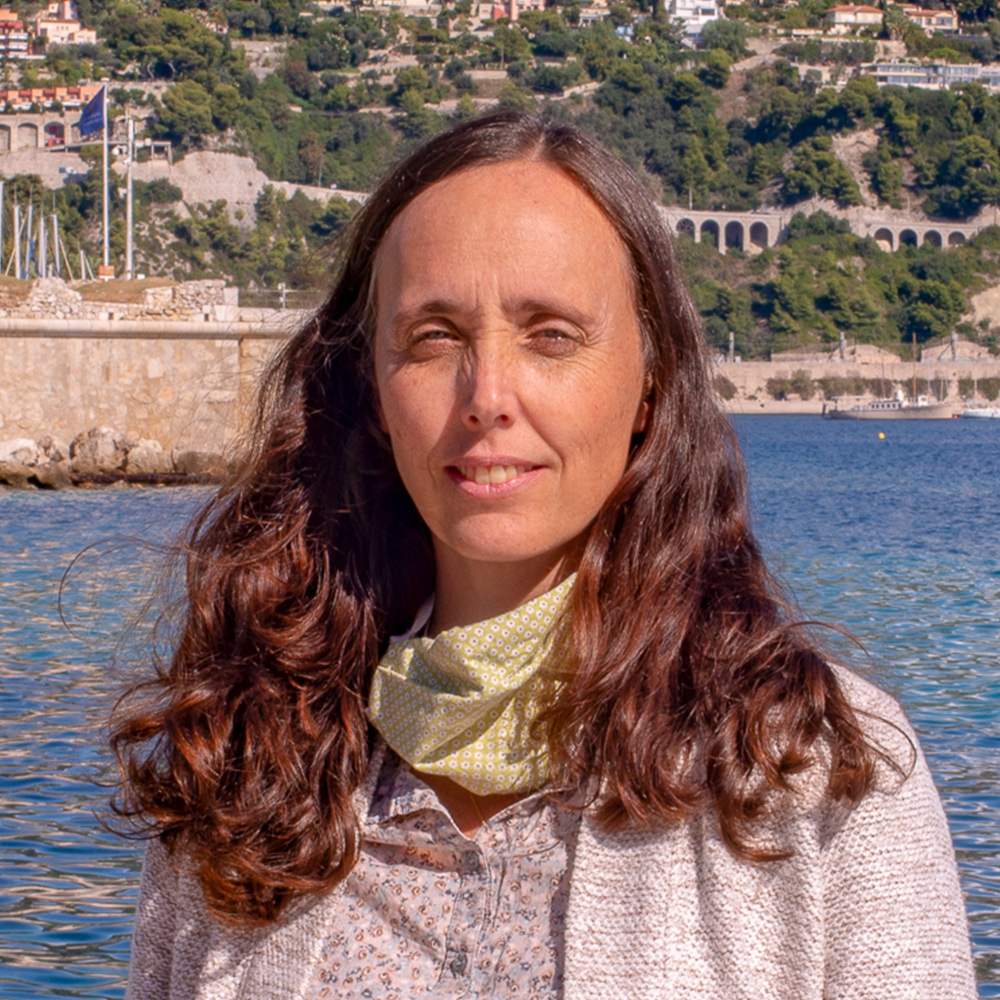
Joséphine Ras

Current position :

2001-present: Engineer

Status :

Permanent

Employer :

CNRS

Team(s) :

Hosting Lab :

LOV (UMR 7093)
IMEV (FR 3761)

Keywords :

phytoplankton communities, pigments, hplc, spectrophotometry, analytical platform

Complementary Information

1999: Master in Oceanography, University of Southampton, UK

Facilities

Staff

PUBLICATIONS BY

Joséphine Ras

49 documents 🔗 HAL Profile
  • Anabel von Jackowski, Quentin-Boris Barral, Nawal Bouchachi, Barbara Marie, Olivier Crispi, Paul Labatut, Karine Escoubeyrou, Charles-Hubert Paulin, Celine Dimier, Josephine Ras, Alexander Hayward, Eva Ortega-Retuerta. Organic Geochemistry (2024). ART
    Abstract

    Seasonality in light, temperature, and nutrient availability are well-known to regulate phytoplankton blooms and the bacterioplankton community. During the spring bloom, phytoplankton release biomolecules as part of the dissolved organic matter (DOM) pool exploited by the bacterioplankton. Here, we investigated the seasonal variability of phytoplankton biomass, enantiomers of dissolved hydrolyzable amino acids (DHAA), bacterioplankton abundances and community composition at the Microbial Observatory Laboratory Arago (MOLA) in the NW Mediterranean Sea from 2019 to 2021. Phytoplankton biomass estimated from pigment biomarkers suggests a spring bloom succession from cryptophytes, haptophytes, and prasinophytes in March to diatoms in April. The spring bloom coincided with a 50% increase in L-enantiomers of DHAA and an increase in bacterial abundance. After the spring bloom, elevated concentrations of D-enantiomers of DHAA and gamma-aminobutyric acid suggest bacterial processing of labile biomolecules contributed to the seasonal accumulation of dissolved organic carbon (DOC). Linking organic molecules with the free-living bacterioplankton community showed a seasonal succession of niches and substrate regimes. The parallel analysis of DOM and bacterioplankton community provides an important baseline for bacteria-substrate relationships over the seasonal cycle in the northwestern Mediterranean Sea.

  • Julia Uitz, Raphaëlle Sauzède, Louis Terrats, Renosh PANNIMPULLATH REMANAN, J. Ras, Céline Dimier, Catherine Schmechtig, Hervé Claustre. Ocean Science Meeting (2024). COMM
    Abstract

    Phytoplankton community composition significantly influences important biogeochemical processes, particularly the biological carbon pump. Assessing the global distribution and dynamics of main phytoplankton groups is therefore of the utmost importance. Taking advantage of the synoptic view of satellite ocean color and altimetry observations combined with vertically-resolved proles of chlorophyll fluorescence collected by the global BioGeoChemical-Argo (BGC-Argo) fleet, we previously developed a neural network-based approach to infer a global tridimensional (3D) gridded product of chlorophyll a (Chla), i.e. the SOCA-Chla method. Expanding upon SOCA-Chla, we introduce SOCA-PFT, a novel method for deriving a global 3D product of phytoplankton functional types (PFT). SOCA-PFT follows the same principle as SOCA-Chla but requires an initial step to enrich the training BGC-Argo database with the PFT information that would not otherwise be available. This step involves developing a neural network trained on a large-scale database of concurrent shipborne measurements of vertical proles of pigments determined by High Performance Liquid Chromatography (HPLC), fluorescence and temperature/salinity (T/S). Applied to the BGC-Argo database, this intermediate method yields a PFT-enriched BGC-Argo database, which is further matched up with satellite observations to train the SOCA-PFT method. The resulting global PFT product provides depth-resolved Chla associated with pico-, nano-, and microphytoplankton as well as concentrations of pigment biomarkers representing major phytoplankton groups. This new product is expected to be useful for various applications, from understanding the response of phytoplankton communities to environmental conditions, to improving the quantification of biogeochemical budgets or validating biogeochemical models that explicitly incorporate multiple phytoplankton groups.

  • J. Uitz, C. Roesler, E. Organelli, H. Claustre, C. Penkerc'H, S. Drapeau, E. Leymarie, A. Poteau, C. Schmechtig, C. Dimier, J. Ras, X. Xing, S. Blain. Journal of Geophysical Research. Oceans (2023). ART
    Abstract

    Abstract The Southern Ocean (SO) is known for its atypical bio‐optical regime. This complicates the interpretation of proxies measured from satellite and in situ platforms equipped with optical sensors, which occupy an important niche for monitoring the vast and remote SO. A ship‐based field study in concert with time series observations from BioGeoChemical‐Argo (BGC‐Argo) profiling floats were used to investigate spatial and temporal variations in bio‐optical relationships in the open ocean waters surrounding the Kerguelen Plateau in the Indian sector of the SO. Compared to other regions with similar chlorophyll concentrations, chlorophyll‐specific phytoplankton absorption in the blue waveband presented a consistent negative anomaly. The anomaly was uniform over deep mixed layers and correlated with phytoplankton size, photoacclimation and atypically high concentrations of fucoxanthin. The BGC‐Argo observation‐based proxies revealed that the blue absorption anomaly increased with chlorophyll concentration both spatially and temporally and, while particularly pronounced in the naturally iron‐fertilized waters, was also found in the High Nutrient Low Chlorophyll region. While phytoplankton size was an important driver of the anomaly, photoacclimation associated with self‐shading of phytoplankton cells was also involved during intense booms. The backscattering coefficient exhibited negative and positive anomalies in the low and high biomass regimes, respectively. The large positive anomaly in high biomass regimes was attributed to the variable non‐algal particles characteristics associated with a relatively high production of bloom by‐products. With clear understanding of the bio‐optical anomalies, BGC‐Argo floats stand as unique tools for monitoring the bio‐optical spatio‐temporal complexity of the SO.

  • Fabien Lombard, Guillaume Bourdin, Stéphane Pesant, Sylvain Agostini, Alberto Baudena, Emilie Boissin, Nicolas Cassar, Megan Clampitt, Pascal Conan, Ophélie da Silva, Céline Dimier, Éric Douville, Amanda Elineau, Jonathan Fin, J. Michel Flores, Jean-François Ghiglione, Benjamin C C Hume, Laetitia Jalabert, Seth G John, Rachel L. Kelly, Ilan Koren, Yajuan Lin, Dominique Marie, Ryan Mcminds, Zoé Mériguet, Nicolas Metzl, David A Paz-García, Maria Luiza Pedrotti, Julie Poulain, Mireille Pujo-Pay, Josephine Ras, Gilles Reverdin, Sarah Romac, Alice Rouan, Eric Röttinger, Assaf Vardi, Eric Gilson, Christian R Voolstra, Clémentine Moulin, Guillaume Iwankow, Bernard Banaigs, Chris Bowler, Colomban de Vargas, Didier Forcioli, Paola Furla, Pierre E Galand, Stéphanie Reynaud, Matthew B. Sullivan, Romain Troublé, Rebecca Vega Thurber, Shinichi Sunagawa, Olivier P Thomas, Patrick Wincker, Didier Zoccola, Serge Planes, Denis Allemand, Emmanuel Boss, Gabriel Gorsky. Scientific Data (2023). ART
    Abstract

    the Tara Pacific expedition (2016-2018) sampled coral ecosystems around 32 islands in the Pacific Ocean and the ocean surface waters at 249 locations, resulting in the collection of nearly 58 000 samples. The expedition was designed to systematically study warm-water coral reefs and included the collection of corals, fish, plankton, and seawater samples for advanced biogeochemical, molecular, and imaging analysis. Here we provide a complete description of the sampling methodology, and we explain how to explore and access the different datasets generated by the expedition. Environmental context data were obtained from taxonomic registries, gazetteers, almanacs, climatologies, operational biogeochemical models, and satellite observations. The quality of the different environmental measures has been validated not only by various quality control steps, but also through a global analysis allowing the comparison with known environmental large-scale structures. Such publicly released datasets open the perspective to address a wide range of scientific questions.

  • Flavienne Bruyant, Rémi Amiraux, Marie-Pier Amyot, Philippe Archambault, Lise Artigue, Lucas Barbedo de Freitas, Guislain Bécu, Simon Bélanger, Pascaline Bourgain, Annick Bricaud, Etienne Brouard, Camille Brunet, Tonya Burgers, Danielle Caleb, Katrine Chalut, Hervé Claustre, Marcel Babin, Antoine Sciandra, Veronique Cornet, Pierre Coupel, Marine Cusa, Fanny Cusset, Laeticia Dadaglio, Marty Davelaar, Gabrièle Deslongchamps, Céline Dimier, Julie Dinasquet, Dany Dumont, Brent Else, Igor Eulaers, Joannie Ferland, Gabrielle Filteau, Marie-Hélène Forget, Jérome Fort, Louis Fortier, Martí Galí, Morgane Gallinari, Svend-Erik Garbus, Nicole Garcia, Catherine Gérikas Ribeiro, Colline Gombault, Priscillia Gourvil, Clémence Goyens, Cindy Grant, Pierre-Luc Grondin, Pascal Guillot, Sandrine Hillion, Rachel Hussherr, Fabien Joux, Hannah Joy-Warren, Gabriel Joyal, David Kieber, Augustin Lafond, José Lagunas, Patrick Lajeunesse, Catherine Lalande, Jade Larivière, Florence Le Gall, Karine Leblanc, Mathieu Leblanc, Justine Legras, Keith Lévesque, Kate-M. Lewis, Edouard Leymarie, Aude Leynaert, Thomas Linkowski, Martine Lizotte, Adriana Lopes dos Santos, Claudie Marec, Dominique Marie, Guillaume Massé, Philippe Massicotte, Atsushi Matsuoka, Lisa A. Miller, Sharif Mirshak, Nathalie Morata, Brivaela Moriceau, Philippe-Israël Morin, Simon Morisset, Anders Mosbech, Alfonso Mucci, Gabrielle Nadaï, Christian Nozais, Ingrid Obernosterer, Thimoté Paire, Christos Panagiotopoulos, Marie Parenteau, Noémie Pelletier, Marc Picheral, Bernard Queguiner, Patrick Raimbault, Josephine Ras, Eric Rehm, Llúcia Ribot Lacosta, Jean-Francois Rontani, Blanche Saint-Béat, Julie Sansoulet, Noé Sardet, Catherine Schmechtig, Richard Sempere, Caroline Sévigny, Jordan Toullec, Margot Tragin, Jean-Éric Tremblay, Annie-Pier Trottier, Daniel Vaulot, Anda Vladoiu, Lei Xue, Gustavo Yunda-Guarin. Earth System Science Data (2022). ART
    Abstract

    The Green Edge project was designed to investigate the onset, life, and fate of a phytoplankton spring bloom (PSB) in the Arctic Ocean. The lengthening of the ice-free period and the warming of seawater, amongst other factors, have induced major changes in Arctic Ocean biology over the last decades. Because the PSB is at the base of the Arctic Ocean food chain, it is crucial to understand how changes in the Arctic environment will affect it. Green Edge was a large multidisciplinary, collaborative project bringing researchers and technicians from 28 different institutions in seven countries together, aiming at understanding these changes and their impacts on the future. The fieldwork for the Green Edge project took place over two years (2015 and 2016) and was carried out from both an ice camp and a research vessel in Baffin Bay, in the Canadian Arctic. This paper describes the sampling strategy and the dataset obtained from the research cruise, which took place aboard the Canadian Coast Guard ship (CCGS) Amundsen in late spring and early summer 2016. The sampling strategy was designed around the repetitive, perpendicular crossing of the marginal ice zone (MIZ), using not only ship-based station discrete sampling but also high-resolution measurements from autonomous platforms (Gliders, BGC-Argo floats …) and under-way monitoring systems. The dataset is available at https://doi.org/10.17882/86417 (Bruyant et al., 2022).

  • Flavien Petit, Julia Uitz, Catherine Schmechtig, Céline Dimier, Josephine Ras, Antoine Poteau, Melek Golbol, Vincenzo Vellucci, Hervé Claustre. Frontiers in Marine Science (2022). ART
    Abstract

    Influence of the phytoplankton community composition on the in situ fluorescence signal: Implication for an improved estimation of the chlorophyll-a concentration from BiogeoChemical-Argo profiling floats.

  • Philippe Massicotte, Rainer Amon, David Antoine, Philippe Archambault, Sergio Balzano, Simon Bélanger, Ronald Benner, Dominique Boeuf, Annick Bricaud, Flavienne Bruyant, Gwenaëlle Chaillou, Malik Chami, Bruno Charrière, Jianfang Chen, Hervé Claustre, Pierre Coupel, Nicole Delsaut, David Doxaran, Jens Ehn, Cédric Fichot, Marie-Hélène Forget, Pingqing Fu, Jonathan Gagnon, Nicole Garcia, Beat Gasser, Jean-François Ghiglione, Gabriel Gorsky, Michel Gosselin, Priscillia Gourvil, Yves Gratton, Pascal Guillot, Hermann J. Heipieper, Serge Heussner, Stanford B. Hooker, Yannick Huot, Christian Jeanthon, Wade Jeffrey, Fabien Joux, Kimitaka Kawamura, Bruno Lansard, Edouard Leymarie, Heike Link, Connie Lovejoy, Claudie Marec, Dominique Marie, Johannie Martin, Jacobo Martin, Guillaume Massé, Atsushi Matsuoka, Vanessa Mckague, Alexandre Mignot, William L. Miller, Juan-Carlos Miquel, Alfonso Mucci, Kaori Ono, Eva Ortega-Retuerta, Christos Panagiotopoulos, Timothy Papakyriakou, Marc Picheral, Dieter Piepenburg, Louis Prieur, Patrick Raimbault, Josephine Ras, Rick A. Reynolds, André Rochon, Jean-Francois Rontani, Catherine Schmechtig, Sabine Schmidt, Richard Sempere, Yuan Shen, Guisheng Song, Dariusz Stramski, Eri Tachibana, Alexandre Thirouard, Imma Tolosa, Jean-Éric Tremblay, Mickael Vaïtilingom, Daniel Vaulot, Frederic Vaultier, John K. Volkman, Jorien E. Vonk, Huixiang Xie, Guangming Zheng, Marcel Babin. Earth System Science Data (2021). ART
    Abstract

    The MALINA oceanographic campaign was conducted during summer 2009 to investigate the carbon stocks and the processes controlling the carbon fluxes in the Mackenzie River estuary and the Beaufort Sea. Dur- ing the campaign, an extensive suite of physical, chemical and biological variables was measured across seven shelf–basin transects (south-north) to capture the meridional gradient between the estuary and the open ocean.Key variables such as temperature, absolute salinity, radiance, irradiance, nutrient concentrations, chlorophyll-a concentration, bacteria, phytoplankton and zooplankton abundance and taxonomy, and carbon stocks and fluxes were routinely measured onboard the Canadian research icebreaker CCGS Amundsen and from a barge in shallow coastal areas or for sampling within broken ice fields. Here, we present the results of a joint effort to tidy and standardize the collected data sets that will facilitate their reuse in further studies of the changing Arctic Ocean.

  • Philippe Massicotte, Rémi Amiraux, Marie-Pier Amyot, Philippe Archambault, Mathieu Ardyna, Laurent Arnaud, Lise Artigue, Cyril Aubry, Pierre Ayotte, Guislain Bécu, Simon Bélanger, Ronald Benner, Henry Bittig, Annick Bricaud, Éric Brossier, Flavienne Bruyant, Laurent Chauvaud, Debra Christiansen-Stowe, Hervé Claustre, Veronique Cornet, Pierre Coupel, Christine Cox, Aurelie Delaforge, Thibaud Dezutter, Céline Dimier, Florent Dominé, Francis Dufour, Christiane Dufresne, Dany Dumont, Jens Ehn, Brent G.T. Else, Joannie Ferland, Marie-Hélène Forget, Louis Fortier, Marti Gali, Virginie Galindo, Morgane Gallinari, Nicole Garcia, Catherine Gérikas-Ribeiro, Margaux Gourdal, Priscillia Gourvil, Clémence Goyens, Pierre-Luc Grondin, Pascal Guillot, Caroline Guilmette, Marie-Noëlle Houssais, Fabien Joux, Leo Lacour, Thomas Lacour, Augustin Lafond, José Lagunas, Catherine Lalande, Julien Laliberté, Simon Lambert-Girard, Jade Larivière, Johann Lavaud, Anita Lebaron, Karine Leblanc, Florence Le Gall, Justine Legras, Mélanie Lemire, Maurice Levasseur, Edouard Leymarie, Aude Leynaert, Adriana Lopes dos Santos, Antonio Lourenço, David Mah, Claudie Marec, Dominique Marie, Nicolas Martin, Constance Marty, Sabine Marty, Guillaume Massé, Atsushi Matsuoka, Lisa Matthes, Brivaëla Moriceau, Pierre-Emmanuel Muller, Christopher-John Mundy, Griet Neukermans, Laurent Oziel, Christos Panagiotopoulos, Jean-Jacques Pangrazi, Ghislain Picard, Marc Picheral, France Pinczon Du Sel, Nicole Pogorzelec, Ian Probert, Bernard Queguiner, Patrick Raimbault, Josephine Ras, Eric Rehm, Erin Reimer, Jean-Francois Rontani, Søren Rysgaard, Blanche Saint-Béat, Makoto Sampei, Julie Sansoulet, Catherine Schmechtig, Sabine Schmidt, Richard Sempere, Caroline Sévigny, Yuan Shen, Margot Tragin, Jean-Éric Tremblay, Daniel Vaulot, Gauthier Verin, Frédéric Vivier, Anda Vladoiu, Jeremy Whitehead, Marcel Babin. Earth System Science Data : Papers in open discussion (2020). ART
    Abstract

    The Green Edge initiative was developed to investigate the processes controlling the primary productivity and the fate of organic matter produced during the Arctic phytoplankton spring bloom (PSB) and to determine its role in the ecosystem. Two field campaigns were conducted in 2015 and 2016 at an ice camp located on landfast sea ice southeast of Qikiqtarjuaq Island in Baffin Bay (67.4797N, 63.7895W). During both expeditions, a large suite of physical, chemical and biological variables was measured beneath a consolidated sea ice cover from the surface to the bottom at 360 m depth to better understand the factors driving the PSB. Key variables such as temperature, salinity, radiance, irradiance, nutrient concentrations, chlorophyll-a concentration, bacteria, phytoplankton and zooplankton abundance and taxonomy, carbon stocks and fluxes were routinely measured at the ice camp. Here, we present the results of a joint effort to tidy and standardize the collected data sets that will facilitate their reuse in other Arctic studies. The dataset is available at http://www.seanoe.org/data/00487/59892/ (Massicotte et al., 2019a).

  • Mathieu Ardyna, C.J. Mundy, Matthew M. Mills, Laurent Oziel, Pierre-Luc Grondin, Leo Lacour, Gauthier Verin, Gert van Dijken, Josephine Ras, Eva Alou-Font, Marcel Babin, Michel Gosselin, Jean-Eric Tremblay, Patrick Raimbault, Philipp Assmy, Marcel Nicolaus, Hervé Claustre, Kevin R. Arrigo. Elementa: Science of the Anthropocene (2020). ART
    Abstract

    The decline of sea-ice thickness, area, and volume due to the transition from multi-year to first-year sea ice has improved the under-ice light environment for pelagic Arctic ecosystems. One unexpected and direct consequence of this transition, the proliferation of under-ice phytoplankton blooms (UIBs), challenges the paradigm that waters beneath the ice pack harbor little planktonic life. Little is known about the diversity and spatial distribution of UIBs in the Arctic Ocean, or the environmental drivers behind their timing, magnitude, and taxonomic composition. Here, we compiled a unique and comprehensive dataset from seven major research projects in the Arctic Ocean (11 expeditions, covering the spring sea-ice-covered period to summer ice-free conditions) to identify the environmental drivers responsible for initiating and shaping the magnitude and assemblage structure of UIBs. The temporal dynamics behind UIB formation are related to the ways that snow and sea-ice conditions impact the under-ice light field. In particular, the onset of snowmelt significantly increased under-ice light availability (>0.1–0.2 mol photons m–2 d–1), marking the concomitant termination of the sea-ice algal bloom and initiation of UIBs. At the pan-Arctic scale, bloom magnitude (expressed as maximum chlorophyll a concentration) was predicted best by winter water Si(OH)4 and PO43– concentrations, as well as Si(OH)4:NO3– and PO43–:NO3– drawdown ratios, but not NO3– concentration. Two main phytoplankton assemblages dominated UIBs (diatoms or Phaeocystis), driven primarily by the winter nitrate:silicate (NO3–:Si(OH)4) ratio and the under-ice light climate. Phaeocystis co-dominated in low Si(OH)4 (i.e., NO3:Si(OH)4 molar ratios >1) waters, while diatoms contributed the bulk of UIB biomass when Si(OH)4 was high (i.e., NO3:Si(OH)4 molar ratios <1). The implications of such differences in UIB composition could have important ramifications for Arctic biogeochemical cycles, and ultimately impact carbon flow to higher trophic levels and the deep ocean.

  • Vincent Taillandier, Thibaut Wagener, Fabrizio d'Ortenzio, Nicolas Mayot, Hervé Le Goff, Josephine Ras, Laurent Coppola, Orens Pasqueron de Fommervault, Catherine Schmechtig, Emilie Diamond, Henry Bittig, Dominique Lefèvre, Edouard Leymarie, Antoine Poteau, Louis Prieur. Earth System Science Data (2018). ART
    Abstract

    We report on data from an oceanographic cruise, covering western, central and eastern parts of the Mediterranean Sea, on the French research vessel Tethys 2 in May 2015. This cruise was fully dedicated to the maintenance and the metrological verification of a biogeochemical observing system based on a fleet of BGC-Argo floats. During the cruise, a comprehensive data set of parameters sensed by the autonomous network was collected. The measurements include ocean currents, seawater salinity and temperature, and concentrations of inorganic nutrients, dissolved oxygen and chlorophyll pigments. The analytical protocols and data processing methods are detailed, together with a first assessment of the calibration state for all the sensors deployed during the cruise.

  • Karine Leblanc, Veronique Cornet, Peggy Rimmelin-Maury, Olivier Grosso, Sandra Helias Nunige, Camille Brunet, Hervé Claustre, Josephine Ras, Nathalie Leblond, Bernard Queguiner. Biogeosciences (2018). ART
    Abstract

    This article presents data regarding the Si bio-geochemical cycle during two oceanographic cruises conducted in the tropical South Pacific (BIOSOPE and OUT-PACE cruises) in 2005 and 2015. It involves the first Si stock measurements in this understudied region, encompassing various oceanic systems from New Caledonia to the Chilean upwelling between 8 and 34 • S. Some of the lowest levels of biogenic silica standing stocks ever measured were found in this area, notably in the southern Pacific gyre, where Chlorophyll a concentrations are the most depleted worldwide. Integrated biogenic silica stocks are as low as 1.08 ± 0.95 mmol m −2 and are the lowest stocks measured in the South Pacific. Size-fractionated biogenic sil-ica concentrations revealed a non-negligible contribution of the pico-sized fraction (<2-3 µm) to biogenic silica standing stocks, representing 26% ± 12% of total biogenic sil-ica during the OUTPACE cruise and 11% ± 9% during the BIOSOPE cruise. These results indicate significant accumulation in this size class, which was undocumented for 2005, but has since then been related to Si uptake by Synechococcus cells. Si uptake measurements carried out during BIOSOPE confirmed biological Si uptake by this size fraction. We further present diatoms community structure associated with the stock measurements for a global overview of the Si cycle in the tropical South Pacific.

  • Collin Roesler, Julia Uitz, Hervé Claustre, Emmanuel Boss, Xiaogang Xing, Emanuele Organelli, Nathan Briggs, Annick Bricaud, Catherine Schmechtig, Antoine Poteau, Fabrizio d'Ortenzio, Josephine Ras, Susan Drapeau, Nils Haëntjens, Marie Barbieux. Limnology and Oceanography: Methods (2017). ART
    Abstract

    Chlorophyll fluorometers provide the largest in situ global data set for estimating phytoplankton biomass because of their ease of use, size, power consumption, and relatively low price. While in situ chlorophyll a (Chl) fluorescence is proxy for Chl a concentration, and hence phytoplankton biomass, there exist large natural variations in the relationship between in situ fluorescence and extracted Chl a concentration. Despite this large natural variability, we present here a global validation data set for the WET Labs Environmental Characterization Optics (ECO) series chlorophyll fluorometers that suggests a factor of 2 overestimation in the factory calibrated Chl a estimates for this specific manufacturer and series of sensors. We base these results on paired High Pressure Liquid Chromatography (HPLC) and in situ fluorescence match ups for which non-photochemically quenched fluorescence observations were removed. Additionally, we examined match-ups between the factory-calibrated in situ fluorescence and estimates of chlorophyll concentration determined from in situ radiometry, absorption line height, NASA's standard ocean color algorithm as well as laboratory calibrations with phytoplankton monocultures spanning diverse species that support the factor of 2 bias. We therefore recommend the factor of 2 global bias correction be applied for the WET Labs ECO sensors , at the user level, to improve the global accuracy of chlorophyll concentration estimates and products derived from them. We recommend that other fluorometer makes and models should likewise undergo global analyses to identify potential bias in factory calibration.

  • Mauro Celussi, Alessandra A. Gallina, Josephine Ras, Michele Giani, Paola del Negro. Aquatic Microbial Ecology (2015). ART
    Abstract

    Marine photoheterotrophic microorganisms are capable of using light to meet their energy requirements and organic compounds as both carbon and energy sources. We still have little knowledge of the extent to which stimulation of these microorganisms by light could affect the estimates of organic carbon uptake. We evaluated the light and dark prokaryotic organic carbon uptake (H-3-leucine) rates in a grid of stations covering the whole Adriatic Sea during winter and late summer. Light-exposed (photosynthetically active radiation and ultraviolet radiation [UVR]) surface samples were either unaffected, photostimulated or photoinhibited without any clear geographical or seasonal pattern. Light-enhanced leucine uptake occurred only in 23% of assays, suggesting that photoheterotrophy is not a major metabolic strategy and/or it is often counterbalanced by negative effects caused by UVR. Concentrations of bacteriochlorophyll a, zeaxanthin and divinyl chlorophyll a were measured in order to relate 3H-leucine uptake to the distribution of aerobic anoxygenic photo trophs (AAPs), total Cyanobacteria and Prochlorococcus populations, respectively, together with direct estimates of total prokaryotes and Synechococcus abundance. No relationship between light-enhanced leucine uptake and presence of picocyanobacteria or AAPs was evident. Divinyl chlorophyll a concentration was below the limit of detection in February, whereas in late summer the highest values were found around 50 m depth in the central and southern basins. In contrast, bacteriochlorophyll a concentration was correlated to total prokaryote abundance and dissolved organic carbon. Since locally leucine uptake in the light was markedly different from dark controls, in situ light incubations should be more appropriate than dark incubations when carbon budget calculations are intended.

  • Raphaëlle Sauzède, Hervé Claustre, C. Jamet, Julia Uitz, Josephine Ras, A. Mignot, F. d'Ortenzio. Journal of Geophysical Research. Oceans (2015). ART
    Abstract

    A neural network-based method is developed to assess the vertical distribution of (1) chlorophyll a concentration ([Chl]) and (2) phytoplankton community size indices (i.e., microphytoplankton, nanophytoplankton, and picophytoplankton) from in situ vertical profiles of chlorophyll fluorescence. This method (FLAVOR for Fluorescence to Algal communities Vertical distribution in the Oceanic Realm) uses as input only the shape of the fluorescence profile associated with its acquisition date and geo-location. The neural network is trained and validated using a large database including 896 concomitant in situ vertical profiles of High-Performance Liquid Chromatography (HPLC) pigments and fluorescence. These profiles were collected during 22 oceanographic cruises representative of the global ocean in terms of trophic and oceanographic conditions, making our method applicable to most oceanic waters. FLAVOR is validated with respect to the retrieval of both [Chl] and phytoplankton size indices using an independent in situ data set and appears to be relatively robust spatially and temporally. To illustrate the potential of the method, we applied it to in situ measurements of the BATS (Bermuda Atlantic Time Series Study) site and produce monthly climatologies of [Chl] and associated phytoplankton size indices. The resulting climatologies appear very promising compared to climatologies based on available in situ HPLC data. With the increasing availability of spatially and temporally well-resolved data sets of chlorophyll fluorescence, one possible global-scale application of FLAVOR could be to develop 3-D and even 4-D climatologies of [Chl] and associated composition of phytoplankton communities. The Matlab and R codes of the proposed algorithm are provided as supporting information.

  • M. Lasbleiz, Karine Leblanc, S. Blain, J. Ras, Veronique Cornet, S. Hélias Nunige, Bernard Queguiner. Biogeosciences (2014). ART
    Abstract

    The particulate matter distribution and phyto-plankton community structure of the iron-fertilized Ker-guelen region were investigated in early austral spring (October–November 2011) during the KEOPS2 cruise. The iron-fertilized region was characterized by a complex mesoscale circulation resulting in a patchy distribution of particulate matter. Integrated concentrations over 200 m ranged from 72.2 to 317.7 mg m −2 for chlorophyll a 314 to 744 mmol m −2 for biogenic silica (BSi), 1106 to 2268 mmol m −2 for particulate organic carbon, 215 to 436 mmol m −2 for particulate organic nitrogen, and 29.3 to 39.0 mmol m −2 for particulate organic phosphorus. Three distinct high biomass areas were identified: the coastal waters of Kerguelen Islands, the easternmost part of the study area in the polar front zone, and the southeastern Kergue-len Plateau. As expected from previous artificial and natural iron-fertilization experiments, the iron-fertilized areas were characterized by the development of large diatoms revealed by BSi size–fractionation and high performance liquid chromatography (HPLC) pigment signatures, whereas the iron-limited reference area was associated with a low biomass dominated by a mixed (nanoflagellates and diatoms) phy-toplankton assemblage. A major difference from most previous artificial iron fertilization studies was the observation of much higher Si : C, Si : N, and Si : P ratios (0.31 ± 0.16, 1.6 ± 0.7 and 20.5 ± 7.9, respectively) in the iron-fertilized areas compared to the iron-limited reference station (0.13, 1.1, and 5.8, respectively). A second difference is the patchy response of the elemental composition of phytoplankton communities to large scale natural iron fertilization. Comparison to the previous KEOPS1 cruise also allowed to address the seasonal dynamics of phytoplankton bloom over the southeastern plateau. From particulate organic carbon (POC), particulate organic nitrogen (PON), and BSi evolu-tions, we showed that the elemental composition of the particulate matter also varies at the seasonal scale. This temporal evolution followed changes of the phytoplankton community structure as well as major changes in the nutrient stocks progressively leading to silicic acid exhaustion at the end of the productive season. Our observations suggest that the specific response of phy-toplankton communities under natural iron fertilization is much more diverse than what has been regularly observed in artificial iron fertilization experiments and that the elemental composition of the bulk particulate matter reflects phyto-plankton taxonomic structure rather than being a direct consequence of iron availability.

  • Marc Picheral, Sarah Searson, Vincent Taillandier, Annick Bricaud, Emmanuel Boss, Josephine Ras, Hervé Claustre, Mustapha Ouhssain, Pascal Morin, Laurent Coppola, Jean-Pierre Gattuso, Nicolas Metzl, Doris Thuillier, Gabriel Gorsky, (team) Tara Oceans Consortium Coordinators, (team) Tara Oceans Expedition Participants. OTHER
    Abstract

    The present data publication provides permanent links to original and updated versions of validated data files. The data files include properties of seawater, particulate matter and dissolved matter that were measured from discrete water samples collected with Niskin bottles during the 2009-2013 Tara Oceans expedition. Properties include pigment concentrations from HPLC analysis (10 depths per vertical profile, 25 pigments per depth), the carbonate system (Surface and 400m; pH (total scale), CO<sub>2</sub>, pCO<sub>2</sub>, <em>f</em>CO<sub>2</sub>, HCO<sub>3</sub>, CO<sub>3</sub>, Total alkalinity, Total carbon, OmegaAragonite, OmegaCalcite, and dosage Flags), nutrients (10 depths per vertical profile; NO<sub>2</sub>, PO<sub>4</sub>, NO<sub>2</sub>/NO<sub>3</sub>, SI, quality Flags), DOC, CDOM, and dissolved oxygen isotopes. The Service National d'Analyse des Paramètres Océaniques du CO<sub>2</sub>, at the Université Pierre et Marie Curie, determined CT and AT potentiometrically (Edmond 1970; DOE 1994) on samples preserved according to Dickson et al. (2007). More than 250 vertical profiles of these properties were made across the world ocean. DOC, CDOM and dissolved oxygen isotopes are available only for the Arctic Ocean and Arctic Seas (2013).

  • Emmanuel Boss, Marc Picheral, Thomas Leeuw, Alison Chase, Eric Karsenti, Gabriel Gorsky, Lisa Taylor, Wayne Slade, Josephine Ras, Hervé Claustre. Methods in Oceanography (2013). ART
    Abstract

    A dataset consisting of AC-S measurements of (hyper-) spectral particulate absorption, scattering and attenuation coefficients were obtained from measurements performed on the flow-through system of the R/V Tara during its 2.5-year long expedition.The AC-S instruments were robust, working continuously with weekly maintenance for about 3 months at a time, and provided absorption (attenuation) data for 454 (375) days, or 90% (75%) of total possible days during the expedition.This dataset has been mapped to 1 km×1 km bins to avoid over emphasizing redundant data, and to match the spatial scale of typical ocean color satellite sensors. It consists of nearly 70,000 particulate absorption spectra and about 60,000 particulate scattering and attenuation spectra. These data are found to be consistent with chlorophyll extraction and with the published average shapes of particulate absorption and scattering spectra and bio-optical relationships. This dataset is richer than previous ones in the data from open-ocean (oligotrophic) environments making it more representative of global distributions and of utility for global algorithm development.

  • J. Peloquin, C. Swan, N. Gruber, M. Vogt, Hervé Claustre, J. Ras, J. Uitz, R. Barlow, M. Behrenfeld, R. Bidigare, H. Dierssen, G. Ditullio, E. Fernandez, C. Gallienne, S. Gibb, R. Goericke, L. Harding, E. Head, P. Holligan, S. Hooker, D. Karl, M. Landry, R. Letelier, C. A Llewellyn, M. Lomas, M. Lucas, A. Mannino, J.-C. Marty, B. G Mitchell, F. Muller-Karger, N. Nelson, C. O'Brien, B. Prezelin, D. Repeta, W. O Jr. Smith, D. Smythe-Wright, R. Stumpf, A. Subramaniam, K. Suzuki, C. Trees, M. Vernet, N. Wasmund, S. Wright. Earth System Science Data (2013). ART
    Abstract

    Abstract. A global pigment database consisting of 35 634 pigment suites measured by high performance liquid chromatography was assembled in support of the MARine Ecosytem DATa (MAREDAT) initiative. These data originate from 136 field surveys within the global ocean, were solicited from investigators and databases, compiled, and then quality controlled. Nearly one quarter of the data originates from the Laboratoire d'Océanographie de Villefranche (LOV), with an additional 17% and 19% stemming from the US JGOFS and LTER programs, respectively. The MAREDAT pigment database provides high quality measurements of the major taxonomic pigments including chlorophylls a and b, 19'-butanoyloxyfucoxanthin, 19'-hexanoyloxyfucoxanthin, alloxanthin, divinyl chlorophyll a, fucoxanthin, lutein, peridinin, prasinoxanthin, violaxanthin and zeaxanthin, which may be used in varying combinations to estimate phytoplankton community composition. Quality control measures consisted of flagging samples that had a total chlorophyll a concentration of zero, had fewer than four reported accessory pigments, or exceeded two standard deviations of the log-linear regression of total chlorophyll a with total accessory pigment concentrations. We anticipate the MAREDAT pigment database to be of use in the marine ecology, remote sensing and ecological modeling communities, where it will support model validation and advance our global perspective on marine biodiversity. The original dataset together with quality control flags as well as the gridded MAREDAT pigment data may be downloaded from PANGAEA: http://doi.pangaea.de/10.1594/PANGAEA.793246.

  • Alison Chase, Emmanuel Boss, Ronald Zaneveld, Annick Bricaud, Hervé Claustre, Josephine Ras, Giorgio Dall'Olmo, Toby K. Westberry. Methods in Oceanography (2013). ART
    Abstract

    A global dataset of in situ particulate absorption spectra has been decomposed into component functions representing absorption by phytoplankton pigments and non-algal particles. The magnitudes of component Gaussian functions, used to represent absorption by individual or groups of pigments, are well correlated with pigment concentrations determined using High Performance Liquid Chromatography. We are able to predict the presence of chlorophylls a , b, and c, as well as two different groups of summed carotenoid pigments with percent errors between 30% and 57%. Existing methods of analysis of particulate absorption spectra measured in situ provide for only chlorophyll a; the method presented here, using high spectral resolution particulate absorption, shows the ability to obtain the concentrations of additional pigments, allowing for more detailed studies of phytoplankton ecology than currently possible with in-situ spectroscopy.

  • Xiaogang Xing, Hervé Claustre, Stéphane Blain, Fabrizio d'Ortenzio, David Antoine, Josephine Ras, Christophe Guinet. Limnology and Oceanography: Methods (2012). ART
    Abstract

    As the proxy for Chlorophyll a (Chl a) concentration, thousands of fluorescence profiles were measured by instrumented elephant seals in the Kerguelen region (Southern Ocean). For accurate retrieval of Chl a concentrations acquired by in vivo fluorometer, a two-step procedure is applied: 1) A predeployment intercalibration with accurate determination by high performance liquid chromatography (HPLC) analysis, which not only calibrates fluorescence in appropriate Chl a concentration units, but also strongly reduces variability between fluorometers, and 2) a profile-by-profile quenching correction analysis, which effectively eliminates the fluorescence quenching issue at surface around noon, and results in consistent profiles between day and night. The quenching correction is conducted through an extrapolation of the deep fluorescence value toward surface. As proved by a validation procedure in the Western Mediterranean Sea, the correction method is practical and relatively reliable when there is no credible reference, especially for deep mixed waters, as in the Southern Ocean. Even in the shallow mixed waters, the method is also effective in reducing the influence of quenching.

  • Sauveur Belviso, I. Masotti, A. Tagliabue, Laurent Bopp, Patrick Brockmann, C. Fichot, G. Caniaux, L. Prieur, J. Ras, J. Uitz, Hubert Loisel, David Dessailly, Séverine Alvain, N. Kasamatsu, M. Fukushi. Biogeochemistry (2012). ART
    Abstract

    The influences of physico-chemical and biological processes on dimethylsulfide (DMS) dynamics in the most oligotrophic subtropical zones of the global ocean were investigated. As metrics for the dynamics of DMS and the so-called 'summer DMS paradox' of elevated summer concentrations when surface chlorophyll a (Chl) and particulate organic carbon (POC) levels are lowest, we used the DMS-toChl and DMS-to-POC ratios in the context of three independent and complementary approaches. Firstly, field observations of environmental variables (such as the solar radiation dose, phosphorus limitation of phytoplankton and bacterial growth) were used alongside discrete DMS, Chl and POC estimates extracted from global climatologies (i.e., a 'station based' approach). We then used monthly climatological data for DMS, Chl, and POC averaged over the biogeographic province wherein a given oligotrophic subtropical zone resides (i.e., a 'province based

  • D. Lamy, Christian Jeanthon, M. T. Cottrell, D. L. Kirchman, France van Wambeke, J. Ras, Océane Dahan, Mireille Pujo-Pay, L. Oriol, L. Bariat, P. Catala, Veronique Cornet, P. Lebaron. Biogeosciences (2011). ART
    Abstract

    Aerobic anoxygenic phototrophic (AAP) bacteria are photoheterotrophic prokaryotes able to use both light and organic substrates for energy production. They are widely distributed in coastal and oceanic environments and may contribute significantly to the carbon cycle in the upper ocean. To better understand questions regarding links between the ecology of these photoheterotrophic bacteria and the trophic status of water masses, we examined their horizontal and vertical distribution and the effects of nutrient additions on their growth along an oligotrophic gradient in the Mediterranean Sea. Concentrations of bacteriochlorophyll-a (BChl-a) and AAP bacterial abundance decreased from the western to the eastern basin of the Mediterranean Sea and were linked with concentrations of chlorophyll-a, nutrient and dissolved organic carbon. Inorganic nutrient and glucose additions to surface seawater samples along the oligotrophic gradient revealed that AAP bacteria were nitrogen-and carbon-limited in the ultraoligotrophic eastern basin. The intensity of the AAP bacterial growth response generally differed from that of the total bacterial growth response. BChl-a quota of AAP bacterial communities was significantly higher in the eastern basin than in the western basin, suggesting that reliance on phototrophy varied along the oligotrophic gradient and that nutrient and/or carbon limitation favors BChl-a synthesis.

  • A. Mignot, Hervé Claustre, F. d'Ortenzio, X. Xing, A. Poteau, J. Ras. Biogeosciences (2011). ART
    Abstract

    In vivo fluorescence of Chlorophyll-a (Chl-a) is a potentially useful property to study the vertical distribution of phytoplankton biomass. However the technique is presently not fully exploited as it should be, essentially because of the difficulties in converting the fluorescence signal into an accurate Chl-a concentration. These difficulties arise noticeably from natural variations in the Chl-a fluores-cence relationship, which is under the control of community composition as well as of their nutrient and light status. As a consequence, although vertical profiles of fluores-cence are likely the most recorded biological property in the open ocean, the corresponding large databases are underex-ploited. Here with the aim to convert a fluorescence profile into a Chl-a concentration profile, we test the hypothesis that the Chl-a concentration can be gathered from the sole knowledge of the shape of the fluorescence profile. We analyze a large dataset from 18 oceanographic cruises conducted in case-1 waters from the highly stratified hyperoligotrophic waters (surface Chl-a = 0.02 mg m −3) of the South Pacific Gyre to the eutrophic waters of the Benguela upwelling (sur-face Chl-a = 32 mg m −3) and including the very deep mixed waters in the North Atlantic (Mixed Layer Depth = 690 m). This dataset encompasses more than 700 vertical profiles of Chl-a fluorescence as well as accurate estimations of Chl-a by High Performance Liquid Chromatography (HPLC). Two typical fluorescence profiles are identified, the uniform profile , characterized by a homogeneous layer roughly corresponding to the mixed layer, and the non-uniform profile, characterized by the presence of a Deep Chlorophyll Maximum. Using appropriate mathematical parameterizations, a fluorescence profile is subsequently represented by 3 or 5 shape parameters for uniform or non-uniform profiles, respectively. For both situations, an empirical model is de-Correspondence to: A. Mignot () veloped to predict the "true" Chl-a concentration from these shape parameters. This model is then used to calibrate a flu-orescence profile in Chl-a units. The validation of the approach provides satisfactory results with a median absolute percent deviation of 33 % when comparing the HPLC Chl-a profiles to the Chl-a-calibrated fluorescence. The proposed approach thus opens the possibility to produce Chl-a clima-tologies from uncalibrated fluorescence profile databases that have been acquired in the past and to which numerous new profiles will be added, thanks to the recent availability of autonomous platforms (profiling floats, gliders and animals) in-strumented with miniature fluorometers.

  • D Lamy, P de Carvalho-Maalouf, M. T. Cottrell, Raphaël Lami, P. Catala, L. Oriol, J. Caparros, J. Ras, D. L. Kirchman, P. Lebaron. Aquatic Microbial Ecology (2011). ART
    Abstract

    Aerobic anoxygenic phototrophic (AAnP) bacteria are bacteriochlorophyll a (BChl a)- containing prokaryotes that can use both dissolved organic matter and light as energy sources. AAnP bacteria are widely distributed in aquatic environments where they are expected to play an important role in carbon cycling. However, little is known about their spatio-temporal distribution in marine ecosystems. In this study we examined the dynamics of AAnP bacteria in a coastal saline lagoon from November 2007 to September 2008. AAnP cells were enumerated by infrared (IR) microscopy, and BChl a concentrations were measured by both IR kinetic fluorometry and high-performance liquid chromatography (HPLC). The distribution of AAnP bacteria varied seasonally, but no clear spatial pat- tern emerged. The abundance of these bacteria ranged from 1.0 to 13.5 × 10⁴ cells ml–1 from winter to summer, comprising 0.1 to 3% of total bacterial abundance. Size fractionation of the BChl a fluores- cence signal showed that AAnP bacteria were mainly particle-attached in winter and free-living in spring and summer. BChl a concentrations (up to 108.7 ng l–1), BChl a content per cell (up to 1.7 fg cell–1) and the ratios of BChl a to chlorophyll a (chl a) (up to 15%) were high in spring and summer, suggesting that AAnP bacteria contributed significantly at this time to photosynthetically driven en- ergy production in the lagoon. Temperature and light were the main factors driving seasonal varia- tions in the abundance of AAnP bacteria, while total bacterial abundance was closely related to varia- tions in the concentration of dissolved organic carbon. These results highlight for the first time the numerical importance and the dynamics of AAnP bacteria in a coastal lagoon.

  • Daniella Mella-Flores, S. Mazard, Florian Humily, Frédéric Partensky, Frédéric Mahé, L. Bariat, C. Courties, Marie Dominique, J. Ras, R. Mauriac, Christian Jeanthon, El Mahdi Bendif, M. Ostrowski, D. J. Scanlan, Laurence Garczarek. Biogeosciences (2011). ART
    Abstract

    Biological communities populating the Mediterranean Sea, which is situated at the northern boundary of the subtropics, are often claimed to be particularly affected by global warming. This is indicated, for instance, by the introduction of (sub) tropical species of fish or invertebrates that can displace local species. This raises the question of whether microbial communities are similarly affected, especially in the Levantine basin where sea surface temperatures have significantly risen over the last 25 years (0.50 +/- 0.11 degrees C in average per decade, P < 0.01). In this paper, the genetic diversity of the two most abundant members of the phytoplankton community, the picocyanobacteria Prochlorococcus and Synechococcus, was examined during two cruises through both eastern and western Mediterranean Sea basins held in September 1999 (PROSOPE cruise) and in June-July 2008 (BOUM cruise). Diversity was studied using dot blot hybridization with clade-specific 16S rRNA oligonucleotide probes and/or clone libraries of the 16S-23S ribosomal DNA Internal Transcribed Spacer (ITS) region, with a focus on the abundance of clades that may constitute bioindicators of warm waters. During both cruises, the dominant Prochlorococcus clade in the upper mixed layer at all stations was HLI, a clade typical of temperate waters, whereas the HLII clade, the dominant group in (sub) tropical waters, was only present at very low concentrations. The Synechococcus community was dominated by clades I, III and IV in the northwestern waters of the Gulf of Lions and by clade III and groups genetically related to clades WPC1 and VI in the rest of the Mediterranean Sea. In contrast, only a few sequences of clade II, a group typical of warm waters, were observed. These data indicate that local cyanobacterial populations have not yet been displaced by their ( sub) tropical counterparts.

  • Hubert Loisel, Vincent Vantrepotte, K. Norkvist, Xavier Mériaux, M. Kheireddine, J. Ras, Mireille Pujo-Pay, Y. Crombet, Karine Leblanc, G. Dall'Olmo, Romain Mauriac, David Dessailly, Thierry Moutin. Biogeosciences (2011). ART
    Abstract

    The variability of inherent optical properties is investigated in the ultra-oligotrophic waters of the Mediterranean Sea sampled during the BOUM experiment performed during early summer 2008. Bio-optical relationships found for ultra-oligotrophic waters of the three anticyclonic gyres sampled significantly depart from the mean standard relationships provided for the global ocean, confirming the peculiar character of these Mediterranean waters. These optical anomalies are diversely related to the specific biological and environmental conditions occurring in the studied ecosystem. Specifically, the surface specific phytoplankton absorption coefficient exhibits values lower than those expected from the general relationships mainly in relation with a high contribution of relatively large sized phytoplankton. Conversely, the particulate backscattering coefficient, b(bp), values are much higher than the mean standard values for a given chlorophyll-a concentration, TChl-a. This feature can presumably be related to the relevant influence of highly refractive submicrometer particles of Saharan origin in the surface layer of the water column. The present measurements also show that the Mediterranean Sea is greener than TChl-a alone indicates, as already stressed in previous studies. This color anomaly is partly explained by the estimated colored dissolved organic matter and submicrometer particles absorption coefficients, and to a greater extent by the high b(bp)/TChl-a values assuming that these particles backscatter light similarly in the green and blue parts of the visible spectrum. The diel variation of both the particulate matter attenuation and backscattering coefficients were also investigated specifically. Despite some differences in the timing and the magnitude of the daily oscillations found for these optical parameters, potential for the backscattering coefficient daily oscillation to be used, similarly to that for the attenuation coefficient, as a proxy for estimating carbon community production budget has been highlighted for the first time. This result is particularly relevant for present and future geostationary spatial ocean color missions.

  • Y. Crombet, Karine Leblanc, Bernard Queguiner, T. Moutin, Peggy Rimmelin, Josephine Ras, Hervé Claustre, Nathalie Leblond, Louise Oriol, Mireille Pujo-Pay. Biogeosciences (2011). ART
    Abstract

    The silicon biogeochemical cycle has been studied in the Mediterranean Sea during late summer/early autumn 1999 and summer 2008. The distribution of nutrients, particulate carbon and silicon, fucoxanthin (Fuco), and total chlorophyll-a (TChl-a) were investigated along an eastward gradient of oligotrophy during two cruises (PROSOPE and BOUM) encompassing the entire Mediterranean Sea during the stratified period. At both seasons, surface waters were depleted in nutrients and the nutriclines gradually deepened towards the East, the phosphacline being the deepest in the easternmost Levantine basin. Following the nutriclines, parallel deep maxima of biogenic silica (DSM), fucoxanthin (DFM) and TChl-a (DCM) were evidenced during both seasons with maximal concentrations of 0.45 μmol L−1 for BSi, 0.26 μg L−1 for Fuco, and 1.70 μg L−1 for TChl-a, all measured during summer. Contrary to the DCM which was a persistent feature in the Mediterranean Sea, the DSM and DFMs were observed in discrete areas of the Alboran Sea, the Algero-Provencal basin, the Ionian sea and the Levantine basin, indicating that diatoms were able to grow at depth and dominate the DCM under specific conditions. Diatom assemblages were dominated by Chaetoceros spp., Leptocylindrus spp., Pseudonitzschia spp. and the association between large centric diatoms (Hemiaulus hauckii and Rhizosolenia styliformis) and the cyanobacterium Richelia intracellularis was observed at nearly all sites. The diatom's ability to grow at depth is commonly observed in other oligotrophic regions and could play a major role in ecosystem productivity and carbon export to depth. Contrary to the common view that Si and siliceous phytoplankton are not major components of the Mediterranean biogeochemistry, we suggest here that diatoms, by persisting at depth during the stratified period, could contribute to a large part of the marine primary production as observed in other oligotrophic areas.

  • Annick Bricaud, Marcel Babin, Hervé Claustre, Josephine Ras, Fanny Tieche. Journal of Geophysical Research. Oceans (2010). ART
    Abstract

    Absorption coefficients of phytoplankton, nonalgal particles (NAPs), and colored dissolved organic matter (CDOM), and their relative contributions to total light absorption, are essential variables for bio-optical and biogeochemical models. However, their actual variations in the open ocean remain poorly documented, particularly for clear waters because of the difficulty in measuring very low absorption coefficients. The Biogeochemistry and Optics South Pacific Experiment (BIOSOPE) cruise investigated a large range of oceanic regimes, from mesotrophic waters around the Marquesas Islands to hyperoligotrophic waters in the subtropical gyre and eutrophic waters in the upwelling area off Chile. The spectral absorption coefficients of phytoplankton and NAPs were determined using the filter technique, while the CDOM absorption coefficients were measured using a 2 m capillary waveguide. Over the whole transect, the absorption coefficients of both dissolved and particulate components covered approximately two orders of magnitude; in the gyre, they were among the lowest ever reported for open ocean waters. In the oligotrophic and mesotrophic waters, absorption coefficients of phytoplankton and NAPs were notably lower than those measured in other oceanic areas with similar chlorophyll contents, indicating some deviation from the standard chlorophyll-absorption relationships. The contribution of absorption by NAPs to total particulate absorption showed large vertical and horizontal variations. CDOM absorption coefficients covaried with algal biomass, albeit with a high scatter. The spectral slopes of both NAP and CDOM absorption revealed structured spatial variability in relation with the trophic conditions. The relative contributions of each component to total nonwater absorption were (at a given wavelength) weakly variable over the transect, at least within the euphotic layer.

  • Lars-Eric Heimbürger-Boavida, Daniel Cossa, Jean-Claude Marty, Christophe Migon, Bernard Averty, Aurélie Dufour, Josephine Ras. Geochimica et Cosmochimica Acta (2010). ART
  • Matthew T. Cottrell, Josephine Ras, David L. Kirchman. The International Society of Microbiologial Ecology Journal (2010). ART
    Abstract

    Photoheterotrophic microbes use organic substrates and light energy to satisfy their demand for carbon and energy and seem to be well adapted to eutrophic estuarine and oligotrophic oceanic environments. One type of photoheterotroph, aerobic anoxygenic phototrophic (AAP) bacteria, is especially abundant in particle-rich, turbid estuaries. To explore questions regarding the controls of these photoheterotrophic bacteria, we examined their abundance by epifluorescence microscopy, concentrations of the light-harvesting pigment, bacteriochlorophyll a (BChl a) and the diversity of pufM and 16S ribosomal RNA (rRNA) genes in the Chesapeake Bay. Concentrations of BChl a varied substantially, much more so than AAP bacterial abundance, along the estuarine salinity gradient. The BChl a concentration was correlated with turbidity only when oceanic and estuarine waters were considered together. Concentrations of BChl a and BChl a quotas were higher in particle-associated than in free-living AAP bacterial communities and appear to reflect physiological adaptation, not different AAP bacterial communities; pufM genes did not differ between particle-associated and free-living communities. In contrast, particle-associated and free-living bacterial communities were significantly different, on the basis of the analysis of 16S rRNA genes. The BChl a quota of AAP bacteria was not correlated with turbidity, suggesting that pigment synthesis varies in direct response to particles, not light attenuation. The AAP bacteria seem to synthesize more BChl a when dissolved and particulate substrates are available than when only dissolved materials are accessible, which has implications for understanding the impact of substrates on the level of photoheterotrophy compared with heterotrophy in AAP bacteria. The ISME Journal (2010) 4, 945-954; doi:10.1038/ismej.2010.13; published online 25 February 2010

  • Raphaël Lami, Z Âuperová, J. Ras, P. Lebaron, M Koblíïek. Aquatic Microbial Ecology (2009). ART
    Abstract

    Aerobic anoxygenic phototrophic (AAP) bacteria are bacteriochlorophyll a-containing prokaryotes which can use both light and organic compounds as energy sources. This functional group is ubiquitous in the euphotic zone of the oceans. Nevertheless, life strategies, distribution pat- terns and physiology of AAP bacteria remain largely unknown. We combined infrared fluorometry, microscopic counts and HPLC pigment analysis to characterize free-living and particle-attached AAP bacterial populations. Using a size-fractionation approach, we found that the size distribution of AAP bacteria and the fraction of particle-attached cells varied greatly among different marine environ- ments. In the open sea environments (Atlantic Ocean, offshore Mediterranean Sea), the main portion of AAP bacterial fluorescence was in the <0.8 μm fraction, which indicates that the majority of AAP bacteria in these regions were free-living cells <0.8 μm. In these environments, only a few particle- attached AAP bacteria were found. In coastal Mediterranean waters, the fraction of larger cells increased together with a few particle-attached cells, but >50% of AAP bacteria were free living. In a coastal lagoon and in the deep chlorophyll a maximum at an offshore Mediterranean station, parti- cle-attached AAP bacteria formed up to half of the AAP bacterial community. The results presented here suggest that AAP bacteria can take on either free-living or particle-attached lifestyles depend- ing on environmental conditions.

  • I. Obernosterer, P. Catala, R. Lami, J. Caparros, J. Ras, A. Bricaud, Christine Dupuy, France van Wambeke, P. Lebaron. Biogeosciences (2008). ART
    Abstract

    The chemical and biological characteristics of the surface microlayer were determined during a transect across the South Pacific Ocean in October-December 2004. Concentrations of particulate organic carbon (1.3 to 7.6-fold) and nitrogen (1.4 to 7-fold), and POC:PON ratios were consistently higher in the surface microlayer as compared to surface waters (5 m). The large variability in particulate organic matter enrichment was negatively correlated to wind speed. No enhanced concentrations of dissolved organic carbon were detectable in the surface microlayer as compared to 5 m, but chromophoric dissolved organic matter was markedly enriched (by 2 to 4-fold) at all sites. Based on pigment analysis and cell counts, no consistent enrichment of any of the major components of the autotrophic and het-erotrophic microbial community was detectable. CE-SSCP fingerprints and CARD FISH revealed that the bacterial communities present in the surface microlayer had close similarity (>76%) to those in surface waters. By contrast, bacterial heterotrophic production (3 H-leucine incorporation) was consistently lower in the surface microlayer than in surface waters. By applying CARD-FISH and microautoradiogra-phy, we observed that Bacteroidetes and Gammaproteobac-teria dominated leucine uptake in the surface microlayer, while in surface waters Bacteroidetes and Alphaproteobacte-ria were the major groups accounting for leucine incorporation. Our results demonstrate that the microbial community in the surface microlayer closely resembles that of the surface Correspondence to: I. Obernosterer () waters of the open ocean. Even a short residence in the surface microlayer influences leucine incorporation by different bacterial groups, probably as a response to the differences in the physical and chemical nature of the two layers.

  • J. Ras, Hervé Claustre, J. Uitz. Biogeosciences (2008). ART
    Abstract

    In the frame of the BIOSOPE cruise in 2004, the spatial distribution and structure of phytoplankton pigments was investigated along a transect crossing the ultra-oligotrophic South Pacific Subtropical Gyre (SPSG) between the Marquesas Archipelago (141° W–8° S) and the Chilean upwelling (73° W–34° S). A High Performance Liquid Chromatography (HPLC) method was improved in order to be able to accurately quantify pigments over such a large range of trophic levels, and especially from strongly oligotrophic conditions. Seven diagnostic pigments were associated to three phytoplankton size classes (pico-, nano and microphytoplankton). The total chlorophyll-a concentrations [TChla] in surface waters were the lowest measured in the centre of the gyre, reaching 0.017 mg m<sup>-3</sup>. Pigment concentrations at the Deep Chlorophyll Maximum (DCM) were generally 10 fold the surface values. Results were compared to predictions from a global parameterisation based on remotely sensed surface [TChla]. The agreement between the in situ and predicted data for such contrasting phytoplankton assemblages was generally good: throughout the oligotrophic gyre system, picophytoplankton (prochlorophytes and cyanophytes) and nanophytoplankton were the dominant classes. Relative bacteriochlorophyll-a concentrations varied around 2%. The transition zone between the Marquesas and the SPSG was also well predicted by the model. However, some regional characteristics have been observed where measured and modelled data differ. Amongst these features is the extreme depth of the DCM (180 m) towards the centre of the gyre, the presence of a deep nanoflagellate population beneath the DCM or the presence of a prochlorophyte-enriched population in the formation area of the high salinity South Pacific Tropical Water. A coastal site sampled in the eutrophic upwelling zone, characterised by recently upwelled water, was significantly and unusually enriched in picoeucaryotes, in contrast with an offshore upwelling site where a more typical senescent diatom population prevailed.

  • Julia Uitz, Hervé Claustre, Brian Griffiths, Josephine Ras, Nicole Garcia, Valérie Sandroni. Deep Sea Research Part I: Oceanographic Research Papers (2008). ART
  • J. Aiken, J. R. Fishwick, S. Lavender, R. Barlow, G. F. Moore, H. Sessions, S. Bernard, J. Ras, N. J. Hardman-Mountford. INTERNATIONAL JOURNAL OF REMOTE SENSING (2007). ART
    Abstract

    We measured water leaving reflectance, phytoplankton pigments, optical properties and photosynthetic parameters in the southern Benguela ecosystem in October 2002. These data were used to validate MERIS standard products: reflectance (MERIS wavelengths) and Case 1 Chlorophyll- a. In this heterogeneous area, accurate validation required sampling within a few minutes of the satellite overpass. Inter-pigment relationships e. g. Total Chlorophyll (TChla) to Total Pigment (TP) were robust (R-2 similar to 0.99) yet pigment ratios (TChla/TP) were not constant (range 0.44 to 0.62) increasing log-linearly with biomass (R-2 similar to 0.7). Photosynthetic parameters (e. g. Photosynthetic Quantum Efficiency, PQE) and optical ratios (a(676)/a(440)) also increased log-linearly with biomass (R-2 similar to 0.8). PQE, pigment and optical ratios were linearly inter-correlated (R-2 similar to 0.7 to 0.8). From these data we derived the bio-optical traits for several phytoplankton functional types (PFTs): micro-plankton (diatoms and dinoflagellates) had high biomass, pigment ratios and PQE; nano-flagellates had low to intermediate biomass, pigment ratios and PQE; prokaryotes had very low biomass, pigment ratios and PQE. We present MERIS data analysed for PFTs and new products (PQE).

  • John R. Dolan, M. E. Ritchie, J. Ras. Biogeosciences (2007). ART
    Abstract

    We assessed the community characteristics of a group of planktonic herbivores across a species-rich area, the SE Pacific Ocean. A series of 22 stations between the Marquise Islands (7° S 142° W) and the coast of Chile (35° S 73° W) was sampled during the BIOSOPE cruise in 2004. We examined the relationships between taxonomic diversity, morphological diversity, patterns of tintinnid species assemblage, and phytoplankton abundance. Tintinnid community characteristics were estimated from large volume (20–60 l) discrete depth sampling and phytoplankton were characterized based on HPLC pigment signatures. Across the transect, average water column concentrations of tintinnids ranged from 2–40 cells l<sup>-1</sup> or 8–40 ng C l<sup>-1</sup>, and were positively related to chlorophyll <i>a</i> concentrations which varied between 0.07–2 µg l<sup>-1</sup>. Large numbers of tintinnid taxa were found, 18–41 species per station, yielding a total of 149 species. Among stations, morphological and taxonomic diversity metrics co-varied but were not significantly related to phytoplankton diversity estimated using a pigment-based size-diversity metric. Taxonomic diversity of tintinnids, as H' or Fishers' alpha, was inversely related to chlorophyll concentration and positively to the depth of the chlorophyll maximum layer. Species abundance distributions were compared to geometric, log-series and log-normal distributions. For most stations, the observed distribution most closely matched log-series, coherent with the neutral theory of random colonization from a large species pool. Occurrence rates of species were correlated with average abundance rather than specific characteristics of biomass or lorica oral diameter (mouth) size. Among stations, species richness was correlated with both the variety of mouth sizes (lorica oral diameters) as well as numbers of species per mouth size, also consistent with random colonization.

  • Andre Morel, Bernard Gentili, Hervé Claustre, Marcel Babin, Annick Bricaud, Josephine Ras, Fanny Tieche. Limnology and Oceanography (2007). ART
    Abstract

    Optical measurements within both the visible and near ultraviolet (UV) parts of the spectrum (305-750 nm) were recently made in hyperoligotrophic waters in the South Pacific gyre (near Easter Island). The diffuse attenuation coefficients for downward irradiance, K-d(lambda), and the irradiance reflectances, R(lambda), as derived from hyperspectral (downward and upward) irradiance measurements, exhibit very uncommon values that reflect the exceptional clarity of this huge water body. The K-d(lambda) values observed in the UV domain are even below the absorption coefficients found in current literature for pure water. The R(A) values (beneath the surface) exhibit a maximum as high as 13% around 390 nm. From these apparent optical properties, the absorption and backscattering coefficients can be inferred by inversion and compared to those of (optically) pure seawater. The total absorption coefficient (a(tot)) exhibits a flat minimum (similar to 0.007 m(-1)) around 410-420 nm, about twice that of pure water. At 310 nm, a(tot) may be as low as 0.045 m(-1), i.e., half the value generally accepted for pure water. The particulate absorption is low compared to those of yellow substance and water and represents only similar to 15% of a(tot) in the 305-420-nm domain. The backscattering coefficient is totally dominated by that of water molecules in the UV domain. Because direct laboratory determinations of pure water absorption in the UV domain are still scarce and contradictory, we determine a tentative upper bound limit for this elusive coefficient as it results from in situ measurements.

  • Michal Koblizek, Michal Masin, Josephine Ras, Alex J. Poulton, Ondrej Prasil. Environmental Microbiology (2007). ART
    Abstract

    We analysed bacteriochlorophyll diel changes to assess growth rates of aerobic anoxygenic phototrophs in the euphotic zone across the Atlantic Ocean. The survey performed during Atlantic Meridional Transect cruise 16 has shown that bacteriochlorophyll in the North Atlantic Gyre cycles at rates of 0.91-1.08 day(-1) and in the South Atlantic at rates of 0.72-0.89 day(-1). In contrast, in the more productive equatorial region and North Atlantic it cycled at rates of up to 2.13 day(-1). These results suggest that bacteriochlorophyll-containing bacteria in the euphotic zone of the oligotrophic gyres grow at rates of about one division per day and in the more productive regions up to three divisions per day. This is in striking contrast with the relatively slow growth rates of the total bacterial community. Thus, aerobic anoxygenic phototrophs appear to be a very dynamic part of the marine microbial community and due to their rapid growth, they are likely to be larger sinks for dissolved organic matter than their abundance alone would predict.

  • I. Obernosterer, P. Catala, Raphaël Lami, J. Caparros, J. Ras, A. Bricaud, C. Dupuy, France van Wambeke, P. Lebaron. Biogeosciences Discussions (2007). OTHER
    Abstract

    The chemical and biological characteristics of the surface microlayer were determined during a transect across the South Pacific Ocean in October-December 2004. Concentrations of particulate organic carbon (1.3 to 7.6-fold) and nitrogen (1.4 to 7), and POC:PON ratios were consistently higher in the surface microlayer as compared to subsurface waters (5 m). The large variability in particulate organic matter enrichment was negatively correlated to wind speed. No enhanced concentrations of dissolved organic carbon were detectable in the surface microlayer as compared to 5 m, but chromophoric dissolved organic matter was markedly enriched (by 2 to 4-fold) at all sites. Based on pigment analysis and cell counts, no consistent enrichment of any of the major components of the autotrophic and heterotrophic microbial community was detectable. CE-SSCP fingerprints and CARD FISH revealed that the bacterial communities present in the surface microlayer had close similarity (>76%) to those in subsurface waters. By contrast, bacterial heterotrophic production (3H-leucine incorporation) was consistently lower in the surface microlayer than in subsurface waters. By applying CARD-FISH and microautoradiography, we observed that <i>Bacteroidetes</i> and <i>Gammaproteobacteria</i> dominated leucine uptake in the surface microlayer, while in subsurface waters <i>Bacteroidetes</i> and <i>Alphaproteobacteria</i> were the major groups accounting for leucine incorporation. Our results demonstrate that the microbial community in the surface microlayer closely resembles that of the surface waters of the open ocean. However, even short time periods in the surface microlayer result in differences in bacterial groups accounting for leucine incorporation, probably as a response to the differences in the physical and chemical nature of the two layers.

  • J. R. Dolan, M. E. Ritchie, J. Ras. Biogeosciences Discussions (2007). ART
    Abstract

    Across a species-rich area, the SE Pacific Ocean, the community characteristics of a group of planktonic herbivores was assessed. A series of 22 stations between the Marquise Islands (7° S 142° W) and the coast of Chile (35° S 73° W) was sampled during the BIOSOPE cruise in 2004. The relationships between taxonomic diversity, morphological diversity, patterns of tintinnid species assemblage, and phytoplankton abundance were examined. Tintinnid community characteristics were estimated from large volume (20–60 l) discrete depth sampling and phytoplankton were characterized based on HPLC pigment signatures. Across the transect, average water column concentrations of tintinnids ranged from 2–40 cells l<sup>-1</sup>or 8–40 ng C l<sup>-1</sup>, and were positively related to chlorophyll a concentrations which varied between 0.07–2 µg l<sup>-1</sup>. Large numbers of tintinnid taxa were found, 18–41 species per station, yielding a total of 149 species. Among stations, morphological and taxonomic diversity metrics co-varied but were not significantly related to phytoplankton diversity estimated using a pigment-based size-diversity metric. Taxonomic diversity of tintinnids, as H' or Fishers' alpha, was inversely related to chlorophyll concentration and positively to the depth of the chlorophyll maximum layer. For each station, species abundance distributions were compared to geometric, log-series and log-normal distributions. For most stations, the observed distribution most closely matched log-series, coherent with the neutral theory of random colonization from a large species pool. Occurrence rates of species were correlated with average abundance rather than specific characteristics of biomass or lorica oral diameter (mouth) size. Among stations, species richness was correlated with both the variety of mouth sizes (lorica oral diameters) as well as numbers of species per mouth size, also consistent with random colonization.

  • J. Ras, Hervé Claustre, Julia Uitz. Biogeosciences Discussions (2007). ART
    Abstract

    In the frame of the BIOSOPE cruise in 2004, the spatial distribution and structure of phytoplankton pigments was investigated along a transect crossing the ultra-oligotrophic South Pacific Subtropical Gyre (SPSG) between the Marquesas Archipelago (141° W–8° S) and the Chilean upwelling (73° W–34° S). A High Performance Liquid Chromatography (HPLC) method was improved in order to be able to accurately quantify pigments over such a large range of trophic levels, and especially the strongly oligotrophic conditions. Seven diagnostic pigments were associated to three phytoplankton size classes (pico-, nano and microphytoplankton). The total chlorophyll <I>a</I> (TChl<I>a</I>) concentrations in surface waters were the lowest measured in the centre of the gyre, reaching 0.017 mg m<sup>-3</sup>. Pigment concentrations at the Deep Chlorophyll Maximum (DCM) were generally 10 fold the surface values. Results were compared to predictions from a global parameterisation based on remotely sensed surface TChl<I>a</I> concentrations. The agreement between the in situ and predicted data for such contrasting phytoplankton assemblages was generally good: throughout the oligotrophic gyre system, picophytoplankton (prochlorophytes and cyanophytes) was a dominant class, the nanophytoplankton signature was also significant and relative bacteriochlorophyll <I>a</I> concentrations varied around 2%. The transition zone between the Marquesas and the SPSG was also well predicted by the model. However, some regional particularities have been observed where measured and modelled data differ. Amongst these features is the extreme depth of the DCM (180 m) towards the centre of the gyre, the presence of a deep nanoflagellate population beneath the DCM or the presence of a prochlorophyte-enriched population in the high salinity formation area of the South Pacific Tropical Water. A coastal site sampled in the eutrophic upwelling zone, characterised by recently upwelled water, was significantly and unusually enriched in picoeucaryotes, in contrast with the offshore upwelling site where a more typical senescent diatom population was dominant.

  • Andre Morel, Bernard Gentili, Malik Chami, Josephine Ras. Deep Sea Research Part I: Oceanographic Research Papers (2006). ART
    Abstract

    Case 1 waters with high chlorophyll content can be encountered as soon as the nutrient availability is high enough and the terrestrial influence by land drainage is negligible. Offshore oceanic blooms and upwelling zones along and coasts are instances of such waters. Their bio-optical properties are less documented compared to those of mesotrophic or oligotrophic waters. A coherent set of measurements of bio-geochemical properties (algal pigments, suspended particulate matter), inherent optical properties (absorption and scattering by water bodies and by particulate material), and apparent optical properties (hyperspectral reflectance and diffuse attenuation coefficients) was obtained within the Benguela Current, i.e. in an upwelling area with and climate and no runoff. These data allow the bio-optical relationships in eutrophic Case 1 waters to be analyzed, and their natural variability to be compared with that previously observed in less productive waters. In addition, a comparison between eutrophic Case 1 waters and yellow substance dominated Case 2 waters can be made, since such waters are also present in the area under investigation. The coherence between the inherent and apparent optical properties is also analyzed via inversion. Despite some deficiencies in their parameterization, the existing bio-optical models for Case 1 waters were proven to be valid such that they can be extended without significant discontinuities toward the domain of high concentration (up to 30 mg m(-3)). In particular, those models in use for the interpretation of remotely sensed ocean color continue to apply, even if the sensitivity of current algorithms for the chlorophyll retrieval weakens owing to inescapable physical limitations in the case of high concentrations. (c) 2006 Published by Elsevier Ltd.

  • James R. Fishwick, Jim Aiken, Ray Barlow, Heather Sessions, Stuart Bernard, Josephine Ras. Journal of the Marine Biological Association of the United Kingdom (2006). ART
    Abstract

    The relationships between phytoplankton pigments, optical properties and photosynthetic parameters for different phytoplankton functional types (derived by diagnostic pigment indices, DPI) were determined from data acquired in the Benguela ecosystem and the offshore region in October 2002. We observed robust inter-pigment relationships: total chlorophyll-a (TChla) was highly correlated with total pigment (TP) and accessory pigment (AP). However, the regression equations for stations dominated by flagellates differed from the equations for stations dominated by diatoms and dinoflagellates. The pigment ratio TChla/TP and the optical ratio a676/a440 were not constant but increased non-linearly with increasing TChla or TP: complimentarily the AP/TP and a490/a676 ratios decreased. There were significant non linear relationships between the photosynthetic parameters F-v/F-m or sigma(PSH) measured by Fast Repetition Rate Fluorometry and TChla or TP. Pigment ratios, optical ratios, F-v/F-m and sigma(PSH) were all inter-correlated with high significance. We determined the distinctive bio-optical properties associated with dominant phytoplankton functional types (derived by DPI) that conformed to the classical partitioning: flagellates (nano-plankton, comprising several taxa) had low biomass, low TChla/TP fraction and low F-v/F-m and high sigma(PSH); diatoms and dinoflagellates (micro-plankton) had high biomass, pigment ratios, F-v/F-m and low sigma(PSH).

  • Anne Maixandeau, Dominique Lefèvre, Camila I. Fernandez, Richard Sempere, Rumi Sohrin, Josephine Ras, France van Wambeke, Guy Caniaux, Bernard Queguiner. Deep-sea research. Part A, Oceanographic research papers (2005). ART
    Abstract

    Gross community production (GCP) and dark community respiration (DCR) rates were measured in the N.E. Atlantic Basin (38-451N and 15120 0-21120 0 W) during the Programme Oce´anographique Multidisciplinaire Me´so-Echelle (POMME). Three cruises were conducted over a one-year period (2001), and GCP and DCR were measured at 20 stations using seawater taken from 5 m. In winter, GCP is light limited whereas DCR, which is mainly due to bacteria, is limited by substrate availability. GCP and DCR were under the influence of mesoscale features, with the cyclonic structure enhancing the autotrophy. In spring, light and resource availability remain the major controlling parameters, which are constrained by north-south zonation, rather than mesoscale features. The most productive area is south of 411N at the start of the bloom and is associated with greater DCR as autotrophs contribute to community respiration. The late-summer period is oligotrophic, which contrasts with the previous winter and spring period, characterised by a large quantity of TOC accumulated (+13.2 mM C from spring to late-summer

  • Karine Leblanc, Aude Leynaert, C. Fernandez, P. Rimmelin, Thierry Moutin, Patrick Raimbault, Josephine Ras, Bernard Queguiner. Journal of Geophysical Research. Oceans (2005). ART
    Abstract

    The Si cycle in the northeast Atlantic (40°–43.5°N, 15°–21°W) was investigated in the winter, spring, and late summer during the Programme Océan Multidisciplinaire Méso Echelle (POMME) (2001). The aim of this study was to determine the principal causes of the onset and subsequent decline of the diatom bloom, with an emphasis on nutritional limitation processes. The siliceous compartment dynamics was characterized through silicic acid distribution, size-fractionated biogenic silica and Si uptake rates, Si uptake kinetics (K S and V max), and export rates. The results of the POMME cruises indicated an important seasonal variability of the siliceous compartment in the North Atlantic together with a spatial variability following a south-north gradient in parallel to the increasing stock of nutrients. Here we present the first kinetic evidences for Si limitation of the diatom spring bloom in the northeast Atlantic, supporting previous reports of potentially limiting silicic acid concentrations in this region. Integrated Si uptake rates were very low throughout the survey, except at the northern anticyclonic eddy site, where a Pseudo-nitzschia bloom was observed during spring and ranged between 0.04 and 11.2 mmol m−2 d−1, which is comparable to values obtained in oligotrophic regions. The overall annual Si production budget for the entire POMME area (375,000 km2) was extrapolated to 9.8 × 10⁹ mol Si yr−1, while Si export fluxes at 400 m only represented 3% of the surface production.

  • Melilotus Thyssen, Dominique Lefèvre, Guy Caniaux, Josephine Ras, Camila I. Fernandez, Michel Denis. Journal of Geophysical Research (2005). ART
    Abstract

    Heterotrophic bacteria abundances, total chlorophyll a (Tchla), and nitrate concentrations were determined during the spring cruise (23 March-13 April 2001) of the Programme Océan Multidisciplinaire Méso Echelle (POMME) in the northeastern Atlantic between 39.0°-44.5°N and 16.6°-20.6°W. Sampling covered a grid of 81 stations regularly spaced. Three bacteria subpopulations (HNA1, HNA2, and LNA) were resolved by flow cytometry on the basis of their nucleic acid content, after staining with SYBR Green II (molecular probes), and by their scatter properties. The bacterial distribution was investigated down to 600 m depth. HNA2 were essentially observed in the upper 200 m and were not present at all stations. HNA1 dominated in the surface layer and were positively linked to Tchla. This relationship exhibited some heterogeneity due to the latitudinal evolution of the phytoplankton bloom and the seasonal thermocline formation already occurring in the south. In contrast, LNA dominated the bacterial subgroups below 100 m depth, and their distribution bore the fingerprint of the geostrophic current field and the mesoscale features identified in the study area, i.e., cyclonic and anticyclonic eddies and frontal structures.

  • Hervé Claustre, Marcel Babin, Davy Merien, Josephine Ras, Louis Prieur, Serge Dallot, Ondřej Prášil, Helena Dousova, Thierry Moutin. Journal of Geophysical Research (2005). ART
  • Annick Bricaud, Hervé Claustre, Josephine Ras, Kadija Oubelkheir. Journal of Geophysical Research. Oceans (2004). ART
    Abstract

    The spectral absorption coefficients of phytoplankton in oceanic waters were previously shown to vary with chlorophyll a concentration according to nonlinear relationships with a great deal of noise. We analyzed this biological noise on a data set of 596 simultaneous absorption and high-pressure liquid chromatography (HPLC) pigment measurements acquired within the surface layer (first optical depth) from various regions of the world's oceans. We observed systematic deviations from the average relationships for some oceanic areas and also seasonally within given areas. Using the detailed HPLC measurements, the influences of pigment composition and package effect (the two main sources of variability in algal absorption for a given chlorophyll a concentration) were explicitly separated for each sample. It was found that while the pigment composition experiences large variations, even within a restricted chlorophyll range, it is often not (at least within the first optical depth) the dominant source of the biological noise. Instead, these deviations mostly result from variability in the pigment packaging effect (for a given chlorophyll a concentration) due to variations in algal community size structure. This conclusion is fully confirmed by an independent approach, which consists of estimating a ``size index'' of algal populations from the relative concentrations of taxonomic pigments.

  • Stéphane Blain, Cécile Guieu, Hervé Claustre, Karine Leblanc, T. Moutin, Bernard Queguiner, Josephine Ras, Géraldine Sarthou. Limnology and Oceanography (2004). ART
    Abstract

    Because of recent findings that Fe is a limiting factor for phytoplankton activity even at relatively high dissolved iron (DFe) concentrations, the potential importance of Fe limitation was revisited in the northeast Atlantic Ocean (39-458N, 17-218W). We report data gathered during deck incubation experiments performed at three stations in February-March 2001 with surface seawater containing DFe concentrations of ;0.40 nmol L21. At all stations, Fe addition enhanced phytoplankton growth. Fe limitation was moderate and occurred simultaneously with limitation by major nutrients. This was clearly demonstrated for diatoms that were colimited by orthosilicic acid. Micro-, nano-, and picoplankton benefited from Fe enrichment. Experiments performed with the trihydroxamate siderophore desferrioxamine mesylate B (DFOB) indicated that Fe reserves exist within the cells, especially within the larger cells. This reserve could result from luxurious storage of Fe by colimited cells during episodic atmospheric deposition of Saharan dust. Simulating concentrations of dust resulting from aerosol deposition in well-stratified surface waters, we determined that the solubility of Saharan dust was very low (,0.1% w/w) but the amount of DFe released in seawater was sufficient to relieve the Fe limitation of the ambient phytoplankton community.