LOV MEMBER
People working@LOV

CONTACT : Amélie Talec

Laboratoire d'Océanographie de Villefranche, LOV
Institut de la Mer de Villefranche, IMEV
181 Chemin du Lazaret
06230 Villefranche-sur-Mer (France)

Engineer

@ CHOC

Amélie Talec

Current position :

2006-Present : Engineer

Status :

Permanent

Employer :

CNRS

Team(s) :

Hosting Lab :

LOV (UMR 7093)

Keywords :

phytoplankton cultures, phytoplankton physiology, photobioreactors, phytoplankton biochemical anaysis, nutrients analysis, flow cytometry

Complementary Information

Facilities

Technical Manager
Staff
Staff

PUBLICATIONS BY

Amélie Talec

26 documents 🔗 HAL Profile
  • Solène Jahan, Francesca Casagli, Amélie Talec, Thomas Garcia, Antoine Sciandra, Olivier Bernard. AlgaEurope 2025 (2025). POSTER
    Abstract

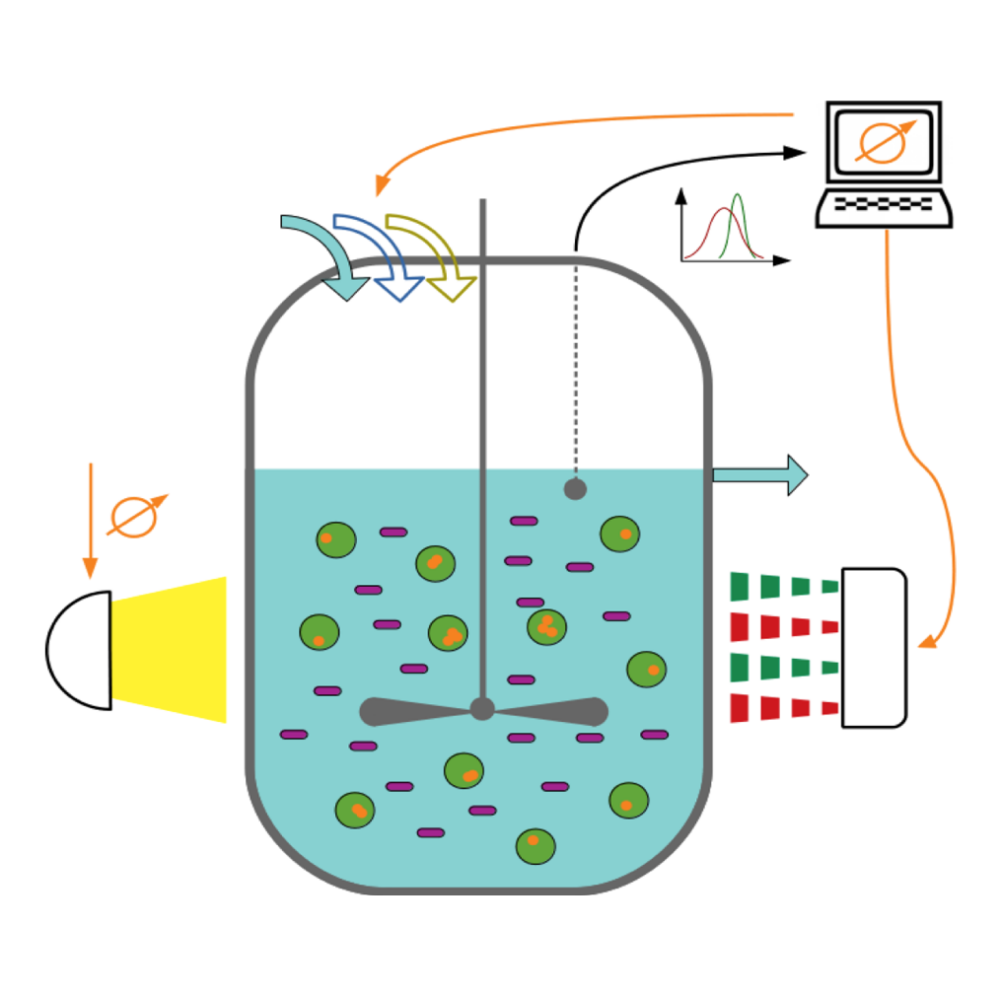
    Industries such as oil and gas extraction, desalination, textiles, food processing, and energy production generate substantial volumes of hypersaline effluent laden with toxic compounds. Conventional biological wastewater treatment, reliant on freshwater microorganisms, is often ineffective for this challenging wastewater. A promising alternative lies in innovative microalgae-bacteria consortia as a low-energy treatment system, specifically adapted to high salinity and specific toxins: microalgae photosynthetically provide oxygen for bacterial aerobic degradation of organic matter, while bacteria supply inorganic carbon for algal growth. Together, they efficiently remove target nutrients, including carbon, nitrogen, phosphorus, and sulphur [1] [2]. Salinity profoundly alters the system's biological and chemical dynamics by enhancing ion pairing, which influences pH, precipitation reactions, and the bioavailability of inorganic carbon for microalgae. Furthermore, while industrial toxins can have a lethal effect on microalgae [3] [4], studies demonstrate that certain bacterial strains can mitigate this inhibition. This critical, synergistic effect has yet to be incorporated into mathematical models, which are essential tools for understanding, optimizing, and predicting the behavior of such complex systems. This study addresses this gap by enhancing the ALBA (Algae-Bacteria) growth model [5]. The upgraded model incorporates a sophisticated physicochemical framework to simulate saline conditions, including pH dynamics, chemical speciation, and ion pairing of key species. It also integrates a representation of copper toxicity. The model was validated through laboratory-scale cocultures in synthetic seawater with copper and at pilot-scale in outdoor raceways using saline digestate of varying salinity. The new ALBA model, with its advanced pH and speciation submodel, accurately predicted biomass inhibition across both scales. The results underscore that ion pairing significantly affects pH and critically governs the availability of inorganic carbon. This work deepens our understanding of microalgae-bacteria consortia in saline industrial wastewater and paves the way for developing control strategies to mitigate toxicity inhibition.

  • Julien Lopez, Amélie Talec, Stéphane Greff, Andrea Fanesi, Beat Gasser, Emna Krichen, Olivier Bernard, Antoine Sciandra. Current Research in Microbial Sciences (2025). ART
    Abstract

    Phototrophic biofilms are photosynthetic microbial communities adhered to submerged surfaces. Research has largely focused on multispecies periphyton and benthic diatoms, while Chlorophyte- based, monospecific biofilms remain understudied – despite their increasing industrial relevance, particularly for the production of high value compounds. Here, we investigate the impact of nitrogen limitation on the metabolome of the green microalga Tetraselmis suecica grown in nitrogen3 replete and nitrogen-limited monospecific biofilms. A specific culture system was developed to optimise the analysis of both the entire biofilm metabolome and spatial biochemical variations across cell layers. The Droop model was used to determine optimal initial conditions and sampling times. Then, metabolomic analysis by UHPLC-ESI(+)-QToF-HRMS/MS coupled with complementary biochemical analyses was performed on both conditions. Compared to nitrogen-replete biofilms, nitrogenlimited biofilms exhibited elevated C:N ratios (+277.4%), reduced photosynthetic activity, and decreased pigment content (-18% for Chl a and b). While total biovolume remained similar between experimental conditions, nitrogen limitation led to a redistribution of cell biomass, with increased surface layer biovolume (+112.3%) at the expense of deeper layers. Macromolecular ratios of carbohydrates/ proteins and lipids/proteins increased two- to three-fold, respectively, under nitrogen-limited conditions. The characterized metabolomic profile was dominated by monogalactosyldiacylglycerols (MGDGs) and digalactosyldiacylglycerols, whose relative abundances were significantly higher in nitrogen-replete condition. Notably, the annotated lipid MGDG(18:3/16:4) previously exhibited nitric oxide inhibitory activity. Given the previously observed role of nitric oxide in bacterial biofilm formation and diatom adhesion, we hypothesize that a feedback loop-like mechanism of adhesion regulation dependent on nitric oxide and nitrogen environmental conditions exists in monospecific phototrophic biofilms.

  • Hubert Bonnefond, Y. Lie, T. Lacour, B. Saint-Jean, G. Carrier, E. Pruvost, Amélie Talec, Antoine Sciandra, Olivier Bernard. Algal Research - Biomass, Biofuels and Bioproducts (2022). ART
  • Bruno Assis Pessi, Eric Pruvost, Amélie Talec, Antoine Sciandra, Olivier Bernard. Algal Research - Biomass, Biofuels and Bioproducts (2022). ART
    Abstract

    We analyze the influence of greenhouses in the cultivation of phytoplankton. For this we propose a model for the marine green algae Tetraselmis suecica, and adapt it to four other species (Spirulina platensis, Dunaliella salina, Phaeodactylum tricornutum and Chlorella vulgaris). Experiments under a greenhouse were carried out for the marine green algae Tetraselmis suecica, shifting the temperature of two raceways compared to a reference raceway with free evolving temperature. The productivity model was then parametrized and validated accounting for the recorded evolution of temperature and light. The yearly raceway pond production and the benefit of greenhouse usage were assessed under different scenarios for the five considered species. At year scale, greenhouse efficiency is notable only for few species, e.g. Spirulina platensis, where productivity can be increased by 20%. Based on these results, cultivation under greenhouse is beneficial mainly to protect the culture against contamination and to increase productivity in cold regions for species susceptible to photoinhibition with optimal growth in high temperatures. Rotation of the cultivated species is also a good strategy to improve annual productivity.

  • Sophie Rabouille, Lauralie Tournier, Solange Duhamel, Pascal Claquin, Olivier Crispi, Amélie Talec, Angela Landolfi, Andreas Oschlies. Frontiers in Microbiology (2022). ART
    Abstract

    Considering the reported significant diazotrophic activities in open-ocean regions where primary production is strongly limited by phosphate, we explored the ability of diazotrophs to use other sources of phosphorus to alleviate the phosphate depletion. We tested the actual efficiency of the open-ocean, N 2 -fixer Crocosphaera watsonii to grow on organic phosphorus as the sole P source, and observed how the P source affects the cellular C, N, and P composition. We obtained equivalent growth efficiencies on AMP and DL-α-glycerophosphate as compared with identical cultures grown on phosphate, and survival of the population on phytic acid. Our results show that Crocosphaera cannot use all phosphomonoesters with the same efficiency, but it can grow without phosphate, provided that usable DOP and sufficient light energy are available. Also, results point out that organic phosphorus uptake is not proportional to alkaline phosphatase activity, demonstrating that the latter is not a suitable proxy to estimate DOP-based growth yields of organisms, whether in culture experiments or in the natural environment. The growth parameters obtained, as a function of the P source, will be critical to improve and calibrate mathematical models of diazotrophic growth and the distribution of nitrogen fixation in the global ocean.

  • Sophie Rabouille, Benjamin Randall, Amélie Talec, Patrick Raimbault, Thierry Blasco, Amel Latifi, Andreas Oschlies. Microorganisms (2021). ART
    Abstract

    Marine nitrogen (N2) fixation was historically considered to be absent or reduced in nitrate (NO3−) rich environments. This is commonly attributed to the lower energetic cost of NO3− uptake compared to diazotrophy in oxic environments. This paradigm often contributes to making inferences about diazotroph distribution and activity in the ocean, and is also often used in biogeochemical ocean models. To assess the general validity of this paradigm beyond the traditionally used model organism Trichodesmium spp., we grew cultures of the unicellular cyanobacterium Crocosphaera watsonii WH8501 long term in medium containing replete concentrations of NO3−. NO3− uptake was measured in comparison to N2 fixation to assess the cultures’ nitrogen source preferences. We further measured culture growth rate, cell stoichiometry, and carbon fixation rate to determine if the presence of NO3− had any effect on cell metabolism. We found that uptake of NO3− by this strain of Crocosphaera was minimal in comparison to other N sources (~2–4% of total uptake). Furthermore, availability of NO3− did not statistically alter N2 fixation rate nor any aspect of cell physiology or metabolism measured (cellular growth rate, cell stoichiometry, cell size, nitrogen fixation rate, nitrogenase activity) in comparison to a NO3− free control culture. These results demonstrate the capability of a marine diazotroph to fix nitrogen and grow independently of NO3−. This lack of sensitivity of diazotrophy to NO3− suggests that assumptions often made about, and model formulations of, N2 fixation should be reconsidered.

  • Manon Gachelin, Marc Boutoute, Gregory Carrier, Amélie Talec, Eric Pruvost, Freddy Guihéneuf, Olivier Bernard, Antoine Sciandra. Applied Microbiology and Biotechnology (2021). ART
    Abstract

    Adaptive laboratory evolution is a powerful tool for microorganism improvement likely to produce enhanced microalgae better tailored to their industrial uses. In this work, 12 wild-type strains of Tisochrysis lutea were co-cultivated under increasing thermal stress for 6 months. Indeed, temperature was oscillating daily between a high and a low temperature, with increasing amplitude along the experiment. The goal was to enhance the polyunsaturated fatty acid content of the polar lipids. Samples were taken throughout the evolution experiment and cultivated in standardized conditions to analyze the evolution of the lipid profile. Genomic analysis of the final population shows that two strains survived. The lipid content doubled, impacting all lipid classes. The fatty acid analyses show a decrease in SFAs correlated with an increase in monounsaturated fatty acids (MUFAs), while changes in polyunsaturated fatty acid (PUFAs) vary between both photobioreactors. Hence, the proportion of C18-MUFAs (18:1 n-9) and most C18-PUFAs (18:2 n-6, 18:3 n-3, and 18:4 n-3) increased, suggesting their potential role in adjusting membrane fluidity to temperature shifts. Of particular interest, DHA in polar lipids tripled in the final population while the growth rate was unchanged.

  • Aurélie Pham, Antoine Sciandra, Olivier Bernard, Freddy Guihéneuf, Hubert Bonnefond, Amélie Talec. AlgaEurope Conference (2021). COMM
  • David Demory, Charlotte Combe, Philipp Hartmann, Amélie Talec, Eric Pruvost, Raouf Hamouda, Fabien Souillé, Pierre-Olivier Lamare, Marie-Odile Bristeau, Jacques Sainte-Marie, Sophie Rabouille, Francis Mairet, Antoine Sciandra, Olivier Bernard. Royal Society Open Science (2018). ART
    Abstract

    Hydrodynamics in a high-rate production reactor for microalgae cultivation affects the light history perceived by cells. The interplay between cell movement and medium turbidity leads to a complex light pattern, whose forcing effects on photosynthesis and photoacclimation dynamics are non-trivial. Hydrodynamics of high density algal ponds mixed by a paddle wheel has been studied recently, although the focus has never been on describing its impact on photosynthetic growth efficiency. In this multidisciplinary downscaling study, we first reconstructed single cell trajectories in an open raceway using an original hydrodynamical model offering a powerful discretization of the Navier–Stokes equations tailored to systems with free surfaces. The trajectory of a particular cell was selected and the associated high-frequency light pattern was computed. This light pattern was then experimentally reproduced in an Arduino-driven computer controlled cultivation system with a low density Dunaliella salina culture. The effect on growth and pigment content was recorded for various frequencies of the light pattern, by setting different paddle wheel velocities. Results show that the frequency of this realistic signal plays a decisive role in the dynamics of photosynthesis, thus revealing an unexpected photosynthetic response compared to that recorded under the on/off signals usually used in the literature. Indeed, the light received by a single cell contains signals from low to high frequencies that nonlinearly interact with the photosynthesis process and differentially stimulate the various time scales associated with photoacclimation and energy dissipation. This study highlights the need for experiments with more realistic light stimuli to better understand microalgal growth at high cell densities. An experimental protocol is also proposed, with simple, yet more realistic, step functions for light fluctuations.

  • Hubert Bonnefond, Amélie Talec, Eric Pruvost, M O Boutoute, Ghjuvan Micaelu Grimaud, Yann Lie, T Sauvée, Antoine Sciandra. AlgaEurope 2017 Conference (2017). COMM
  • Hubert Bonnefond, Ghjuvan Micaelu Grimaud, Judith Rumin, Gaël Bougaran, Amélie Talec, M O Gachelin, M O Boutoute, Eric Pruvost, Olivier Bernard, Antoine Sciandra. PLoS ONE (2017). ART
    Abstract

    Temperature plays a key role in outdoor industrial cultivation of microalgae. Improving the thermal tolerance of microalgae to both daily and seasonal temperature fluctuations can thus contribute to increase their annual productivity. A long term selection experiment was carried out to increase the thermal niche (temperature range for which the growth is possible) of a neutral lipid overproducing strain of Tisochrysis lutea. The experimental protocol consisted to submit cells to daily variations of temperature for 7 months. The stress intensity, defined as the amplitude of daily temperature variations, was progressively increased along successive selection cycles. Only the amplitude of the temperature variations were increased, the daily average temperature was kept constant along the experiment. This protocol resulted in a thermal niche increase by 3°C (+16.5 %), with an enhancement by 9 % of the maximal growth rate. The selection process also affected T. lutea physiology, with a feature generally observed for 'cold-temperature' type of adaptation. The amount of total and neutral lipids was significantly increased, and eventually productivity was increased by 34%. This seven month selection experiment, carried out in a highly dynamic environment, challenges some of the hypotheses classically advanced to explain the temperature response of microalgae.

  • Hubert Bonnefond, Yann Lie, Eric Pruvost, Amélie Talec, Olivier Bernard, Antoine Sciandra. 6th congress of the International Society for Applied Phycology (2017). COMM
  • Hubert Bonnefond, Nina Moelants, Amélie Talec, Patrick Mayzaud, Olivier Bernard, Antoine Sciandra. Biotechnology for Biofuels (2017). ART
    Abstract

    Background : Nitrogen starvation and limitation are known to induce important physiological changes especially in lipid metabolism of microalgae (triglycerides, membrane lipids, beta-carotene, etc.). Although little information is available for Dunaliella salina, it is a promising microalga for biofuel production and biotechnological applications due to its ability to accumulate lipid together with beta-carotene. Results: Batch and chemostat experiments with various degrees of nitrogen limitation, ranging from starvation to nitrogen-replete conditions, were carried out to study carbon storage dynamics (total carbon, lipids, and beta-carotene) in steady state cultures of D. salina. A new protocol was developed in order to manage the very high beta-carotene concentrations and to more accurately separate and quantify beta-carotene and triglycerides by chromatography. Biomass evolution was appropriately described by the Droop model on the basis of the nitrogen quota dynamics. Conclusions : Triglycerides and beta-carotene were both strongly anti-correlated with nitrogen quota highlighting their carbon sink function in nitrogen depletion conditions. Moreover, these two valuable molecules were correlated each other for nitrogen replete conditions or moderated nitrogen limitations (N:C ratio higher than 0.04). Under nitrogen starvation, i.e., for very low N:C ratio, the dynamic revealed, for the first time, uncoupled part (higher triglyceride accumulation than beta-carotene), possibly because of shortage in key proteins involved in the stabilization of lipid droplets. This study motivates the accurate control of the microalgal nitrogen quota in order to optimize lipid productivity.

  • Hubert Bonnefond, N. Moelants, Amélie Talec, Olivier Bernard, A. Sciandra. Algal Research - Biomass, Biofuels and Bioproducts (2016). ART
    Abstract

    The microalgae Dunaliella salina has the capacity to grow in salterns at high salinity. In this particular shallow environment, D. salina is exposed to strong light and temperature variations and has developed various strategies such as cell cycle adaptation and storage of dedicated metabolites. The effects of light/dark cycles have already been studied, but few works focused on the concomitant effects of light and temperature variations characterizing salterns and outdoor conditions. In this study, growth, carbon and nitrogen storage, pigments and lipid production of D. Salina were measured in laboratory conditions mimicking the outdoor light and temperature conditions. A control experiment with constant temperature was carried out with light variations only. During the night, cell respiration was correlated with temperature, following an Arrhenius law. Many differences with the control at constant temperature confirmed that temperature variations are a crucial parameter in outdoor conditions and should be taken into account to predict growth. Triglyceride and pigment production was tightly linked to the light dark cycle.

  • Charlotte Combe, Philipp Hartmann, Sophie Rabouille, Amélie Talec, Olivier Bernard, Antoine Sciandra. Biotechnology and Bioengineering (2015). ART
    Abstract

    Productivity of microalgal cultivation processes is tightly related to photosynthetic efficiency, and therefore to light availability at the cell scale. In an agitated, highly turbid suspension, the light signal received by a single phytoplankton cell moving in a dense culture is a succession of flashes. The growth characteristics of microalgae under such dynamic light conditions are thus fundamental information to understand nonlinear properties of the photosynthetic process and to improve cultivation process design and operation. Studies of the long term consequences of dynamic illumination regime on photosynthesis require a very specific experimental set-up where fast varying signals are applied on the long term. In order to investigate the growth response of the unicellular photosynthetic eukaryote Dunaliella salina (Chlorophyceae) to intermittent light exposure, different light regimes using LEDs with the same average total light dose were applied in continuous cultures. Flashing light with different durations of light flashes (Δt of 30 s, 15 s, 2 s and 0.1 s) followed by dark periods of variable length (0.67 ≤ L:D ≤ 2) yielding flash frequencies in the range 0.017-5 Hz, were compared to continuous illumination. Specific growth rate, photosynthetic pigments, lipid productivity and elemental composition were measured on two duplicates for each irradiance condition. The different treatments of intermittent light led to specific growth rates ranging from 0.25 to 0.93 day–1. While photosynthetic efficiency was enhanced with increased flash frequency, no significant differences were observed in the particular carbon and chlorophyll content. Pigment analysis showed that within this range of flash frequency, cells progressively photoacclimated to the average light intensity.

  • Anthony Dron, Sophie Rabouille, Pascal Claquin, Amélie Talec, Virginie Raimbault, Antoine Sciandra. Environmental Microbiology (2013). ART
  • Amélie Talec, Myrvline Philistin, Frédérique Ferey, Günther Walenta, Jean-Olivier Irisson, Olivier Bernard, Antoine Sciandra. Bioresource Technology (2013). ART
    Abstract

    Experiments were performed at lab scale in order to test the possibility to grow microalgae with CO2 from gaseous effluent of cement industry. Four microalgal species (Dunaliella tertiolecta, Chlorella vulgaris, Thalassiosira weissflogii, and Isochrysis galbana), representing four different phyla were grown with CO2 enriched air or with a mixture of gasses mimicking the composition of a typical cement flue gas (CFG). In a second stage, the culture submitted to the CFG received an increasing concentration of dust characteristic of cement industry. Results show that growth for the four species is not affected by the CFG. Dust added at realistic concentrations do not have any impact on growth. For dust concentrations in two ranges of magnitude higher, microalgae growth was inhibited.

  • Thomas Lacour, Antoine Sciandra, Amélie Talec, Patrick Mayzaud, Olivier Bernard. Journal of Phycology (2012). ART
    Abstract

    The goal of this study was to investigate the time response of two major carbon (C) reserves, respectively neutral lipids (NL) and total carbohydrate (TC), in the Haptophyte Isochrysis sp. growing in nitrogen (N)-sufficient or N-starved conditions and under light:dark (L:D) cycles. Experiments were carried out in a cyclostat culture system that allowed the following of the dynamics of the main cell compounds at both hourly and daily time scales. Under N-sufficient conditions, the L:D cycles cause the population to be synchronized, with most of the cells dividing at the beginning of the dark period. The C-specific growth rate was maximal around midday and negative during the dark period due to respiration processes. NL and TC both accumulated during the day and consumed during the night. We showed that NL and TC are highly dynamic compounds, as more than three quarters of NL and TC accumulated during the light period were consumed during the dark period. In contrast to NL, phospholipid and glycolipid to C ratios remained quite stable during the light/dark cycles. The major effect of N starvation on the NL and TC dynamics was to uncouple their diel variations from the L:D cycle, in two different ways depending on their respective role during short-term acclimation. Whereas the TC per cell ratio increased rapidly to reach a stable value in response to N starvation, NL per cell continued to oscillate, but with a pattern out of phase with the L:D cycle.

  • Thomas Lacour, Antoine Sciandra, Amélie Talec, Patrick Mayzaud, Olivier Bernard. Journal of Phycology (2012). ART
    Abstract

    Partitioning of the carbon (C) fixed during photosynthesis between neutral lipids (NL) and carbohydrates was investigated in Isochrysis sp. (Haptophyceae) in relation to its nitrogen (N) status. Using batch and nitrate-limited continuous cultures, we studied the response of these energy reserve pools to both conditions of N starvation and limitation. During N starvation, NL and carbohydrate quotas increased but their specific growth rates (specific rates of variation, μCAR and μNL) decreased. When cells were successively deprived and then resupplied with NO3, both carbohydrates and neutral lipids were inversely related to the N quota (N:C). These negative relationships were not identical during N impoverishment and replenishment, indicating a hysteresis phenomenon between N and C reserve mobilizations. Cells acclimated to increasing degrees of N limitation in steady-state chemostat cultures showed decreasing NL quota and increasing carbohydrate quota. N starvation led to a visible but only transient increase of NL productivity. In continuous cultures, the highest NL productivity was obtained for the highest experimented dilution rate (D = 1.0 d−1; i.e., for non N-limited growth conditions), whereas the highest carbohydrate productivity was obtained at D = 0.67 d−1. We used these results to discuss the nitrogen conditions that optimize NL productivities in the context of biofuel production.

  • Marius N. Müller, Luc L Beaufort, Olivier Bernard, Maria-Luiza Pedrotti, Amélie Talec, Antoine Sciandra. Biogeosciences (2012). ART
    Abstract

    Coccolithophores, a key phytoplankton group, are one of the most studied organisms regarding their physiological response to ocean acidification/carbonation. The biogenic production of calcareous coccoliths has made coccolithophores a promising group for paleoceanographic research aiming to reconstruct past environmental conditions. Recently, geochemical and morphological analyses of fossil coccoliths have gained increased interest in regard to changes in seawater carbonate chemistry. The cosmopolitan coccolithophore Emiliania huxleyi (Lohm.) Hay and Mohler was cultured over a range of pCO2 levels in controlled laboratory experiments under nutrient replete and nitrogen limited conditions. Measurements of photosynthesis and calcification revealed, as previously published, an increase in particulate organic carbon production and a moderate decrease in calcification from ambient to elevated pCO2. The enhancement in particulate organic carbon production was accompanied by an increase in cell diameter. Changes in coccolith volume were best correlated with the coccosphere/cell diameter and no significant correlation was found between the coccolith volume and the particulate inorganic carbon production. The conducted experiments revealed that the coccolith volume of E. huxleyi is variable with aquatic CO2 concentration but its sensitivity is rather small in comparison with its sensitivity to nitrogen limitation. Comparing coccolith morphological and geometrical parameters like volume, mass and size to physiological parameters under controlled laboratory conditions is an important step to understand variations in fossil coccolith geometry.

  • Christophe Mocquet, Antoine Sciandra, Amélie Talec, Olivier Bernard. Journal of Phycology (2012). ART
    Abstract

    The Michaelis-Menten model of nitrogen (N) acquisition, originally used to represent the effect of nutrient concentration on the phytoplankton uptake rate, is inadequate when other factors show temporal variations. Literature generally links diurnal oscillations of N acquisition to a response of the physiological status of microalgae to photon flux density (PFD) and substrate availability. This work describes how the cell cycle also constitutes a significant determinant of N acquisition and, when appropriate, assesses the impact of this property at the macroscopic level. For this purpose, we carried out continuous culture experiments with the diatom Thalassiosira weissflogii (Grunow) G. Fryxell & Hasle exposed to various conditions of light and N supply. The results revealed that a decrease in N acquisition occurred when a significant proportion of the population was in mitosis. This observation suggests that N acquisition is incompatible with mitosis and therefore that its acquisition rate is not constant during the cell cycle. In addition, environmental conditions, such as light and nutrient supply disrupt the cell cycle at the level of the individual cell, which impacts synchrony of the population.

  • Anthony Dron, Sophie Rabouille, Pascal Claquin, Bertrand Le Roy, Amélie Talec, Antoine Sciandra. Environmental Microbiology (2012). ART
  • Anthony Dron, Sophie Rabouille, P. Claquin, Patrick Chang, Virginie Raimbault, Amélie Talec, A. Sciandra. Aquatic Microbial Ecology (2012). ART