LOV MEMBER
People working@LOV

CONTACT : Maria Luiza Pedrotti

Laboratoire d'Océanographie de Villefranche, LOV
Institut de la Mer de Villefranche, IMEV
181 Chemin du Lazaret
06230 Villefranche-sur-Mer (France)

Research scientist

@ CHOC

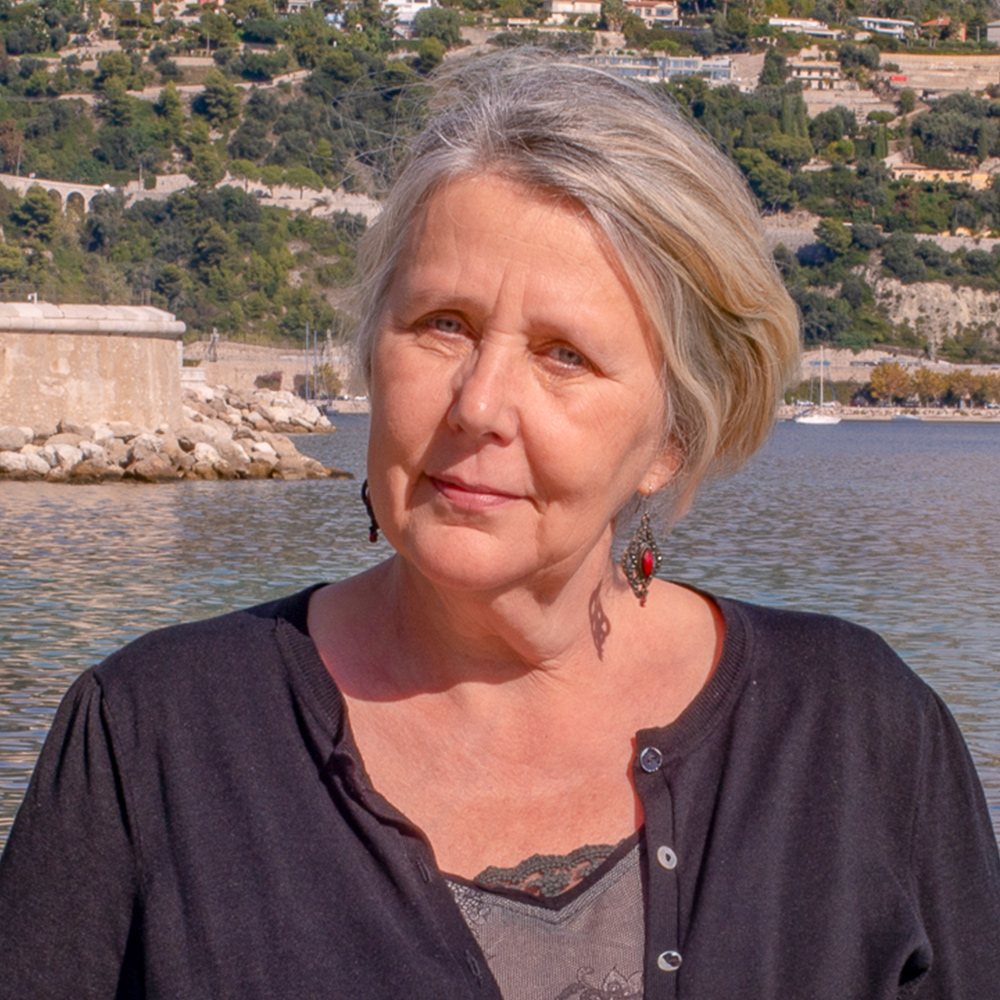
Maria Luiza Pedrotti

Current position :

1993-Present Research Scientist CNRS

Status :

Permanent

Employer :

CNRS

Team(s) :

Hosting Lab :

LOV (UMR 7093)

Keywords :

oceanography, plankton ecology, marine biogeochemistry, marine plastic debris

Complementary Information

Facilities

Scientific Manager

PUBLICATIONS BY

Maria Luiza Pedrotti

68 documents
  • Ana Luzia Lacerda, Raffaella Casotti, Jean-François Briand, Véronique Lenoble, Soledad Muniategui-Lorenzo, Felipe Kessler, Abel Barre, Carmen Maria Moscoso-Pérez, Veronica Fernández-González, José Andrade-Garda, Carola Murano, Vincenzo Donnarumma, Eliézer Oreste, Haleigh Hj Joyce, Colin Hannon, Róisín Nash, François Orange, João Frias, Maria Luiza Pedrotti. Environmental Research (2025). ART
    Abstract

    Plastic pollution is a global ecological threat, not only as physical debris but also as a novel substrate hosting microbial communities, known as "plastisphere". Polymer type (virgin vs. recycled), combined with environmental variations, may influence both early and mature colonisation stages. While biogeography has been identified as a key driver of the plastisphere community structure, prior research often relied on isolated studies with no methodological standardization or on opportunistic sampling. Here, this study stands out by conducting a simultaneous and harmonized investigation across environmentally distinct sites in the Mediterranean Sea and the Atlantic Ocean. Three polymers (LDPE, PP-PC, PLA) were incubated in situ, across six locations. Using standardized protocols and eDNA metabarcoding (16S and 18S rRNA), we assessed how biogeography, environmental variables, polymer type, and exposure time shape the diversity and composition of prokaryotic and eukaryotic communities colonizing plastics. Incubations lasted up to one year, with sampling at 7, 30 and 90 days, covering all four seasons. Microbial colonization in all plastics occurred within 7 days, but community richness and maturity fluctuated across sites and seasons. Proteobacteria, Bacteroidia and Planctomycetes were the dominant prokaryotes, while Ciliates, Cercozoa and Dinoflagellata dominated eukaryotes. Taxa with potential for plastic biodegradation (e.g., Oleibacter, Alcanivorax) and pathogenicity (e.g., Pseudomonas, Candida), were identified, highlighting the plastisphere’s ecological role. This dataset represents the most comprehensive assessment of marine plastisphere diversity to date, allowing the understanding of species occurrence and their interaction, influence on ecological processes and the emerging health risks, which should be considered when developing global strategies to mitigate ocean plastic pollution.

  • Zoé Mériguet, Guillaume Bourdin, Nathaniel Kristan, Laetitia Jalabert, Olivier Bun, Marc Picheral, Louis Caray-Counil, Juliette Maury, Maria-Luiza Pedrotti, Amanda Elineau, David Paz-Garcia, Lee Karp-Boss, Gaby Gorsky, Fabien Lombard. Earth System Science Data (2025). ART
    Abstract

    Abstract. This paper presents the quantitative imaging datasets collected during the Tara Pacific expedition (2016–2018) carried out on the schooner Tara. The datasets cover a wide range of plankton sizes, from microphytoplankton (> 20 µm in size) to mesozooplankton (a few centimetres in size), and non-living particles such as plastic and detrital particles. It consists of surface samples collected across the North Atlantic and the North and South Pacific Ocean from open-ocean stations (a total of 357 samples) and from stations located in coastal waters, lagoons or reefs of 32 Pacific islands (a total of 228 samples). As this expedition involved long distances and long sailing times, we designed two sampling systems to collect plankton while sailing at speeds of up to 9 knots. To sample microplankton, surface water was pumped aboard using a customised pumping system and filtered through a 20 µm mesh size plankton net (hereafter referred to as the deck net – DN). A high-speed net (HSN; 330 µm mesh size) was developed to sample the mesoplankton. In addition, a manta net (330 µm) was also used, when possible, to collect mesoplankton and plastics simultaneously. We could not deploy these nets at the reef and lagoon stations of islands. Instead, two bongo nets (20 µm) attached to an underwater scooter were used to sample microplankton. In addition to describing and presenting the datasets, the complementary aim of this paper is to investigate and quantify the potential sampling biases associated with these two high-speed sampling systems and the different net types, in order to improve further ecological interpretations. Regarding the imaging techniques, microplankton (20–200 µm) from the DN and bongo net were imaged directly aboard Tara using a FlowCam instrument (Fluid Imaging Technologies), whereas mesoplankton (>200 µm) from the HSN and manta net were analysed in the laboratory with a ZooScan system (back on land). Organisms and other particles were taxonomically and morphologically classified using the automatic sorting tools of the EcoTaxa web application; following this, validation or correction was carried out by taxonomic experts. For microplankton smaller than 45 µm, a subsample of 30 % of the annotations was 100 % visually validated by experts. More than 300 different taxonomic and morphological groups were identified. The datasets include the metadata and the raw data from which morphological traits such as size (equivalent spherical diameter) and biovolume were calculated for each particle as well as a number of quantitative descriptors of the surface plankton communities. These descriptors include abundance, biovolumes, the Shannon diversity index and normalised biovolume size spectrum, allowing the study of their structures (e.g. taxonomic, functional, size and trophic structures) according to a wide range of environmental parameters at the basin scale (https://doi.org/10.5281/zenodo.6445609, Lombard et al., 2023).

  • Zoé Mériguet, Guillaume Bourdin, Nathaniel Kristan, Laetitia Jalabert, Olivier Bun, Marc Picheral, Louis Caray-Counil, Juliette Maury, Maria-Luiza Pedrotti, Amanda Elineau, David Paz-Garcia, Lee Karp-Boss, Gaby Gorsky, Fabien Lombard. Earth System Science Data (2025). ART
    Abstract

    Abstract. This paper presents the quantitative imaging datasets collected during the Tara Pacific expedition (2016–2018) carried out on the schooner Tara. The datasets cover a wide range of plankton sizes, from microphytoplankton (> 20 µm in size) to mesozooplankton (a few centimetres in size), and non-living particles such as plastic and detrital particles. It consists of surface samples collected across the North Atlantic and the North and South Pacific Ocean from open-ocean stations (a total of 357 samples) and from stations located in coastal waters, lagoons or reefs of 32 Pacific islands (a total of 228 samples). As this expedition involved long distances and long sailing times, we designed two sampling systems to collect plankton while sailing at speeds of up to 9 knots. To sample microplankton, surface water was pumped aboard using a customised pumping system and filtered through a 20 µm mesh size plankton net (hereafter referred to as the deck net – DN). A high-speed net (HSN; 330 µm mesh size) was developed to sample the mesoplankton. In addition, a manta net (330 µm) was also used, when possible, to collect mesoplankton and plastics simultaneously. We could not deploy these nets at the reef and lagoon stations of islands. Instead, two bongo nets (20 µm) attached to an underwater scooter were used to sample microplankton. In addition to describing and presenting the datasets, the complementary aim of this paper is to investigate and quantify the potential sampling biases associated with these two high-speed sampling systems and the different net types, in order to improve further ecological interpretations. Regarding the imaging techniques, microplankton (20–200 µm) from the DN and bongo net were imaged directly aboard Tara using a FlowCam instrument (Fluid Imaging Technologies), whereas mesoplankton (>200 µm) from the HSN and manta net were analysed in the laboratory with a ZooScan system (back on land). Organisms and other particles were taxonomically and morphologically classified using the automatic sorting tools of the EcoTaxa web application; following this, validation or correction was carried out by taxonomic experts. For microplankton smaller than 45 µm, a subsample of 30 % of the annotations was 100 % visually validated by experts. More than 300 different taxonomic and morphological groups were identified. The datasets include the metadata and the raw data from which morphological traits such as size (equivalent spherical diameter) and biovolume were calculated for each particle as well as a number of quantitative descriptors of the surface plankton communities. These descriptors include abundance, biovolumes, the Shannon diversity index and normalised biovolume size spectrum, allowing the study of their structures (e.g. taxonomic, functional, size and trophic structures) according to a wide range of environmental parameters at the basin scale (https://doi.org/10.5281/zenodo.6445609, Lombard et al., 2023).

  • Justine Jacquin, Marko Budinich, Samuel Chaffron, Valérie Barbe, Fabien Lombard, Maria-Luiza Pedrotti, Gabriel Gorsky, Alexandra ter Halle, Stéphane Bruzaud, Mikaël Kedzierski, Jean-François Ghiglione. Environmental Science and Pollution Research (2024). ART
    Abstract

    Plastics are offering a new niche for microorganisms colonizing their surface, the so-called “plastisphere,” in which diversity and community structure remain to be characterized and compared across ocean pelagic regions. Here, we compared the bacterial diversity of microorganisms living on plastic marine debris (PMD) and the surrounding free-living (FL) and organic particle-attached (PA) lifestyles sampled during the Tara expeditions in two of the most plastic polluted zones in the world ocean, i.e., the North Pacific gyre and the Mediterranean Sea. The 16S rRNA gene sequencing analysis confirmed that PMD are a new anthropogenic ocean habitat for marine microbes at the ocean-basin-scale, with clear niche partitioning compared to FL and PA lifestyles. At an ocean-basin-scale, the composition of the plastisphere communities was mainly driven by environmental selection, rather than polymer types or dispersal effect. A plastisphere “core microbiome” could be identified, mainly dominated by Rhodobacteraceae and Cyanobacteria. Predicted functions indicated the dominance of carbon, nitrogen and sulfur metabolisms on PMD that open new questions on the role of the plastisphere in a large number of important ecological processes in the marine ecosystem.

  • R. Rodríguez-Torres, S. Rist, R. Almeda, T.G. Nielsen, Maria-Luiza Pedrotti, N.B. Hartmann. Environmental Pollution (2024). ART
    Abstract

    Over the past decade, microplastic research on ingestion and impacts in marine biota has received significant attention. Zooplankton has become a subject of interest due to their crucial role in marine food webs. This review focuses on trends in nano-and microplastics (NMPs) ingestion studies in marine zooplankton. Four groups of organisms were considered: protozoans, holoplankton, meroplankton and ichthyoplankton. Of 120 reviewed articles, holoplankton was the most studied group, with laboratory experiments dominating over field studies. Although NMPs sizes and polymer types are diversifying in laboratory experiments, their characteristics are still far from representing the complexity of NMPs found in nature. Polystyrene (as polymer type) and beads (as shape) are overrepresented in laboratory experiments (54% and 79%, respectively). Furthermore, most NMPs concentrations used in the laboratory exceed those found in the field. The units used to report ingestion of NMPs in zooplankton vary greatly, with "microplastics per individual" being the most frequently used. In addition, certain planktonic groups (e.g., protozoans and ichthyoplankton) and behavioral traits, such as ambush feeding, have been poorly investigated. This variability hampers comparisons between studies and thus mechanistic insights into NMPs ingestion in marine zooplankton.<p>This review identifies research gaps and it highlights the ongoing disparity between environmental and laboratory conditions in zooplankton ingestion studies. We encourage the scientific community to harmonize the reporting units for NMPs ingestion and focus on more environmentally realistic studies with a trait-based approach. Transitioning towards more hypothesis-driven experiments is crucial to clarify the mechanistic importance of environmentally relevant microplastic features.</p>

  • Véronique Lenoble, Ana-Marija Cindrić, Jean-François Briand, Maria Luiza Pedrotti, Ana Luzia Lacerda, Soledad Muniategui-Lorenzo, Veronica Fernández-González, Carmen Ma Moscoso-Pérez, José Andrade-Garda, Raffaella Casotti, Carola Murano, Vincenzo Donnarumma, Sébastien Frizzi, Colin Hannon, Haleigh Joyce, Róisín Nash, João Frias. Environmental Pollution (2024). ART
  • Ana Luzia Lacerda, Jean-François Briand, Véronique Lenoble, Eliézer Quadro Oreste, Felipe Kessler, Maria Luiza Pedrotti. Microorganisms (2024). ART
    Abstract

    Plastics in the ocean create the "plastisphere", a diverse habitat hosting various life forms. Other than the pollution induced by plastics, the co-occurrence of primary producers, symbiotic organisms, decomposers, and pathogens within the plastisphere raises questions about how they influence the dynamics of marine ecosystems. Here, we used a shotgun DNA-sequencing approach to describe the species thriving on floating plastics collected in two Mediterranean sites. Our findings revealed many species of bacteria, eukaryotes, viruses, and archaea on each plastic. Proteobacteria was dominant (70% of reads in the entire dataset), with other groups such as Ascomycota fungi (11%) and Bacteroidetes (9%) also being represented. The community structure was not affected by the polymeric composition or the plastic shape. Notably, pathogenic Vibrio species, including V. campbelli, V. alginolyticus, and V. coralliilyticus, were among the most abundant species. Viruses, despite showing lower relative abundances, occurred in all samples, especially Herpesvirales, Caudovirales, and Poxviridae groups. A significant finding was the presence of the White Spot Syndrome virus (WSSV). This pathogen, responsible for devastating outbreaks in aquaculture systems, had not been previously reported in the marine plastisphere. Our study emphasizes the need for further investigation into the ecological and economic impacts of plastisphere organisms in the ocean.

  • Ana Luzia Lacerda, João Frias, Maria Luiza Pedrotti. Marine Pollution Bulletin (2024). ART
    Abstract

    Tardigrades are remarkable microorganisms known for their extraordinary resilience in diverse environments, including extreme conditions such as outer space. They are known for their interactions with natural substrates in terrestrial and aquatic systems, but have remained largely unexplored in relation to marine plastics. This study aims to investigate the colonization of plastics, ranging from fossil fuel-based to bioplastics, in the coastal zones of four countries (Brazil, Ireland, France and Italy). Here, we report the first documented occurrence of tardigrades colonizing plastic substrates. We identified five amplicon sequence variants (ASVs) belonging to the Tardigrada phylum, specifically in a post-consumer polypropylene, in the coastal zone of Galway, Ireland. This discovery raises questions about the characteristics of different plastics influencing on tardigrades' adhesion. Tardigrades hitchhiking on plastics in the oceans could expand their habitat range, possibly displacing native species and altering trophic interactions, with potential consequences for the overall biodiversity.

  • Zoé Mériguet, Guillaume Bourdin, Nathaniel Kristan, Laetitia Jalabert, Olivier Bun, Marc Picheral, Juliette Maury, Maria-Luiza Pedrotti, Amanda Elineau, David Arturo Paz-Garcia, Lee Karp-Boss, Gabriel Gorsky, Fabien Lombard. Hydrology and Earth System Sciences Discussions (2024). ART
    Abstract

    Abstract. This paper presents the quantitative imaging datasets collected during the Tara Pacific Expedition (2016–2018) on the schooner Tara. The datasets cover a wide range of plankton sizes, from micro-phytoplankton > 20 μm to meso-zooplankton of a few cm, as well as non-living particles such as plastic and detrital particles. It consists of surface samples collected across the North and South Pacific Ocean from open ocean stations (a total of 357 samples) and from stations located in coastal waters, lagoons or reefs of 32 Pacific islands (a total of 228 samples). As this expedition involved long distances and long sailing times, we designed two sampling systems to collect plankton while sailing at speeds up to 9 knots. To sample microplankton, surface water was pumped onboard using a customised pumping system and filtered through a 20 µm mesh size plankton net (here after Deck-Net (DN). A High Speed Net (HSN; 330 μm mesh size) was developed to sample the mesoplankton. In addition, a Manta net (330 µm) was also used when possible, to collect mesoplankton and plastics simultaneously. We could not deploy these nets in reef and lagoon stations of islands. Instead, two Bongo nets (20 µm) attached to an underwater scooter were used to sample microplankton. Microplankton (20–200 μm) from the DN and Bongo nets was imaged directly on-board Tara using the FlowCam (Fluid imaging, Inc.) while the mesoplankton (> 200 μm) from the HSN and Manta nets was analyzed in the laboratory with the ZooScan system. Organisms and other particles were taxonomically and morphologically classified using the web application EcoTaxa automatic sorting tools, followed by taxonomic expert validation or correction. More than 300 different taxonomic and morphological groups were identified. The datasets include the metadata with the raw data from which morphological traits such as size (ESD) and biovolume have been calculated for each particle, as well as a number of quantitative descriptors of the surface plankton communities. These include abundance, biovolumes, Shannon diversity index and normalised biovolume size spectra, allowing the study of their structures (e.g. taxonomic, functional, size structure, trophic structure, etc.) according to a wide range of environmental parameters at the basin scale. In addition to describing and presenting the datasets, the complementary aim of this paper is to investigate and quantify the potential sampling biases associated with the two high speed sampling systems and the different net types, in order to improve further ecological interpretations.

  • Alberto Baudena, Enrico Ser-Giacomi, Isabel Jalón-Rojas, S. Fabri-Ruiz, F. Galgani, Rainer Kiko, Fabien Lombard, Jean-Olivier Irisson, F. Moullec, Maria-Luiza Pedrotti. ASLO Aquatic Sciences Meeting (2023). COMM
    Abstract

    Plastic debris is a ubiquitous pollutant found from the sea surface to the seafloor. Understanding the mechanisms driving its pollution is a difficult task mostly due to the complex oceanic circulation, which affects plastic debris in manifold ways. The Lagrangian approach is hence a natural framework to study this problem. Here, I will show the results of TrackMPD, a Lagrangian model simulating the pathways of plastic debris in the Mediterranean Sea, and validated with the most extensive dataset of plastic measurements in this region to date. The Mediterranean Sea lacks in zones of plastic accumulation despite being one of the most polluted basins worldwide. Here, we adopt a different paradigm, by identifying crossroad regions through which large amounts of plastic debris flow. We find that around 20% of Mediterranean plastic debris passed through 1% of the basin surface. The most important crossroads intercepted plastic debris from multiple sources, which had often traveled long distances. During its travel, plastic debris can be colonised by marine organisms, and eventually sink. We found that the locations where debris leaves the surface are significantly different from those where it reaches the seafloor: debris travels hundreds of kilometers during its sinking. In the water column, plastic debris can potentially be mistaken for zooplankton and be ingested, thus impacting marine biota. To quantify this risk, we estimated the plastic debris to zooplankton ratio over the entire Mediterranean Sea, showing a high risk of contamination for both pelagic fish and whales.

  • Jorge Rojas-Vargas, Libertad Adaya, Ana Luzia Lacerda, Maria-Luiza Pedrotti, Alejandro Sanchez-Flores, Liliana Pardo-López. Microbiology Resource Announcements (2023). ART
    Abstract

    Here, we report the draft genome sequences of six marine strains isolated from plastic samples incubated in the Mediterranean Sea. Genomic analyses place these strains within the Alkalihalobacillus, Bacillus, Halomonas, and Marinobacter genera. Examining the genomes of these non-typical environmental bacteria increases our comprehension of microorganism biology and their potential uses.

  • Philip J Landrigan, Hervé Raps, Maureen Cropper, Caroline Bald, Manuel Brunner, Elvia Maya Canonizado, Dominic Charles, Thomas C Chiles, Mary J Donohue, Judith Enck, Patrick Fenichel, Lora E Fleming, Christine Ferrier-Pages, Richard Fordham, Aleksandra Gozt, Carly Griffin, Mark E Hahn, Budi Haryanto, Richard Hixson, Hannah Ianelli, Bryan D James, Pushpam Kumar, Amalia Laborde, Kara Lavender Law, Keith Martin, Jenna Mu, Yannick Mulders, Adetoun Mustapha, Jia Niu, Sabine Pahl, Yongjoon Park, Maria-Luiza Pedrotti, Jordan Avery Pitt, Mathuros Ruchirawat, Bhedita Jaya Seewoo, Margaret Spring, John J Stegeman, William Suk, Christos Symeonides, Hideshige Takada, Richard C Thompson, Andrea Vicini, Zhanyun Wang, Ella Whitman, David Wirth, Megan Wolff, Aroub K Yousuf, Sarah Dunlop. Annals of Global Health (2023). ART
    Abstract

    Background: Plastics have conveyed great benefits to humanity and made possible some of the most significant advances of modern civilization in fields as diverse as medicine, electronics, aerospace, construction, food packaging, and sports. It is now clear, however, that plastics are also responsible for significant harms to human health, the economy, and the earth's environment. These harms occur at every stage of the plastic life cycle, from extraction of the coal, oil, and gas that are its main feedstocks through to ultimate disposal into the environment. The extent of these harms not been systematically assessed, their magnitude not fully quantified, and their economic costs not comprehensively counted.

  • Alberto Baudena, Rainer Kiko, Isabel Jalón-Rojas, Maria Luiza Pedrotti. Environmental Science and Technology (2023). ART
    Abstract

    Plastic is a widespread marine pollutant, with most studies focusing on the distribution of floating plastic debris at the sea surface. Recent evidence, however, indicates a significant presence of such low density plastic in the water column and at the seafloor, but information on its origin and dispersion is lacking. Here, we studied the pathways and fate of sinking plastic debris in the Mediterranean Sea, one of the most polluted world seas. We used a recent Lagrangian plastic-tracking model, forced with realistic parameters, including a maximum estimated sinking speed of 7.8 m/d. Our simulations showed that the locations where particles left the surface differed significantly from those where they reached the seafloor, with lateral transport distances between 119 and 282 km. Furthermore, 60% of particles deposited on the bottom coastal strip (20 km wide) were released from vessels, 20% from the facing country, and 20% from other countries. Theoretical considerations furthermore suggested that biological activities potentially responsible for the sinking of low density plastic occur throughout the water column. Our findings indicate that the responsibility for seafloor plastic pollution is shared among Mediterranean countries, with potential impact on pelagic and benthic biota.

  • S. Fabri-Ruiz, A. Baudena, F. Moullec, F. Lombard, J.-O. Irisson, M.L. Pedrotti. Science of the Total Environment (2023). ART
    Abstract

    Floating plastic debris is a pervasive pollutant in seas and oceans, affecting a wide range of animals. In particular, microplastics (<5 mm in size) increase the possibility that marine species consume plastic and enter the food chain. The present study investigates this potential mistake between plastic debris and zooplankton by calculating the plastic debris to zooplankton ratio over the whole Mediterranean Sea. To this aim, in situ data from the Tara Mediterranean Expedition are combined with environmental and Lagrangian diagnostics in a machine learning approach to produce spatially-explicit maps of plastic debris and zooplankton abundance. We then analyse the plastic to zooplankton ratio in regions with high abundances of pelagic fish. Two of the major hotspots of pelagic fish, located in the Gulf of Gabes and Cilician basin, were associated with high ratio values. Finally, we compare the plastic to zooplankton ratio values in the Pelagos Sanctuary, an important hotspot for marine mammals, with other Geographical Sub-Areas, and find that they were among the larger of the Western Mediterranean Sea. Our results indicate a high potential risk of contamina-tion of marine fauna by plastic and advocate for novel integrated modelling approaches which account for potential trophic transfer within the food chain.

  • Fabien Lombard, Guillaume Bourdin, Stéphane Pesant, Sylvain Agostini, Alberto Baudena, Emilie Boissin, Nicolas Cassar, Megan Clampitt, Pascal Conan, Ophélie da Silva, Céline Dimier, Éric Douville, Amanda Elineau, Jonathan Fin, J. Michel Flores, Jean-François Ghiglione, Benjamin C C Hume, Laetitia Jalabert, Seth G John, Rachel L. Kelly, Ilan Koren, Yajuan Lin, Dominique Marie, Ryan Mcminds, Zoé Mériguet, Nicolas Metzl, David A Paz-García, Maria Luiza Pedrotti, Julie Poulain, Mireille Pujo-Pay, Josephine Ras, Gilles Reverdin, Sarah Romac, Alice Rouan, Eric Röttinger, Assaf Vardi, Eric Gilson, Christian R Voolstra, Clémentine Moulin, Guillaume Iwankow, Bernard Banaigs, Chris Bowler, Colomban de Vargas, Didier Forcioli, Paola Furla, Pierre E Galand, Stéphanie Reynaud, Matthew B. Sullivan, Romain Troublé, Rebecca Vega Thurber, Shinichi Sunagawa, Olivier P Thomas, Patrick Wincker, Didier Zoccola, Serge Planes, Denis Allemand, Emmanuel Boss, Gabriel Gorsky. Scientific Data (2023). ART
    Abstract

    the Tara Pacific expedition (2016-2018) sampled coral ecosystems around 32 islands in the Pacific Ocean and the ocean surface waters at 249 locations, resulting in the collection of nearly 58 000 samples. The expedition was designed to systematically study warm-water coral reefs and included the collection of corals, fish, plankton, and seawater samples for advanced biogeochemical, molecular, and imaging analysis. Here we provide a complete description of the sampling methodology, and we explain how to explore and access the different datasets generated by the expedition. Environmental context data were obtained from taxonomic registries, gazetteers, almanacs, climatologies, operational biogeochemical models, and satellite observations. The quality of the different environmental measures has been validated not only by various quality control steps, but also through a global analysis allowing the comparison with known environmental large-scale structures. Such publicly released datasets open the perspective to address a wide range of scientific questions.

  • Mikaël Kedzierski, Maialen Palazot, Lata Soccalingame, Mathilde Falcou-Préfol, Gabriel Gorsky, François Galgani, Stéphane Bruzaud, Maria Luiza Pedrotti. Marine Pollution Bulletin (2022). ART
  • Mikaël Kedzierski, Maialen Palazot, Lata Soccalingame, Mathilde Falcou-Préfol, Gabriel Gorsky, François Galgani, Mouncef Sedrati, Stéphane Bruzaud, Maria-Luiza Pedrotti. 3ième rencontre GDR Polymères et Océans (2022). COMM
  • Maria Luiza Pedrotti, Fabien Lombard, Alberto Baudena, François Galgani, Amanda Elineau, Stephanie Petit, Maryvonne Henry, Romain Troublé, Gilles Reverdin, Enrico Ser-Giacomi, Mikaël Kedzierski, Emmanuel Boss, Gabriel Gorsky. Science of the Total Environment (2022). ART
    Abstract

    The Mediterranean Sea is recognized as one of the most polluted areas by floating plastics. During the Tara Mediterranean expedition, an extensive sampling of plastic debris was conducted in seven ecoregions, from Gibraltar to Lebanon with the aim of providing reliable estimates of regional differences in floating plastic loads and plastic characteristics. The abundance, size, surface, circularity and mass of 75,030 pieces were analyzed and classified in a standardized multi-parameter database. Their average abundance was 2.60 × 10<sup>5</sup> items km<sup>−2</sup> (2.25 × 10<sup>3</sup> to 8.50 × 10<sup>6</sup> km<sup>−2</sup>) resulting in an estimate of about 650 billion plastic particles floating on the surface of the Mediterranean. This corresponds to an average of 660 metric tons of plastic, at the lower end of literature estimates. High concentrations of plastic were observed in the northwestern coastal regions, north of the Tyrrhenian Sea, but also off the western and central Mediterranean basins. The Levantine basin south of Cyprus had the lowest concentrations. A Lagrangian Plastic Pollution Index (LPPI) predicting the concentration of plastic debris was validated using the spatial resolution of the data. The advanced state of plastic degradation detected in the analyses led to the conclusion that stranding/fragmentation/resuspension is the key process in the dynamics of floating plastic in Mediterranean surface waters. This is supported by the significant correlation between pollution sources and areas of high plastic concentration obtained by the LPPI.

  • Olivia Gérigny, M.-L. Pedrotti, Maria El Rakwe, Melanie Brun, Marc Pavec, Maryvonne Henry, Florence Mazeas, J. Maury, Pierre Garreau, Francois Galgani. Marine Pollution Bulletin (2022). ART
    Abstract

    Microplastics (MPs) were sampled in three seasons from 2016 to 2018 in the Bay of Marseille, northwestern Mediterranean Sea, adjacent to a highly urbanized area. Six sites were selected according to their different characteristics (river mouth, treatment plants, protected marine area). Surface floating MPs were characterized (number, weight, typology and polymer) as was zooplankton. In addition, mussels were submerged and used to investigate ingestion. Finally, a hydrodynamic model was used to improve understanding of dispersion mechanisms. The annual averages of floating MPs values ranged from 39,217 to 514,817 items/km2. The MPs collected were mainly fragments principally composed of polyethylene and polypropylene. The mean abundance ratio (MPs/zooplankton) was 0.09. On average 87% of mussel pools were contaminated and ingested 18.73 items/100 g of flesh. Two hydrodynamic patterns were identified: the first retaining the MPs in the harbor, and the second dispersing them outside.

  • Mikaël Kedzierski, Maialen Palazot, Lata Soccalingame, Mathilde Falcou-Préfol, Gabriel Gorsky, François Galgani, Stéphane Bruzaud, Maria Luiza Pedrotti. COUV
    Abstract

    Main objective of this study was to describe chemical composition of MP collected in surface waters of Mediterranean Sea. Samples were collected by manta net during Tara Mediterranean expedition (June–Nov.2014). Our results pointed to certain homogeneity at Mediterranean Sea scale. Main polymers collected were polyethylene (PE) (67.3±2.4%), polypropylene (20.8±2.1%), polystyrene (3.0±0.9%). Still, discrepancies, confirmed by literature, were observed at mesoscale level. Thus, in North Tyrrhenian Sea, proportion of PE was significantly lower than average value of Mediterranean Sea (57.9±10.5%).

  • Mikaël Kedzierski, Maialen Palazot, Lata Soccalingame, Maria Luiza Pedrotti, Stéphane Bruzaud. Marine Pollution Bulletin (2022). ART
  • Maria Luiza Pedrotti, Ana Luzia de Figueiredo Lacerda, Stephanie Petit, Jean François Ghiglione, Gabriel Gorsky. PLoS ONE (2022). ART
    Abstract

    Microfibers, whether synthetic or natural, have increased dramatically in the environment, becoming the most common type of particles in the ocean, and exposing aquatic organisms to multiple negative impacts. Using an approach combining morphology (scanning electron microscopy-SEM) and molecular taxonomy (High-Throughput DNA Sequencing- HTS), we investigated the bacterial composition from floating microfibers (MFs) collected in the northwestern Mediterranean Sea. The average number of bacteria in 100 μm 2 on the surface of a fiber is 8 ± 5.9 cells; by extrapolating it to a whole fiber, this represents 2663 ± 1981 bacteria/fiber. Attached bacterial communities were dominated by Alteromonadales, Rhodobacterales, and Vibrionales, including the potentially human/animal pathogen Vibrio parahaemolyticus . This study reveals a high rate of bacterial colonization on MFs, and shows that these particles can host numerous bacterial species, including putative pathogens. Even if we cannot confirm its pathogenicity based only on the taxonomy, this is the first description of such pathogenic Vibrio living attached to MFs in the Mediterranean Sea. The identification of MFs colonizers is valuable in assessing health risks, as their presence can be a threat to bathing and seafood consumption. Considering that MFs can serve as vector for potentially pathogenic microorganisms and other pollutants throughout the ocean, this type of pollution can have both ecological and economic consequences.

  • Brittan Scales, Rachel Cable, Melissa Duhaime, Gunnar Gerdts, Franziska Fischer, Dieter Fischer, Stephanie Mothes, Lisa Hintzki, Lynn Moldaenke, Matthias Ruwe, Jörn Kalinowski, Bernd Kreikemeyer, Maria-Luiza Pedrotti, Gaby Gorsky, Amanda Elineau, Matthias Labrenz, Sonja Oberbeckmann. MSphere (2021). ART
    Abstract

    While it is now appreciated that the millions of tons of plastic pollution travelling through marine systems carry complex communities of microorganisms, it is still unknown to what extent these biofilm communities are specific to the plastic or selected by the surrounding ecosystem. To address this, we characterized and compared the microbial communities of microplastic particles, nonplastic (natural and wax) particles, and the surrounding waters from three marine ecosystems (the Baltic, Sargasso and Mediterranean seas) using high-throughput 16S rRNA gene sequencing. We found that biofilm communities on microplastic and nonplastic particles were highly similar to one another across this broad geographical range. The similar temperature and salinity profiles of the Sargasso and Mediterranean seas, compared to the Baltic Sea, were reflected in the biofilm communities. We identified plastic-specific operational taxonomic units (OTUs) that were not detected on nonplastic particles or in the surrounding waters. Twenty-six of the plastic-specific OTUs were geographically ubiquitous across all sampled locations. These geographically ubiquitous plastic-specific OTUs were mostly low-abundance members of their biofilm communities and often represented uncultured members of marine ecosystems. These results demonstrate the potential for plastics to be a reservoir of rare and understudied microbes, thus warranting further investigations into the dynamics and role of these microbes in marine ecosystems. IMPORTANCE This study represents one of the largest comparisons of biofilms from environmentally sampled plastic and nonplastic particles from aquatic environments. By including particles sampled through three separate campaigns in the Baltic, Sargasso, and Mediterranean seas, we were able to make cross-geographical comparisons and discovered common taxonomical signatures that define the plastic biofilm. For the first time, we identified plastic-specific bacteria that reoccur across marine regions. Our data reveal that plastics have selective properties that repeatedly enrich for similar bacteria regardless of location, potentially shifting aquatic microbial communities in areas with high levels of plastic pollution. Furthermore, we show that bacterial communities on plastic do not appear to be strongly influenced by polymer type, suggesting that other properties, such as the absorption and/or leaching of chemicals from the surface, are likely to be more important in the selection and enrichment of specific microorganisms.

  • Miri Trainic, J. Michel Flores, Iddo Pinkas, Maria Luiza Pedrotti, Fabien Lombard, Guillaume Bourdin, Gabriel Gorsky, Emmanuel Boss, Yinon Rudich, Assaf Vardi, Ilan Koren. Communications Earth & Environment (2021). ART
    Abstract

    A Correction to this paper has been published: https://doi.org/10.1038/s43247-021-00119-5

  • Mikaël Kedzierski, Edouard Geslain, Maria Luiza Pedrotti, Jean-François Ghiglione, Stéphane Bruzaud. Chemosphere (2021). ART
  • M.L. Pedrotti, S. Petit, B. Eyheraguibel, M.E. Kerros, A. Elineau, J.F. Ghiglione, J.F. Loret, A. Rostan, G. Gorsky. Science of the Total Environment (2021). ART
    Abstract

    The widespread pollution from the release of microfibers is an emerging concern as they are a potential threat to the environment. Their identification in samples in terms of quantity and pathways remain a challenge as contamination can be a major source of error. A systematic study of synthetic microfibers (MFs) has been carried out in different environmental compartments of an urban area and in the surface waters of the northwestern Mediterranean.The quantity, size and type of polymer of MFs were recorded in air, in waste water from a domestic washing machine, at the inlet and outlet of the Haliotis urban wastewater treatment plant (WWTP) in Nice (Provence Alpes Côte-d'Azur, France) and in a variety of coastal and offshore areas. The results showed that MFs released by clothes during washing (on average of 13 × 106 MFs per m3) are an important emitter of microplastics. Despite its high removal efficiency (87.5% to 98.5%) by Haliotis, a large number of MFs, estimated at 4.3 billion, enter the marine environment daily from the treatment plant. The attenuated total reflectance Fourier-transform infrared spectroscopy (ATR-FTIR) characterization of the raw materials showed that 14 to 50% of fibers are synthetic, mostly polyester and polyamide, the remaining 35 to 72% being natural polymers (cotton, wool) or manufactured by processing natural polymers (especially cellulose). MFs were found in all environmental compartments studied and appear to be widespread in coastal and offshore surface waters with concentrations varying from 2.6 × 10³ to 3.70 × 10⁴ m−3. The sources of MFs in the marine environment are multiple, with laundry fibers discharges from WWTP and the atmospheric transport of urban fibers are among the main pathways.

  • Philip J Landrigan, John J Stegeman, Lora E Fleming, Denis Allemand, Donald M Anderson, Lorraine C Backer, Françoise Brucker-Davis, Nicolas Chevalier, Lilian Corra, Dorota Czerucka, Marie-Yasmine Dechraoui Bottein, Barbara Demeneix, Michael Depledge, Dimitri D Deheyn, Charles J Dorman, Patrick Fénichel, Samantha Fisher, Françoise Gaill, François Galgani, William H Gaze, Laura Giuliano, Philippe Grandjean, Mark E Hahn, Amro Hamdoun, Philipp Hess, Bret Judson, Amalia Laborde, Jacqueline Mcglade, Jenna Mu, Adetoun Mustapha, Maria Neira, Rachel T Noble, Maria Luiza Pedrotti, Christopher Reddy, Joacim Rocklöv, Ursula M Scharler, Hariharan Shanmugam, Gabriella Taghian, Jeroen a J M van de Water, Luigi Vezzulli, Pál Weihe, Ariana Zeka, Hervé Raps, Patrick Rampal. Annals of Global Health (2020). ART
    Abstract

    Background: Pollution – unwanted waste released to air, water, and land by human activity – is the largest environmental cause of disease in the world today. It is responsible for an estimated nine million premature deaths per year, enormous economic losses, erosion of human capital, and degradation of ecosystems. Ocean pollution is an important, but insufficiently recognized and inadequately controlled component of global pollution. It poses serious threats to human health and well-being. The nature and magnitude of these impacts are only beginning to be understood. Goals: (1) Broadly examine the known and potential impacts of ocean pollution on human health. (2) Inform policy makers, government leaders, international organizations, civil society, and the global public of these threats. (3) Propose priorities for interventions to control and prevent pollution of the seas and safeguard human health. Methods: Topic-focused reviews that examine the effects of ocean pollution on human health, identify gaps in knowledge, project future trends, and offer evidence-based guidance for effective intervention. Environmental Findings: Pollution of the oceans is widespread, worsening, and in most countries poorly controlled. It is a complex mixture of toxic metals, plastics, manufactured chemicals, petroleum, urban and industrial wastes, pesticides, fertilizers, pharmaceutical chemicals, agricultural runoff, and sewage. More than 80% arises from land-based sources. It reaches the oceans through rivers, runoff, atmospheric deposition and direct discharges. It is often heaviest near the coasts and most highly concentrated along the coasts of low- and middle-income countries. Plastic is a rapidly increasing and highly visible component of ocean pollution, and an estimated 10 million metric tons of plastic waste enter the seas each year. Mercury is the metal pollutant of greatest concern in the oceans; it is released from two main sources – coal combustion and small-scale gold mining. Global spread of industrialized agriculture with increasing use of chemical fertilizer leads to extension of Harmful Algal Blooms (HABs) to previously unaffected regions. Chemical pollutants are ubiquitous and contaminate seas and marine organisms from the high Arctic to the abyssal depths. Ecosystem Findings: Ocean pollution has multiple negative impacts on marine ecosystems, and these impacts are exacerbated by global climate change. Petroleum-based pollutants reduce photosynthesis in marine microorganisms that generate oxygen. Increasing absorption of carbon dioxide into the seas causes ocean acidification, which destroys coral reefs, impairs shellfish development, dissolves calcium-containing microorganisms at the base of the marine food web, and increases the toxicity of some pollutants. Plastic pollution threatens marine mammals, fish, and seabirds and accumulates in large mid-ocean gyres. It breaks down into microplastic and nanoplastic particles containing multiple manufactured chemicals that can enter the tissues of marine organisms, including species consumed by humans. Industrial releases, runoff, and sewage increase frequency and severity of HABs, bacterial pollution, and anti-microbial resistance. Pollution and sea surface warming are triggering poleward migration of dangerous pathogens such as the Vibrio species. Industrial discharges, pharmaceutical wastes, pesticides, and sewage contribute to global declines in fish stocks. Human Health Findings: Methylmercury and PCBs are the ocean pollutants whose human health effects are best understood. Exposures of infants in utero to these pollutants through maternal consumption of contaminated seafood can damage developing brains, reduce IQ and increase children’s risks for autism, ADHD and learning disorders. Adult exposures to methylmercury increase risks for cardiovascular disease and dementia. Manufactured chemicals – phthalates, bisphenol A, flame retardants, and perfluorinated chemicals, many of them released into the seas from plastic waste – can disrupt endocrine signaling, reduce male fertility, damage the nervous system, and increase risk of cancer. HABs produce potent toxins that accumulate in fish and shellfish. When ingested, these toxins can cause severe neurological impairment and rapid death. HAB toxins can also become airborne and cause respiratory disease. Pathogenic marine bacteria cause gastrointestinal diseases and deep wound infections. With climate change and increasing pollution, risk is high that Vibrio infections, including cholera, will increase in frequency and extend to new areas. All of the health impacts of ocean pollution fall disproportionately on vulnerable populations in the Global South – environmental injustice on a planetary scale. Conclusions: Ocean pollution is a global problem. It arises from multiple sources and crosses national boundaries. It is the consequence of reckless, shortsighted, and unsustainable exploitation of the earth’s resources. It endangers marine ecosystems. It impedes the production of atmospheric oxygen. Its threats to human health are great and growing, but still incompletely understood. Its economic costs are only beginning to be counted. Ocean pollution can be prevented. Like all forms of pollution, ocean pollution can be controlled by deploying data-driven strategies based on law, policy, technology, and enforcement that target priority pollution sources. Many countries have used these tools to control air and water pollution and are now applying them to ocean pollution. Successes achieved to date demonstrate that broader control is feasible. Heavily polluted harbors have been cleaned, estuaries rejuvenated, and coral reefs restored. Prevention of ocean pollution creates many benefits. It boosts economies, increases tourism, helps restore fisheries, and improves human health and well-being. It advances the Sustainable Development Goals (SDG). These benefits will last for centuries. Recommendations: World leaders who recognize the gravity of ocean pollution, acknowledge its growing dangers, engage civil society and the global public, and take bold, evidence-based action to stop pollution at source will be critical to preventing ocean pollution and safeguarding human health. Prevention of pollution from land-based sources is key. Eliminating coal combustion and banning all uses of mercury will reduce mercury pollution. Bans on single-use plastic and better management of plastic waste reduce plastic pollution. Bans on persistent organic pollutants (POPs) have reduced pollution by PCBs and DDT. Control of industrial discharges, treatment of sewage, and reduced applications of fertilizers have mitigated coastal pollution and are reducing frequency of HABs. National, regional and international marine pollution control programs that are adequately funded and backed by strong enforcement have been shown to be effective. Robust monitoring is essential to track progress. Further interventions that hold great promise include wide-scale transition to renewable fuels; transition to a circular economy that creates little waste and focuses on equity rather than on endless growth; embracing the principles of green chemistry; and building scientific capacity in all countries. Designation of Marine Protected Areas (MPAs) will safeguard critical ecosystems, protect vulnerable fish stocks, and enhance human health and well-being. Creation of MPAs is an important manifestation of national and international commitment to protecting the health of the seas.

  • Miri Trainic, J Michel Flores, Iddo Pinkas, Maria Luiza Pedrotti, Fabien Lombard, Guillaume Bourdin, Gabriel Gorsky, Emmanuel Boss, Yinon Rudich, Assaf Vardi, Ilan Koren. Communications Earth & Environment (2020). ART
    Abstract

    Anthropogenic pollution from marine microplastic particles is a growing concern, both as a source of toxic compounds, and because they can transport pathogens and other pollutants. Airborne microplastic particles were previously observed over terrestrial and coastal locations, but not in the remote ocean. Here, we collected ambient aerosol samples in the North Atlantic Ocean, including the remote marine atmosphere, during the Tara Pacific expedition in May-June 2016, and chemically characterized them using micro-Raman spectroscopy. We detected a range of airborne microplastics, including polystyrene, polyethylene, polypropylene, and poly-silicone compounds. Polyethylene and polypropylene were also found in seawater, suggesting local production of airborne microplastic particles. Terminal velocity estimations and back trajectory analysis support this conclusion. For technical reasons, only particles larger than 5 µm, at the upper end of a typical marine atmospheric size distribution, were analyzed, suggesting that our analyses underestimate the presence of airborne microplastic particles in the remote marine atmosphere.

  • Serge Planes, Denis Allemand, Sylvain Agostini, Bernard Banaigs, Emilie Boissin, Emmanuel Boss, Guillaume Bourdin, Chris Bowler, Éric Douville, J. Michel Flores, Didier Forcioli, Paola Furla, Pierre Galand, Jean-François Ghiglione, Eric Gilson, Fabien Lombard, Clémentine Moulin, Stéphane Pesant, Julie Poulain, Stéphanie Reynaud, Sarah Romac, Matthew B. Sullivan, Shinichi Sunagawa, Olivier P. Thomas, Romain Troublé, Colomban de Vargas, Rebecca Vega-Thunber, Christian R. Voolstra, Patrick Wincker, Didier Zoccola, E. Armstrong, Samuel Audrain, Jean-Marc Aury, Valérie Barbe, Caroline Belser, E. Beraud, E. Bonnival, E. Bourgois, Quentin Carradec, Nicolas Cassar, R.N. Cohen, Pascal Conan, D.R. Cronin, Ophélie da Silva, Nadir Djerbi, John R Dolan, G. Dominguez Herta, J. Du, Jonathan Filée, R. Friedrich, Gabriel Gorsky, M. Guinther, Nils Haentjens, Nelly Henry, Martin Hertau, C. Hochart, B.B.C. Hume, Guillaume Iwankow, S. John, Lee Karp-Boss, Rachel L. Kelly, Y. Kitano, G. Klinges, Ilan Koren, Karine Labadie, J. Lancelot, N. Lang-Yona, J. Lê-Hoang, Rodolphe Lemee, Y. Lin, Dominique Marie, R. Mcmind, Maria Miguel-Gordo, Miri Trainic, D. Monmarche, Y. Mucherie, Benjamin Noel, Alexandre Ottaviani, L. Paoli, Maria Luiza Pedrotti, C. Pogoreutz, Mireille Pujo-Pay, Gilles Reverdin, T. Röthig, Eric Röttinger, A. Rouan, Hans-Joachim Ruscheweyh, G. Salazar, Assaf Vardi, A. Zahed, T. Zamoum, M. Ziegler. PLoS Biology (2019). ART
    Abstract

    Coral reefs are the most diverse habitats in the marine realm. Their productivity, structural complexity, and biodiversity critically depend on ecosystem services provided by corals that are threatened because of climate change effects—in particular, ocean warming and acidification. The coral holobiont is composed of the coral animal host, endosymbiotic dinoflagellates, associated viruses, bacteria, and other microeukaryotes. In particular, the mandatory photosymbiosis with microalgae of the family Symbiodiniaceae and its consequences on the evolution, physiology, and stress resilience of the coral holobiont have yet to be fully elucidated. The functioning of the holobiont as a whole is largely unknown, although bacteria and viruses are presumed to play roles in metabolic interactions, immunity, and stress tolerance. In the context of climate change and anthropogenic threats on coral reef ecosystems, the Tara Pacific project aims to provide a baseline of the “-omics” complexity of the coral holobiont and its ecosystem across the Pacific Ocean and for various oceanographically distinct defined areas. Inspired by the previous Tara Oceans expeditions, the Tara Pacific expedition (2016–2018) has applied a pan-ecosystemic approach on coral reefs throughout the Pacific Ocean, drawing an east–west transect from Panama to Papua New Guinea and a south–north transect from Australia to Japan, sampling corals throughout 32 island systems with local replicates. Tara Pacific has developed and applied state-of-the-art technologies in very-high-throughput genetic sequencing and molecular analysis to reveal the entire microbial and chemical diversity as well as functional traits associated with coral holobionts, together with various measures on environmental forcing. This ambitious project aims at revealing a massive amount of novel biodiversity, shedding light on the complex links between genomes, transcriptomes, metabolomes, organisms, and ecosystem functions in coral reefs and providing a reference of the biological state of modern coral reefs in the Anthropocene.

  • Gabriel Gorsky, Guillaume Bourdin, Fabien Lombard, Maria Luiza Pedrotti, Samuel Audrain, Nicolas Bin, Emmanuel Boss, Chris Bowler, Nicolas Cassar, Loic Caudan, Geneviève Chabot, Natalie Cohen, Daniel Cron, Colomban de Vargas, John R Dolan, Éric Douville, Amanda Elineau, J. Michel Flores, Jean-François Ghiglione, Nils Haentjens, Martin Hertau, Seth G. John, Rachel L. Kelly, Ilan Koren, Yajuan Lin, Dominique Marie, Clémentine Moulin, Yohann Moucherie, Stéphane Pesant, Marc Picheral, Julie Poulain, Mireille Pujo-Pay, Gilles Reverdin, Sarah Romac, Matthew B. Sullivan, Miri Trainic, Marc Tressol, Romain Troublé, Assaf Vardi, Christian R. Voolstra, Patrick Wincker, Sylvain Agostini, Bernard Banaigs, Emilie Boissin, Didier Forcioli, Paola Furla, Pierre Galand, Eric Gilson, Stéphanie Reynaud, Shinichi Sunagawa, Olivier P. Thomas, Rebecca Vega Thurber, Didier Zoccola, Serge Planes, Denis Allemand, Eric Karsenti. Frontiers in Marine Science (2019). ART
    Abstract

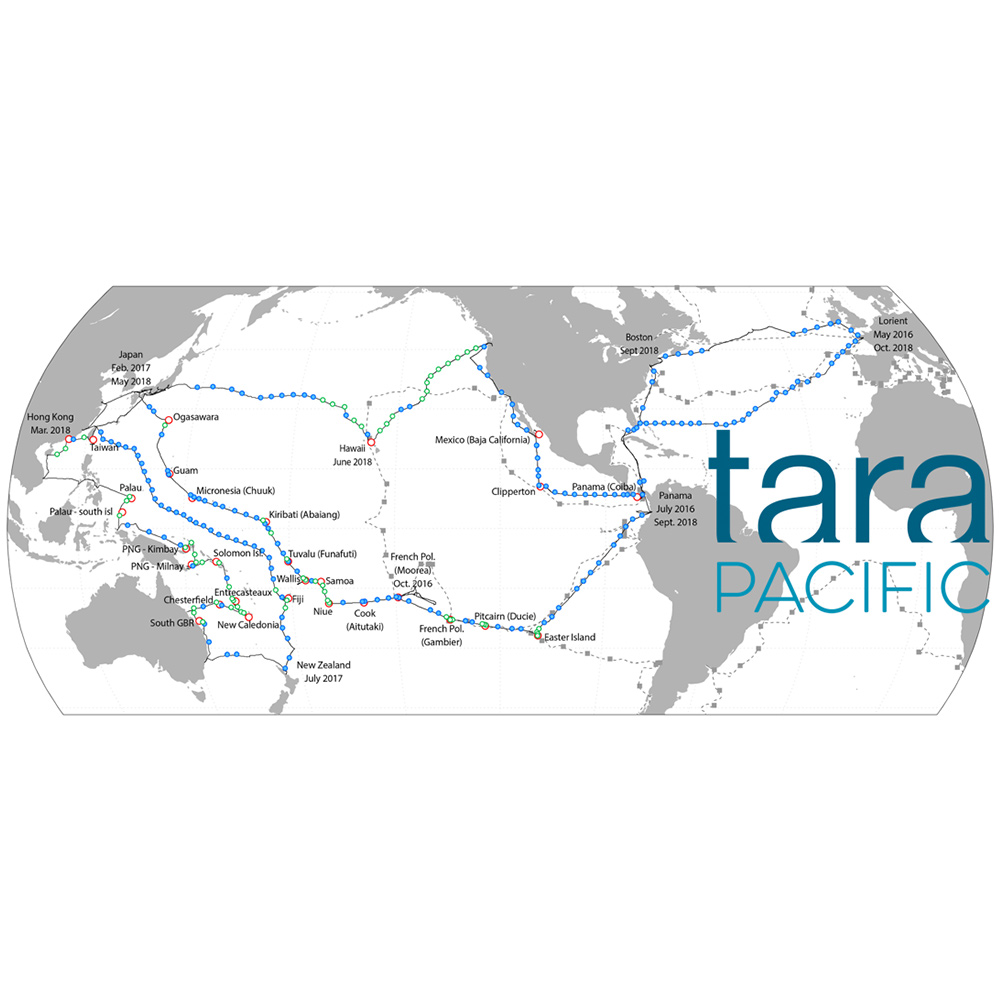
    Interactions between the ocean and the atmosphere occur at the air-sea interface through the transfer of momentum, heat, gases and particulate matter, and through the impact of the upper-ocean biology on the composition and radiative properties of this boundary layer. The Tara Pacific expedition, launched in May 2016 aboard the schooner Tara, was a 29-month exploration with the dual goals to study the ecology of reef ecosystems along ecological gradients in the Pacific Ocean and to assess inter-island and open ocean surface plankton and neuston community structures. In addition, key atmospheric properties were measured to study links between the two boundary layer properties. A major challenge for the open ocean sampling was the lack of ship-time available for work at "stations". The time constraint led us to develop new underway sampling approaches to optimize physical, chemical, optical, and genomic methods to capture the entire community structure of the surface layers, from viruses to metazoans in their oceanographic and atmospheric physicochemical context. An international scientific consortium was put together to analyze the samples, generate data, and develop datasets in coherence with the existing Tara Oceans database. Beyond adapting the extensive Tara Oceans sampling protocols for high-resolution underway sampling, the key novelties compared to Tara Oceans' global assessment of plankton include the measurement of (i) surface plankton and neuston biogeography and functional diversity; (ii) bioactive trace metals distribution at the ocean surface and metal-dependent ecosystem structures; (iii) marine aerosols, including biological entities; (iv) geography, nature and colonization of microplastic; and (v) high-resolution underway assessment of net community production via equilibrator inlet mass spectrometry. We are committed to share the data collected during this expedition, making it an important resource important resource to address a variety of scientific questions.

  • F. Bessa, J. Frias, T. Kögel, A. Lusher, J. Andrade, J. Antunes, P. Sobral, E. Pagter, R. Nash, I. O'Connor, M.L. Pedrotti, M.E. Keros, V. León, V. Tirelli, G. Suaria, C. Lopes, J. Raimundo, M. Caetano, J. Gago, G. Gerdts. REPORT
  • Mikael Kedzierski, Mathilde Falcou-Préfol, Marie Emmanuelle Kerros, Maryvonne Henry, Maria Luiza Pedrotti, Stephane Bruzaud. Chemosphere (2019). ART
    Abstract

    The development of methods to automatically determine the chemical nature of microplastics by FTIR-ATR spectra is an important challenge. A machine learning method, named k-nearest neighbors classification, has been applied on spectra of microplastics collected during Tara Expedition in the Mediterranean Sea (2014). To realize these tests, a learning database composed of 969 microplastic spectra has been created. Results show that the machine learning process is very efficient to identify spectra of classical polymers such as poly(ethylene), but also that the learning database must be enhanced with less common microplastic spectra. Finally, this method has been applied on more than 4000 spectra of unidentified microplastics. The verification protocol showed less than 10% difference in the results between the proposed automated method and a human expertise, 75% of which can be very easily corrected. Highlights ► A machine learning algorithm was developed to determine the chemical nature of microplastics. ► This method allows a fast and reliable automated identification even when several thousand of FTIR spectra have to be studied.► This method is the first part of a software dedicated to the study of microplastics: POSEIDON.

  • Mikael Kedzierski, Jonathan Villain, Mathilde Falcou-Préfol, Marie Emmanuelle Kerros, Maryvonne Henry, Maria Luiza Pedrotti, Stéphane Bruzaud. PLoS ONE (2019). ART
    Abstract

    The study of microplastic pollution involves multidisciplinary analyses on a large number of microplastics. Therefore, providing an overview of plastic pollution is time consuming and, despite high throughput analyses, remains a major challenge. The objective of this study is to propose a protocol to determine how many microplastics must be analyzed to give a representative view of the particle size distribution and chemical nature, and calculate the associated margin error. Based on microplastic data from Tara Mediterranean campaign, this approach is explained through different examples. In this particular case, the results show that only 3% of the collected microplastics need to be analyzed to give a precise view on the scale of the North West Mediterranean Basin (error <5%), and 17.7% to give an overview manta per manta (error <10%). This approach could be an important practical contribution to microplastic studies.

  • J. Gago, A. Filgueiras, M.L. Pedrotti, M. Caetano, J. Frias. REPORT
  • Maria Luiza Pedrotti, Maria Grazia Mazzocchi, Fabien Lombard, François Galgani, Marie Emmanuelle Kerros, Maryvonne Henry, Amanda Elineau, Stéphanie Petit, María Luz Fernandez-De-Puelles, Stéphane Gasparini, Valentina Tirelli, Jean-Louis Jamet, Gabriel Gorsky. Conference on Microplastic Pollution in the Mediterranean Sea (2018). PROCEEDINGS
    Abstract

    TARA-Mediterranean expedition crossed the entire Mediterranean Sea in 2014 to study the distribution and concentration of floating microplastics and zooplankton. Surface samples were collected with a 330 µm Manta net, plastics were sorted from 124 samples and digitally imaged with the ZoosCan system. Results showed that plastic fragments were present in all samples with an average of 2.6 x 10⁵ items/km2 and values varying from 2 x 10³ items/km2 in the Eastern basin, to more than 2 x 10⁶ items/km2 in the Western basin. Coastal zones of Naples, Corsica and Marseille were clearly identified as areas of particularly high plastic concentration.

  • Mathilde Falcou-Préfol, Mikael Kedzierski, Jonathan Villain, Marie Emmanuelle Kerros, Amanda Elineau, Maria Luiza Pedrotti, Stephane Bruzaud. PROCEEDINGS
  • J. Frias, E. Pagter, R. Nash, I. O'Connor, O. Carretero, A. Filgueiras, L. Viñas, J. Gago, J. Antunes, F. Bessa, P. Sobral, A. Goruppi, V. Tirelli, Maria Luiza Pedrotti, G. Suaria, S. Aliani, C. Lopes, J. Raimundo, M. Caetano, G. Gerdts. REPORT
  • Claire Dussud, Anne-Leïla Meistertzheim, Pascal Conan, Mireille Pujo-Pay, Matthieu George, Pascale Fabre, Jean Coudane, Perry Higgs, Amanda Elineau, Maria-Luiza Pedrotti, Gabriel Gorsky, Jean-François Ghiglione. Environmental Pollution (2018). ART
    Abstract

    Plastic pollution is widespread in ocean ecosystems worldwide, but it is unknown if plastic offers a unique habitat for bacteria compared to communities in the water column and attached to naturallyoccurring organic particles. The large set of samples taken during the Tara-Mediterranean expedition revealed for the rst time a clear niche partitioning be tween free-living (FL), orga nic particle-attached fi (PA) and the recently introduced plastic marine debris (PMD). Bacterial counts in PMD presented higher cell enrichment factors than generally observed for PA fraction, when compared to FL bacteria in the surrounding waters. Taxonomic diversity was also higher in the PMD communities, where higher evenness indicated a favorable environment for a very large number of species. were Cyanobacteria particularly overrepresented in PMD, together with essential functions for bio lm formation and fi maturation. The communit y distinction between the three habitats was consistent across the large-scale sampling in the Western Mediterranean basin. Plastic speci c bacteria recovered only on the PMD ' fi ' represented half of the OTUs, thus forming a distinct habitat that should be further considered for understanding microbial biodiversity in changing marine ecosystems.

  • Mikaël Kedzierski, Villain Jonathan, Mathilde Falcou-Préfol, Marie Emmanuelle Kerros, Maria-Luiza Pedrotti, Stéphane Bruzaud. Micro2018 (2018). COMM
  • G. Gerdts, K. Thomas, D. Herzke, M. Haeckel, B. Scholz-Böttcher, C. Laforsch, F. Lagarde, A.M. Mahon, M.L. Pedrotti, G.A. de Lucia, P. Sobral, J. Gago, S.M. Lorenzo, F. Noren, M. Hassellöv, T. Kögel, V. Tirelli, M. Caetano, A. Collignon, I. Lips, O. Mallow, O. Seatala, K. Goede, P. Licandro. PROCEEDINGS
  • Anastasia Tsiola, Paraskevi Pitta, Antonia Giannakourou, Guillaume Bourdin, Sophie Marro, Laure Maugendre, Maria Luiza Pedrotti, Frédéric Gazeau. Estuarine, Coastal and Shelf Science (2017). ART
  • Guillaume Bourdin, Frédéric Gazeau, Marie-Emmanuelle Kerros, Sophie Marro, Maria Luiza Pedrotti. Estuarine, Coastal and Shelf Science (2017). ART
  • T. Tsagaraki, Barak Herut, Eyal Rahav, Ilana Berman-Frank, A. Tsiola, M. Tsapakis, Antonia Giannakourou, Alexandra Gogou, Christos Panagiotopoulos, Kalliopi Violaki, S. Psarra, Anna Lagaria, E. Christou, N. Papageorgiou, S Zervoudaki, F de Puelles, N Nikolioudakis, Travis B Meador, T. Tanaka, Maria-Luiza Pedrotti, M Krom, Paraskevi Pitta. Frontiers in Marine Science (2017). ART
    Abstract

    The effects of atmospheric deposition on plankton community structure were examined during a mesocosm experiment using water from the Cretan Sea (Eastern Mediterranean), an area with a high frequency of atmospheric aerosol deposition events. The experiment was carried out under spring-summer conditions (May 2012). The main objective was to study the changes induced from a single deposition event, on the autotrophic and heterotrophic surface microbial populations, from viruses to zooplankton. To this end, the effects of Saharan dust addition were compared to the effects ofmixed aerosol deposition on the plankton community over 9 days. The effects of the dust addition seemed to propagate throughout the food-web, with changes observed in nearly all of the measured parameters up to copepods. The dust input stimulated increased productivity, both bacterial and primary. Picoplankton, both autotrophic and heterotrophic capitalized on the changes in nutrient availability and microzooplankton abundance also increased due to increased availability of prey. Five days after the simulated deposition, copepods also responded, with an increase in egg production. The results suggest that nutrients were transported up the food web through autotrophs, which were favored by the Nitrogen supplied through both treatments. Although, the effects of individual events are generally short lived, increased deposition frequency and magnitude of events is expected in the area, due to predicted reduction in rainfall and increase in temperature, which can lead to more persistent changes in plankton community structure. Here we demonstrate how a single dust deposition event leads to enhancement of phytoplankton and microzooplankton and can eventually, through copepods, transport more nutrients up the food web in the Eastern Mediterranean Sea.

  • Martina Dal Bello, Jean-Charles Leclerc, Lisandro Benedetti-Cecchi, Giuseppe Andrea de Lucia, Christos Arvanitidis, Pim van Avesaath, Guy Bachelet, Natalia Bojanic, Serena Como, Stefania Coppa, Jennifer Coughlan, Tasman Crowe, Steven Degraer, Free Espinosa, Sarah Faulwetter, Matt Frost, Xabier Guinda, Emilia Jankowska, J. Jourde, Jose Antonio Juanes de La Pena, Francis Kerckhof, Jonne Kotta, Nicolas Lavesque, Paolo Magni, Valentina de Matos, Helen Orav-Kotta, Christina Pavloudi, Maria Luiza Pedrotti, Ohad Peleg, Angel Perez-Ruzafa, Araceli Puente, Pedro Ribeiro, Fabienne Rigaut-Jalabert, Gil Rilov, Maria Rousou, Marcos Rubal, Tomas Ruginis, Teresa Silva, Nathalie Simon, Isabel Sousa-Pinto, Jesús Troncoso, Jan Warzocha, Jan Marcin Weslawski, Herman Hummel. Journal of the Marine Biological Association of the United Kingdom (2017). ART
  • Jonne Kotta, Helen Orav-Kotta, Holger Jänes, Herman Hummel, Christos Arvanitidis, Pim van Avesaath, Guy Bachelet, Lisandro Benedetti-Cecchi, Natalia Bojanić, Serena Como, Stefania Coppa, Jennifer Coughlan, Tasman Crowe, Martina Dal Bello, Steven Degraer, Jose Antonio Juanes de La Pena, Valentina Kirienko Fernandes de Matos, Free Espinosa, Sarah Faulwetter, Matt Frost, Xabier Guinda, Emilia Jankowska, J. Jourde, Francis Kerckhof, Nicolas Lavesque, Jean-Charles Leclerc, Paolo Magni, Christina Pavloudi, Maria Luiza Pedrotti, Ohad Peleg, Angel Perez-Ruzafa, Araceli Puente, Pedro Ribeiro, Gil Rilov, Maria Rousou, Tomas Ruginis, Teresa Silva, Nathalie Simon, Isabel Sousa-Pinto, Jesús Troncoso, Jan Warzocha, Jan Marcin Weslawski. Journal of the Marine Biological Association of the United Kingdom (2017). ART
  • Herman Hummel, Pim van Avesaath, Sander Wijnhoven, Loran Kleine-Schaars, Steven Degraer, Francis Kerckhof, Natalia Bojanic, Sanda Skejic, Olja Vidjak, Maria Rousou, Helen Orav-Kotta, Jonne Kotta, J. Jourde, Maria Luiza Pedrotti, Jean-Charles Leclerc, Nathalie Simon, Fabienne Rigaut-Jalabert, Guy Bachelet, Nicolas Lavesque, Christos Arvanitidis, Christina Pavloudi, Sarah Faulwetter, Tasman Crowe, Jennifer Coughlan, Lisandro Benedetti-Cecchi, Martina Dal Bello, Paolo Magni, Serena Como, Stefania Coppa, Anda Ikauniece, Tomas Ruginis, Emilia Jankowska, Jan Marcin Weslawski, Jan Warzocha, Sławomira Gromisz, Bartosz Witalis, Teresa Silva, Pedro Ribeiro, Valentina Kirienko Fernandes de Matos, Isabel Sousa-Pinto, Puri Veiga, Jesús Troncoso, Xabier Guinda, Jose Antonio Juanes de La Pena, Araceli Puente, Free Espinosa, Angel Perez-Ruzafa, Matt Frost, Caroline Louise Mcneill, Ohad Peleg, Gil Rilov. Journal of the Marine Biological Association of the United Kingdom (2017). ART
  • Araceli Puente, Xabier Guinda, Jose Juanes, Elvira Ramos, Beatriz Echavarri-Erasun, Camino de La Hoz, Steven Degraer, Francis Kerckhof, Natalia Bojanić, Maria Rousou, Helen Orav-Kotta, Jonne Kotta, J. Jourde, Maria Luiza Pedrotti, Jean-Charles Leclerc, Nathalie Simon, Guy Bachelet, Nicolas Lavesque, Christos Arvanitidis, Christina Pavloudi, Sarah Faulwetter, Tasman Crowe, Jennifer Coughlan, Lisandro Benedetti Cecchi, Martina Dal Bello, Paolo Magni, Serena Como, Stefania Coppa, Giuseppe Andrea de Lucia, Tomas Rugins, Emilia Jankowska, Jan Marcin Weslawski, Jan Warzocha, Teresa Silva, Pedro Ribeiro, Valentina de Matos, Isabel Sousa-Pinto, Jesús Troncoso, Ohad Peleg, Gil Rilov, Free Espinosa, Angel Pérez Ruzafa, Matt Frost, Herman Hummel, Pim van Avesaath. Journal of the Marine Biological Association of the United Kingdom (2017). ART
  • Frédéric Gazeau, A. Sallon, P. Pitta, A. Tsiola, L. Maugendre, M. Giani, M. Celussi, M.L. Pedrotti, S. Marro, Cecile Guieu. Estuarine, Coastal and Shelf Science (2017). ART
    Abstract

    Modifications in the strength of the biological pump as a consequence of ocean acidification, whether positive or negative, have the potential to impact atmospheric CO2 and therefore climate. So far, most plankton community perturbation studies have been performed in nutrient-rich areas although there are some indications that CO2-dependent growth could differ in nutrient-replete vs. -limited regions and with different community compositions. Two in situ mesocosm experiments were performed in the NW Mediterranean Sea during two seasons with contrasted environmental conditions: summer oligotrophic stratified waters in the Bay of Calvi vs. winter mesotrophic well-mixed waters in the Bay of Villefranche. Nine mesocosms were deployed for 20 and 12 d, respectively, and subjected to seven CO2 levels (3 controls, 6 elevated levels). Both phytoplankton assemblages were dominated by pico- and nano-phytoplankton cells. Although haptophyceae and dinoflagellates benefited from short-term CO2 enrichment in summer, their response remained small with no consequences on organic matter export due to strong environmental constraints (nutrient availability). In winter, most of the plankton growth and associated nutrient consumption occurred during the 4-day acidification period (before the experimental phase). During the remaining experimental period, characterized by low nutrient availability, plankton growth was minimal and no clear CO2-dependency was found for any of the tested parameters. While there is a strong confidence on the absence of significant effect of short-term CO2 addition under oligotrophic conditions, more investigations are needed to assess the response of plankton communities in winter when vertical mixing and weather conditions are major factors controlling plankton dynamics.

  • Mathilde Falcou-Préfol, Mikaël Kedzierski, Villain Jonathan, Marie Emmanuelle Keros, Amanda Elineau, Maria-Luiza Pedrotti, Stéphane Bruzaud. Micromed 2017 (2017). POSTER
  • Justine Louis, Maria Luiza Pedrotti, Frédéric Gazeau, Cécile Guieu. PLoS ONE (2017). ART
    Abstract

    The evolution of organic carbon export to the deep ocean, under anthropogenic forcing such as ocean warming and acidification, needs to be investigated in order to evaluate potential positive or negative feedbacks on atmospheric CO 2 concentrations, and therefore on climate. As such, modifications of aggregation processes driven by transparent exopolymer particles (TEP) formation have the potential to affect carbon export. The objectives of this study were to experimentally assess the dynamics of organic matter, after the simulation of a Saharan dust deposition event, through the measurement over one week of TEP abundance and size, and to evaluate the effects of ocean acidification on TEP formation and carbon export following a dust deposition event. Three experiments were performed in the laboratory using 300 L tanks filled with filtered seawater collected in the Mediterranean Sea, during two 'no bloom' periods (spring at the start of the stratification period and autumn at the end of this stratification period) and during the winter bloom period. For each experiment, one of the two tanks was acidified to reach pH conditions slightly below values projected for 2100 (~ 7.6–7.8). In both tanks, a dust deposition event of 10 g m-2 was simulated at the surface. Our results suggest that Saharan dust deposition triggered the abiotic formation of TEP, leading to the formation of organic-mineral aggregates. The amount of particulate organic carbon (POC) exported was proportional to the flux of lithogenic particles to the sediment traps. Depending on the season, the POC flux following artificial dust deposition ranged between 38 and 90 mg m-2 over six experimental days. Such variability is likely linked to the seasonal differences in the quality and quantity of TEP-precursors initially present in seawater. Finally, these export fluxes were not significantly different at the completion of the three experiments between the two pH conditions.

  • Jean-Baptiste Romagnan, Louis Legendre, Lionel Guidi, Jean-Louis Jamet, Dominique Jamet, Laure Mousseau, Maria-Luiza Pedrotti, Marc Picheral, Gabriel Gorsky, Christian Sardet, Lars Stemmann. PLoS ONE (2015). ART
    Abstract

    Ecological succession provides a widely accepted description of seasonal changes in phy-toplankton and mesozooplankton assemblages in the natural environment, but concurrent changes in smaller (i.e. microbes) and larger (i.e. macroplankton) organisms are not included in the model because plankton ranging from bacteria to jellies are seldom sampled and analyzed simultaneously. Here we studied, for the first time in the aquatic literature, the succession of marine plankton in the whole-plankton assemblage that spanned 5 orders of magnitude in size from microbes to macroplankton predators (not including fish or fish lar-vae, for which no consistent data were available). Samples were collected in the northwestern Mediterranean Sea (Bay of Villefranche) weekly during 10 months. Simultaneously collected samples were analyzed by flow cytometry, inverse microscopy, FlowCam, and ZooScan. The whole-plankton assemblage underwent sharp reorganizations that corresponded to bottom-up events of vertical mixing in the water-column, and its development was top-down controlled by large gelatinous filter feeders and predators. Based on the results provided by our novel whole-plankton assemblage approach, we propose a new comprehensive conceptual model of the annual plankton succession (i.e. whole plankton model) characterized by both stepwise stacking of four broad trophic communities from early spring through summer, which is a new concept, and progressive replacement of ecological plankton categories within the different trophic communities, as recognised traditionally.

  • Anna Kopf, Mesude Bicak, Renzo Kottmann, Julia Schnetzer, Ivaylo Kostadinov, Katja Lehmann, Antonio Fernandez-Guerra, Christian Jeanthon, Eyal Rahav, Matthias Ullrich, Antje Wichels, Gunnar Gerdts, Paraskevi Polymenakou, Giorgos Kotoulas, Rania Siam, Rehab Z Abdallah, Eva C Sonnenschein, Thierry Cariou, Fergal O'Gara, Stephen Jackson, Sandi Orlic, Michael Steinke, Julia Busch, Bernardo Duarte, Isabel Caçador, João Canning-Clode, Oleksandra Bobrova, Viggó Marteinsson, Eyjolfur Reynisson, Clara Magalhaes Loureiro, Gian Marco Luna, Grazia Marina Quero, Carolin R Löscher, Anke Kremp, Marie E Delorenzo, Lise Ovreas, Jennifer Tolman, Julie Laroche, Antonella Penna, Marc Frischer, Timothy Davis, Katherine Barker, Christopher P. Meyer, Sandra Ramos, Catarina Magalhaes, Florence Jude-Lemeilleur, Ma Leopoldina Aguirre-Macedo, Shiao Wang, Nicole Poulton, Scott Jones, Rachel Collin, Jed A Fuhrman, Pascal Conan, Cecilia Alonso, Noga Stambler, Kelly Goodwin, Michael M Yakimov, Federico Baltar, Levente Bodrossy, Jodie van de Kamp, Dion Mf Frampton, Martin Otrowski, Paul van Ruth, Paul Malthouse, Simon Claus, Klaas Deneudt, Jonas Mortelmans, Sophie Pitois, David Wallom, Ian Salter, Rodrigo Costa, Declan C. Schroeder, Mahrous M Kandil, Valentina Amaral, Florencia Biancalana, Rafael Santana, Maria-Luiza Pedrotti, Takashi Yoshida, Hiroyuki Ogata, Tim Ingleton, Kate Munnik, Naiara Rodriguez-Ezpeleta, Veronique Berteaux-Lecellier, Patricia Wecker, Ibon Cancio, Daniel Vaulot, Christina Bienhold, Hassan Ghazal, Bouchra Chaouni, Soumya Essayeh, Sara Ettamimi, El Houcine Zaid, Nourredine Boukhatem, Abderrahim Bouali, Rajaa Chahboune, Said Barrijal, Mohammed Titinouni, Fatima El Otmani, Mohamed Bennani, Marianna Mea, Nadezhda Todorova, Ventzislav Karamfilov, Petra ten Hoopen, Guy Cochrane, Stéphane L'Haridon, Kemal Can Bizsel, Alessandro Vezzi, Federico M Lauro, Patrick Martin, Rachelle M Jensen, Jamie Hinks, Susan Gebbels, Riccardo Rosselli, Fabio de Pascale, Riccardo Schiavon, Antonina dos Santos, Emilie Villar, Stéphane Pesant, Bruno Cataletto, Francesca Malfatti, Ranjith Edirisinghe, Jorge A Herrera Silveira, Michele Barbier, Valentina Turk, Tinkara Tinta, Wayne J Fuller, Ilkay Salihoglu, Nedime Serakinci, Mahmut Cerkez Ergoren, Eileen Bresnan, Juan Iriberri, Paul Anders Fronth Nyhus, Edvardsen Bente, Hans Erik Karlsen, Peter N Golyshin, Josep M Gasol, Snejana Moncheva, Nina Dzhembekova, Zackary Johnson, Christopher David Sinigalliano, Maribeth Louise Gidley, Adriana Zingone, Roberto Danovaro, George Tsiamis, Melody S. Clark, Ana Cristina Costa, Monia El Bour, Ana M Martins, R. Eric Collins, Anne-Lise Ducluzeau, Jonathan Martinez, Mark J Costello, Linda A Amaral-Zettler, Jack A Gilbert, Neil Davies, Dawn Field, Frank Oliver Glöckner. GigaScience (2015). ART
    Abstract

    Ocean Sampling Day was initiated by the EU-funded Micro B3 (Marine Microbial Biodiversity, Bioinformatics, Biotechnology) project to obtain a snapshot of the marine microbial biodiversity and function of the world’s oceans. It is a simultaneous global mega-sequencing campaign aiming to generate the largest standardized microbial data set in a single day. This will be achievable only through the coordinated efforts of an Ocean Sampling Day Consortium, supportive partnerships and networks between sites. This commentary outlines the establishment, function and aims of the Consortium and describes our vision for a sustainable study of marine microbial communities and their embedded functional traits.

  • Allison Schwier, Clémence Rose, Eija Asmi, Alina M. Ebling, William M. Landing, Sophie Marro, Maria-Luiza Pedrotti, Amélie Sallon, Francesca Iuculano, Susana Agustí, Anastasia Tsiola, Paraskevi Pitta, Justine Louis, Cecile Guieu, Frédéric Gazeau, Karine Sellegri. Atmospheric Chemistry and Physics Discussions (2015). ART
    Abstract

    The effect of ocean acidification and changing water conditions on primary (and secondary) marine aerosol emissions is not well understood on a regional or a global scale. To investigate this effect as well as the indirect effect on aerosol that changing biogeochemical parameters can have, ~ 52 m3 pelagic mesocosms were deployed for several weeks in the Mediterranean Sea during both winter pre-bloom and summer oligotrophic conditions and were subjected to various levels of CO2 to simulate the conditions foreseen in this region for the coming decades. After seawater sampling, primary bubble-bursting aerosol experiments were performed using a plunging water jet system to test both chemical and physical aerosol parameters (10–400 nm). Comparing results obtained during pre-bloom and oligotrophic conditions, we find the same four log-normal modal diameters (18.5 ± 0.6, 37.5 ± 1.4, 91.5 ± 2.0, 260 ± 3.2 nm) describing the aerosol size distribution during both campaigns, yet pre-bloom conditions significantly increased the number fraction of the second (Aitken) mode, with an amplitude correlated to virus-like particles, heterotrophic prokaryotes, TEPs (transparent exopolymeric particles), chlorophyll a and other pigments. Organic fractions determined from kappa closure calculations for the diameter, Dp ~ 50 nm, were much larger during the pre-bloom period (64 %) than during the oligotrophic period (38 %), and the organic fraction decreased as the particle size increased. Combining data from both campaigns together, strong positive correlations were found between the organic fraction of the aerosol and chlorophyll a concentrations, heterotrophic and autotrophic bacteria abundance, and dissolved organic carbon (DOC) concentrations. As a consequence of the changes in the organic fraction and the size distributions between pre-bloom and oligotrophic periods, we find that the ratio of cloud condensation nuclei (CCN) to condensation nuclei (CN) slightly decreased during the pre-bloom period. The enrichment of the seawater samples with microlayer samples did not have any effect on the size distribution, organic content or the CCN activity of the generated primary aerosol. Partial pressure of CO2, pCO2, perturbations had little effect on the physical or chemical parameters of the aerosol emissions, with larger effects observed due to the differences between a pre-bloom and oligotrophic environment.

  • Melilotus Thyssen, Gérald Grégori, Jean-Michel Grisoni, Maria-Luiza Pedrotti, Laure Mousseau, Luis Felipe Artigas, Sophie Marro, Nicole Garcia, Ornella Passafiume, Michel Denis. Frontiers in Microbiology (2014). ART
    Abstract

    Most of phytoplankton influence is barely understood at the sub meso scale and daily scale because of the lack of means to simultaneously assess phytoplankton functionality, dynamics and community structure. For a few years now, it has been possible to address this objective with an automated in situ high frequency sampling strategy. In order to study the influence of environmental short-term events (nutrients, wind speed, precipitation, solar radiation, temperature, and salinity) on the onset of the phytoplankton bloom in the oligotrophic Bay of Villefranche-sur-Mer (NW Mediterranean Sea), a fully remotely controlled automated flow cytometer (CytoSense) was deployed on a solar-powered platform (EOL buoy, CNRS-Mobilis). The CytoSense carried out single-cell analyses on particles (1–800 μm in width, up to several mm in length), recording optical pulse shapes when analyzing several cm3. Samples were taken every 2 h in the surface waters during 2 months. Up to 6 phytoplankton clusters were resolved based on their optical properties (PicoFLO, Picoeukaryotes, Nanophytoplankton, Microphytoplankton, HighSWS, HighFLO). Three main abundance pulses involving the 6 phytoplankton groups monitored indicated that the spring bloom not only depends on light and water column stability, but also on short-term events such as wind events and precipitation followed by nutrient pulses. Wind and precipitation were also determinant in the collapse of the clusters' abundances. These events occurred within a couple of days, and phytoplankton abundance reacted within days. The third abundance pulse could be considered as the spring bloom commonly observed in the area. The high frequency data-set made it possible to study the phytoplankton cell cycle based on daily cycles of forward scatter and abundance. The combination of daily cell cycle, abundance trends and environmental pulses will open the way to the study of phytoplankton short-term reactivity to environmental conditions.

  • M. G. Weinbauerr, J. Liu, C. Motegi, C. Maier, M. L. Pedrotti, M. Dai, J. P. Gattuso. Aquatic Microbial Ecology (2013). ART
    Abstract

    The mesopelagic ('twilight') zone of the ocean is the sandwich layer between euphotic surface waters and the deep ocean. The physical, chemical, and biological processes in this layer strongly influence the marine carbon cycle, although some surprising knowledge gaps remain, e.g. with respect to microbial communities. We therefore determined biological parameters such as microbial abundances, community respiration, and bacterial and archaeal community composition (as assessed by 16S rRNA gene PCR denaturing gradient gel electrophoresis, DGGE) over a seasonal time scale (at ca. 46 d intervals for 433 d) at a coastal mesopelagic site in the NW Mediterranean Sea (Point C, 300 m depth) and related them to physicochemical parameters. Some chemical and most biological parameters showed strong variability, thus confirming the emerging view that this water layer is more dynamic than previously thought. Community respiration was likely influenced by seasonal changes as indicated by its indirect relationship with water density. The high detected community respiration rates (0.23-1.65 mu mol O-2 l(-1) d(-1)) confirm that the twilight zone plays a critical role as a hub between surface and deep water. Statistical analyses indicate that water stratification, dissolved organic carbon, and transparent exopolymeric particles were controlling factors of bacterial community composition, whereas the archaeal community was likely controlled by other mechanisms. A sequence analysis of DGGE bands and a literature comparison suggests some specificity of the mesopelagic zone regarding bacterial and archaeal community composition, thus further confirming the peculiarity of this water layer.

  • Rodolphe Lemée, Luisa Mangialajo, Stéphanie Cohu, Zouher Amzil, A. Blanfuné, Nicolas Chomerat, Nicolas Ganzin, Stéphane Gasparini, Hubert Grossel, Laurence Guidi-Guivard, Laurent Hoareau, Franck Le Duff, Sophie Marro, Nathalie Simon, Elisabeth Nezan, Maria-Luiza Pedrotti, Véronique Sechet, Odile Soliveres, Thierry Thibaut. Cryptogamie Algologie (2012). ART
    Abstract

    The main goal of the multidisciplinary MediOs project was to acquire and analyze pertinent scientific knowledge in fields as diverse as ecology, biology, chemistry, epidemiology or socio-economics concerning the occurrence of species belonging to genus Ostreopsis (toxic benthic dinoflagellates) in the Mediterranean. The economic impact of Ostreopsis was estimated, based on the intensity and frequency of blooms. Results obtained allowed science-based recommendations concerning the management of risk, with suggestions to optimize environmental surveys, to initiate a food risk survey, and to structure actions at the national level.

  • Marius N. Müller, Luc L Beaufort, Olivier Bernard, Maria-Luiza Pedrotti, Amélie Talec, Antoine Sciandra. Biogeosciences (2012). ART
    Abstract

    Coccolithophores, a key phytoplankton group, are one of the most studied organisms regarding their physiological response to ocean acidification/carbonation. The biogenic production of calcareous coccoliths has made coccolithophores a promising group for paleoceanographic research aiming to reconstruct past environmental conditions. Recently, geochemical and morphological analyses of fossil coccoliths have gained increased interest in regard to changes in seawater carbonate chemistry. The cosmopolitan coccolithophore Emiliania huxleyi (Lohm.) Hay and Mohler was cultured over a range of pCO2 levels in controlled laboratory experiments under nutrient replete and nitrogen limited conditions. Measurements of photosynthesis and calcification revealed, as previously published, an increase in particulate organic carbon production and a moderate decrease in calcification from ambient to elevated pCO2. The enhancement in particulate organic carbon production was accompanied by an increase in cell diameter. Changes in coccolith volume were best correlated with the coccosphere/cell diameter and no significant correlation was found between the coccolith volume and the particulate inorganic carbon production. The conducted experiments revealed that the coccolith volume of E. huxleyi is variable with aquatic CO2 concentration but its sensitivity is rather small in comparison with its sensitivity to nitrogen limitation. Comparing coccolith morphological and geometrical parameters like volume, mass and size to physiological parameters under controlled laboratory conditions is an important step to understand variations in fossil coccolith geometry.

  • Maria Luiza Pedrotti, Sarah Fiorini, Marie-Emmanuelle Kerros, Jack J. Middelburg, Jean-Pierre Gattuso. Journal of Plankton Research (2012). ART
    Abstract

    The production of transparent exopolymeric particles (TEP) by the coccolithophores, Emiliania huxleyi, Calcidiscus leptoporus and Syracosphaera pulchra was investigated in batch cultures. The abundance, size spectra and carbon content of TEP were examined during the exponential growth phase of both haploid and diploid life stages grown under ambient (400 atm) and elevated (760 atm) CO2 partial pressure (pCO(2)) conditions. Results showed species- and life stage-specific differences in TEP production rate (day(1)) derived from abundance and carbon content of TEP. At 400 atm, TEP production rate was the highest in the diploid stage of S. pulchra and E. huxleyi, while TEP carbon content per cell was the highest in the diploid stage of C. leptoporus. At 760 atm, TEP production rate increased in almost all species and was closely related to the cell growth rates (except in the diploid stage of C. leptoporus), while the slope values of the regression lines between TEP size distribution and concentration decreased. This means that the contribution of smaller size TEP was relatively more important than larger TEP in the high pCO(2) treatment. Elevated pCO(2) is potentially able to alter TEP size distribution. TEP-C content cell(1) generally decreased with increasing pCO(2). TEP-C accounted for 124 of the cell particulate organic carbon production and was inversely related to increasing pCO(2). TEP production by C. leptoporus and S. pulchra has not previously been documented. The amount of organic carbon released as TEP by these coccolithophores is comparable to and may even exceed TEP production by some diatoms.

  • Sophie Martin, Sophie Richier, Maria-Luiza Pedrotti, Sam Dupont, Charlotte Castejon, Yannis Gerakis, Marie-Emmanuelle Kerros, Francois Oberhaensli, Jean-Louis Teyssié, Ross Jeffree, Jean-Pierre Gattuso. Journal of Experimental Biology (2011). ART
    Abstract

    Ocean acidification is predicted to have significant effects on benthic calcifying invertebrates, in particular on their early developmental stages. Echinoderm larvae could be particularly vulnerable to decreased pH, with major consequences for adult populations. The objective of this study was to understand how ocean acidification would affect the initial life stages of the sea urchin Paracentrotus lividus, a common species that is widely distributed in the Mediterranean Sea and the NE Atlantic. The effects of decreased pH (elevated P-CO2) were investigated through physiological and molecular analyses on both embryonic and larval stages. Eggs and larvae were reared in Mediterranean seawater at six pH levels, i.e. pH(T) 8.1, 7.9, 7.7, 7.5, 7.25 and 7.0. Fertilization success, survival, growth and calcification rates were monitored over a 3. day period. The expression of genes coding for key proteins involved in development and biomineralization was also monitored. Paracentrotus lividus appears to be extremely resistant to low pH, with no effect on fertilization success or larval survival. Larval growth was slowed when exposed to low pH but with no direct impact on relative larval morphology or calcification down to pHT. 7.25. Consequently, at a given time, larvae exposed to low pH were present at a normal but delayed larval stage. More surprisingly, candidate genes involved in development and biomineralization were upregulated by factors of up to 26 at low pH. Our results revealed plasticity at the gene expression level that allows a normal, but delayed, development under low pH conditions.

  • Chiaki Motegi, W Liu, Conny Maier, Maria-Luiza Pedrotti, H Dai, Jean-Pierre Gattuso, Markus G Weinbauer. EGU meeting 2011 (2011). COMM
  • R. Lemee, L. Mangialajo, Z. Amzil, Aurelie Blanfuné, N. Chomerat, S. Cohu, N. Ganzin, S. Gasparini, H. Grossel, L. Guidi-Guilivard, L. Hoareau, F. Leduff, S. Marro, Natalie Simon, E. Nezan, M.L. Pedrotti, V. Séchet, O. Soliveres, Thierry Thibaut. International Conference on Ostreopsis Development (2011). COMM
    Abstract

    The French research project MediOs 2 (Mediterranée Ostreopsis) and the relations with managers and policy makers.

  • M. L. Pedrotti, F. Peters, S. Beauvais, M. Vidal, J. Egge, A. Jacobsen, C. Marrase. Marine Ecology Progress Series (2010). ART
    Abstract

    The production of transparent exopolymer particles (TEP) in response to several environmental variables was studied in 2 mesocosm experiments. The first (Expt 1) examined a gradient of 4 nutrient levels; the second (Expt 2) examined different conditions of silicate availability and zooplankton presence. Tanks were separated in 2 series, one subjected to turbulence and the other not influenced by turbulence. In tanks with nutrient addition, TEP were rapidly formed, with net apparent production rates closely linked to chl a growth rates, suggesting that phytoplankton cells were actively exuding TEP precursors. High nutrient availability increased the absolute concentration of TEP; however, the relative quantity of TEP produced was found to be lower, as TEP concentration per unit of phytoplankton biomass was inversely related to the initial nitrate dose. In Expt 1, an increase in TEP volume (3 to 48 mu m equivalent spherical diameter) with nutrient dose was observed; in Expt 2, both silicate addition and turbulence enhanced TEP production and favored aggregation to larger TEP (> 48 mu m). The presence of zooplankton lowered TEP concentration and changed the size distribution of TEP, presumably by grazing on TEP or phytoplankton. For lower nutrient concentrations, the ratio of particulate organic carbon (POC) to particulate organic nitrogen (PON) followed the Red-field ratio. At higher nutrient conditions, when nutrients were exhausted during the post-bloom, a decoupling of carbon and nitrogen dynamics occurred and was correlated to TEP formation, with a large flow of carbon channeled toward the TEP pool in turbulent tanks. TEP accounted for an increase in POC concentration of 50% in high-nutrient and turbulent conditions. The study of TEP dynamics is crucial to understanding the biogeochemical response of the aquatic system to forcing variables such as nutrient availability and turbulence intensity.

  • Chiaki Motegi, W Liu, Conny Maier, Maria-Luiza Pedrotti, H Dai, Jean-Pierre Gattuso, Markus G Weinbauer. EPOCA/BIOACID/UKOAR Meeting (2010). COMM
  • M.-L. Pedrotti, Sophie Beauvais, Marie-Emmanuelle Kerros, K. Iversen, F. Peters. Aquatic Microbial Ecology (2009). ART
    Abstract

    We examined bacterial colonization of transparent exopolymeric particles (TEP) in nutrient-manipulated mesocosms subjected to different turbulence intensities. We quantified heterotrophic bacterial abundance, production and diversity using fluorescence in situ hybridization (FISH). The abundance of attached bacteria increased significantly with TEP size in all treatments. The slope values of the number of bacteria scaled with TEP size varied from 1.15 on Day 1 to 2.04 on Day 11 in still and turbulent tanks, respectively. Comparison between these slopes indicated that the number of attached bacteria for a given TEP diameter was higher under turbulence. The addition of nutrients and turbulence in mesocosms neither supported higher bacterial abundance nor resulted in a correlation between bacterial concentrations and TEP. However, in enriched turbulent tanks, the number of attached bacteria was higher and was linked to rapid TEP formation after the diatom bloom. This was accompanied by higher bacterial production (1.21 mu mol C l(-1) d(-1) at the intermediate level of turbulence on Day 9), which was positively related to TEP. These correlations highlight the finding that higher bacterial productivity was due to a larger fraction of attached bacteria (up to 56.4 %). Changes in bacterial production occurred with simultaneous changes in the community structure, i.e. the percentages of the Cytophaga-Flavobacteria-Bacteroides cluster increased significantly. By Day 9, this cluster became the dominant group of bacteria attached to TEP (85 and 90 %, respectively at intermediate and high levels of turbulence), Among the marine heterotrophic bacterioplankton, this phylum is known to be common as attached bacteria, Therefore, it seems that the added nutrients and subsequent TEP production can be used by bacteria more efficiently under turbulent conditions through a shift in group-specific composition towards more attached bacteria with higher production rates.

  • A. Enjalric, M.L. Pedrotti, Aurelie Blanfuné, S. Cohu, L. Mangialajo, Thierry Thibaut, R. Lemee. Séminaires du Projet MediOs2 (2009). COMM
    Abstract

    Étude des TEP et des bactéries associées à Ostreopsis cf. ovata.

  • S. Beauvais, M. L. Pedrotti, J. Egge, K. Iversen, C. Marrase. Marine Ecology Progress Series (2006). ART
    Abstract

    The effect of different small-scale turbulence intensities on transparent exopolymeric particle (TEP) dynamics was studied in natural North Sea coastal waters. The abundance, volume, size spectra and carbon content of TEP were examined in mesocosms with and without added nutrients: no addition (T series) and a Redfield ratio supply on Day 1 (NT series), fertilized with 16 mu M N: 1 mu M P:32 mu M Si to favor phytoplankton production in the form of a bloom. Turbulence was generated by vertically oscillating grids, operating continuously for 14 d. We determined whether TEP production, under contrasting nutrient conditions, changes with level of turbulence. TEP concentration increased with turbulence. The effect of turbulence was likely indirect, by inducing an increase in growth rates of diatoms that actively exude TEP precursor, particularly when nutrients were exhausted. Following TEP production, the ratio of particulate organic carbon to nitrogen increased after the bloom, regardless of turbulence level. TEP formation led to a decoupling of carbon and nitrogen dynamics, with a large flow of carbon channeled into the TEP pool, representing up to 44% of the primary production, and was constant with the turbulence intensity. While turbulence had no effect on small particles (< 40 mu m), turbulence favored the aggregation of TEP > 40 mu m. We found significant sedimentation of TEP when turbulence was lower (5 to 8 x 10(-2) cm(2) s(-3)) and a persistence of the TEP pool in the tanks without sinking at higher levels of turbulence intensity, typical of storm events (epsilon = 1 cm(2) s(-3)).

  • Yvan Bettarel, J. R. Dolan, Karel Hornak, R. Lemee, Michal Masin, M.-L. Pedrotti, E. Rochelle-Newall, Karel Simek, Télesphore Sime-Ngando. FEMS Microbiology Ecology (2002). ART
    Abstract

    Planktonic microbial communities often appear stable over periods of days and thus tight links are assumed to exist between different functional groups (i.e. producers and consumers). We examined these links by characterizing short-term temporal correspondences in the concentrations and activities of microbial groups sampled from 1 m depth, at a coastal site of the N.W. Mediterranean Sea, in September 2001 every 3 h for 3 days. We estimated the abundance and activity rates of the autotrophic prokaryote Synechococcus, heterotrophic bacteria, viruses, heterotrophic nanoflagellates, as well as dissolved organic carbon concentrations. We found that Synechococcus, heterotrophic bacteria, and viruses displayed distinct patterns. Synechococcus abundance was greatest at midnight and lowest at 21:00 and showed the common pattern of an early evening maximum in dividing cells. In contrast, viral concentrations were minimal at midnight and maximal at 18:00. Viral infection of heterotrophic bacteria was rare (0.5-2.5%) and appeared to peak at 03:00. Heterotrophic bacteria, as % eubacteria-positive cells, peaked at midday, appearing loosely related to relative changes in dissolved organic carbon concentration. Bacterial production as assessed by leucine incorporation showed no consistent temporal pattern but could be related to shifts in the grazing rates of heterotrophic nanoflagellates and viral infection rates. Estimates of virus-induced mortality of heterotrophic bacteria, based on infection frequencies, were only about 10% of cell production. Overall, the dynamics of viruses appeared more closely related to Synechococcus than to heterotrophic bacteria. Thus, we found weak links between dissolved organic carbon concentration, or grazing, and bacterial activity, a possibly strong link between Synechococcus and viruses, and a missing link between light and viruses.

  • Jean-Pierre Girard, Joanna Szpunar, Maria-Luiza Pedrotti, Danielle Pesando. Environmental Toxicology and Chemistry (2000). ART
    Abstract

    Nanomolar concentrations of tri-n-butyltin (TBT) from 5 x 10⁻¹⁰ M to 5 x 10⁻⁹ M, were assayed on sea urchin (Paracentrotus lividus) egg cleavage and on larval development. Preincubation enhanced TBT toxicity to first cleavage DNA and protein syntheses but not to intracellular calcium sequestration. Exposure to nanomolar TBT affected the larval development up to the ninth day by reducing arm length and increasing the diameter of the rudiment. Chromatographic analysis of TBT in eggs shows a dose-dependent biomagnification with a half-time of 5 min, which is much shorter than the length of preincubation necessary to provoke cytotoxicity at the same concentration (5 x 10⁻⁹ or 5 x 10⁻¹⁰ M). Our data suggest that nanomolar concentrations of TBT similar to those encountered in polluted waters could directly affect sea urchin egg development after fertilization and the larval cycle, these effects being independent of bioaccumulation.