LOV MEMBER
People working@LOV

CONTACT : Laure Mousseau

Laboratoire d'Océanographie de Villefranche, LOV
Institut de la Mer de Villefranche, IMEV
181 Chemin du Lazaret
06230 Villefranche-sur-Mer (France)

Associate professor

@ CHOC

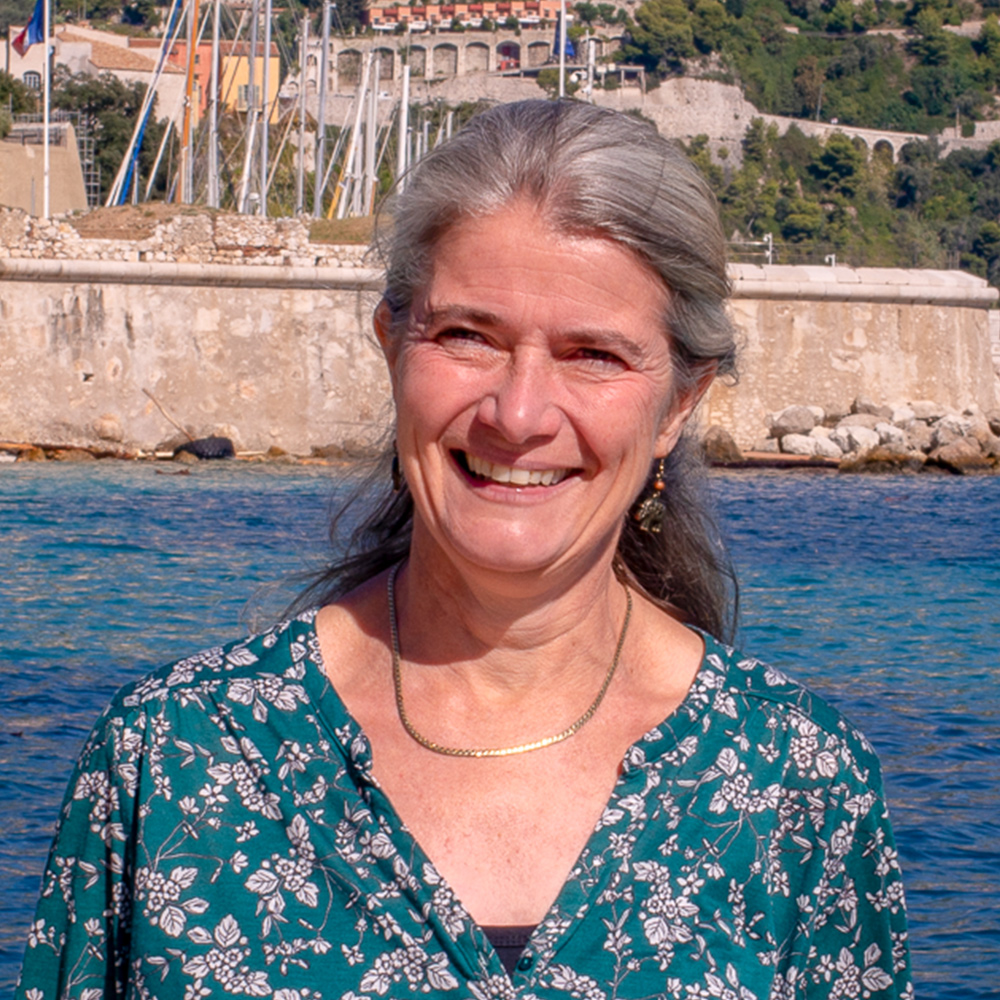
Laure Mousseau

Current position :

2000-present : Assistant professor Sorbonne Université

Status :

Permanent

Employer :

SORBONNE UNIVERSITE

Team(s) :

Hosting Lab :

LOV (UMR 7093)

Keywords :

Complementary Information

Facilities

Scientific Manager

PUBLICATIONS BY

Laure Mousseau

19 documents 🔗 HAL Profile
  • Nicolas Savoye, Fabrice Lizon, Elsa Breton, Pascal Claquin, Orianne Joly, Emmanuelle Sultan, Yann Bozec, Jean-Luc Jung, Cédric Boulard, Peggy Rimmelin-Maury, Aude Leynart, Hélène Agogué, Philippe Pineau, Yolanda del Amo, Pascal Conan, Behzad Mostajir, Gérald Grégori, Laure Mousseau, Mendès Fabrice. SEANOE = Sea scientific open data publication (2024). OTHER
    Abstract

    SOMLIT (Service d'Observation en Milieur Littoral) : a French Coastal Monitoring Network Coastal zones are where land, ocean and atmosphere interact. They are important for the exchange of matter and energy, and play a key role in (biogeo)chemical cycles at global scale. These environments are characterised by significant spatial and temporal variability of their physico-chemical and biological parameters due to local and seasonal meteorological drivers which are exacerbated by large-scale climate drivers (e.g. global warming, modification of the wind regime) and local-scale anthropogenic drivers (e.g. nutrient cycle changes linked to the use of fertilisers or the construction of large installations such as dams). These driving mechanisms are often interconnected. In the context of global warming (due to­­ climate and human-induced changes), the identification and understanding of their impact on coastal marine and littoral ecosystems is essential. The scientific objective of SOMLIT is to 1) characterise the multi-decadal evolution of coastal marine and littoral ecosystems, and 2) determine the climatic and anthropogenic drivers. In order to meet this objective, a nationally coordinated multi-site monitoring system was set up in the mid-1990s. The observation strategy is the same for each of the 12 monitored ecosystems with fortnightly sampling and/or measurements, at high tide (for sites subject to tides): 1) in surface-water for a range of 15 parameters (temperature, salinity, dissolved oxygen, pH, nitrate, nitrite, ammonium, phosphate, silicate, suspended particulate matter, chlorophyll a, particulate organic carbon and nitrogen and stable isotopes of particulate organic carbon and nitrogen), 2) in surface-water for a range of 26 parameters of numbering and optical characteristics of pico- and nanoplankton), and 3) along the water column for temperature, salinity, fluorescence and PAR (vertical profiles of multi-parameter probes). SOMLIT’s activities are carried out under a quality assurance / quality control process based on the ISO 17025 standard. SOMLIT’s service provision objectives are to provide data and logistical support for research and other observation activities. SOMLIT has been officially accredited since 1996 as one of the CNRS (French National Centre for Scientific Research) National Observation Services (SNO). SOMLIT’s coordination is hosted by the Observatoire Aquitain des Sciences de l'Univers (University of Bordeaux / CNRS) and the service relies on strong partnerships with nine other institutions (University of Lille, University of the Littoral Opal Coast, University of Caen Normandy, Sorbonne University, University of Western Brittany, La Rochelle University, University of Montpellier, Aix Marseille University, National Museum of Natural History). SOMLIT is one of the nine networks that compose France’s Coastal Research Infrastructure (ILICO). SOMLIT has strong ties with ILICO’s other networks such as the SNOs MOOSE (Mediterranean Ocean Observing System on Environment), PHYTOBS (microphytoplankton monitoring) and COAST-HF (Coastal Ocean Observing System - High Frequency).

  • Elsa Breton, Nicolas Savoye, Peggy Rimmelin-Maury, Benoit Sautour, Eric Goberville, Arnaud Lheureux, Thierry Cariou, Sophie Ferreira, Hélène Agogué, Samir Alliouane, Fabien Aubert, Sébastien Aubin, Eric Berthebaud, Hadrien Blayac, Lucie Blondel, Cédric Boulart, Yann Bozec, Sarah Bureau, Arnaud Caillo, Arnaud Cauvin, Jean-Baptiste Cazes, Léo Chasselin, Pascal Claquin, Pascal Conan, Marie-Ange Cordier, Laurence Costes, Romain Crec’hriou, Olivier Crispi, Muriel Crouvoisier, Valérie David, Yolanda del Amo, Hortense de Lary, Gaspard Delebecq, Jeremy Devesa, Aurélien Domeau, Maria Durozier, Claire Emery, Éric Feunteun, Juliette Fauchot, Valérie Gentilhomme, Sandrine Geslin, Mélanie Giraud, Karine Grangeré, Gerald Grégori, Emilie Grossteffan, Aurore Gueux, Julien Guillaudeau, Gael Guillou, Manon Harrewyn, Orianne Jolly, Florence Jude-Lemeilleur, Paul Labatut, Nathalie Labourdette, Nicolas Lachaussée, Michel Lafont, Veronique Lagadec, Christophe Lambert, Jezebel Lamoureux, Laurent Lanceleur, Benoit Lebreton, Eric Lecuyer, David Lemeille, Yann Leredde, Cédric Leroux, Aude Leynaert, Stéphane L'Helguen, Camilla Liénart, Eric Macé, Eric Maria, Barbara Marie, Dominique Marie, Sébastien Mas, Line Mornet, Behzad Mostajir, Laure Mousseau, Antoine Nowaczyk, Sandra Nunige, René Parra, Thomas Paulin, David Pecqueur, Franck Petit, Philippe Pineau, Patrick Raimbault, Fabienne Rigaut-Jalabert, Christophe Salmeron, Ian Salter, Pierre-Guy Sauriau, Laurent Seuront, Emmanuelle Sultan, Vincent Vantrepotte, Rémi Valdès, Francesca Vidussi, Florian Voron, Renaud Vuillemin, Laurent Zudaire, Nicole Garcia. Frontiers in Marine Science (2023). ART
    Abstract

    Introduction While crucial to ensuring the production of accurate and high-quality data—and to avoid erroneous conclusions—data quality control (QC) in environmental monitoring datasets is still poorly documented. Methods With a focus on annual inter-laboratory comparison (ILC) exercises performed in the context of the French coastal monitoring SOMLIT network, we share here a pragmatic approach to QC, which allows the calculation of systematic and random errors, measurement uncertainty, and individual performance. After an overview of the different QC actions applied to fulfill requirements for quality and competence, we report equipment, accommodation, design of the ILC exercises, and statistical methodology specially adapted to small environmental networks (<20 laboratories) and multivariate datasets. Finally, the expanded uncertainty of measurement for 20 environmental variables routinely measured by SOMLIT from discrete sampling—including Essential Ocean Variables—is provided. Results, Discussion, Conclusion The examination of the temporal variations (2001–2021) in the repeatability, reproducibility, and trueness of the SOMLIT network over time confirms the essential role of ILC exercises as a tool for the continuous improvement of data quality in environmental monitoring datasets.

  • A Lheureux, N Savoye, Y del Amo, Eric Goberville, Yann Bozec, P Conan, Stéphane L'Helguen, L Mousseau, Patrick Raimbault, P Rimelin-Maury, L Seuront, R Vuillemin, J Caparros, T Cariou, Ma Cordier, Am Corre, L Costes, O Crispi, M Crouvoisier, H Derriennic, J Devesa, M Durozier, S Ferreira, N Garcia, E Grossteffan, A Gueux, M Lafont, V Lagadec, E Lecuyer, C Leroux, E Macé, E Maria, L Mornet, A Nowaczyk, M Parra, F Petit, Valérie David, Elsa Breton. Marine Ecology Progress Series (2021). ART
    Abstract

    Coastal marine ecosystems, which play a crucial role in the biogeochemical and ecological functioning of the Earth, are highly sensitive to the combined effects of climate and human activities. Because of their location, coastal ecosystems are directly influenced by human activities, but it remains challenging to assess the spatial and temporal scales at which climate influences coastal ecosystems. We monitored 12 sampling stations, distributed in 8 ecosystems in France, over 2 decades for physico-biogeochemical parameters (temperature, salinity, concentrations of dissolved oxygen, nutrients and particulate material). The study encompasses a large diversity of temperate coastal ecosystems with respect to e.g. geomorphology, trophic status, tidal regime, river influence and turbidity. Time-series analysis coupled with standardised 3-mode principal component analyses, partial triadic analyses and correlations were used to assess bi-decadal variability and ecosystem trajectories, and to identify large-scale, regional and local drivers. Our results highlighted 2 abrupt changes in 2001 and 2005. The bi-decadal changes were related to changes in large-scale and regional climate, detected through proxies of temperature and atmospheric circulation, as well as through river discharge. Ecosystem trajectories tended to move towards an increase in temperature and salinity, and/or a decrease in chlorophyll a , nutrients and particulate matter. However, the magnitude of change, the year-to-year variability and the sensitivity to the 2001 and 2005 changes varied among the ecosystems. This study highlights the need for establishing long-term time series and combining data sets as well as undertaking multi-ecosystem and local studies to better understand the long-term variability of coastal ecosystems and its associated drivers.

  • Camilla Liénart, Nicolas Savoye, Valérie V. David, Pierre Ramond, Paco Rodriguez Tress, Vincent Hanquiez, Vincent Marieu, Sébastien Aubin, Fabien Aubert, Sabrina Bichon, Christophe Boinet, Line Bourasseau, Yann Bozec, Martine Bréret, Elsa Breton, Jocelyne Caparros, Thierry Cariou, Pascal Claquin, Pascal Conan, Anne-Marie Corre, Laurence Costes, Muriel Crouvoisier, Yolanda del Amo, Hervé Derriennic, Francois Dindinaud, Robert Duran, Maïa Durozier, Jérémy Devesa, Sophie Ferreira, Éric Feunteun, Nicole Garcia, Sandrine Geslin, Emilie Grossteffan, Aurore Gueux, Julien Guillaudeau, Gael Guillou, Orianne Jolly, Nicolas Lachaussée, Michel Lafont, Véronique Lagadec, Jézabel Lamoureux, Béatrice Lauga, Benoit Lebreton, Eric Lecuyer, Jean-Paul Lehodey, Cédric Leroux, Stéphane L'Helguen, Éric Macé, Eric Maria, Laure Mousseau, Antoine Nowaczyk, Philippe Pineau, Franck Petit, Mireille Pujo-Pay, Patrick Raimbault, Peggy Rimmelin-Maury, Vanessa Rouaud, Pierre-Guy Sauriau, Emmanuelle Sultan, Nicolas Susperregui. Progress in Oceanography (2018). ART
    Abstract

    In costal systems, particulate organic matter (POM) results from a multiplicity of sources having their respective dynamics in terms of production, decomposition, transport and burial. The POM pool experiences thus considerable spatial and temporal variability. In order to better understand this variability, the present study employs statistical multivariate analyses to investigate links between POM composition and environmental forcings for a panel of twelve coastal systems distributed along the three maritime regions of France and monitored weekly to monthly for 1 to 8 years.At multi-system scale, two main gradients of POC composition have been identified: a 'Continent-Ocean' gradient associated with hydrodynamics, sedimentary dynamics and depth of the water column, and a gradient of trophic status related to nutrient availability. At local scale, seasonality of POC composition appears to be station-specific but still related to part of the above-mentioned forcings. A typology of systems was established by coupling spatial and temporal variability of POC composition. Four groups were highlighted: (1) the estuarine stations where POC composition is dominated by terrestrial POM and driven by hydrodynamics and sedimentary processes, (2) the oligotrophic systems, characterized by the contribution of diazotrophs due to low nutrient availability, and the marine meso/eutroph systems whose POC composition is (3) either deeply dominated by phytoplankton or (4) dominated by phytoplankton but where the contribution of continental and benthic POC is not negligible and is driven by hydrodynamics, sedimentary processes and the height of the water column.Finally, the present study provides several insights into the different forcings to POM composition and dynamics in temperate coastal systems at local and multi-system scales. This work also presents a methodological approach that establishes statistical links between forcings and POM composition, helping to gain more objectively insight of forcings.

  • Maria L Pedrotti, Laure Mousseau, Sophie Marro, Ornella Passafiume, Marjorie Gossaert, Jean-Philippe Labat. PLoS ONE (2017). ART
    Abstract

    Ultraplankton [heterotrophic prokaryotes and ultraphytoplankton (<10 μm)] were monitored weekly over two years (2009 & 2010) in a coastal area of the NW Mediterranean Sea. Six clusters were differentiated by flow cytometry on the basis of their optical properties, two heterotrophic prokaryote (HP) subgroups labelled LNA and HNA (low and high nucleic acid content respectively), Prochlorococcus, Synechococcus, autotrophic picoeukaryotes and nanoeukaryotes. HP represented an important component of the microbial assemblage over the survey with relatively small abundance variation through seasons. The carbon bio-mass ratio HP/ultraphytoplankton averaged 0.45, however this ratio exceeded 1 during spring. Ultraphytoplankton biomass made about 50% of the total autotrophic carbon estimates but this contribution increased up to 97% and 67% during the 2009 and 2010 spring periods respectively. Within ultraphytoplankton, nanoeukaryote represent the most important ultraphytoplankton group in terms of autotrophic carbon biomass (up to 70%). Picoeu-karyote maximum abundance occurred in winter. Synechococcus was the most abundant population (maximum 1.2 x 10 5 cells cm-3) particularly in spring where it represented up to 54% of ultraphytoplankton carbon biomass. The warmer winter-spring temperatures and the lengthening of the stratification period created a favorable situation for the earlier appearance of Synechococcus and its persistence throughout summer, paralleling Pro-chlorococcus development. Prochlorococcus was dominant over summer and autumn with concentrations up to 1.0 × 10 5 cells cm-3. While the abundance of Synechococcus throughout survey was of the same order as that reported in western Mediterranean Sea, Prochloro-coccus was more abundant and similar to the more typical oligotrophic and warm waters. The abundance variation of the ultraplankton components through the survey was relatable to variations in the hydrological and nutrient conditions.

  • Angélique Babène, Rémi Bellia, Yves Bidet, Charles-Francois Boudouresque, Cécilia Claeys, Romain David, Suzanne de Cheveigné, Sandrine Dhenain, Élodie Doze, Jean-Pierre Féral, Patrice Francour, Jean-Pierre Gattuso, Fabrizio Gianni, Jérémy Giuliano, Emeline Hatt, Nathalie Hilmi, Enisa Hizmaj, Jean-Olivier Irisson, Christophe Lagneau, Marie-Laure Lambert, Rodolphe Lemée, Audrey Lepetit, Luisa Mangialajo, Guillaume Marchessaux, Nathalie Marçot, Séverine Michalak, Laure Mousseau, Vincent Rey, Philippe Rossello, Sandrine Ruitton, François Sabatier, Alain Safa, Damien Sous, Alexis Stépanian, Isabelle Taupier-Letage, Delphine Thibault, Marc Thibaut, Thierry Thibaut, Julien Touboul. REPORT
  • Camilla Liénart, Nicolas Savoye, Yann Bozec, Elsa Breton, Pascal Conan, Valérie David, Éric Feunteun, Karine Grangeré, Philippe Kerhervé, Benoit Lebreton, Sébastien Lefebvre, Stéphane L'Helguen, Laure Mousseau, Patrick Raimbault, Pierre Richard, Pascal Riera, Pierre-Guy Sauriau, Gauthier Schaal, Fabien Aubert, Sébastien Aubin, Sabrina Bichon, Christophe Boinet, Line Bourasseau, Martine Bréret, Jocelyne Caparros, Thierry Cariou, Karine Charlier, Pascal Claquin, Vincent Cornille, Anne-Marie Corre, Laurence Costes, Olivier Crispi, Muriel Crouvoisier, Marie Czamanski, Yolanda del Amo, Hervé Derriennic, Francois Dindinaud, Maïa Durozier, Vincent Hanquiez, Antoine Nowaczyk, Jérémy Devesa, Sophie Ferreira, Michel Fornier, Fabrice Garcia, Nicole Garcia, Sandrine Geslin, Emilie Grossteffan, Aurore Gueux, Julien Guillaudeau, Gaël Guillou, Orianne Joly, Nicolas Lachaussée, Michel Lafont, Jézabel Lamoureux, Eric Lecuyer, Jean-Paul Lehodey, David Lemeille, Cédric Leroux, Eric Macé, Eric Maria, Philippe Pineau, Franck Petit, Mireille Pujo-Pay, Peggy Rimelin-Maury, Emmanuelle Sultan. Progress in Oceanography (2017). ART
    Abstract

    In coastal systems, the multiplicity of sources fueling the pool of particulate organic matter (POM) leads to divergent estimations of POM composition. Eleven systems (two littoral systems, eight embayments and semi-enclosed systems and one estuary) distributed along the three maritime façades of France were studied for two to eight years in order to quantify the relative contribution of organic matter sources to the surface-water POM pool in coastal systems. This study was based on carbon and nitrogen elemental and isotopic ratios, used for running mixing models. The POM of the estuary is dominated by terrestrial material (93% on average), whereas the POM of the other systems is dominated by phytoplankton (84% on average). Nevertheless, for the latter systems, the POM composition varies in space, with 1) systems where POM is highly composed of phytoplankton (≥ 93%), 2) systems characterized by a non-negligible contribution of benthic (8 to 19%) and/or riverine (7 to 19%) sources, and 3) the Mediterranean systems characterized by the contribution of diazotroph organisms (ca. 14%). A continent-to-ocean gradient of riverine and/or benthic POM contribution is observed. Finally, time series reveal 1) seasonal variations of POM composition, 2) differences in seasonality between systems, and 3) an inshore-offshore gradient of seasonality within each system that were sampled at several stations. Spatial and seasonal patterns of POM composition are mainly due to local to regional processes such as hydrodynamics and sedimentary hydrodynamic (e.g. resuspension processes, changes in river flows, wind patterns influencing along-shore currents) but also due to the geomorphology of the systems (depth of the water column, distance to the shore). Future studies investigating the link between these forcings and POM composition would help to better understand the dynamics of POM composition in coastal systems.

  • Lydia Kapsenberg, Samir Alliouane, Frédéric Gazeau, Laure Mousseau, Jean-Pierre Gattuso. Ocean Science (2017). ART
    Abstract

    Coastal time series of ocean carbonate chemistry are critical for understanding how global anthropogenic change manifests in near-shore ecosystems. Yet, they are few and have low temporal resolution. At the time series station Point B in the northwestern Mediterranean Sea, seawater was sampled weekly from 2007 through 2015, at 1 and 50 m, and analyzed for total dissolved inorganic carbon (C T) and total alkalinity (A T). Parameters of the carbonate system such as pH (pH T , total hydrogen ion scale) were calculated and a deconvolution analysis was performed to identify drivers of change. The rate of surface ocean acidification was −0.0028 ± 0.0003 units pH T yr −1. This rate is larger than previously identified open-ocean trends due to rapid warming that occurred over the study period (0.072 ± 0.022 • C yr −1). The total pH T change over the study period was of similar magnitude as the diel pH T variability at this site. The acidification trend can be attributed to atmospheric carbon dioxide (CO 2) forcing (59 %, 2.08 ± 0.01 ppm CO 2 yr −1) and warming (41 %). Similar trends were observed at 50 m but rates were generally slower. At 1 m depth, the increase in atmospheric CO 2 accounted for approximately 40 % of the observed increase in C T (2.97 ± 0.20 µmol kg −1 yr −1). The remaining increase in C T may have been driven by the same unidentified process that caused an increase in A T (2.08 ± 0.19 µmol kg −1 yr −1). Based on the analysis of monthly trends, synchronous increases in C T and A T were fastest in the spring–summer transition. The driving process of the interannual increase in A T has a seasonal and shallow component, which may indicate riverine or groundwater influence. This study exemplifies the importance of understanding changes in coastal carbonate chemistry through the lens of biogeochemical cycling at the land–sea interface. This is the first coastal acidification time series providing multi-year data at high temporal resolution. The data confirm rapid warming in the Mediterranean Sea and demonstrate coastal acidification with a synchronous increase in total alkalinity.

  • Jean-Baptiste Romagnan, Louis Legendre, Lionel Guidi, Jean-Louis Jamet, Dominique Jamet, Laure Mousseau, Maria-Luiza Pedrotti, Marc Picheral, Gabriel Gorsky, Christian Sardet, Lars Stemmann. PLoS ONE (2015). ART
    Abstract

    Ecological succession provides a widely accepted description of seasonal changes in phy-toplankton and mesozooplankton assemblages in the natural environment, but concurrent changes in smaller (i.e. microbes) and larger (i.e. macroplankton) organisms are not included in the model because plankton ranging from bacteria to jellies are seldom sampled and analyzed simultaneously. Here we studied, for the first time in the aquatic literature, the succession of marine plankton in the whole-plankton assemblage that spanned 5 orders of magnitude in size from microbes to macroplankton predators (not including fish or fish lar-vae, for which no consistent data were available). Samples were collected in the northwestern Mediterranean Sea (Bay of Villefranche) weekly during 10 months. Simultaneously collected samples were analyzed by flow cytometry, inverse microscopy, FlowCam, and ZooScan. The whole-plankton assemblage underwent sharp reorganizations that corresponded to bottom-up events of vertical mixing in the water-column, and its development was top-down controlled by large gelatinous filter feeders and predators. Based on the results provided by our novel whole-plankton assemblage approach, we propose a new comprehensive conceptual model of the annual plankton succession (i.e. whole plankton model) characterized by both stepwise stacking of four broad trophic communities from early spring through summer, which is a new concept, and progressive replacement of ecological plankton categories within the different trophic communities, as recognised traditionally.

  • Valeriano Parravicini, Luisa Mangialajo, Laure Mousseau, Andrea Peirano, Carla Morri, Monica Montefalcone, Patrice Francour, Michel Kulbicki, Carlo Nike Bianchi. Marine Ecology Progress Series (2015). ART
    Abstract

    The effects of global change are particularly serious in areas where range shifts of species are physically constrained such as the Ligurian Sea, which is one of the coldest sectors of the Mediterranean. In this basin, historical information on water temperature (from the sea surface down to 75 m depth) dates back to the 1950s. Early studies also recorded warm-water species occurrence. Thanks to these data we provide the first detailed characterization of water temperature variation from 1958 up to 2010 in the layer 0–75 m depth. We coupled this analysis with the available information on rocky reef epibenthic communities (literature review from 1955 to 1964 and field data from 1980 to 2010). The analysis of water temperature revealed several patterns of variation: a cooling phase from 1958 to 1980, a phase of rapid warming from 1980 to 1990 and a phase of slower warming from 1990 to 2010. Inter-annual variation in temperature increased over the entire period for the water layer down to 20 m. Warm-water native and alien species richness increased during the warming phases. Literature estimates suggest a decrease in warm-water native species richness during the cooling phase. The analysis of quantitative data collected in the early 1990s and late 2000s indicated a decrease in the cover of warm-water native species on shallow rocky reefs and an increase in deeper waters. We argue that increased inter-annual variation in water temperature may disadvantage native warm-water species in shallow waters. Our results indicate that the effect of temperature rises in cold, constrained basins may be more complex than the simple prediction of species changing their geographical range according to their thermal limits.

  • Melilotus Thyssen, Gérald Grégori, Jean-Michel Grisoni, Maria-Luiza Pedrotti, Laure Mousseau, Luis Felipe Artigas, Sophie Marro, Nicole Garcia, Ornella Passafiume, Michel Denis. Frontiers in Microbiology (2014). ART
    Abstract

    Most of phytoplankton influence is barely understood at the sub meso scale and daily scale because of the lack of means to simultaneously assess phytoplankton functionality, dynamics and community structure. For a few years now, it has been possible to address this objective with an automated in situ high frequency sampling strategy. In order to study the influence of environmental short-term events (nutrients, wind speed, precipitation, solar radiation, temperature, and salinity) on the onset of the phytoplankton bloom in the oligotrophic Bay of Villefranche-sur-Mer (NW Mediterranean Sea), a fully remotely controlled automated flow cytometer (CytoSense) was deployed on a solar-powered platform (EOL buoy, CNRS-Mobilis). The CytoSense carried out single-cell analyses on particles (1–800 μm in width, up to several mm in length), recording optical pulse shapes when analyzing several cm3. Samples were taken every 2 h in the surface waters during 2 months. Up to 6 phytoplankton clusters were resolved based on their optical properties (PicoFLO, Picoeukaryotes, Nanophytoplankton, Microphytoplankton, HighSWS, HighFLO). Three main abundance pulses involving the 6 phytoplankton groups monitored indicated that the spring bloom not only depends on light and water column stability, but also on short-term events such as wind events and precipitation followed by nutrient pulses. Wind and precipitation were also determinant in the collapse of the clusters' abundances. These events occurred within a couple of days, and phytoplankton abundance reacted within days. The third abundance pulse could be considered as the spring bloom commonly observed in the area. The high frequency data-set made it possible to study the phytoplankton cell cycle based on daily cycles of forward scatter and abundance. The combination of daily cell cycle, abundance trends and environmental pulses will open the way to the study of phytoplankton short-term reactivity to environmental conditions.

  • Eric Heinen de Carlo, Laure Mousseau, Ornella Passafiume, Patrick S. Drupp, Jean-Pierre Gattuso. AQUATIC GEOCHEMISTRY (2013). ART
    Abstract

    The Service d'Observation de la Rade de Villefranche-sur-Mer is designed to study the temporal variability of hydrological conditions as well as the abundance and composition of holo- and meroplankton at a fixed station in this bay of the northwest Mediterranean. The weekly data collected at this site, designated as ``Point B'' since 1957, represent a long-term time series of hydrological conditions in a coastal environment. Since 2007, the historical measurements of hydrological and biological conditions have been complemented by measurements of the CO2-carbonic acid system parameters. In this contribution, CO2-carbonic acid system parameters and ancillary data are presented for the period 2007-2011. The data are evaluated in the context of the physical and biogeochemical processes that contribute to variations in CO2 in the water column and exchange of this gas between the ocean and atmosphere. Seasonal cycles of the partial pressure of CO2 in seawater (pCO(2)) are controlled principally by variations in temperature, showing maxima in the summer and minima during the winter. Normalization of pCO(2) to the mean seawater temperature (18.5 degrees C), however, reveals an apparent reversal of the seasonal cycle with maxima observed in the winter and minima in the summer, consistent with a biogeochemical control of pCO(2) by primary production. Calculations of fluxes of CO2 show this area to be a weak source of CO2 to the atmosphere during the summer and a weak sink during the winter but near neutral overall (range -0.3 to +0.3 mmol CO2 m(-2) h(-1), average 0.02 mmol CO2 m(-2) h(-1)). We also provide an assessment of errors incurred from the estimation of annual fluxes of CO2 as a function of sampling frequency (3-hourly, daily, weekly), using data obtained at the Hawaii Kilo Nalu coastal time-series station, which shows similar behavior to the Point B location despite significant differences in climate and hydrological conditions and the proximity of a coral reef ecosystem.

  • Pieter Vandromme, Lars Stemmann, Léo Berline, Stéphane Gasparini, Laure Mousseau, Franck Prejger, Ornella Passafiume, Jean-Marc Guarini, Gabriel Gorsky. Biogeosciences (2011). ART
    Abstract

    An integrated analysis of the pelagic ecosystems of the Ligurian Sea is performed combining time series (1995-2005) of several zooplankton groups (one group for copepods smaller than 0.724mm(3) and nine groups for individuals larger than 0.724mm(3), i.e. large copepods, decapod larvae other crustaceans, chaetognaths, appendicularians, pteropods, thaliaceans, gelatinous predators and other zooplankton), chlorophyll-a, nutrients, salinity, temperature, density, and local weather at Point B coastal station (Northern Ligurian Sea). From 1995 to 2000 winters were wet and mild resulting in lower winter sea surface density. These years showed lower than average nutrients and zooplankton concentrations while chlorophyll-a biomass was high. After 2000, winters were colder and dryer resulting in higher sea surface density. Nutrients and zooplankton showed higher concentrations while chlorophyll-a was lower than average. The ca. 2000 change was observed for most zooplankton groups with a one-year delay for some groups. Inter-annual variability within each period was also observed. The observed patterns suggest that the pelagic ecosystem trophic state at the studied point is mostly set by the winter forcing on the vertical mixing that upwells nutrients to the surface sustaining primary production. Surprisingly, low chlorophyll-a biomass in high nitrate and zooplankton conditions during the well mixed years suggest that phytoplankton biomass is controlled by grazers. The proposed mechanisms of stronger winter vertical mixing hold for most of the time series, but specific years with contradicting patterns suggest also the possible influence of the summer climate. A review of recent literature suggests that changes in the pelagic ecosystem are not limited to the studied site but concern also the central Ligurian Sea.

  • Pieter Vandromme, Lars Stemmann, Jean-Marc Guarini, Laure Mousseau, Stéphane Gasparini, Gabriel Gorsky. ClimECO2 International Summer School - Oceans, Marine Ecosystems, and Society facing Climate Change (2010). COMM
    Abstract

    The inter-annual variability of the pelagic ecosystems of the Ligurian Sea is investigated combining original datasets (from 1995 to 2006 collected weekly) of zooplankton abundances, hydrology and local weather conditions obtained in the bay of Villefranche-sur-mer. Two main patterns of zooplankton dynamics were observed with a shift between 1999 and 2000. The first period was characterized by high precipitation and mild air temperature during the winter. This induced lower salinity and higher seawater temperature and low density of surface seawater during the winter. These waters were characterize by low loads of nutrients. During these years, zooplankton total biovolume was also lower as shown by the strong negative anomalies in the time series. Starting in 2000, the climate changed toward drier and colder winters with denser surface water and more intense convections as suggested by higher nutrients concentrations. An increase of the abundances of all zooplankton categories was observed with a doubling of the total zooplankton average annual means and a change in the zooplankton phenology with a spring development happening 2.5 weeks earlier during these years. These results could be explained by a strong bottom-up control on the pelagic ecosystem of the Ligurian Sea at the inter-annual scale. Whereas the summer thermal stratification increase was often suggested to drive long-term dynamic in Ligurian Sea zooplankton, our results highlight the strong influence of the Winter convection properties as the main factor governing inter-annual changes in zooplankton abundance. The effect of global climate cycles will be discussed as being possible factors driving the pelagic ecosystem in the NW Mediterranean Sea.

  • Jean-Philippe Labat, Stephane Gasparini, Laure Mousseau, Louis Prieur, Marc Boutoute, Patrick Mayzaud. Deep Sea Research Part I: Oceanographic Research Papers (2009). ART
    Abstract

    We examined the mesoscale distribution of zooplankton populations using a continuous recording system: the optical plankton counter (OPC). Data were collected in the mid-latitude northeast Atlantic inter-gyre region in April and September 2001 during the POMME 2 and POMME 3 cruises. This sector of the North Atlantic system is characterized by subduction phenomena and mesoscale eddies. Estimated mean biomass was 2.88 DW g m(-2) in April and 1.64DW g m(-2) in September with populations dominated by small copepods of the genera, Clausocalanus, Paracalanus and Oithona. Day-night changes in vertical distribution appeared to be seasonally variable. During April, absolute concentrations within the upper layer above 50 m were higher at night. During September, vertical profiles of relative biomass were quite similar for day and night. Highest depth-integrated biomasses were located mainly on the periphery of anticyclonic eddies, with maxima related to the increase in depth range of vertical distribution. This pattern suggested that maximum biomass was associated with the most dynamic parts of the frontal features. Other zones of high zooplankton biomass were associated with the centers of cyclonic eddies and high fluorescence values. Using a 3D view, we found that zooplankton distribution showed a more complex pattern than in a 2D view with variable vertical distribution. Hence, proper description of the distribution of zooplankton underlines the need to describe this submesoscale with an order of magnitude around 10 nautical miles. (C) 2009 Elsevier Ltd. All rights reserved.

  • Nicolas Bourguet, Madeleine Goutx, Jean-François Ghiglione, Mireille Pujo-Pay, Geneviève Mével, André Momzikoff, Laure Mousseau, Catherine Guigue, Nicole Garcia, Patrick Raimbault, Romain Pete, Louise Oriol, Dominique Lefèvre. Deep Sea Research Part II: Topical Studies in Oceanography (2009). ART
    Abstract

    This study investigated the relationships between dissolved organic matter (DOM) composition and bacterial dynamics on short time scale during spring mesotrophic (March 2003) and summer oligotrophic (June 2003) regimes, in a 0-500 m depth water column with almost no advection, at the DYFAMED site, NW Mediterranean. DOM was characterized by analyzing dissolved organic carbon (DOC), colored dissolved organic matter (CDOM) and lipid class biotracers. Bacterial dynamic was assessed through the measurement of in situ bacterial lipase activity, abundance, production and bacterial community structure. We made the assumption that by coupling the ambient concentration of hydrolysable acyl-lipids with the measurement of their in situ bacterial hydrolysis rates (i.e. the free fatty acids release rate) would provide new insights about bacterial response to change in environmental conditions. The seasonal transition from spring to summer was accompanied by a significant accumulation of excess DOC (+5 μM) (ANOVA, p<0.05, n=8) in the upper layer (0-50 m). In this layer, the free fatty acids release rate to the bacterial carbon demand (BCD) ratio increased from 0.6±0.3 in March to 1.3±1.0 in June (ANOVA, p<0.05, n=8) showing that more uncoupling between the hydrolysis of the acyl-lipids and the BCD occurred during the evolution of the season, and that free fatty acids contributed to the excess DOC. The increase of lipolysis index and CDOM absorbance (from 0.24±0.17 to 0.39±0.13 and from 0.076±0.039 to 0.144±0.068; ANOVA, p<0.05, n=8, respectively), and the higher contribution of triglycerides, wax esters and phospholipids (from <5% to 12-31%) to the lipid pool reflected the change in the DOM quality. In addition to a strong increase of bacterial lipase activity per cell (51.4±29.4-418.3±290.6 Ag C cell -1 h -1), a significant percentage of ribotypes (39%) was different between spring and summer in the deep chlorophyll maximum (DCM) layer in particular, suggesting a shift in the bacterial community structure due to the different trophic conditions. At both seasons, in the chlorophyll layers, diel variations of DOM and bacterial parameters reflected a better bioavailability and/or DOM utilization by bacteria at night (the ratio of free fatty acids release rate to bacterial carbon demand decreased), most likely related to the zooplankton trophic behaviour. In mesotrophic conditions, such day/night pattern was driving changes in the bacterial community structure. In more oligotrophic period, diel variations in bacterial community structure were depth dependent in relation to the strong summer stratification.

  • Jr Dolan, R Lemee, S Gasparini, L Mousseau, C Heyndrickx. HYDROBIOLOGIA (2006). ART
    Abstract

    In diversity research, the use of survey data appears to have declined in favour of experimental or modeling approaches because direct relationships are difficult to demonstrate. Here we show that use of field data can yield information concerning the mechanisms governing diversity. First, we establish that tintinnids display a global latitudinal pattern of diversity similar to other pelagic organisms; species numbers appear to peak between 20 degrees and 30 degrees north or south. This common large scale spatial trend has been attributed to the gradient in water column structure across the global ocean. We then examine the generality of a relationship between planktonic diversity and water column structure by considering data from the Mediterranean Sea, in which water column structure changes seasonally. Among populations of foraminifera, tintinnids, and the dinoflagellates of the genus Ceratium, we compare data from trans-Mediterranean sampling conducted at different times and monthly changes in species richness at single sites. We find that water column structure alone appears to be a poor predictor of temporal changes in diversity. Lastly, we present an example of temporal changes in tintinnid diversity based on data from an oceanographic sampling station in the N. W. Mediterranean where resources, as chlorophyll, appear distinctly unrelated to changes in water column structure. We show that short-tem temporal changes in diversity (week to week shifts) can be related to changes in chlorophyll concentration. We conclude that in tintinnids diversity can be directly linked to characteristics of food resources.

  • P Mayzaud, M Boutoute, Sp Gasparini, L Mousseau, D. Lefèvre. Limnology and Oceanography (2005). ART
    Abstract

    We measured respiratory release rates of CO, from various taxonomic groups of zooplankton during three cruises in winter, spring, and summer in the North Atlantic Ocean. Zooplankton species collected comprised different species of thaliacea (salps), mollusc thecosomes, amphipod hyperiids, copepods, decapods, and euphausiids. Hourly, individual rates ranged from a minimum of 0.02 mul h(-1) for the smallest copepods (Oncaea sp. and Acartia) to a maximum of 90.6 mul CO, for the largest euphausiids (Meganyctiphanes norvegica), corresponding to a range of weight-corrected rates of 0.1 mul CO2 for the thecosome Cymbulia peronii and 5.6 mul CO2 for the smallest copepods. Size was the major factor controlling the recorded rates. Allometric coefficients varied between 0.6 and 0.7 for weight and 1.5 and 2.2 for length, which is in agreement with the theoretical values and the values recorded for oxygen consumption. RQ values (CO2 released/O-2, consumed) were computed for each group from simultaneous measurements of both respiratory processes. Model 11 regressions yielded mean RQs of 0.87 +/- 0.40 for copepods, 0.94 +/- 0.40 for thecosomes, and 1.35 +/- 0.08 for large crustacean and salp species. We propose that the increase in RQ value from copepod to large crustacean species is related to the development of the muscular mass and activity rather than a simple shift in respiratory metabolic substrate. Realistic RQ values, taking species differences into account, should be used to derive population and community CO2 release rates from simpler oxygen consumption measurements.

  • L Mousseau, M Gosselin, M Levasseur, S Demers, J Fauchot, S Roy, Pz Villegas, B Mostajir. Marine Ecology Progress Series (2000). ART
    Abstract

    effect of UV-B radiation on photosynthesis and nitrogen uptake by an estuarine phytoplankton community was investigated during a week-long experiment, conducted in 8 mesocosms under varying conditions of UV-B radiation: reduced UV-B, natural radiation, and 2 levels of enhanced W-B. Twice a day, dissolved inorganic carbon (C-13) and total dissolved nitrogen (N-15) transport rates were estimated simultaneously from in situ incubations. Irrespective of the treatment, phytoplankton biomass (chlorophyll a) and primary production increased over the first 3 d. Subsequently, nitrate and silicate depletion resulted in a decrease in algal biomass and productivity Enhanced UV-B radiation was deleterious to chlorophyll a specific transport rates of C and N when compared to reduced and natural UV-B. The C:N transport ratios, as well as the POC:PON ratios, were generally not affected by enhanced or reduced UV-B. In the enhanced UV-B treatments, carbon transport rates were often significantly higher in the afternoon than in the morning, suggesting that phytoplankton exposed to UV-B developed photoprotective mechanisms against UV radiation on a daily basis. A shift in the algal community assemblage from diatoms (>10 mu m) to small flagellates (5-10 mu m) was observed during the study. Small flagellates were less sensitive to the UV-B treatments than diatoms, whose abundance decreased under reduced and enhanced UV-B. Results from this study suggest that UV-B exposure on a daily basis could change the chlorophyll a specific transport rates of C and N and alter the structure of the phytoplankton community.

PROJECTS