LOV MEMBER
People working@LOV

CONTACT : Antoine Sciandra

Laboratoire d'Océanographie de Villefranche, LOV
Institut de la Mer de Villefranche, IMEV
181 Chemin du Lazaret
06230 Villefranche-sur-Mer (France)

Senior scientist

@ CHOC

Antoine Sciandra

Current position :

2002-Present: Senior Scientist LOV (CNRS)

Status :

Emeritus

Employer :

CNRS

Team(s) :

Hosting Lab :

LOV (UMR 7093)

Keywords :

zoo- and phytoplankton ecophysiology, modelling, microalgae valorisation

Complementary Information

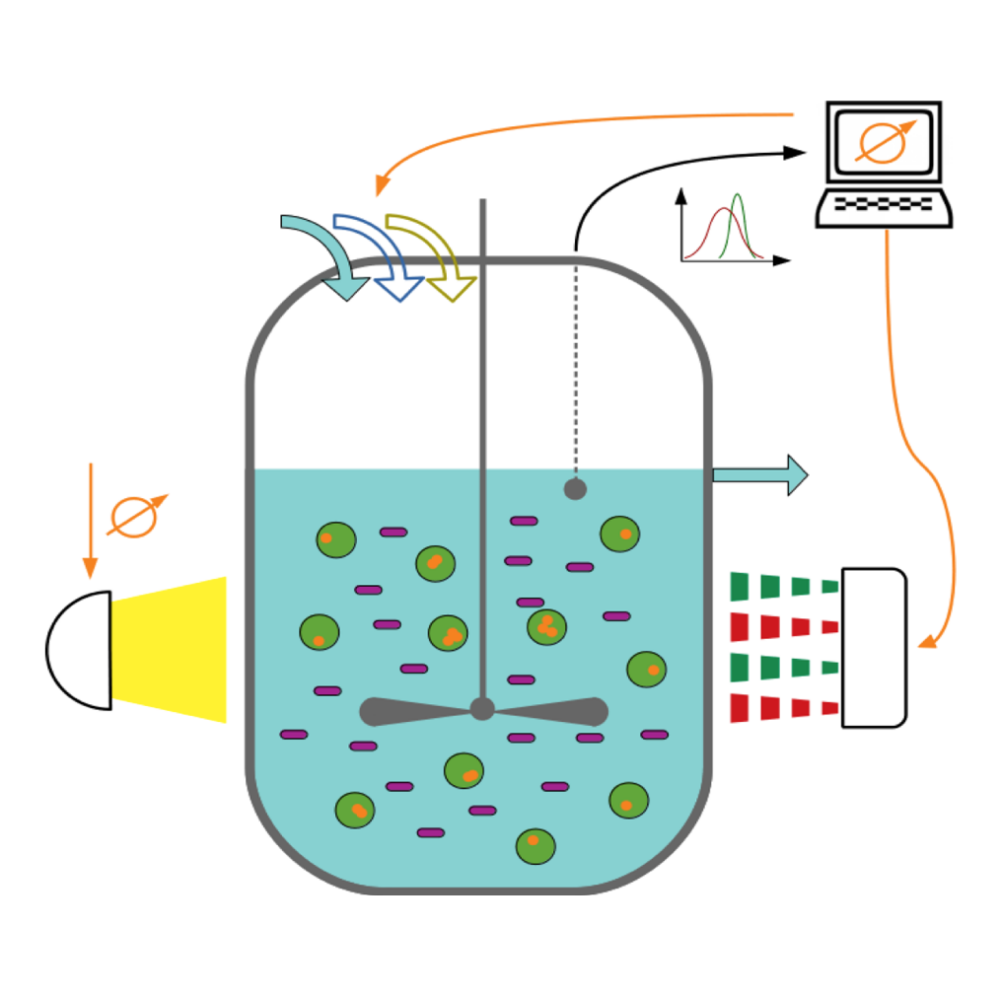
Antoine Sciandra has specialized in the study of the ecophysiology of microalgae, notably through a laboratory experimental approach, with two objectives: 1) to understand its response to global change and the consequences on ocean biogeochemical cycles and 2) to optimize the production of target metabolites. To this end, he has developed a highly sophisticated culture system, the PhytoPulse, that produces high-frequency data needed to validate mathematical growth models. He has also set up a platform (Full Spectrum) that allows experiments to be carried out on l microalgae culture ponds. He has supervised about 15 PhD students, produced 68 papers (H-index 25), participated in 10 oceanographic campaigns, and contributed to various projects on the valorization of microalgae (ANR : Shamash, Factor4, Purple Sun, Ctrl-AB, Photobiofilm Explorer; PIA : OPALE; FUI : Salinalgue). He is also associated with 4 patents, and was director of LOV for 10 years.

Facilities

Scientific Manager
Scientific Manager

PUBLICATIONS BY

Antoine Sciandra

133 documents 🔗 HAL Profile
  • Solène Jahan, Francesca Casagli, Amélie Talec, Thomas Garcia, Antoine Sciandra, Olivier Bernard. AlgaEurope 2025 (2025). POSTER
    Abstract

    Industries such as oil and gas extraction, desalination, textiles, food processing, and energy production generate substantial volumes of hypersaline effluent laden with toxic compounds. Conventional biological wastewater treatment, reliant on freshwater microorganisms, is often ineffective for this challenging wastewater. A promising alternative lies in innovative microalgae-bacteria consortia as a low-energy treatment system, specifically adapted to high salinity and specific toxins: microalgae photosynthetically provide oxygen for bacterial aerobic degradation of organic matter, while bacteria supply inorganic carbon for algal growth. Together, they efficiently remove target nutrients, including carbon, nitrogen, phosphorus, and sulphur [1] [2]. Salinity profoundly alters the system's biological and chemical dynamics by enhancing ion pairing, which influences pH, precipitation reactions, and the bioavailability of inorganic carbon for microalgae. Furthermore, while industrial toxins can have a lethal effect on microalgae [3] [4], studies demonstrate that certain bacterial strains can mitigate this inhibition. This critical, synergistic effect has yet to be incorporated into mathematical models, which are essential tools for understanding, optimizing, and predicting the behavior of such complex systems. This study addresses this gap by enhancing the ALBA (Algae-Bacteria) growth model [5]. The upgraded model incorporates a sophisticated physicochemical framework to simulate saline conditions, including pH dynamics, chemical speciation, and ion pairing of key species. It also integrates a representation of copper toxicity. The model was validated through laboratory-scale cocultures in synthetic seawater with copper and at pilot-scale in outdoor raceways using saline digestate of varying salinity. The new ALBA model, with its advanced pH and speciation submodel, accurately predicted biomass inhibition across both scales. The results underscore that ion pairing significantly affects pH and critically governs the availability of inorganic carbon. This work deepens our understanding of microalgae-bacteria consortia in saline industrial wastewater and paves the way for developing control strategies to mitigate toxicity inhibition.

  • Christophe Migon, Antoine Sciandra, Paul Nival. OUV
    Abstract

    Dans une région encore très pauvre et dénuée d’infrastructures jusqu’à la fin du XVIIIe siècle, la naissance et le développement de la Station zoologique de Villefranche-sur-Mer, aujourd’hui sous la tutelle de Sorbonne Université, n’allaient pas de soi, tandis que d’autres laboratoires émergeaient ailleurs en Europe. Son épanouissement ne fut pas non plus facile, avec bien des aléas liés à l’Histoire régionale. Le présent ouvrage tente de présenter les causes qui ont présidé à sa genèse (essor des sciences de la mer, contexte historique, spécificités de la baie de Villefranche) et d’éclaircir les péripéties qui ont abouti au centre de recherches actuel, reconnu internationalement. Le lecteur trouvera ici beaucoup de documents d’époques diverses qui l’éclaireront sur une destinée aussi mouvementée que fascinante. Les auteurs ont tous trois réalisé leur carrière à la Station Marine de Villefranche (rebaptisée en 2018 Institut de la mer de Villefranche – IMEV) et se sont très tôt intéressés à l’épopée de leur lieu de travail.

  • Julien Lopez, Amélie Talec, Stéphane Greff, Andrea Fanesi, Beat Gasser, Emna Krichen, Olivier Bernard, Antoine Sciandra. Current Research in Microbial Sciences (2025). ART
    Abstract

    Phototrophic biofilms are photosynthetic microbial communities adhered to submerged surfaces. Research has largely focused on multispecies periphyton and benthic diatoms, while Chlorophyte- based, monospecific biofilms remain understudied – despite their increasing industrial relevance, particularly for the production of high value compounds. Here, we investigate the impact of nitrogen limitation on the metabolome of the green microalga Tetraselmis suecica grown in nitrogen3 replete and nitrogen-limited monospecific biofilms. A specific culture system was developed to optimise the analysis of both the entire biofilm metabolome and spatial biochemical variations across cell layers. The Droop model was used to determine optimal initial conditions and sampling times. Then, metabolomic analysis by UHPLC-ESI(+)-QToF-HRMS/MS coupled with complementary biochemical analyses was performed on both conditions. Compared to nitrogen-replete biofilms, nitrogenlimited biofilms exhibited elevated C:N ratios (+277.4%), reduced photosynthetic activity, and decreased pigment content (-18% for Chl a and b). While total biovolume remained similar between experimental conditions, nitrogen limitation led to a redistribution of cell biomass, with increased surface layer biovolume (+112.3%) at the expense of deeper layers. Macromolecular ratios of carbohydrates/ proteins and lipids/proteins increased two- to three-fold, respectively, under nitrogen-limited conditions. The characterized metabolomic profile was dominated by monogalactosyldiacylglycerols (MGDGs) and digalactosyldiacylglycerols, whose relative abundances were significantly higher in nitrogen-replete condition. Notably, the annotated lipid MGDG(18:3/16:4) previously exhibited nitric oxide inhibitory activity. Given the previously observed role of nitric oxide in bacterial biofilm formation and diatom adhesion, we hypothesize that a feedback loop-like mechanism of adhesion regulation dependent on nitric oxide and nitrogen environmental conditions exists in monospecific phototrophic biofilms.

  • Hubert Bonnefond, Charlotte Combe, Jean-Paul Cadoret, Antoine Sciandra, Olivier Bernard. COUV
    Abstract

    <div><p>long-chain polyunsaturated fatty acids (typically eicosapentaenoic acid (EPA) and docosahexaenoic acid (DHA)</p></div>

  • Julia Mougin, Anne-Sophie Pavaux, Andrea Fanesi, Julien Lopez, Eric Pruvost, Freddy Guihéneuf, Antoine Sciandra, Romain Briandet, Filipa Lopes. Applied Microbiology and Biotechnology (2024). ART
    Abstract

    In the food industry, successful bacterial pathogen colonization and persistence begin with their adhesion to a surface, followed by the spatial development of mature biofilm of public health concerns. Compromising bacterial settlement with natural inhibitors is a promising alternative to conventional anti-fouling treatments typically based on chemical biocides that contribute to the growing burden of antimicrobial resistance. In this study, three extracellular polymeric substance (EPS) fractions extracted from microalgae biofilms of Cylindrotheca closterium (fraction C) and Tetraselmis suecica (fraction Ta rich in insoluble scale structure and fraction Tb rich in soluble EPS) were screened for their anti-adhesive properties, against eight human food-borne pathogens belonging to Escherichia coli, Staphylococcus aureus, Salmonella enterica subsp. enterica, and Listeria monocytogenes species. The results showed that the fraction Ta was the most effective inducing statistically significant reduction for three strains of E. coli, S. aureus, and L. monocytogenes. Overall, EPSs coating on polystyrene surfaces of the different fractions increased the hydrophilic character of the support. Differences in bacterial adhesion on the different coated surfaces could be explained by several dissimilarities in the structural and physicochemical EPS compositions, according to HPLC and ATR-FTIR analysis. Interestingly, while fractions Ta and Tb were extracted from the same microalgal culture, distinct adhesion patterns were observed, highlighting the importance of the extraction process. Overall, the findings showed that EPS extracted from microalgal photosynthetic biofilms can exhibit anti-adhesive effects against food-borne pathogens and could help develop sustainable and non-toxic anti-adhesive surfaces for the food industry. KEY POINTS: •EPSs from a biofilm-based culture of C. closterium/T. suecica were characterized. •Microalgal EPS extracted from T. suecica biofilms showed bacterial anti-adhesive effects. •The anti-adhesive effect is strain-specific and affects both Gram - and Gram + bacteria.

  • Anne-Sophie Pavaux, Andrea Fanesi, Julien Deschamps, Freddy Guilhéneuf, Antoine Sciandra, Romain Briandet, Filipa Lopes. AlguaeEurope 2022, (2022). COMM
  • Flavienne Bruyant, Rémi Amiraux, Marie-Pier Amyot, Philippe Archambault, Lise Artigue, Lucas Bardedo de Freitas, Guislain Bécu, Simon Bélanger, Pascaline Bourgain, Annick Bricaud, Etienne Brouard, Camille Brunet, Tonya Burgers, Danielle Caleb, Katrine Chalut, Hervé Claustre, Marcel Babin, Véronique Cornet-Barthaux, Pierre Coupel, Marine Cusa, Fanny Cusset, Laeticia Dadaglio, Marty Davelaar, Gabriele Deslongchamps, Céline Dimier, Julie Dinasquet, Dany Dumont, Brent Else, Igor Eulaers, Joannie Ferland, Gabrielle Filteau, Marie-Hélène Forget, Jérôme Fort, Louis Fortier, Martí Galí-Tapías, Morgane Gallinari, Svend-Erik Garbus, Nicole Garcia, Catherine Gérikas Ribeiro, Colline Gombault, Priscilla Gourvil, Clémence Goyens, Cindy Grant, Pierre-Luc Grondin, Pascal Guillot, Sandrine Hillion, Rachel Hussher, Fabien Joux, Hannah Joy-Warren, Gabriel Joyal, David Kieber, Augustin Lafond, José Lagunas, Patrick Lajeunesse, Catherine Lalande, Jade Larivière, Florence Le Gall, Karine Leblanc, Mathieu Leblanc, Justine Legras, Keith Levesque, Kate-Marie Lewis, Edouard Leymarie, Aude Leynaert, Thomas Linkowski, Martine Lizotte, Adriana Lopes dos Santos, Claudie Marec, Dominique Marie, Guillaume Massé, Philippe Massicotte, Atsushi Matsuoka, Lisa Miller, Sharif Mirshak, Nathalie Morata, Brivaela Moriceau, Philippe-Israël Morin, Simon Morisset, Anders Mosbech, Alfonso Mucci, Gabrielle Nadaï, Christian Nozais, Ingrid Obernosterer, Timothe Paire, Christos Panagiotopoulos, Marie Parenteau, Noémie Pelletier, Marc Picheral, Bernard Quéguiner, Patrick Raimbault, Joséphine Ras, Eric Rehm, Llúcia Ribot Lacosta, Jean-François Rontani, Blanche Saint-Béat, Julie Sansoulet, Noé Sardet, Catherine Schmechtig, Antoine Sciandra, Richard Sempéré, Caroline Sévigny, Jordan Toullec, Margot Tragin, Jean-Eric Tremblay, Annie-Pier Trottier, Daniel Vaulot, Anda Vladoiu, Lei Xue, Gustavo Yunda-Guarin. Earth System Science Data (2022). ART
    Abstract

    Abstract. The Green Edge project was designed to investigate the onset, life and fate of a phytoplankton spring bloom (PSB) in the Arctic Ocean. The lengthening of the ice-free period and the warming of seawater, amongst other factors, have induced major changes in arctic ocean biology over the last decades. Because the PSB is at the base of the Arctic Ocean food chain, it is crucial to understand how changes in the arctic environment will affect it. Green Edge was a large multidisciplinary collaborative project bringing researchers and technicians from 28 different institutions in seven countries, together aiming at understanding these changes and their impacts into the future. The fieldwork for the Green Edge project took place over two years (2015 and 2016) and was carried out from both an ice-camp and a research vessel in the Baffin Bay, canadian arctic. This paper describes the sampling strategy and the data set obtained from the research cruise, which took place aboard the Canadian Coast Guard Ship (CCGS) Amundsen in spring 2016. The dataset is available at https://doi.org/10.17882/59892 (Massicotte et al., 2019a).

  • Bruno Assis Pessi, Eric Pruvost, Amélie Talec, Antoine Sciandra, Olivier Bernard. Algal Research - Biomass, Biofuels and Bioproducts (2022). ART
    Abstract

    We analyze the influence of greenhouses in the cultivation of phytoplankton. For this we propose a model for the marine green algae Tetraselmis suecica, and adapt it to four other species (Spirulina platensis, Dunaliella salina, Phaeodactylum tricornutum and Chlorella vulgaris). Experiments under a greenhouse were carried out for the marine green algae Tetraselmis suecica, shifting the temperature of two raceways compared to a reference raceway with free evolving temperature. The productivity model was then parametrized and validated accounting for the recorded evolution of temperature and light. The yearly raceway pond production and the benefit of greenhouse usage were assessed under different scenarios for the five considered species. At year scale, greenhouse efficiency is notable only for few species, e.g. Spirulina platensis, where productivity can be increased by 20%. Based on these results, cultivation under greenhouse is beneficial mainly to protect the culture against contamination and to increase productivity in cold regions for species susceptible to photoinhibition with optimal growth in high temperatures. Rotation of the cultivated species is also a good strategy to improve annual productivity.

  • Hubert Bonnefond, Y. Lie, T. Lacour, B. Saint-Jean, G. Carrier, E. Pruvost, Amélie Talec, Antoine Sciandra, Olivier Bernard. Algal Research - Biomass, Biofuels and Bioproducts (2022). ART
  • Anne-Sophie Pavaux, Andrea Fanesi, Julien Deschamps, Freddy Guihéneuf, Antoine Sciandra, Romain Briandet, Filipa Lopes. AlgaEurope 2022 (2022). COMM
  • Flavienne Bruyant, Rémi Amiraux, Marie-Pier Amyot, Philippe Archambault, Lise Artigue, Lucas Barbedo de Freitas, Guislain Bécu, Simon Bélanger, Pascaline Bourgain, Annick Bricaud, Etienne Brouard, Camille Brunet, Tonya Burgers, Danielle Caleb, Katrine Chalut, Hervé Claustre, Marcel Babin, Antoine Sciandra, Veronique Cornet, Pierre Coupel, Marine Cusa, Fanny Cusset, Laeticia Dadaglio, Marty Davelaar, Gabrièle Deslongchamps, Céline Dimier, Julie Dinasquet, Dany Dumont, Brent Else, Igor Eulaers, Joannie Ferland, Gabrielle Filteau, Marie-Hélène Forget, Jérome Fort, Louis Fortier, Martí Galí, Morgane Gallinari, Svend-Erik Garbus, Nicole Garcia, Catherine Gérikas Ribeiro, Colline Gombault, Priscillia Gourvil, Clémence Goyens, Cindy Grant, Pierre-Luc Grondin, Pascal Guillot, Sandrine Hillion, Rachel Hussherr, Fabien Joux, Hannah Joy-Warren, Gabriel Joyal, David Kieber, Augustin Lafond, José Lagunas, Patrick Lajeunesse, Catherine Lalande, Jade Larivière, Florence Le Gall, Karine Leblanc, Mathieu Leblanc, Justine Legras, Keith Lévesque, Kate-M. Lewis, Edouard Leymarie, Aude Leynaert, Thomas Linkowski, Martine Lizotte, Adriana Lopes dos Santos, Claudie Marec, Dominique Marie, Guillaume Massé, Philippe Massicotte, Atsushi Matsuoka, Lisa A. Miller, Sharif Mirshak, Nathalie Morata, Brivaela Moriceau, Philippe-Israël Morin, Simon Morisset, Anders Mosbech, Alfonso Mucci, Gabrielle Nadaï, Christian Nozais, Ingrid Obernosterer, Thimoté Paire, Christos Panagiotopoulos, Marie Parenteau, Noémie Pelletier, Marc Picheral, Bernard Queguiner, Patrick Raimbault, Josephine Ras, Eric Rehm, Llúcia Ribot Lacosta, Jean-Francois Rontani, Blanche Saint-Béat, Julie Sansoulet, Noé Sardet, Catherine Schmechtig, Richard Sempere, Caroline Sévigny, Jordan Toullec, Margot Tragin, Jean-Éric Tremblay, Annie-Pier Trottier, Daniel Vaulot, Anda Vladoiu, Lei Xue, Gustavo Yunda-Guarin. Earth System Science Data (2022). ART
    Abstract

    The Green Edge project was designed to investigate the onset, life, and fate of a phytoplankton spring bloom (PSB) in the Arctic Ocean. The lengthening of the ice-free period and the warming of seawater, amongst other factors, have induced major changes in Arctic Ocean biology over the last decades. Because the PSB is at the base of the Arctic Ocean food chain, it is crucial to understand how changes in the Arctic environment will affect it. Green Edge was a large multidisciplinary, collaborative project bringing researchers and technicians from 28 different institutions in seven countries together, aiming at understanding these changes and their impacts on the future. The fieldwork for the Green Edge project took place over two years (2015 and 2016) and was carried out from both an ice camp and a research vessel in Baffin Bay, in the Canadian Arctic. This paper describes the sampling strategy and the dataset obtained from the research cruise, which took place aboard the Canadian Coast Guard ship (CCGS) Amundsen in late spring and early summer 2016. The sampling strategy was designed around the repetitive, perpendicular crossing of the marginal ice zone (MIZ), using not only ship-based station discrete sampling but also high-resolution measurements from autonomous platforms (Gliders, BGC-Argo floats …) and under-way monitoring systems. The dataset is available at https://doi.org/10.17882/86417 (Bruyant et al., 2022).


  • Manon Gachelin, Marc Boutoute, Gregory Carrier, Amélie Talec, Eric Pruvost, Freddy Guihéneuf, Olivier Bernard, Antoine Sciandra. Applied Microbiology and Biotechnology (2021). ART
    Abstract

    Adaptive laboratory evolution is a powerful tool for microorganism improvement likely to produce enhanced microalgae better tailored to their industrial uses. In this work, 12 wild-type strains of Tisochrysis lutea were co-cultivated under increasing thermal stress for 6 months. Indeed, temperature was oscillating daily between a high and a low temperature, with increasing amplitude along the experiment. The goal was to enhance the polyunsaturated fatty acid content of the polar lipids. Samples were taken throughout the evolution experiment and cultivated in standardized conditions to analyze the evolution of the lipid profile. Genomic analysis of the final population shows that two strains survived. The lipid content doubled, impacting all lipid classes. The fatty acid analyses show a decrease in SFAs correlated with an increase in monounsaturated fatty acids (MUFAs), while changes in polyunsaturated fatty acid (PUFAs) vary between both photobioreactors. Hence, the proportion of C18-MUFAs (18:1 n-9) and most C18-PUFAs (18:2 n-6, 18:3 n-3, and 18:4 n-3) increased, suggesting their potential role in adjusting membrane fluidity to temperature shifts. Of particular interest, DHA in polar lipids tripled in the final population while the growth rate was unchanged.

  • Aurélie Pham, Antoine Sciandra, Olivier Bernard, Freddy Guihéneuf, Hubert Bonnefond, Amélie Talec. AlgaEurope Conference (2021). COMM
  • Hervé Claustre, Lionel Guidi, Antoine Sciandra. COUV
  • Christophe Migon, Paul Nival, Antoine Sciandra. OUV
    Abstract

    En raison de ses caractéristiques particulières, la mer Méditerranée est souvent considérée comme un modèle de l’océan mondial. Ses dimensions réduites et sa circulation hydrologique particulière la rendent très sensible aux contraintes environnementales et climatiques qui évoluent rapidement.La Méditerranée est un site idéal pour comprendre un certain nombre de processus océanographiques clés, en particulier la mer Ligure où les conditions océaniques se trouvent à proximité des côtes, en raison de sa géologie particulière. Une station d’observation a été établie au large pour produire des séries chronologiques de données. Cet ouvrage divisé en deux volumes synthétise cet important ensemble de données et de connaissances. Il fournit des éléments clés de l’océanographie dans un monde en mutation.Ce volume 2 étudie les flux de carbone générés par l’activité planctonique ainsi que la biologie des grandes catégories d’organismes marins. Il comporte également une revue de la contamination du sous-bassin ligure, puis expose les perspectives de l’océanographie de demain.

  • Christophe Migon, Paul Nival, Antoine Sciandra. OUV
  • David Demory, Joshua Weitz, Anne-Claire Baudoux, Suzanne Touzeau, Nathalie Simon, Sophie Rabouille, Antoine Sciandra, Olivier Bernard. Ecology Letters (2021). ART
    Abstract

    Marine viruses interact with microbial hosts in dynamic environments shaped by variation in abiotic factors, including temperature. However, the impacts of temperature on viral infection of phytoplankton are not well understood. Here we coupled mathematical modelling with experiments to explore the effect of temperature on virus-phytoplankton interactions. Our model shows the negative consequences of high temperatures on infection and suggests a temperature-dependent threshold between viral production and degradation. Modelling long-term dynamics in environments with different average temperatures revealed the potential for long-term host-virus coexistence, epidemic free or habitat loss states. We generalised our model to variation in global sea surface temperatures corresponding to present and future seas and show that climate change may differentially influence virus-host dynamics depending on the virus-host pair. Temperature-dependent changes in the infectivity of virus particles may lead to shifts in virus-host habitats in warmer oceans, analogous to projected changes in the habitats of macro-, microorganisms and pathogens.

  • Aurélie Pham, Antoine Sciandra, Olivier Bernard, Freddy Guihéneuf, Hubert Bonnefond. AlgaEurope Conference (2020). POSTER
  • Christophe Migon, Paul Nival, Antoine Sciandra. OUV
    Abstract

    Due to its particular characteristics, the Mediterranean Sea is often viewed as a microcosm of the World Ocean. Its proportionallyreduced dimensions and peculiar hydrological circulation render it susceptible to environmental and climatic constraints, which are rapidly evolving. The Mediterranean is therefore an ideal site to examine, in order to better understand a number of key oceanographic phenomena. This is especially true of the Ligurian Sea where, due to its geology, oceanic conditions are found close to the coast. As such, 30 years ago, an offshore time-series site provided a fresh impetus to a long history of marine biology research, which has generated a very important body of data and knowledge. This is the first volume, in a two-volume series, that summarizes this research. Across these two books, the reader will find 13 chapters that examine the geology, physics, chemistry and biology of the Ligurian Sea ? always with the goal of providing key elements of oceanography in a changing world.

  • Hervé Claustre, Lionel Guidi, Antoine Sciandra. COUV
    Abstract

    Due to its particular characteristics, the Mediterranean Sea is often viewed as a microcosm of the World Ocean. Its proportionally-reduced dimensions and peculiar hydrological circulation render it susceptible to environmental and climatic constraints, which are rapidly evolving. The Mediterranean is therefore an ideal site to examine, in order to better understand a number of key oceanographic phenomena. This is especially true of the Ligurian Sea where, due to its geology, oceanic conditions are found close to the coast. As such, 30 years ago, an offshore time-series site provided a fresh impetus to a long history of marine biology research, which has generated a very important body of data and knowledge. This is the second volume, in a two-volume series, that summarizes this research. Across these two books, the reader will find 13 chapters that examine the geology, physics, chemistry and biology of the Ligurian Sea ? always with the goal of providing key elements of oceanography in a changing world.

  • Christophe Migon, Paul Nival, Antoine Sciandra. OUV
    Abstract

    Due to its particular characteristics, the Mediterranean Sea is often viewed as a microcosm of the World Ocean. Its proportionally-reduced dimensions and peculiar hydrological circulation render it susceptible to environmental and climatic constraints, which are rapidly evolving. The Mediterranean is therefore an ideal site to examine, in order to better understand a number of key oceanographic phenomena. This is especially true of the Ligurian Sea where, due to its geology, oceanic conditions are found close to the coast. As such, 30 years ago, an offshore time-series site provided a fresh impetus to a long history of marine biology research, which has generated a very important body of data and knowledge. This is the second volume, in a two-volume series, that summarizes this research. Across these two books, the reader will find 13 chapters that examine the geology, physics, chemistry and biology of the Ligurian Sea ? always with the goal of providing key elements of oceanography in a changing world.

  • Hubert Bonnefond, Charlotte Combe, Jean-Paul Cadoret, Antoine Sciandra, Olivier Bernard. COUV
  • Anne Corval, Antoine Sciandra. COUV
  • Freddy Guihéneuf, Antoine Sciandra, Olivier Bernard, Hubert Bonnefond. EPC7 - 7th European Phycological Congress (2019). COMM
  • Hubert Bonnefond, Yann Lie, Eric Pruvost, Amélie Talec, Olivier Bernard, Antoine Sciandra. Alg’in Provence - European Workshop (2019). COMM
  • Freddy Guihéneuf, Alex Wakefield, Quentin Girardin, Antoine Sciandra, Olivier Bernard, Christophe Vasseur, Hubert Bonnefond. AlgaEurope Conference (2019). COMM
  • Olivier Bernard, Hubert Bonnefond, Antoine Sciandra, Eric Pruvost, Ghjuvan Micaelu Grimaud. PATENT
  • Carlos Martinez, Francis Mairet, Luis Plaza, Antoine Sciandra, Olivier Bernard. PROCEEDINGS
    Abstract

    The main resources limiting microalgae growth are typically phosphorus, nitrogen, and light. Based on the theory of the light limited chemostat, the variable cell quota approach, and photoacclimation models, we build a mathematical model for describing microalgae growth under limitation by these resources. The model is calibrated with a data set from the literature. Then, by numerical simulations, we find that under constant operation of the culture and constant environmental conditions (illumination, temperature, pH, etc.), solutions of the model approach towards either a positive or an extinction steady state. Based on the positive steady state, and in the context of wastewater treatment, we evaluate the capacity of microalgae to remove contaminants. We showed that the impacts of depth, incident light intensity, and dilution rate (or hydraulic retention time) have a crucial role on the optimization of the nutrient removal efficiency. (C) 2019, IFAC (International Federation of Automatic Control)

  • Jérôme Grenier, Filipa Lopes, Freddy Guihéneuf, Hubert Bonnefond, Antoine Sciandra, Olivier Bernard. AlgaEurope Conference (2019). COMM
  • Margaux Caia, Freddy Guihéneuf, Hubert Bonnefond, Antoine Sciandra, Olivier Bernard. AlguaEurope Conference (2019). COMM
  • David Demory, Anne-Claire Baudoux, Adam Monier, Nathalie Simon, Christophe Six, Pei Ge, Fabienne Rigaut-Jalabert, Dominique Marie, Antoine Sciandra, Olivier Bernard, Sophie Rabouille. The International Society of Microbiologial Ecology Journal (2019). ART
    Abstract

    Photosynthetic picoeukaryotes in the genus Micromonas show among the widest latitudinal distributions on Earth, experiencing large thermal gradients from poles to tropics. Micromonas comprises at least four different species often found in sympatry. While such ubiquity might suggest a wide thermal niche, the temperature response of the different strains is still unexplored, leaving many questions as for their ecological success over such diverse ecosystems. Using combined experiments and theory, we characterize the thermal response of eleven Micromonas strains belonging to four 1 species. We demonstrate that the variety of specific responses to temperature in the Micromonas genus makes this environmental factor an ideal marker to describe its global distribution and diversity. We then propose a diversity model for the genus Micromonas, which proves to be representative of the whole phytoplankton diversity. This prominent primary producer is therefore a sentinel organism of phytoplankton diversity at the global scale. We use the diversity within Micromonas to anticipate the potential impact of global warming on oceanic phytoplankton. We develop a dynamic, adaptive model and ran forecast simulations, exploring a range of adaptation time scales, to probe the likely responses to climate change. Results stress how biodiversity erosion depends on the ability of organisms to adapt rapidly to temperature increase.

  • David Demory, Charlotte Combe, Philipp Hartmann, Amélie Talec, Eric Pruvost, Raouf Hamouda, Fabien Souillé, Pierre-Olivier Lamare, Marie-Odile Bristeau, Jacques Sainte-Marie, Sophie Rabouille, Francis Mairet, Antoine Sciandra, Olivier Bernard. Royal Society Open Science (2018). ART
    Abstract

    Hydrodynamics in a high-rate production reactor for microalgae cultivation affects the light history perceived by cells. The interplay between cell movement and medium turbidity leads to a complex light pattern, whose forcing effects on photosynthesis and photoacclimation dynamics are non-trivial. Hydrodynamics of high density algal ponds mixed by a paddle wheel has been studied recently, although the focus has never been on describing its impact on photosynthetic growth efficiency. In this multidisciplinary downscaling study, we first reconstructed single cell trajectories in an open raceway using an original hydrodynamical model offering a powerful discretization of the Navier–Stokes equations tailored to systems with free surfaces. The trajectory of a particular cell was selected and the associated high-frequency light pattern was computed. This light pattern was then experimentally reproduced in an Arduino-driven computer controlled cultivation system with a low density Dunaliella salina culture. The effect on growth and pigment content was recorded for various frequencies of the light pattern, by setting different paddle wheel velocities. Results show that the frequency of this realistic signal plays a decisive role in the dynamics of photosynthesis, thus revealing an unexpected photosynthetic response compared to that recorded under the on/off signals usually used in the literature. Indeed, the light received by a single cell contains signals from low to high frequencies that nonlinearly interact with the photosynthesis process and differentially stimulate the various time scales associated with photoacclimation and energy dissipation. This study highlights the need for experiments with more realistic light stimuli to better understand microalgal growth at high cell densities. An experimental protocol is also proposed, with simple, yet more realistic, step functions for light fluctuations.

  • Olivier Bernard, Hubert Bonnefond, David Demory, Charlotte Combe, Jacques Sainte-Marie, Filipa Lopes, Antoine Sciandra. AlgaEurope Conference (2018). POSTER
  • Philippe Le Noac'H, Sakina Dorothée Ayata, Antoine Sciandra, Olivier Bernard, Martin Laviale. Sfecologie 2018 - International Conference on Ecological Sciences (2018). POSTER
  • Hubert Bonnefond, Amélie Talec, Eric Pruvost, M O Boutoute, Ghjuvan Micaelu Grimaud, Yann Lie, T Sauvée, Antoine Sciandra. AlgaEurope 2017 Conference (2017). COMM
  • Hubert Bonnefond, Ghjuvan Micaelu Grimaud, Judith Rumin, Gaël Bougaran, Amélie Talec, M O Gachelin, M O Boutoute, Eric Pruvost, Olivier Bernard, Antoine Sciandra. PLoS ONE (2017). ART
    Abstract

    Temperature plays a key role in outdoor industrial cultivation of microalgae. Improving the thermal tolerance of microalgae to both daily and seasonal temperature fluctuations can thus contribute to increase their annual productivity. A long term selection experiment was carried out to increase the thermal niche (temperature range for which the growth is possible) of a neutral lipid overproducing strain of Tisochrysis lutea. The experimental protocol consisted to submit cells to daily variations of temperature for 7 months. The stress intensity, defined as the amplitude of daily temperature variations, was progressively increased along successive selection cycles. Only the amplitude of the temperature variations were increased, the daily average temperature was kept constant along the experiment. This protocol resulted in a thermal niche increase by 3°C (+16.5 %), with an enhancement by 9 % of the maximal growth rate. The selection process also affected T. lutea physiology, with a feature generally observed for 'cold-temperature' type of adaptation. The amount of total and neutral lipids was significantly increased, and eventually productivity was increased by 34%. This seven month selection experiment, carried out in a highly dynamic environment, challenges some of the hypotheses classically advanced to explain the temperature response of microalgae.

  • Ghjuvan Micaelu Grimaud, Francis Mairet, Antoine Sciandra, Olivier Bernard. Reviews in Environmental Science and Bio/technology (2017). ART
    Abstract

    Phytoplankton are key components of ecosystems. Their growth is deeply influenced by temperature. In a context of global change, it is important to precisely estimate the impact of temperature on these organisms at different spatial and temporal scales. Here, we review the existing deterministic models used to represent the effect of temperature on microbial growth that can be applied to phytoplankton. We first describe and provide a brief mathematical analysis of the models used in constant conditions to reproduce the thermal growth curve. We present the mechanistic assumptions concerning the effect of temperature on the cell growth and mortality, and discuss their limits. The coupling effect of temperature and other environmental factors such as light are then shown. Finally, we introduce the models taking into account the acclimation needed to thrive with temperature variations. The need for new thermal models, coupled with experimental validation, is argued.

  • David Demory, Laure Arsenieff, Nathalie Simon, Christophe Six, Fabienne Rigaut-Jalabert, Dominique Marie, Pei Ge, Estelle Bigeard, Stéphan Jacquet, Antoine Sciandra, Olivier Bernard, Sophie Rabouille, Anne-Claire Baudoux. The International Society of Microbiologial Ecology Journal (2017). ART
    Abstract

    The genus Micromonas comprises phytoplankton that show among the widest latitudinal distributions on Earth, and members of this genus are recurrently infected by prasinoviruses in contrasted thermal ecosystems. In this study, we assessed how temperature influences the interplay between the main genetic clades of this prominent microalga and their viruses. The growth of three Micromonas strains (Mic-A, Mic-B, Mic-C) and the stability of their respective lytic viruses (MicV-A, MicV-B, MicV-C) were measured over a thermal range of 4–32.5 °C. Similar growth temperature optima (Topt) were predicted for all three hosts but Mic-B exhibited a broader thermal tolerance than Mic-A and Mic-C, suggesting distinct thermoacclimation strategies. Similarly, the MicV-C virus displayed a remarkable thermal stability compared with MicV-A and MicV-B. Despite these divergences, infection dynamics showed that temperatures below Topt lengthened lytic cycle kinetics and reduced viral yield and, notably, that infection at temperatures above Topt did not usually result in cell lysis. Two mechanisms operated depending on the temperature and the biological system. Hosts either prevented the production of viral progeny or maintained their ability to produce virions with no apparent cell lysis, pointing to a possible switch in the viral life strategy. Hence, temperature changes critically affect the outcome of Micromonas infection and have implications for ocean biogeochemistry and evolution.

  • O. Bernard, Ricardo Suay Suay, Q. Bechet, Christine Poncet, Hicham Fatnassi, Francis Mairet, Antoine Sciandra, Antoine Mangin, D. Coulon, R. Boubekri. GreenSys2015 - International Symposium on New Technologies and Management for Greenhouses (2017). COMM
    Abstract

    Microalgae are emerging as a promising solution to address a number of markets including pharmaceutics, food, feedstock, green chemistry and bioenergy. However, competition within this sector requires significant improvement on the environmental and economic aspects. One of the crucial challenges is to minimize production costs, mainly by reducing the use of exogenous energy, both in the culture and downstream processes. The aim of the Purple Sun project funded by the French National Research Agency is to explore a breakthrough concept of Microalgal Photovoltaic Greenhouses (MPG). The proposed MPG design will be an intermediate solution between the high cost-high yield photobioreactors and the low costNDASHlow yield open raceways, thus cumulating the advantages of each system i.e. high yieldNDASHlow cost. The main objective is to use the entire solar spectrum to concomitantly produce electricity and algal biomass with high lipid content. Indeed, an excess of solar irradiation is damageable to microalgae. It induces photosaturation and photoinhibition, synthesis of photoprotective pigments, and leads to a counterproductive increase in medium temperature. Preliminary experiments demonstrated that the Wysips PV film (initially developed for digital devices like smartphones, tablets…), developed by Sunpartner which became the “Nobel Sustainability Supported Clean Tech Company 2013” in February of that year, was an efficient, promising way to redirect excess solar energy to photovoltaic (PV) electricity without affecting biomass productivity. Furthermore, it was demonstrated that at high light it helps to reduce cell mortality. The key point is that some photons in the visible light spectrum are more efficient for photosynthesis - especially for the red and blue wavelengths, while others are used with a lower yield. Purple Sun is not only aiming at initiating the next generation of PV films dedicated to MPG but also the plant species for photovoltaic greenhouse applications.

  • David Demory, Laure Arsenieff, Nathalie Simon, Christophe Six, Fabienne Rigaut-Jalabert, Dominique Marie, Pei Ge, Estelle Bigeard, Antoine Sciandra, Olivier Bernard, Sophie Rabouille, A. C. Baudoux. VIIIe Colloque de l'Association Francophone d'Ecologie Microbienne, (2017). POSTER
  • Hubert Bonnefond, Yann Lie, Eric Pruvost, Amélie Talec, Olivier Bernard, Antoine Sciandra. 6th congress of the International Society for Applied Phycology (2017). COMM
  • Hubert Bonnefond, Nina Moelants, Amélie Talec, Patrick Mayzaud, Olivier Bernard, Antoine Sciandra. Biotechnology for Biofuels (2017). ART
    Abstract

    Background : Nitrogen starvation and limitation are known to induce important physiological changes especially in lipid metabolism of microalgae (triglycerides, membrane lipids, beta-carotene, etc.). Although little information is available for Dunaliella salina, it is a promising microalga for biofuel production and biotechnological applications due to its ability to accumulate lipid together with beta-carotene. Results: Batch and chemostat experiments with various degrees of nitrogen limitation, ranging from starvation to nitrogen-replete conditions, were carried out to study carbon storage dynamics (total carbon, lipids, and beta-carotene) in steady state cultures of D. salina. A new protocol was developed in order to manage the very high beta-carotene concentrations and to more accurately separate and quantify beta-carotene and triglycerides by chromatography. Biomass evolution was appropriately described by the Droop model on the basis of the nitrogen quota dynamics. Conclusions : Triglycerides and beta-carotene were both strongly anti-correlated with nitrogen quota highlighting their carbon sink function in nitrogen depletion conditions. Moreover, these two valuable molecules were correlated each other for nitrogen replete conditions or moderated nitrogen limitations (N:C ratio higher than 0.04). Under nitrogen starvation, i.e., for very low N:C ratio, the dynamic revealed, for the first time, uncoupled part (higher triglyceride accumulation than beta-carotene), possibly because of shortage in key proteins involved in the stabilization of lipid droplets. This study motivates the accurate control of the microalgal nitrogen quota in order to optimize lipid productivity.

  • Olivier Bernard, Antoine Sciandra, Francis Mairet, Hubert Bonnefond, Eric Pruvost. PATENT
  • Hubert Bonnefond, N. Moelants, Amélie Talec, Olivier Bernard, A. Sciandra. Algal Research - Biomass, Biofuels and Bioproducts (2016). ART
    Abstract

    The microalgae Dunaliella salina has the capacity to grow in salterns at high salinity. In this particular shallow environment, D. salina is exposed to strong light and temperature variations and has developed various strategies such as cell cycle adaptation and storage of dedicated metabolites. The effects of light/dark cycles have already been studied, but few works focused on the concomitant effects of light and temperature variations characterizing salterns and outdoor conditions. In this study, growth, carbon and nitrogen storage, pigments and lipid production of D. Salina were measured in laboratory conditions mimicking the outdoor light and temperature conditions. A control experiment with constant temperature was carried out with light variations only. During the night, cell respiration was correlated with temperature, following an Arrhenius law. Many differences with the control at constant temperature confirmed that temperature variations are a crucial parameter in outdoor conditions and should be taken into account to predict growth. Triglyceride and pigment production was tightly linked to the light dark cycle.

  • Andreas Nikolaou, Philipp Hartmann, Antoine Sciandra, Benoît Chachuat, Olivier Bernard. Journal of Theoretical Biology (2016). ART
    Abstract

    The development of mathematical models that can predict photosynthetic productivity of microalgae under transient conditions is crucial for enhancing large-scale industrial culturing systems. Particularly important in outdoor culture systems, where the light irradiance varies greatly, are the processes of photoinhibition and photoacclimation, which can affect photoproduction significantly. The former is caused by an excess of light and occurs on a fast time scale of minutes, whereas the latter results from the adjustment of the light harvesting capacity to the incoming irradiance and takes place on a slow time scale of days. In this paper, we develop a dynamic model of microalgae growth that simultaneously accounts for the processes of photoinhibition and photoacclimation, thereby spanning multiple time scales. The properties of the model are analyzed in connection to PI-response curves, under a quasi steady-state assumption for the slow processes and by neglecting the fast dynamics. For validation purposes, the model is calibrated and compared against multiple experimental data sets from the literature for several species. The results show that the model can describe the difference in photosynthetic unit acclimation strategies between Dunaliella tertiolecta (n-strategy) and Skeletonema costatum (s-strategy).

  • Olivier Bernard, Francis Mairet, Charlotte Combe, Antoine Sciandra, Eric Pruvost. PATENT
  • Judith Rumin, Hubert Bonnefond, Bruno Saint-Jean, Catherine Rouxel, Antoine Sciandra, Olivier Bernard, Jean-Paul Cadoret, Gaël Bougaran. Biotechnology for Biofuels (2015). ART
    Abstract

    Microalgae are currently emerging as one of the most promising alternative sources for the next generation of food, feed, cosmetics and renewable energy in the form of biofuel. Microalgae constitute a diverse group of microorganisms with advantages like fast and efficient growth. In addition, they do not compete for arable land and offer very high lipid yield potential. Major challenges for the development of this resource are to select lipid-rich strains using high-throughput staining for neutral lipid content in microalgae species. For this purpose, the fluorescent dyes most commonly used to quantify lipids are Nile red and BODIPY 505/515. Their fluorescent staining for lipids offers a rapid and inexpensive analysis tool to measure neutral lipid content, avoiding time-consuming and costly gravimetric analysis. This review collates and presents recent advances in algal lipid staining and focuses on Nile red and BODIPY 505/515 staining characteristics. The available literature addresses the limitations of fluorescent dyes under certain conditions, such as spectral properties, dye concentrations, cell concentrations, temperature and incubation duration. Moreover, the overall conclusion of the present review study gives limitations on the use of fluorochrome for screening of lipid-rich microalgae species and suggests improved protocols for staining recalcitrant microalgae and recommendations for the staining quantification.

  • Charlotte Combe, Philipp Hartmann, Sophie Rabouille, Amélie Talec, Olivier Bernard, Antoine Sciandra. Biotechnology and Bioengineering (2015). ART
    Abstract

    Productivity of microalgal cultivation processes is tightly related to photosynthetic efficiency, and therefore to light availability at the cell scale. In an agitated, highly turbid suspension, the light signal received by a single phytoplankton cell moving in a dense culture is a succession of flashes. The growth characteristics of microalgae under such dynamic light conditions are thus fundamental information to understand nonlinear properties of the photosynthetic process and to improve cultivation process design and operation. Studies of the long term consequences of dynamic illumination regime on photosynthesis require a very specific experimental set-up where fast varying signals are applied on the long term. In order to investigate the growth response of the unicellular photosynthetic eukaryote Dunaliella salina (Chlorophyceae) to intermittent light exposure, different light regimes using LEDs with the same average total light dose were applied in continuous cultures. Flashing light with different durations of light flashes (Δt of 30 s, 15 s, 2 s and 0.1 s) followed by dark periods of variable length (0.67 ≤ L:D ≤ 2) yielding flash frequencies in the range 0.017-5 Hz, were compared to continuous illumination. Specific growth rate, photosynthetic pigments, lipid productivity and elemental composition were measured on two duplicates for each irradiance condition. The different treatments of intermittent light led to specific growth rates ranging from 0.25 to 0.93 day–1. While photosynthetic efficiency was enhanced with increased flash frequency, no significant differences were observed in the particular carbon and chlorophyll content. Pigment analysis showed that within this range of flash frequency, cells progressively photoacclimated to the average light intensity.

  • Ghjuvan Micaelu Grimaud, Francis Mairet, Sakina-Dorothée Ayata, Antoine Sciandra, Olivier Bernard. Mathematical Models in Ecology and Evolution (2015). COMM
    Abstract

    We developed a simple phytoplankton thermal evolutionary model using the Adaptive Dynamics method. We validated the model on 57 phytoplankton growth rate versus temperature data sets. The evolutionary optimal growth rate for a given species is higher than the mean annual temperature and depends on the annual temperature fluctuations. Some areas seem to be more sensitive than others to temperature.

  • Ghjuvan Micaelu Grimaud, Valérie Le Guennec, Sakina-Dorothée Ayata, Francis Mairet, Antoine Sciandra, Olivier Bernard. 8th Vienna International Conference on Mathematical Modelling — MATHMOD 2015 (2015). COMM
    Abstract

    Phytoplankton are ectotherms and are thus directly influenced by temperature. They experience temporal variation in temperature which results in a selection pressure. Using the Adaptive Dynamics theory and an optimization method, we study phytoplankton thermal adaptation (more particulary the evolution of the optimal growth temperature) to temperature fluctuations. We use this method at the scale of global ocean and compare two existing models. We validate our approach by comparing model predictions with experimental data sets from 57 species. Finally, we show that temperature actually drives evolution and that the optimum temperature for phytoplankton growth is strongly linked to thermal amplitude variations.

  • Frédéric Chazalon, Sophie Rabouille, Philipp Hartmann, Antoine Sciandra, Olivier Bernard. 19th IFAC World Congress (2014). COMM
    Abstract

    On-line monitoring growth of microalgal based processes is a challenging issue. Pulse Amplitude Modulated (PAM) fluorometers, used to closely monitor the physiological state of photosystems, do not provide an estimation of the growth rate, a critical information for culture management. We designed a model to represent the relation between the fast dynamics of photosynthesis and the slower process of cell growth in microalgae as a function of light. This model provides a synthetic view of photosystem II photochemistry and accounts for the main two states (open and closed) of photosystem II reaction centres as well as the following electron transport chain. The model is used to analyse the link between a very fast process (the transition between closed and open states), an intermediate one (the filling of the quinone-plastoquinone pool) and a slow process (growth rate fluctuations). Experiments were conducted on the Haptophyceae Tisochrysis lutea. Model parameters were calibrated on the measured fluorescence data. A slow-fast analysis is presented to describe the system dynamics. Results provide new insights for understanding and interpreting PAM measurements.

  • Philipp Hartmann, David Demory, Charlotte Combe, Raouf Hamouda, Jacques Sainte-Marie, Marie-Odile Bristeau, Anne-Céline Boulanger, Bruno Sialve, Jean-Philippe Steyer, Sophie Rabouille, Antoine Sciandra, Olivier Bernard. 19. IFAC World Congress 2014 (2014). COMM
    Abstract

    Microalgae mass cultivation is a promising future source of biomass for energy and food production. In order to optimize productivity of large scale plants and to make them environmentally and economically sustainable, energy requirements have to be minimized. In particular, mixing of the growth medium is a major energy input, and its effect on overall productivity should be better understood. Several dynamic models have been developed to represent the effect of a rapidly time varying light on the photosynthesis process especially for the effect of photoinhibition on growth. In order to assess the mixing effects in a complex hydrodynamic regime, we propose to reconstruct the light profile received by a single cell. A multi-layer Saint-Venant approach is used to simulate the hydrodynamics of the system. It allows for the computation of Lagrangian trajectories, and finally, when knowing the light distribution, the light pattern perceived by a cell. This pattern is then used with the dynamical model for photosynthesis. In a last step, the growth rate of the whole system is estimated as the average over a set of trajectories.

  • François Roullier, L. Berline, Lionel Guidi, Xavier Durrieu de Madron, M. Picheral, Antoine Sciandra, Stephane Pesant, Lars Stemman. Biogeosciences (2014). ART
    Abstract

    The goal of the Arabian Sea section of the TARA oceans expedition was to study large particulate matter (LPM > 100 μm) distributions and possible impact of associated midwater biological processes on vertical carbon export through the oxygen minimum zone (OMZ) of this region. We propose that observed spatial patterns in LPM distribution resulted from the timing and location of surface phytoplankton bloom, lateral transport, microbial processes in the core of the OMZ, and enhanced biological processes mediated by bacteria and zooplankton at the lower oxycline. Indeed, satellite-derived net primary production maps showed that the northern stations of the transect were under the influence of a previous major bloom event while the most southern stations were in a more oligotrophic situation. Lagrangian simulations of particle transport showed that deep particles of the northern stations could originate from the surface bloom while the southern stations could be considered as driven by 1-D vertical processes. In the first 200 m of the OMZ core, minima in nitrate concentrations and the intermediate nepheloid layer (INL) coincided with high concentrations of 100 μm < LPM < 200 μm. These particles could correspond to colonies of bacteria or detritus produced by anaerobic microbial activity. However, the calculated carbon flux through this layer was not affected. Vertical profiles of carbon flux indicate low flux attenuation in the OMZ, with a Martin model b exponent value of 0.22. At three stations, the lower oxycline was associated to a deep nepheloid layer, an increase of calculated carbon flux and an increase in mesozooplankton abundance. Enhanced bacterial activity and zooplankton feeding in the deep OMZ is proposed as a mechanism for the observed deep particle aggregation. Estimated lower flux attenuation in the upper OMZ and re-aggregation at the lower oxycline suggest that OMZ may be regions of enhanced carbon flux to the deep sea relative to non OMZ regions.

  • Ghjuvan Micaelu Grimaud, Sophie Rabouille, Anthony Dron, Antoine Sciandra, Olivier Bernard. Ecological Modelling (2014). ART
    Abstract

    A dynamical model is proposed that describes the daily dynamics of diazotrophy in a unicellular cyanobacterium, Crocosphaera watsonii WH8501, in regard to light limitation and obligate diazotrophy. In this model, intracellular carbon and nitrogen are both divided into a functional pool and a storage pool. An internal pool that explicitly describes the nitrogenase enzyme is also added. The various intracellular carbon and nitrogen flows between these pools lead to a complex dynamics driven by the light regime. The model is successfully validated with continuous cultures experiments of C. watsonii under three light regimes, indicating that the proposed mechanisms accurately reproduce the growth dynamics of this organism under various light environments. Then, a series of model simulations is run for a range of light regimes with different photoperiods and daily light doses. Results reveal how nitrogen and carbon are coupled, through the diel cycle, along with nitrogenase dynamics whose activity is constrained by the light regime. In an ecological perspective, we picture the effect of such irradiance condition on growth and on the carbon to nitrogen stoichiometry on cells. This model could prove useful to understand the latitudinal distribution of this cyanobacterium in the global ocean.

  • Carolyn Scheurle, Hervé Claustre, Julia Uitz, Antoine Sciandra. Ocean Sciences Meeting (2014). COMM
  • Sakina-Dorothée Ayata, Marina Lévy, Olivier Aumont, Laure Resplandy, Alessandro Tagliabue, Antoine Sciandra, Olivier Bernard. Geophysical Research Letters (2014). ART
    Abstract

    Phytoplankton C:N stoichiometry is highly flexible due to physiological plasticity, which could lead to high variations in carbon fixation efficiency (carbon consumption relative to nitrogen). However, the magnitude, as well as the spatial and temporal scales of variability, remains poorly constrained. We used a high-resolution biogeochemical model resolving various scales from small to high, spatially and temporally, in order to quantify and better understand this variability. We find that phytoplankton C:N ratio is highly variable at all spatial and temporal scales (5-12 molC/molN), from mesoscale to regional scale, and is mainly driven by nitrogen supply. Carbon fixation efficiency varies accordingly at all scales (±30%), with higher values under oligotrophic conditions and lower values under eutrophic conditions. Hence, phytoplankton plasticity may act as a buffer by attenuating carbon sequestration variability. Our results have implications for in situ estimations of C:N ratios and for future predictions under high CO 2 world.

  • Ghjuvan Micaelu Grimaud, Anthony Dron, Sophie Rabouille, Antoine Sciandra, Olivier Bernard. CAB (2013). COMM
    Abstract

    We propose a dynamical model depicting nitrogen (N2 ) fixation (diazotrophy) in a unicellular cyanobacterium, Crocosphaera watsonii, grown under light limitation and obligate diazotrophy. In this model, intracellular carbon and nitrogen are both divided into a functional pool and a storage pool. An internal pool that explicitly describes the nitrogenase enzyme is also added. The model is successfully validated with continuous culture experiments of C. watsonii under three light regimes, indicating that proposed mechanisms accurately reproduce the growth dynamics of this organism under various light environments. Then, a series of model simulations is run for a range of light regimes with different photoperiods and daily light doses. Results reveal how nitrogen and carbon are coupled, through the diel cycle, with nitrogenase dynamics, whose activity is constrained by the light regime. We finally identify optimal productivity conditions.

  • Sakina-Dorothée Ayata, Marina Lévy, Olivier Aumont, Antoine Sciandra, Jacques Sainte-Marie, Alessandro Tagliabue, Olivier Bernard. Journal of Marine Systems (2013). ART
    Abstract

    The aim of this study is to evaluate the consequences of accounting for variable Chl:C (chlorophyll:carbon) and C:N (carbon:nitrogen) ratios in the formulation of phytoplankton growth in biogeochemical models. We compare the qualitative behaviour of a suite of phytoplankton growth formulations with increasing complexity: 1) a Redfield formulation (constant C:N ratio) without photo-acclimation (constant Chl:C ratio), 2) a Redfield formulation with diagnostic chlorophyll (variable and empirical Chl:C ratio), 3) a quota formulation (variable C:N ratio) with diagnostic chlorophyll, and 4) a quota formulation with prognostic chlorophyll (dynamic variable). These phytoplankton growth formulations are embedded in a simple marine ecosystem model in a 1D framework at the Bermuda Atlantic Time-series (BATS) station. The model parameters are tuned using a stochastic assimilation method (micro-genetic algorithm) and skill assessment techniques are used to compare results. The lowest misfits with observations are obtained when photo-acclimation is taken into account (variable Chl:C ratio) and with non-Redfield stoichiometry (variable C:N ratio), both under spring and summer conditions. This indicates that the most flexible models (i.e., with variable ratios) are necessary to reproduce observations. As seen previously, photo- acclimation is essential in reproducing the observed deep chlorophyll maximum and subsurface production present during summer. Although Redfield and quota formulations of C:N ratios can equally reproduce chlorophyll data the higher primary production that arises from the quota model is in better agreement with observations. Under the oligotrophic conditions that typify the BATS site no clear difference was detected between quota formulations with diagnostic or prognostic chlorophyll.

  • Olivier Bernard, Antoine Sciandra, Eric Pruvost, Filipa Lopes. PATENT
  • Anthony Dron, Sophie Rabouille, Pascal Claquin, Amélie Talec, Virginie Raimbault, Antoine Sciandra. Environmental Microbiology (2013). ART
  • Jean-Paul Cadoret, Antoine Sciandra. COUV
  • Sakina-Dorothée Ayata, Marina Lévy, Olivier Aumont, Laure Resplandy, Alessandro Tagliabue, Antoine Sciandra, Olivier Bernard. EGU General Assembly 2013 (2013). COMM
    Abstract

    The spatial and temporal variations of the phytoplanktonic C:N ratio in an oceanic basin and its impact on primary production are described from 3D bio-physical modelling. A simple marine ecosystem model with variable phytoplanktonic C:N ratio (cell-quota model) is coupled to a 3D eddy-resolving model representing a double gyre circulation at basin-scale. The results are compared with those obtained with constant C:N ratio (Redfield model) in the same configuration. Realistic values of C:N ratios for phytoplankton and production are simulated, with mesoscale, seasonal, and zonal variations, and are in agreement with previous in situ measurements. Various metrics are used to describe the spatial and temporal scales of variability if the phytoplanktonic C:N ratio. Our main result is that taking into account phytoplanktonic plasticity through a variable C:N ratio (flexibility) smoothes the spatial and temporal variability of both phytoplankton concentration and primary production compared to Redfield model (damping effect). Especially, production is increased in the southern low-productive oligotrophic gyre and decreased in the northern high-productive gyre (of +39% and -34%, respectively, for the production in carbon).

  • Amélie Talec, Myrvline Philistin, Frédérique Ferey, Günther Walenta, Jean-Olivier Irisson, Olivier Bernard, Antoine Sciandra. Bioresource Technology (2013). ART
    Abstract

    Experiments were performed at lab scale in order to test the possibility to grow microalgae with CO2 from gaseous effluent of cement industry. Four microalgal species (Dunaliella tertiolecta, Chlorella vulgaris, Thalassiosira weissflogii, and Isochrysis galbana), representing four different phyla were grown with CO2 enriched air or with a mixture of gasses mimicking the composition of a typical cement flue gas (CFG). In a second stage, the culture submitted to the CFG received an increasing concentration of dust characteristic of cement industry. Results show that growth for the four species is not affected by the CFG. Dust added at realistic concentrations do not have any impact on growth. For dust concentrations in two ranges of magnitude higher, microalgae growth was inhibited.

  • Heather Groundwater, Michael Twardowski, Heidi Dierssen, Antoine Sciandra, Scott Freeman. Journal of Atmospheric and Oceanic Technology (2012). ART
    Abstract

    Knowledge of particle size distributions (PSDs) in seawater is important for understanding several facets of marine science, such as the behavior of light scattering in seawater, phytoplankton dynamics, and biogeochemical cycling. Here, a method has been developed to quantify the size distribution of particle suspensions and characterize their chemical composition utilizing a scanning electron microscope (SEM) coupled with an energy dispersive spectrometer (EDS) and applying image analysis techniques, including automatic thresholding. The method was validated by verifying the PSD and chemical composition of the Arizona Test Dust (ATD), which has a well-documented size distribution and chemical composition. Size distributions of ATD particles containing specific elements important in the marine environment, such as silicon, iron, calcium, aluminum, and potassium, were quantified. PSDs determined with the technique in field samples from coastal Long Island Sound and the remote South Pacific were compared with other sizing methods, including electroresistivity and laser diffractometry. Most accurate results for PSD determinations occurred when the particle mass loading on the filter was between 0.04 and 0.1 mg cm 22. With this in mind, immediate feedback in the field can be provided to prepare appropriate filtration sample volumes due to a linear relationship between the beam attenuation coefficient at 650 nm (c 650) and the total suspended matter (TSM). Overall, the method presents two defining advantages in 1) minimizing user bias, because the majority of the analysis is automated, and 2) providing an elemental distribution in the context of a particle size distribution.

  • Marius N. Müller, Luc L Beaufort, Olivier Bernard, Maria-Luiza Pedrotti, Amélie Talec, Antoine Sciandra. Biogeosciences (2012). ART
    Abstract

    Coccolithophores, a key phytoplankton group, are one of the most studied organisms regarding their physiological response to ocean acidification/carbonation. The biogenic production of calcareous coccoliths has made coccolithophores a promising group for paleoceanographic research aiming to reconstruct past environmental conditions. Recently, geochemical and morphological analyses of fossil coccoliths have gained increased interest in regard to changes in seawater carbonate chemistry. The cosmopolitan coccolithophore Emiliania huxleyi (Lohm.) Hay and Mohler was cultured over a range of pCO2 levels in controlled laboratory experiments under nutrient replete and nitrogen limited conditions. Measurements of photosynthesis and calcification revealed, as previously published, an increase in particulate organic carbon production and a moderate decrease in calcification from ambient to elevated pCO2. The enhancement in particulate organic carbon production was accompanied by an increase in cell diameter. Changes in coccolith volume were best correlated with the coccosphere/cell diameter and no significant correlation was found between the coccolith volume and the particulate inorganic carbon production. The conducted experiments revealed that the coccolith volume of E. huxleyi is variable with aquatic CO2 concentration but its sensitivity is rather small in comparison with its sensitivity to nitrogen limitation. Comparing coccolith morphological and geometrical parameters like volume, mass and size to physiological parameters under controlled laboratory conditions is an important step to understand variations in fossil coccolith geometry.

  • Christophe Mocquet, Antoine Sciandra, Amélie Talec, Olivier Bernard. Journal of Phycology (2012). ART
    Abstract

    The Michaelis-Menten model of nitrogen (N) acquisition, originally used to represent the effect of nutrient concentration on the phytoplankton uptake rate, is inadequate when other factors show temporal variations. Literature generally links diurnal oscillations of N acquisition to a response of the physiological status of microalgae to photon flux density (PFD) and substrate availability. This work describes how the cell cycle also constitutes a significant determinant of N acquisition and, when appropriate, assesses the impact of this property at the macroscopic level. For this purpose, we carried out continuous culture experiments with the diatom Thalassiosira weissflogii (Grunow) G. Fryxell & Hasle exposed to various conditions of light and N supply. The results revealed that a decrease in N acquisition occurred when a significant proportion of the population was in mitosis. This observation suggests that N acquisition is incompatible with mitosis and therefore that its acquisition rate is not constant during the cell cycle. In addition, environmental conditions, such as light and nutrient supply disrupt the cell cycle at the level of the individual cell, which impacts synchrony of the population.

  • Anthony Dron, Sophie Rabouille, Pascal Claquin, Bertrand Le Roy, Amélie Talec, Antoine Sciandra. Environmental Microbiology (2012). ART
  • Thomas Lacour, Antoine Sciandra, Amélie Talec, Patrick Mayzaud, Olivier Bernard. Journal of Phycology (2012). ART
    Abstract

    Partitioning of the carbon (C) fixed during photosynthesis between neutral lipids (NL) and carbohydrates was investigated in Isochrysis sp. (Haptophyceae) in relation to its nitrogen (N) status. Using batch and nitrate-limited continuous cultures, we studied the response of these energy reserve pools to both conditions of N starvation and limitation. During N starvation, NL and carbohydrate quotas increased but their specific growth rates (specific rates of variation, μCAR and μNL) decreased. When cells were successively deprived and then resupplied with NO3, both carbohydrates and neutral lipids were inversely related to the N quota (N:C). These negative relationships were not identical during N impoverishment and replenishment, indicating a hysteresis phenomenon between N and C reserve mobilizations. Cells acclimated to increasing degrees of N limitation in steady-state chemostat cultures showed decreasing NL quota and increasing carbohydrate quota. N starvation led to a visible but only transient increase of NL productivity. In continuous cultures, the highest NL productivity was obtained for the highest experimented dilution rate (D = 1.0 d−1; i.e., for non N-limited growth conditions), whereas the highest carbohydrate productivity was obtained at D = 0.67 d−1. We used these results to discuss the nitrogen conditions that optimize NL productivities in the context of biofuel production.

  • Anthony Dron, Sophie Rabouille, P. Claquin, Patrick Chang, Virginie Raimbault, Amélie Talec, A. Sciandra. Aquatic Microbial Ecology (2012). ART
  • Thomas Lacour, Antoine Sciandra, Amélie Talec, Patrick Mayzaud, Olivier Bernard. Journal of Phycology (2012). ART
    Abstract

    The goal of this study was to investigate the time response of two major carbon (C) reserves, respectively neutral lipids (NL) and total carbohydrate (TC), in the Haptophyte Isochrysis sp. growing in nitrogen (N)-sufficient or N-starved conditions and under light:dark (L:D) cycles. Experiments were carried out in a cyclostat culture system that allowed the following of the dynamics of the main cell compounds at both hourly and daily time scales. Under N-sufficient conditions, the L:D cycles cause the population to be synchronized, with most of the cells dividing at the beginning of the dark period. The C-specific growth rate was maximal around midday and negative during the dark period due to respiration processes. NL and TC both accumulated during the day and consumed during the night. We showed that NL and TC are highly dynamic compounds, as more than three quarters of NL and TC accumulated during the light period were consumed during the dark period. In contrast to NL, phospholipid and glycolipid to C ratios remained quite stable during the light/dark cycles. The major effect of N starvation on the NL and TC dynamics was to uncouple their diel variations from the L:D cycle, in two different ways depending on their respective role during short-term acclimation. Whereas the TC per cell ratio increased rapidly to reach a stable value in response to N starvation, NL per cell continued to oscillate, but with a pattern out of phase with the L:D cycle.

  • Antoine Sciandra, Hervé Claustre, Carolyn Scheurle, E Raulet. ASLO Aquatic Sciences Meeting (2012). COMM
  • Philipp Hartmann, Anne-Céline Boulanger, Jacques Sainte-Marie, Marie-Odile Bristeau, Kerstin Ebert, Antoine Sciandra, Olivier Bernard. Alg'n'Chem conference (2011). COMM
    Abstract

    no abstract

  • Francis Mairet, Olivier Bernard, Thomas Lacour, Antoine Sciandra. IFAC World Congress (2011). COMM
    Abstract

    Microalgae culture for energy production has emerged as an interesting alternative to fossil fuel and biofuel from terrestrial plants. In this paper, we propose a dynamical model of microalgae growth in photobioreactor in order to further optimize productivity. We consider light and nitrogen effects on microalgae growth and on the intracellular carbon flows between a functional compartment (proteins, nucleic acids, membranes) and two storage pools (carbohydrates and neutral lipids). In a second step, we take into account the photoacclimation dynamics. We also compute the light distribution inside the photobioreactor using a Beer-Lambert law. The proposed model has been assessed with experimental data of Isochrysis affinis galbana under day/night cycles. Finally, the model is used to predict carbohydrate, neutral lipid, and biomass productivities and to identify optimal operating conditions (dilution rate and influent nitrogen concentration).

  • Francis Mairet, Olivier Bernard, Pierre Masci, Thomas Lacour, Antoine Sciandra. Bioresource Technology (2011). ART
    Abstract

    This article proposes a dynamical model of microalgal lipid production under nitrogen limitation. In this model, intracellular carbon is divided between a functional pool and two storage pools (sugars and neutral lipids). The various intracellular carbon flows between these pools lead to a complex dynamic with a strong discrepancy between synthesis and mobilization of neutral lipids. The model has been validated with experiments of Isochrysis aff. galbana (clone T-iso) culture under various nitrogen limitation conditions and under nitrogen starvation. The hysteresis behavior of the neutral lipid quota observed experimentally is accurately predicted.

  • Fabien Lombard, Damien Eloire, Angélique Gobet, Lars Stemmann, John R. Dolan, Antoine Sciandra, Gabriel Gorsky. Limnology and Oceanography (2010). ART
  • Francis Mairet, Olivier Bernard, Pierre Masci, Thomas Lacour, Antoine Sciandra. 8th European Workshop on Biotechnology of microalgae (2010). COMM
    Abstract

    no abstract

  • Gaël Bougaran, Olivier Bernard, Antoine Sciandra. Journal of Theoretical Biology (2010). ART
    Abstract

    It is well documented that the combination of low nitrogen and phosphorus resources can lead to situations where colimitation of phytoplankton growth arises, yet the underlying mechanisms are not fully understood. Here, we propose a Droop-based model built on the idea that colimitation by nitrogen and phosphorus arises from the uptake of nitrogen. Indeed, since N-porters are active systems, they require energy that could be related to the phosphorus status of the cell. Therefore, we assumed that N uptake is enhanced by the P quota. Our model also accounts for the biological observations that uptake of a nutrient can be down-regulated by its own internal quota, and succeeds in describing the strong contrast for the non-limiting quotas under N-limited and P-limited conditions that was observed on continuous cultures with and with . Our analysis suggests that, regarding the colimitation concept, N and P would be better considered as biochemically dependent rather than biochemically independent nutrients.

  • L. Lombard, L Legendre, M. Picheral, A. Sciandra, G. Gorsky. Marine Ecology Progress Series (2010). ART
  • Christophe Mocquet, Olivier Bernard, Antoine Sciandra. 11th IFAC Symposium on Computer Applications in Biotechnology - CAB (2010). COMM
    Abstract

    Microalgae are photosynthetic microorganisms of growing industrial importance. Under natural illumination, they synchronize on the light signal, generating thus complex dynamics. A new model is proposed to represent the cell cycle dynamics of cells submitted to a light-dark signal. The model is based on a Droop approach relating the growth rate (in terms of carbon uptake) with the nitrogen status of the cell. Three main states are considered within the cell cycle: G1, G2 and M. The transition rate from one state to another is assumed to depend on the nutrient status (from G1 to G2) or on the light dose (from G2 to M). The model is then calibrated with experiments performed in various conditions of light and nitrogen supply. The model turns out to accurately represent the cell cycle dynamics, and the carbon fluxes. The model is validated with a data set obtained in slightly different conditions.

  • Francis Mairet, Olivier Bernard, Pierre Masci, Thomas Lacour, Antoine Sciandra. DYnamics and COntrol of Process Systems - DYCOPS-2010 (2010). COMM
    Abstract

    no abstract

  • Olivier Bernard, Pierre Masci, Antoine Sciandra. Mathmod 09 - 6th Vienna International Conference on Mathematical Modelling (2009). COMM
    Abstract

    We propose a new photobioreactor model that deals both with nitrogen limitation and light attenuation. On the basis of the Droop model we include the light effect, and then we relate the nitrogen status to the chlorophyll content, for a given photoadaptation light. In a second step, we compute the light distribution thanks to a Beer-Lambert model. It results in a model where biology (growth in nitrogen limited conditions) and physics (radiative transfer) are deeply coupled. The model is validated with experimental data of Isochrysis galbana.

  • Fabien Lombard, Florent Renaud, Christopher Sainsbury, Antoine Sciandra, Gabriel Gorsky. Journal of Marine Systems (2009). ART
  • Olivier Bernard, Antoine Sciandra, Sophie Rabouille. Mathmod 2009 - 6th Vienna International Conference on Mathematical Modelling (2009). COMM
    Abstract

    Large scale precipitation of calcium carbonate in the oceans by coccolithophorids is a phenomenon that plays an important role in carbon sequestration. However, there is a controversy on the effect of an increase in atmospheric CO2 concentration on both calcification and photosynthesis of coccolithophorids. Indeed recent experiments, performed in conditions of nitrogen limitation, revealed that the associated fluxes may be slowed down, while other authors claim the reverse response. We have designed models to account for various scenarii of calcification and photosynthesis regulation in chemostat cultures of Emiliania huxleyi, based on different hypotheses of regulation mechanism. These models, which are kept at a general and generic level, consider that either carbon dioxide, bicarbonate, carbonate or pH is the regulating factor. These models are calibrated to predict the same carbon fluxes in nowadays pCO2, but they turn out to respond differently to an increase of CO2 concentration. Thus, we simulated a bloom of Emiliania huxleyi using the 4 considered regulation scenarii. For high biomass concentration, the coccolithophorids can significantly affect the inorganic carbon and the pH in their environment, thus leading to a feedback in their growth rate which is, depending on the model, positive or negative. It results that the prediction of the carbon fixed during the bloom varies by a factor 2, depending on the assumed regulating mechanism hypothesized for growth and calcification.

  • O. Bernard, A. Sciandra, S. Rabouille. Biogeosciences Discussions (2009). ART
    Abstract

    Large scale precipitation of calcium carbonate in the oceans by coccolithophorids plays an important role in carbon sequestration. However, there is a controversy on the effect of an increase in atmospheric CO<SUB>2</SUB> concentration on both calcification and photosynthesis of coccolithophorids. Indeed recent experiments, performed under nitrogen limitation, revealed that the associated fluxes may be slowed down, while other authors claim the reverse. We designed models to account for various scenarii of calcification and photosynthesis regulation in chemostat cultures of Emiliania huxleyi, based on different hypotheses on the regulation mechanism. These models consider that either carbon dioxide, bicarbonate, carbonate or calcite saturation state (Ω) is the regulating factor. All were calibrated to predict the same carbon fixation rate in nowadays pCO<SUB>2</SUB>, but they turn out to respond differently to an increase in CO<SUB>2</SUB> concentration. Thus, using the four possible models, we simulated a large bloom of Emiliania huxleyi. It results that models assuming a regulation by CO<SUB>3</SUB><SUP>2-</SUP> or Ω predicted much higher carbon fluxes. The response when considering a doubled pCO<SUB>2</SUB> was different and models controlled by CO<SUB>2</SUB> or HCO<SUB>3</SUB> <SUP>-</SUP> led to increased carbon fluxes. In addition, the variability between the various scenarii proved to be in the same order of magnitude than the response to pCO<SUB>2</SUB> increase. These sharp discrepancies reveal the consequences of model assumptions on the simulation outcome.

  • Gael Bougaran, Olivier Bernard, Antoine Sciandra. Mathmod 2009 - 6th Vienna International Conference on Mathematical Modelling (2009). COMM
    Abstract

    The culture of microalgae is currently more and more developed at the industrial scale. In many applications, a substrate limitation is necessary to induce the production of a specific metabolite. The question of a better yield when inducing a stress by two nutrients simultaneously motivates a better modelling of microalgae colimited by two nutrients. We present a new model that represents growth of microalgae colimited both by nitrogen and phosphorus. We show that the key point in modeling this complex biological system is the expression for the absorption rate. Phosphorus uptake must be a decreasing function of the phosphorus internal quota. The situation for the nitrogen uptake is different and we show that it must be an increasing function of the phosphorus quota to be able to represent experimental observations. Finally we end up with a model that explains the a priori paradoxical opposite response of nitrogen and phosphorus to dilution rate. The proposed model is compared with data of Selenastrum minutum and is validated both qualitatively and quantitatively.

  • Fabien Lombard, Antoine Sciandra, Gabriel Gorsky. Journal of Marine Systems (2009). ART
  • Hervé Claustre, Antoine Sciandra, Daniel Vaulot. OUV
  • O. Bernard, A. Sciandra, S. Madani. Ecological Modelling (2008). ART
  • L. Stemmann, D. Eloire, A. Sciandra, G. A. Jackson, L. Guidi, M. Picheral, G. Gorsky. Biogeosciences (2008). ART
    Abstract

    The French JGOFS BIOSOPE cruise crossed the South Pacific Gyre (SPG) on a transect between the Marquesas Islands and the Chilean coast on a 7500 km transect (8° S–34° S and 8° W–72° W). The number and volume distributions of small (3.5<<i>d</i><30 µm) and large particles (<i>d</i>>100 µm) were analysed combining two instruments, the HIAC/Royco Counter (for the small particles) and the Underwater Video Profiler (UVP, for the large particles). For the HIAC analysis, samples were collected from 12 L CTD Rosette bottles and immediately analysed on board while the UVP provided an estimate of in situ particle concentrations and size in a continuous profile. Out of 76 continuous UVP and 117 discrete HIAC vertical profiles, 25 had both sets of measurements, mostly at a site close to the Marquesas Islands (site MAR) and one in the center of the gyre (site GYR). At GYR, the particle number spectra from few µm to few mm were fit with power relationships having slopes close to -4. At MAR, the high abundance of large objects, probably living organisms, created a shift in the full size spectra of particles such that a single slope was not appropriate. The small particle pool at both sites showed a diel pattern while the large did not, implying that the movement of mass toward the large particles does not take place at daily scale in the SPG area. Despite the relatively simple nature of the number spectra, the volume spectra were more variable because what were small deviations from the straight line in a log-log plot were large variations in the volume estimates. In addition, the mass estimates from the size spectra are very sensitive to crucial parameters such as the fractal dimension and the POC/Dry Weight ratio. Using consistent values for these parameters, we show that the volume of large particles can equal the volume of the smaller particles. However the proportion of material in large particles decreased from the mesotrophic conditions at the border of the SPG to the ultra-oligotrophy of the center in the upper 200 m depth. We expect large particles to play a major role in the trophic interaction in the upper waters of the South Pacific Gyre.

  • Hervé Claustre, A. Sciandra, Daniel Vaulot. Biogeosciences (2008). ART
    Abstract

    The objectives of the BIOSOPE (BIogeochemistry and Optics SOuth Pacific Experiment) project was to study, during the austral summer, the biological, biogeochemical and bio-optical properties of different trophic regimes in the South East Pacific: the eutrophic zone associated with the upwelling regime off the Chilean coast, the mesotrophic area associated with the plume of the Marquises Islands in the HNLC (High Nutrient Low Chlorophyll) waters of this subequatorial area, and the extremely oligotrophic area associated with the central part of the South Pacific Gyre (SPG). At the end of 2004, a 55-day international cruise with 32 scientists on board took place between Tahiti and Chile, crossing the SPG along a North-West South-East transect. This paper describes in detail the objectives of the BIOSOPE project, the implementation plan of the cruise, the main hydrological entities encountered along the ~8000 km South East Pacific transect, and ends with a general overview of the 32 other papers published in this special issue.

  • Olivier Bernard, Antoine Sciandra. Revue Africaine de Recherche en Informatique et Mathématiques Appliquées (2008). ART
    Abstract

    Calcifying microalgae can play a key role in atmospheric CO2 trapping through large scale precipitation of calcium carbonate in the oceans. However, recent experiments revealed that the associated fluxes may be slow down by an increase in atmospheric CO2 concentration. In this paper we design models to account for the decrease in calcification and photosynthesis rates observed after an increase of pCO2 in Emiliania huxleyi chemostat cultures. Since the involved mechanisms are still not completely understood, we consider various models, each of them being based on a different hypothesis. These models are kept at a very general level, by maintaining the growth and calcification functions in a generic form, i.e. independent on the exact shape of these functions and on parameter values. The analysis is thus performed using these generic functions where the only hypothesis is an increase of these rates with respect to the regulating carbon species. As a result, each model responds differently to a pCO2 elevation. Surprisingly, the only models whose behaviour are in agreement with the experimental results correspond to carbonate as the regulating species for photosynthesis. Finally we show that the models whose qualitative behaviour are wrong could be considered as acceptable on the basis of a quantitative prediction error criterion.

  • Kadija Oubelkheir, Antoine Sciandra. Journal of Marine Systems (2008). ART
  • Olivier Bernard, Antoine Sciandra, James Orr. Les Cahiers de l'INRIA - La Recherche (2008). ART
    Abstract

    Les modèles de croissance du phytoplancton devraient non seulement permettre d'accroître la précision des modèles climatiques, mais aussi d'optimiser le potentiel de production de biocarburant par ces micro-algues.

  • D. Stramski, R. A. Reynolds, M. Babin, S. Kaczmarek, M. R. Lewis, R. Röttgers, A. Sciandra, M. Stramska, M. S. Twardowski, B. A. Franz, Hervé Claustre. Biogeosciences (2008). ART
    Abstract

    We have examined several approaches for estimating the surface concentration of particulate organic carbon, POC, from optical measurements of spectral remote-sensing reflectance, <i>R<sub>rs</sub></i>(?), using field data collected in tropical and subtropical waters of the eastern South Pacific and eastern Atlantic Oceans. These approaches include a direct empirical relationship between POC and the blue-to-green band ratio of reflectance, <i>R<sub>rs</sub></i>(?<sub><i>B</i></sub>)/<i>R<sub>rs</sub></i>(555), and two-step algorithms that consist of relationships linking reflectance to an inherent optical property IOP (beam attenuation or backscattering coefficient) and POC to the IOP. We considered two-step empirical algorithms that exclusively include pairs of empirical relationships and two-step hybrid algorithms that consist of semianalytical models and empirical relationships. The surface POC in our data set ranges from about 10 mg m<sup>-3</sup> within the South Pacific Subtropical Gyre to 270 mg m<sup>-3</sup> in the Chilean upwelling area, and ancillary data suggest a considerable variation in the characteristics of particulate assemblages in the investigated waters. The POC algorithm based on the direct relationship between POC and <i>R<sub>rs</sub></i>(?<sub><i>B</i></sub>)/<i>R<sub>rs</sub></i>(555) promises reasonably good performance in the vast areas of the open ocean covering different provinces from hyperoligotrophic and oligotrophic waters within subtropical gyres to eutrophic coastal upwelling regimes characteristic of eastern ocean boundaries. The best error statistics were found for power function fits to the data of POC vs. <i>R<sub>rs</sub></i>(443)/<i>R<sub>rs</sub></i>(555) and POC vs. <i>R<sub>rs</sub></i>(490)/<i>R<sub>rs</sub></i>(555). For our data set that includes over 50 data pairs, these relationships are characterized by the mean normalized bias of about 2% and the normalized root mean square error of about 20%. We recommend that these algorithms be implemented for routine processing of ocean color satellite data to produce maps of surface POC with the status of an evaluation data product for continued work on algorithm development and refinements. The two-step algorithms also deserve further attention because they can utilize various models for estimating IOPs from reflectance, offer advantages for developing an understanding of bio-optical variability underlying the algorithms, and provide flexibility for regional or seasonal parameterizations of the algorithms.

  • Melika Baklouti, Vincent Faure, Lionel Pawlowski, Antoine Sciandra. Progress in Oceanography (2006). ART
    Abstract

    A new class of phytoplankton models with a mechanistic basis has been presented in a companion paper (Baklouti, M., Diaz, F., Pinazo, C., Faure, V., Queguiner, B., 2006. Investigation of mechanistic formulations depicting phytoplankton dynamics for models of marine pelagic ecosystems. Progress in Oceanography). It is the default class of models implemented in our new numerical tool Eco3M, which is dedicated to Ecological, Mechanistic and Modular Modelling. A brief overview of its main features is given in Section 2 of the present paper. In the next sections, a particular phytoplankton model among the aforementioned class has been tested with special emphasis on the mechanistic photosynthesis component relating the photosynthetic rate to the proportion of open photosystems II. The present study encompasses several essential steps that are inherent to any modelling, including model reduction, model sensitivity analysis and comparison of model outputs with experiments. The global sensitivity analysis of the plankton model for one-at-a-time parameter perturbations revealed a restricted set of parameters having major influence on the model outputs. Sensitivity tests involving simultaneous parameter perturbations within the range actually encountered in the literature provided a confidence interval for the outputs. Chemostat experiments performed on nitrate-limited diatoms grown under low (LL) and high-light (HL) conditions have been used for comparison with model outputs. The good fit between measured data and model outputs using the same parameter values in both the LL and HL cases demonstrates the ability of our model to represent the main features of phytoplankton dynamics including photoacclimation. Finally, Eco3M is ultimately intended to include explicit bacterial and zooplankton compartments, as well as to be coupled with ocean circulation models, but the intrinsic behavior of the phytoplankton model has been investigated first, independently of physical forcing.

  • Hubert Loisel, Jean-Marc Nicolas, Antoine Sciandra, Dariusz Stramski, Antoine Poteau. Journal of Geophysical Research (2006). ART
    Abstract

    Knowledge of the relative proportion between small-sized and larger particles in the surface ocean is essential to understand the ocean ecology and biogeochemistry, including particle dynamics and carbon cycling. We show that this information may be assessed qualitatively from satellite observations of ocean color. Such capability is based on the estimation of spectral dependence, g, of particulate backscattering coefficient, b bp , which is sensitive to particle size distribution. Our results obtained from satellite observations of the global ocean are supported by in situ measurements, and they demonstrate a general decrease of the spectral slope g from oligotrophic to eutrophic regimes, although significant regional differences are observed in the relationship between g and the chlorophyll a concentration, Chl. To first approximation, such a decrease in g is expected to be accompanied by an increased role of larger particles. This is consistent with our field data that show relatively high concentrations of submicron particles in very clear oceanic waters. Different seasonal patterns are also observed depending on the oceanic regions. The seasonal amplitude of g is generally higher than that of Chl and b bp in equatorial and tropical regions, and it is much lower at temperate latitudes. These spatio-temporal patterns are interpreted in terms of processes that modify the composition of particulate assemblages and physiology of phytoplankton in response to environmental forcing. The changes in g are clearly related to variations in the mixed layer depth and photosynthetic available radiation.

  • Olivier Bernard, S Madani, Antoine Sciandra. Mathmod 2006 - 5th Vienna Conference on Mathematical Modelling (2006). COMM
    Abstract

    Coccolithophorids are marine microalgae producing micro calcite plates. Under certain circonstances these microorganisms can form massive blooms which can be detected by satellites. These phytoplanktonic organisms play an important role in atmospheric CO 2 trapping through large scale precipitations of calcium carbonate in the oceans. However, recent experiments revealed that the associated fluxes that represent a sink of carbon may be slow down by an increase in atmospheric CO 2 concentration. In this paper we design models to account for the decrease in calcification and photosynthesis rates observed after an increase of pCO 2 in Emiliania huxleyi continuous photobioreactors. Since the involved mechanisms are still not completely clear, we developed several models, each of them based on a different hypothesis. These models are kept at a very general level, by maintaining the growth and calcification functions in a generic form, i.e. independent on the shape of these functions and on parameters values. The analysis is thus performed using these generic functions were the only hypothesis is an increase of these rates with respect to the regulating carbon species. As a result, each model responds differently to a pCO 2 elevation. Surprisingly, the only model whose behaviour is in agreement with the experimental results corresponds to a coupling of photosynthesis and calcification with carbonate as the regulating species, whereas bicarbonate is the substrate of these processes.

  • Blaise Faugeras, Olivier Bernard, Antoine Sciandra, Marina Lévy. Nonlinear Processes in Geophysics (2004). ART
    Abstract

    The principal objective of hydrodynamical-biological models is to provide estimates of the main carbon fluxes such as total and export oceanic production. These models are nitrogen based, that is to say that the variables are expressed in terms of their nitrogen content. Moreover models are calibrated using chlorophyll data sets. Therefore carbon to chlorophyll (C:Chl) and carbon to nitrogen (C:N) ratios have to be assumed. This paper addresses the problem of the representation of these ratios. In a 1D framework at the DYFAMED station (NW Mediterranean Sea) we propose a model which enables the estimation of the basic biogeochemical fluxes and in which the spatio-temporal variability of the C:Chl and C:N ratios is fully represented in a mechanical way. This is achieved through the introduction of new state variables coming from the embedding of a phytoplankton growth model in a more classical Redfieldian NNPZD-DOM model (in which the C:N ratio is assumed to be a constant). Following this modelling step, the parameters of the model are estimated using the adjoint data assimilation method which enables the assimilation of chlorophyll and nitrate data sets collected at DYFAMED in 1997.Comparing the predictions of the new Mechanistic model with those of the classical Redfieldian NNPZD-DOM model which was calibrated with the same data sets, we find that both models reproduce the reference data in a comparable manner. Both fluxes and stocks can be equally well predicted by either model. However if the models are coinciding on an average basis, they are diverging from a variability prediction point of view. In the Mechanistic model biology adapts much faster to its environment giving rise to higher short term variations. Moreover the seasonal variability in total production differs from the Redfieldian NNPZD-DOM model to the Mechanistic model. In summer the Mechanistic model predicts higher production values in carbon unit than the Redfieldian NNPZD-DOM model. In winter the contrary holds.

  • Trevor Platt, Richard Geider, Antoine Sciandra, Claire Copin-Montégut, Heather Bouman, Shubha Sathyendranath. COUV
  • A. Sciandra, Jérome Harlay, Dominique Lefèvre, Rodolphe Lemée, Peguy Rimmelin, Michel Denis, Jean-Pierre Gattuso. Marine Ecology Progress Series (2003). ART
  • Sauveur Belviso, Antoine Sciandra, Claire Copin-Montégut. Deep Sea Research Part I: Oceanographic Research Papers (2003). ART
    Abstract

    Surface water small-scale variability of dimethylsulfide (DMS), total dimethylsulfoniopropionate (tDMSP) concentrations and supporting parameters were investigated in upwelling cells north of Cap Ghir (Morocco) and during a transect from this area to the eastern Mediterranean Sea in late summer 1999. Off the Moroccan coast, tDMSP concentration was in the range 20–300 nM and was linearly correlated (r2=0.93, n=61) with measurements from a particle counter of the total volume of suspended particles in the range 1.5–100 μm. This suggests that DMSP off the Moroccan coast was homogeneously distributed amongst planktonic communities not resolved at the organismic level. Conversely, the spatial distribution of the DMS-to-tDMSP ratio calculated either from measured or reconstructed tDMSP levels from particle counts was much more heterogeneous. DMS-to-tDMSP ratios were in the range 2–30%. Four plumes of upwelled waters were clearly identified from maxima in density excess and plankton biomass, and from minima in the partial pressure of CO2 (pCO2) at the constant temperature of 13°C which result mainly from the cumulative biological uptake of CO2. The higher the pCO2 at 13°C, the lower the DMS-to-tDMSP ratio. Thus, DMS was relatively less abundant in recently upwelled waters. The main patterns of DMS variability in the southern Mediterranean Sea in summer were: (1) an eastward unsteady increase of the DMS-to-tDMSP ratio from roughly 10% in the Alboran Sea up to 40% in the Ionian Sea and (2) sharp and broad DMS enhancements associated with either cold or warm water masses illustrating the complex origin of DMS in the Mediterranean Sea. There is evidence that shifts in the regime of DMS production-removal occur at the entrances to the western and eastern basins of the Mediterranean Sea.

  • Antoine Sciandra, Paola Ramani. Journal of Experimental Marine Biology and Ecology (1994). ART
  • A. Sciandra, Rachid Amara. Marine Ecology Progress Series (1994). ART
    Abstract

    Continuous nitrate-limited cultures of the dinoflagellate Prorocentrum minimum were grown under saturating photon flux densities to study the effects of nitrate pulses on the time variations of nitrate uptake, nitrite excretion, and cell division rate. In the first experiment, 5 chemostats were stabilized at the same dilution rate and, after stopping of the renewal supplies, received successively 1 pulse of nitrate at 24 h intervals. In the second, nitrate pulses were added about every 12 h in 1 chemostat. In the third experiment, 4 chemostats stabilized at different growth rates received 1 pulse of nitrate. Nitrate uptake process showed decreasing initial rates and lower maximum rates in cultures subjected to longer starvation times. In all cases, the amount of nitrite excreted before reabsorption represented an important proportion of the initially supplied nitrate (up to 45 %). This suggested that for nitrogen-deprived cells of L? minimum reduction of nitrite by the nitrite reductase is the more limiting step in the nitrateassimilatory pathway. The proportion of pulsed nitrate which is excreted as nitrite increased for decreasing growth rates. For 1 and 2 d of nitrate deprivation, the ratio nitrite excretion ratehitrate uptake rate integrated during each perturbation experiment increased, but decreased after longer times of starvation. This suggests that the processes of nitrate uptake and nitrite reduction are affected at different rates during nitrogen deprivation. The implications of nitrite excretion in N-limited cells on the determination of new production are discussed.

  • Claude Lobry, Antoine Sciandra, Paul Nival. Comptes rendus de l’Académie des sciences. Série III, Sciences de la vie (1994). ART
  • Gilbert Malara, Antoine Sciandra. Journal of Applied Phycology (1991). ART
  • A. Sciandra. Marine Ecology Progress Series (1991). ART
    Abstract

    Nitrate uptake and growth rates of the red-tide dinoflagellate Prorocentrum minimum were measured in a chemostat culture system in which nitrate was added in the same total amounts every 1, 2 or 3 d In comparison with continuous nitrate supply, the rate of cell division was not affected by the 1 or 2 d pulse treatments, whereas it fell drastically when a nitrogen source was added only every 3 d. Delayed steady uptake rates were reached during the 1 or 2 d pulse phases, which reflected a mid-term adaptation of the cell uptake process under discontinuous nutrient supply. This adaptation permitted P. minimun~ to maintain a steady growth rate under these regimes. During the 3 d pulse treatment, the maximal uptake rate measured during each pulse experiment increased considerably. which reflected a long-term adaptation, but was not sufficient to maintain the initlal growth rate. For low frequencies of nitrate supply, uptake and growth rate became largely uncoupled. It is concluded that P. minimum is a species able to form a large internal pool of nitrogen which constitutes a competitive advantage. This is discussed in the light of in situ observations.

  • Francois Carlotti, A. Sciandra. Marine Ecology Progress Series (1989). ART
    Abstract

    A mathematical model of population dynamics is proposed which embodies the principal biological processes involved in the energetic budget of Euterpina acutifrons Dana (Copepoda: Harpacticoida): ingestion, excretion, egestion, and reproduction. The model proposes functional connections between growth and development through the larval instars. The major hypotheses are: (1) weight and cumulated specific growth rate control the molting process; (2) molting occurs at fixed weights which are independent of temperature; (3) temperature influences only the ingestion process according to a constant Qlo rule. Simulations fit satisfactorily with the development of E. acutifrons followed experimentally in different conditions of temperature and food concentration. Growth was sigmoidal, the major weight increase being between stage C5 and adult. The model reveals Q l o values for growth and development between 10 and 25°C which are constant and similar, and higher than the Q , , for ingestion. According to the hypotheses put forward, growth is potentially exponent~al over a wide range of food and temperature. Equiproportional development was found for E, acutjfrons. The model is used to test the effects of vanation of food and predators on the recruitment of a population of E acutifrons. Because of the number and nonlinearity of interactions between biological processes governing development, only a sophisticated model incorporating both physiological and developmental processes is able to predict the effect of simultaneous external forcing variables on the population success.