LOV MEMBER
People working@LOV
Julia Uitz

CONTACT : Julia Uitz

Laboratoire d'Océanographie de Villefranche, LOV
Institut de la Mer de Villefranche, IMEV
181 Chemin du Lazaret
06230 Villefranche-sur-Mer (France)

Research scientist

@ OMTAB

Julia Uitz

Current position :

2012-present: Research Scientist

Status :

Permanent

Employer :

CNRS

Team(s) :

Hosting Lab :

LOV (UMR 7093)
IMEV (FR 3761)

Keywords :

phytoplankton communities, pigments, fluorescence, carbon fluxes, southern ocean, bgc-argo, ocean color

Complementary Information

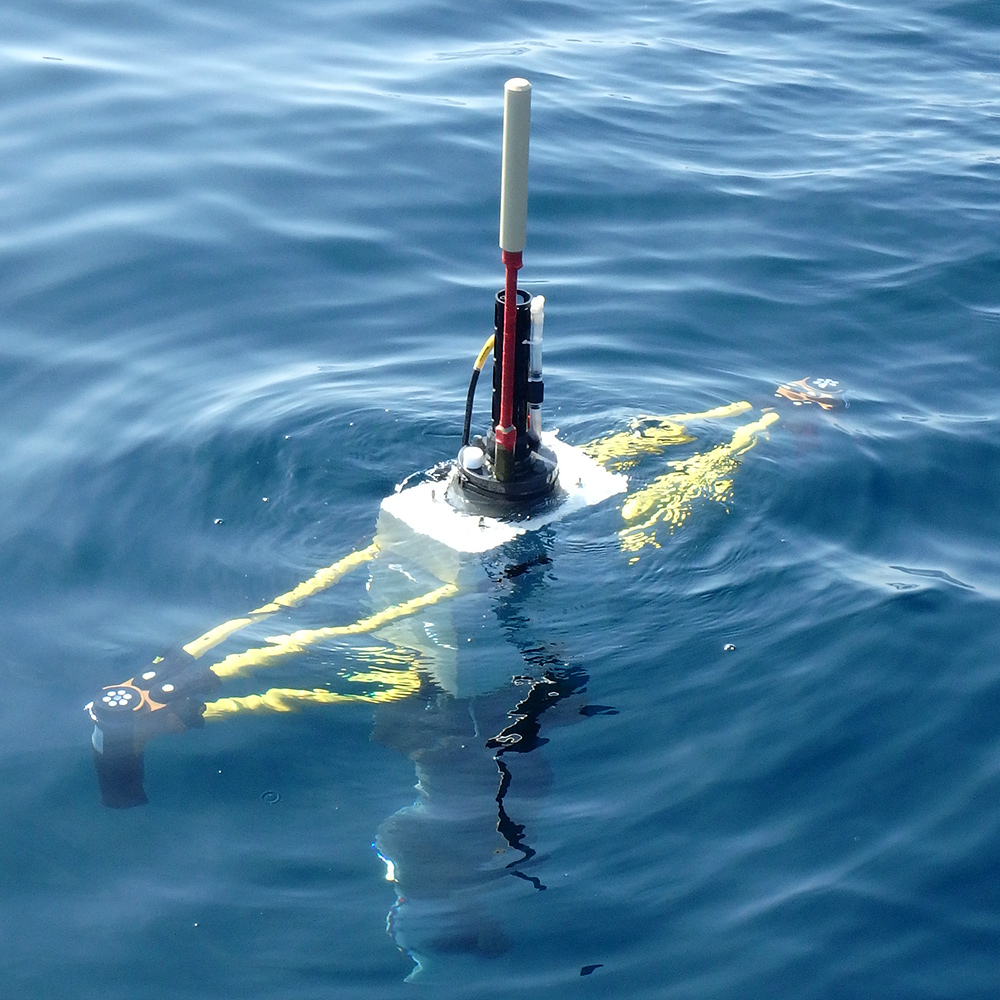
Julia Uitz specializes in marine biogeochemistry and phytoplankton dynamics, with particular emphasis on community composition and associated impacts on carbon fluxes and marine ecosystems. Her research develops and applies approaches that combine bio-optical observations from BGC-Argo profiling floats, ocean color satellites, and research vessels, across regional systems such as the Mediterranean Sea and the Southern Ocean as well as at the global scale. She serves as coordinator of the BGC-Argo component of the Argo-France observing system and is involved as co-PI of the Argo-2030 project (PIA-3 EquipEx), which aims to advance the deployment of ecological sensors on profiling floats. She is the scientific coordinator of the SAPIGH HPLC pigment analysis facility, and co-chair of the scientific committee GMMC (Groupe Mission Mercator Coriolis) within the CNRS national program LEFE. She has co-authored more than 60 publications.

Facilities

Scientific Manager

PUBLICATIONS BY

Julia Uitz

102 documents 🔗 HAL Profile
  • Francesco Mattei, Anna E Hickman, Julia Uitz, Vincenzo Vellucci, Laurence Garczarek, Frédéric Partensky, Stephanie Dutkiewicz. Global Change Biology (2026). ART
    Abstract

    Phytoplankton are key components of ocean ecosystems that play a critical role in regulating Earth's climate. However, how climate‐driven changes in light availability in the ocean will affect marine phytoplankton remains poorly understood. Here, we assess the impact of climate‐induced shifts in the spectral quality of the underwater light field on the relative fitness of phytoplankton with distinct pigment traits using a global ecosystem model. We focus on Synechococcus pigment types, comparing light color specialists with a chromatic acclimator capable of adjusting its pigment composition. Under a high‐emission scenario, the model simulation projected an increase in the average blue‐to‐green ratio across 76% of the ocean area by the end of the 21st century, while 24% of the simulated ocean showed a shift toward greener wavelengths. Regions characterized by larger seasonal variability in blue‐to‐green ratio values appeared to be reduced due to climate‐driven spectral changes. We find that reduced variability in the ocean light field makes the chromatic acclimators' plasticity less advantageous, and this pigment type was most negatively affected. These findings highlight the potential of Synechococcus pigment types as functional bioindicators of ecosystem change and underscore the importance of incorporating functional diversity in global models to better predict phytoplankton responses to changing ocean conditions.

  • Julia Uitz. HDR
    Abstract

    My research investigates the structure and spatio-temporal variability of phytoplankton communities, which are central to marine food webs and the regulation of the oceanic biological carbon pump. I use a combination of satellite ocean color data and in situ measurements from research vessels and BioGeoChemical-Argo (BGC-Argo) profiling floats to study how these communities respond to environmental variability and how they, in turn, influence carbon fluxes in both the global ocean and region-specific regimes, such as the Mediterranean Sea and the Southern Ocean. Over the past years, my work has addressed several key questions: How do bio-optical properties vary across oceanic regimes, and how do these variations affect the interpretation of autonomous observations? How can we infer phytoplankton diversity from bio-optical observations to better understand the temporal and vertical dynamics of phytoplankton communities? What are the patterns and biogeochemical significance of deep chlorophyll maxima in stratified oligotrophic systems? Finally, how can we integrate satellite and in situ observations to produce 3D global fields of phytoplankton community biomass and composition? Building on previous work, my research project focuses on the Southern Ocean, a climatically critical region exhibiting diverse biogeochemical regimes. This project aims to understand how environmental forcing affects phytoplankton bloom phenology, community structure, and the cascading impacts on trophic interactions and carbon fluxes. It combines novel observations from a new generation of BGC-Argo floats, ship-based data, and machine learning–derived biogeochemical products. This interdisciplinary approach will contribute to reducing uncertainties in predicting the Southern Ocean's response to climate change.

  • Clémence Rose, Sandra Banson, Céline Planche, Aura Lupascu, Romain Salignat, Julien Delanoë, Julia Uitz, Frédéric Peyrin, Franck Donnadieu, Cliff Law, Karine Sellegri. Journal of Geophysical Research: Atmospheres (2025). ART
    Abstract

    Sea spray is a large source of cloud condensation nuclei (CCN) over remote oceans, still the dependence of its emission number flux on marine biology is not often represented in models and is subject to high uncertainty. We implemented a recently developed parameterization which relates the number flux of sea spray aerosols to nanophytoplankton cell abundances in the mesoscale model WRF‐Chem and evaluated the impact on the prediction of sea spray aerosols (SSA) number concentrations and cloud properties over the Southern Ocean. Compared to SSA concentrations simulated using the whitecap function available in the model, the use of a function derived from recent observations in the Southern Ocean leads to a decrease in predicted SSA number concentrations (by ∼46%–47% over the domain); this further translates into a decrease in the cloud droplet number concentrations and a decrease (respectively an increase) of the liquid cloud water path (CWP) and rain water path (RWP). A strong increase in SSA number concentrations is predicted when the influence of marine biota is taken into account (by 172%–343%), with a concurrent clear increase of the number of cloud droplets and a subsequent increase (decrease) of the CWP (RWP). Detailed comparison of model outputs and measurements further demonstrates that accounting for the role of marine biological activity is essential to predict more realistic SSA number concentrations and spatio‐temporal variability. Comparisons of modeled vertical profiles of CWP and RWP with remote sensing measurements are also ameliorated with the account of marine biology.

  • T. Hermilly, E. Martinez, J. Uitz, M. Cornec, N. Kolodziejczyk, C. Schmechtig. Geophysical Research Letters (2025). ART
    Abstract

    The seasonal variability of phytoplankton vertical distribution is investigated in the South Pacific where observations are scarce and scattered. We used 13 BioGeoChemical‐Argo floats deployed across diverse oceanic environments. The seasonal latitudinal displacement of the Tasman front induces transitions from mesotrophic to oligotrophic conditions. This shift results in Chlorophyll‐a concentration vertical distribution changing from bloom types to Subsurface Chlorophyll Maxima (SCM) types, with intermediate hybrid types between these extremes. Such hybrid profiles frequently occur in the equatorial Pacific, highlighting a large‐scale pattern rather than local island mass effect. In oligotrophic regions, seasonal variations of light availability and stratification dynamics below the mixed layer likely relate SCM to an increase in carbon biomass or photoacclimation. A biomass increase is frequently observed, contrary to previous studies, suggesting that subsurface phytoplankton biomass may have been largely underestimated. This calls for further observations of the water column in these remote undersampled open ocean areas.

  • Julia Uitz. Southern Ocean Bio-optics Workshop: Reconciling bio-optics, photophysiology and floristics in the PACE era (2025). COMM
  • Francesco Mattei, Anna Hickman, Julia Uitz, Louison Dufour, Vincenzo Vellucci, Laurence Garczarek, Frédéric Partensky, Stephanie Dutkiewicz. Science Advances (2025). ART
    Abstract

    Marine photoautotrophs have evolved to exploit the ocean’s variable light conditions, with chromatic acclimators being able to adjust their pigment content to better match the ambient light color. The impact of chromatic acclimation on phytoplankton distribution and competition is not well understood despite its global importance. This study explores chromatic acclimation’s role in shaping the biogeography of Synechococcus , a widespread cyanobacterium. We integrated three pigment types into a global ecosystem model: a green-light specialist, a blue-light specialist, and a chromatic acclimator. Laboratory studies defined each type’s specific absorption properties. Our results indicate that chromatic acclimation offers an evolutionary advantage by enabling Synechococcus to adapt to varying light environments. This ability to mimic blue- and green-light specialists and enhance absorption at intermediate states, particularly in areas with high seasonal light variations, increases Synechococcus distribution and biomass. Thus, chromatic acclimation affects ecosystem functioning and biogeochemical processes in the ocean.

  • R. Salignat, Clémence Rose, S. Banson, S. Berthet, A. Lupascu, J. Uitz, Marc Mallet, R. Seferian, M. Rocco, A. Colomb, E. Dunne, A. Saint-Macary, A. Marriner, C. Law, K. Sellegri. Journal of Geophysical Research: Atmospheres (2025). ART
    Abstract

    Marine emission of the volatile gas dimethyl sulfide (DMS) is the most substantial source of natural sulfur in the global atmosphere. DMS is believed to play a significant role in the Earth's climate system as a precursor to new particle formation and cloud condensation nuclei in the pristine marine atmosphere. To simulate the global distribution of seawater DMS, atmospheric models use DMS climatologies. In this study, we tested the sensitivity of atmospheric DMS concentrations over the Southwest Pacific Ocean, simulated with the WRF‐Chem regional model, to five seawater DMS climatologies developed over the last two decades together with seawater DMS inferred from a recently developed relationship from nanophytoplankton satellite retrievals. Comparisons with in situ observations recently obtained in the Southwest Pacific and the Southern Ocean revealed that oceanic DMS climatologies are less accurate for latitudes south of 65°S than between 40°S and 65°S. In addition, in our study area, the spatial distribution of marine DMS is more accurately reproduced in the 40–65°S latitudes when deduced from a surface ocean biological variable, particularly when using a recently derived relationship from nanophytoplankton satellite retrievals, rather than from observation‐based climatologies. Simulated atmospheric DMS levels were sensitive to the oceanic DMS climatology used but the atmospheric DMS concentration variability was mostly dependent on the atmospheric dynamics. Atmospheric DMS concentrations and variability measured off the New‐Zealand coast are fairly well reproduced in WRF‐Chem using accurate phytoplanktonic assemblages and the nanophytoplankton‐related seawater DMS concentration.

  • M. Rocco, E. Dunne, R. Salignat, A. Saint-Macary, M. Peltola, T. Barthelmeß, G. Chamba, N. Barr, K. Safi, A. Marriner, S. Deppeler, C. Rose, J. Uitz, J. Harnwell, A. Engel, A. Colomb, A. Saiz-Lopez, M. Harvey, C. Law, K. Sellegri. Journal of Geophysical Research: Atmospheres (2025). ART
    Abstract

    Abstract Dimethyl sulphide (DMS) and methanethiol (MeSH) emissions from South Pacific surface seawater were determined in deck board Air‐Sea Interface Tanks during the Sea2Cloud voyage in March 2020. The measured fluxes from water to headspace (F) varied with water mass type, with lowest fluxes observed with Subtropical and Subantarctic waters and highest fluxes from Frontal waters. Measured DMS fluxes were consistent with fluxes calculated using a two‐layer model and seawater DMS concentrations. The MeSH:DMS flux ratio was 11%–18% across the three water mass types, confirming that MeSH may represent a significant unaccounted contribution to the atmospheric sulfur budget, with potentially important implications for marine aerosol formation and growth in models. Combining data from the ASITs and ambient surface seawater identified significant Spearman rank correlations for both dissolved DMS and MeSH with nanophytoplankton cell abundance ( p value < 0.012), suggesting an important role for this phytoplankton size class in determining regional DMS and MeSH emissions. Applying a nanophytoplankton‐based parameterization to estimate DMS w provided good agreement with a recent DMS climatology. Consequently, the observed relationship between DMS w , MeSH w and nanophytoplankton cell abundances may be applicable for modeling atmospheric fluxes.

  • Élodie Martinez, Thomas Gorgues, Matthieu Lengaigne, Raphaëlle Sauzède, Christophe E. Menkès, Julia Uitz, Emanuele Di Lorenzo, Ronan Fablet. Frontiers in Marine Science (2024). OTHER
  • Cécile Guieu, Karine Desboeufs, Samuel Albani, Samir Alliouane, Olivier Aumont, Marie Barbieux, Stéphanie Barrillon, Anne-Claire Baudoux, Léo Berline, Nagib Bhairy, Estelle Bigeard, Matthew Bloss, Matthieu Bressac, J. Brito, Francois Carlotti, Guillaume de Liège, Julie Dinasquet, Kahina Djaoudi, Andrea M. Doglioli, Fabrizio d'Ortenzio, Jean-François Doussin, Lucile Duforet, François Dulac, Jean-Claude Dutay, Anja Engel, Guillermo Feliu-Brito, Hélène Ferre, Paola Formenti, Franck Fu, David Garcia, Marc Garel, Frédéric Gazeau, Chiara Giorio, Gérald Gregori, Jean-Michel Grisoni, Sophie Guasco, Joris Guittonneau, Nils Haëntjens, Lars-Eric Heimburger, Sandra Helias, Stéphanie Jacquet, Brice Laurent, Nathalie Leblond, Dominique Lefevre, Marc Mallet, Emilio Marañón, Pierre Nabat, A. Nicosia, Ingrid Obernosterer, Maria Perez Lorenzo, Anne Petrenko, Elvira Pulido-Villena, Patrick Raimbault, Céline Ridame, Véronique Riffault, Gilles Rougier, Louise Rousselet, Matthieu Roy-Barman, Alfonso Saiz-Lopez, Catherine Schmechtig, Karine Sellegri, Guillaume Siour, Vincent Taillandier, Christian Tamburini, Melilotus Thyssen, Antonio Tovar-Sanchez, Sylvain Triquet, Julia Uitz, France van Wambeke, Thibaut Wagener, Birthe Zaencker. OTHER
  • Clément Bazantay, Olivier Jourdan, Guillaume Mioche, Julia Uitz, Aymeric Dziduch, Julien Delanoë, Quitterie Cazenave, Raphaëlle Sauzède, Alain Protat, Karine Sellegri. Geophysical Research Letters (2024). ART
    Abstract

    There is growing evidence that marine microorganisms may influence cloud cover over the ocean through their impact on sea spray and trace gas emissions, further forming cloud droplets or ice crystals. However, evidence of a robust causal relationship based on observations is still pending. In this study, we use 4 years of multi‐instrument satellite data to segregate low‐level clouds into ice‐containing and liquid‐water clouds to obtain clear relationships between cloud types and ocean biological tracers, especially with nanophytoplankton cell abundances. Results suggest that microorganisms may be involved in compensating effects on cloud properties, increasing the frequency of occurrence of warm‐liquid clouds, and decreasing the occurrence of ice‐containing clouds in most regions during springtime. The relationships observed in most regions do not apply to the South Pacific Ocean in the 40°S–50°S latitude band. These results shed light on overlooked potential compensating effects of ocean microorganisms on cloud cover.

  • Julia Uitz, Raphaëlle Sauzède, Louis Terrats, Renosh PANNIMPULLATH REMANAN, J. Ras, Céline Dimier, Catherine Schmechtig, Hervé Claustre. Ocean Science Meeting (2024). COMM
    Abstract

    Phytoplankton community composition significantly influences important biogeochemical processes, particularly the biological carbon pump. Assessing the global distribution and dynamics of main phytoplankton groups is therefore of the utmost importance. Taking advantage of the synoptic view of satellite ocean color and altimetry observations combined with vertically-resolved proles of chlorophyll fluorescence collected by the global BioGeoChemical-Argo (BGC-Argo) fleet, we previously developed a neural network-based approach to infer a global tridimensional (3D) gridded product of chlorophyll a (Chla), i.e. the SOCA-Chla method. Expanding upon SOCA-Chla, we introduce SOCA-PFT, a novel method for deriving a global 3D product of phytoplankton functional types (PFT). SOCA-PFT follows the same principle as SOCA-Chla but requires an initial step to enrich the training BGC-Argo database with the PFT information that would not otherwise be available. This step involves developing a neural network trained on a large-scale database of concurrent shipborne measurements of vertical proles of pigments determined by High Performance Liquid Chromatography (HPLC), fluorescence and temperature/salinity (T/S). Applied to the BGC-Argo database, this intermediate method yields a PFT-enriched BGC-Argo database, which is further matched up with satellite observations to train the SOCA-PFT method. The resulting global PFT product provides depth-resolved Chla associated with pico-, nano-, and microphytoplankton as well as concentrations of pigment biomarkers representing major phytoplankton groups. This new product is expected to be useful for various applications, from understanding the response of phytoplankton communities to environmental conditions, to improving the quantification of biogeochemical budgets or validating biogeochemical models that explicitly incorporate multiple phytoplankton groups.

  • Fabrizio D’Ortenzio, Julia Uitz. Arts et sciences (2024). ART
    Abstract

    Dans l’océan, des organismes microscopiques sont à la fois les peintres et la teinte d’un grand tondo1 planétaire. Ces organismes, le phytoplancton, de couleur verte, sous des conditions marines favorables, colorent d’énormes zones de l’océan. Tellement énormes que leur extension ne peut être observée que depuis l’espace. Nous présentons ici quelques images de la Méditerranée nord-occidentale, prises par un satellite scientifique, qui nous montrent la beauté de ce tondo visible seulement depuis une altitude de 700 km.

  • J. Uitz, C. Roesler, E. Organelli, H. Claustre, C. Penkerc'H, S. Drapeau, E. Leymarie, A. Poteau, C. Schmechtig, C. Dimier, J. Ras, X. Xing, S. Blain. Journal of Geophysical Research. Oceans (2023). ART
    Abstract

    Abstract The Southern Ocean (SO) is known for its atypical bio‐optical regime. This complicates the interpretation of proxies measured from satellite and in situ platforms equipped with optical sensors, which occupy an important niche for monitoring the vast and remote SO. A ship‐based field study in concert with time series observations from BioGeoChemical‐Argo (BGC‐Argo) profiling floats were used to investigate spatial and temporal variations in bio‐optical relationships in the open ocean waters surrounding the Kerguelen Plateau in the Indian sector of the SO. Compared to other regions with similar chlorophyll concentrations, chlorophyll‐specific phytoplankton absorption in the blue waveband presented a consistent negative anomaly. The anomaly was uniform over deep mixed layers and correlated with phytoplankton size, photoacclimation and atypically high concentrations of fucoxanthin. The BGC‐Argo observation‐based proxies revealed that the blue absorption anomaly increased with chlorophyll concentration both spatially and temporally and, while particularly pronounced in the naturally iron‐fertilized waters, was also found in the High Nutrient Low Chlorophyll region. While phytoplankton size was an important driver of the anomaly, photoacclimation associated with self‐shading of phytoplankton cells was also involved during intense booms. The backscattering coefficient exhibited negative and positive anomalies in the low and high biomass regimes, respectively. The large positive anomaly in high biomass regimes was attributed to the variable non‐algal particles characteristics associated with a relatively high production of bloom by‐products. With clear understanding of the bio‐optical anomalies, BGC‐Argo floats stand as unique tools for monitoring the bio‐optical spatio‐temporal complexity of the SO.

  • Flavien Petit, Julia Uitz, Hervé Claustre. Aquatic Science Meeting (2023). COMM
    Abstract

    Phytoplankton diversity affects marine ecosystems and biogeochemical functioning ▪ Phytoplankton community composition is a major driver of carbon fluxes (e.g.

  • Cécile Guieu, Sophie Bonnet, Fatima Abadou, Samir Alliouane, Sophie Arnaud-Haond, Verónica Arnone, Anne-Claire Baudoux, Chloé Baumas, Lucie Beillard, Mar Benavides, Ilana Berman-Frank, Nagib Bhairy, Estelle Bigeard, Cédric Boulart, Pascale Bouruet-Aubertot, Philip Boyd, Matthieu Bressac, Mercedes Camps, Samuel Chaffron, Valérie Chavagnac, Servanne Chevaillier, Julien Collot, Yannis Cuypers, Guillaume de Liège, Emmanuel de Saint Léger, Colomban de Vargas, Karine Desboeufs, Marie-Maëlle Desgranges, Christine Destrigneville, Céline Dimier, Wendy Diruit, Delphine Dissard, Jean-Francois Doussin, Aurélie Dufour, Gabriel Dulaquais, Jean-Michel Fernandez, Anaïs Feron, Mathilde Ferrieux, Alba Filella, Heather Forrer, Pierre Fourrier, Jean-Philippe Gac, Martin Gachenot, Cécile Gaimoz, Laurence Garczarek, Frédéric Gazeau, Aridane González, David González‐Santana, Thomas Gorgues, Nicolas Grima, Jean-Michel Grisoni, Olivier Grosso, Catherine Guigue, Jérémie Habasque, Lars-Eric Heimbürger-Boavida, Catherine Jeandel, Christian Jeanthon, Emilie Journet, Angela Knapp, François Lacan, Florence Le Gall, Frédéric Le Moigne, Pierre Le Moal, Karine Leblanc, Nathalie Leblond, Anne Lebourges-Dhaussy, Jade Leconte, Dominique Lefèvre, Fabien Lombard, Anne Lorrain, Caroline Lory, Christophe Maes, Léo Mahieu, Dominique Marie, Camille Mazoyer, Christophe Menkes, Vincent Michoud, Maryline Montanes, Fabrice Not, Sandra Nunige, Francesco Paparella, Martin Patriat, Bernard Pelletier, Anne Petrenko, Hélène Planquette, David Point, Gemma Portlock, Ian Probert, Elvira Pulido-Villena, Morgane Ratin, Lavenia Ratnarajah, Ricardo Riso, Andrea Rizzo, Pascal Salaun, Géraldine Sarthou, Catherine Schmechtig, Karine Sellegri, Nathalie Simon, Alessandro Tagliabue, Vincent Taillandier, Christian Tamburini, Marc Tedetti, Fanny Thibon, Chloé Tilliette, Natalia Torres-Rodríguez, Sylvain Triquet, Julia Uitz, France van Wambeke, Daniel Vaulot, Nathalie Vigier, Marion Vilain, Maria Helena Vorrath, Lucas Weppe, Hannah Whitby. OTHER
    Abstract

    The objective of the TONGA oceanographic expedition was to study the control of productivity and carbon sequestration by micronutrients of shallow hydrothermal origin in the Western Tropical South Pacific (WTSP) Ocean. The 37-day oceanographic survey took place on board the R/V L’Atalante in 2019 between Oct. 31 to Dec. 6 (Nouméa-Nouméa). Over a large area of the WTSP the team acquired numerous results on both the entire water column (up to the sediment) and the atmosphere. Specific task are represented on figure 1: (task 1) to characterize chemically and optically shallow hydrothermal fluids and to compare the source from below (shallow hydrothermal fluids) with the source from above (atmospheric deposition); (task 2) to quantify the dynamical dispersion of the fluids at small and regional scale; (task 3) to investigate the impact of the shallow hydrothermal sources on the biological activity and diversity, and the feedback to the atmosphere via the oceanic emissions of primary and secondary aerosols. (Task 4) to communicate about the campaign (see for example our Tweeter account (https://twitter.com/tongaproject) and the movie (26’) both in French (https://www.youtube.com/watch?v=e5kAd0i6Dck) and English (https://www.youtube.com/watch?v=UeABf-cVR-k). A long west to east (up to the blue waters of the gyre) transect allowed to characterize the different biogeochemical provinces crossed and a focus in the region of the Lau Basin allowed to investigate the impact of shallow hydrothermal sources. A series of short and long stations allowed to fully characterize the stocks and the fluxes in the different provinces. Short-term (up to 10 days) processes studies have been conducted (drifting moorings and minicosms experiments). Part of these results will feed into important modeling work. A fixed mooring line launched at the end of the campaign and recovered in Nov. 2020 as well as the 7 ARGO floats and 20 drifting buoys that were dropped during the campaign provide a broader temporal context of the acquisitions done during the campaign. An important focus of the campaign was the trace metal characterization of the entire water column. For this, TONGA has been labeled by the international program GEOTRACES (https://www.geotraces.org/). The impact on biological communities of fluids is supported by the international IMBER program (https://imber.info/). The TONGA project is also part of the LEFE program (funding by LEFE-CYBER and LEFE-GMMC), the ANR (Appel à projets génériques) and the Fondation A-MIDeX of the Aix-Marseille Université.


  • Emmanuel Boss, Anya Waite, Johannes Karstensen, Tom Trull, Frank Muller-Karger, Heidi Sosik, Julia Uitz, Silvia Acinas, Katja Fennel, Ilana Berman-Frank, Sandy Thomalla, Hidekatsu Yamazaki, Sonia Batten, Gérald Grégori, Anthony Richardson, Rik Wanninkhof. Frontiers in Marine Science (2022). ART
    Abstract

    Measuring plankton and associated variables as part of ocean time-series stations has the potential to revolutionize our understanding of ocean biology and ecology and their ties to ocean biogeochemistry. It will open temporal scales (e.g., resolving diel cycles) not typically sampled as a function of depth. In this review we motivate the addition of biological measurements to time-series sites by detailing science questions they could help address, reviewing existing technology that could be deployed, and providing examples of time-series sites already deploying some of those technologies. We consider here the opportunities that exist through global coordination within the OceanSITES network for long-term (climate) time series station in the open ocean. Especially with respect to data management, global solutions are needed as these are critical to maximize the utility of such data. We conclude by providing recommendations for an implementation plan.

  • Flavien Petit, Julia Uitz, Hervé Claustre. Ocean Sciences Meeting (2022). COMM
    Abstract

    Fluorescence is a practical method implemented in the BioGeoChemical-Argo (BGC-Argo) network for estimating the chlorophyll a concentration (Chla), a widely used proxy of phytoplankton biomass. Despite a strong correlation between the Chla and fluorescence signal on restricted spatial and temporal scales, large regional variations with a clear latitudinal gradient in the Chla-to-fluorescence ratio, referred to as “slope factor”, have been observed in the global ocean. This indicates the potential influence of phytoplankton community composition, resulting from the combined effects of phytoplankton absorption and quantum yield of fluorescence. As phytoplankton communities play a key role in global biogeochemical cycles, it is critical to understand their variability to accurately determine Chla. In order to examine the role of phytoplankton community composition on the fluorescence signal, we used a global concurrent dataset of Chla estimated from BGC-Argo float fluorescence measurements and High-Performance Liquid Chromatography determinations, as well as phytoplankton absorption measurements. The community composition of phytoplankton shows a strong influence on absorption, with smaller cells characterized by reduced package effect and high absorption by accessory pigments in the blue spectral region. The quantum yield of fluorescence presents a clear trend with lower values in oligotrophic areas than in high latitude regions. In oligotrophic regions, picophytoplankton exhibit low values of the fluorescence quantum yield, which we attribute to the non-photosynthetic pigment zeaxanthin. The present work, showing that the slope factor is significantly correlated to the size structure of phytoplankton communities, is a first step towards a better estimation of Chla from BGC-Argo floats. Different methods have been proposed for assessing community size structure from BGC-Argo floats and thus could be used to better constrain the calibration of fluorescence in Chla.

  • Flavien Petit, Julia Uitz, Hervé Claustre. 7th Argo Science Workshop (2022). COMM
  • Raphaëlle Sauzède, Renosh Pannimpullath Remanan, Julia Uitz, Hervé Claustre. Ocean Sciences Meeting (2022). COMM
  • Clément Bazantay, Olivier Jourdan, Guillaume Mioche, Julien Delanoë, Quitterie Cazenave, Julia Uitz, Karine Sellegri. EGU General Assembly 2022 (2022). COMM
    Abstract

    Climate model simulations of cloud radiative properties over the Southern Ocean (SO) show that clouds reflect too little solar radiation compared with observations. This results in large errors in the modelled sea surface temperature, atmospheric circulation and climate sensitivity. Low-level (LL) mixed-phase clouds (MPCs) in the cold sectors of extratropical cyclones are identified as the main contributor to the SO radiation bias. In this study, LL clouds are investigated between 40°S and 82° S to provide a new insight into their geographical distribution, as well as their spatial and temporal variabilities. The methodology relies on DARDAR products which exploits the synergy of CALIPSO's lidar and CloudSat's radar space-borne remote sensing observations. Based on DARDAR cloud-type products, a cloud classification program was developed to establish cloud spatial and temporal distributions. This study concerns all types of cloud, including MPCs and supercooled-water containing clouds. The mean seasonal LL cloud cover for 2007-2010 over oceans (including sea-ice) varies from 64.4% in winter to 68.4% in fall. Larger cloud covers are observed between 50°S and 65°S where clouds are present more than 80% of the time. Dividing the studied area into smaller regions allowed to extract homogeneous sectors in term of cloud coverage. This analysis draw attention on some regions, such as the Tasman Sea sector that undergoes the highest seasonal variations for MPC and USLC occurrence, and the Argentinian coasts that presents important differences with other regions at the same latitudes. Over the Southern Ocean, the Weddell Sea sector stands out with a relatively low LL cloud occurrence. Statistical analyses were carried out to determine the influence of the meteorological and biological conditions on cloud occurrence. Even though air temperature drives all cloud-type occurrences, it was found that the lower-tropospheric stability (LTS) is a good predictor of ice- cloud occurrence between 40°S and 50°S, particularly. With biological activity, first results indicate strong correlations with cloud occurrence, where chlorophyll-a, nanophytoplankton and particulate organic carbon concentrations are investigated between 40°S and 60°S.

  • Flavien Petit, Julia Uitz, Catherine Schmechtig, Céline Dimier, Josephine Ras, Antoine Poteau, Melek Golbol, Vincenzo Vellucci, Hervé Claustre. Frontiers in Marine Science (2022). ART
    Abstract

    Influence of the phytoplankton community composition on the in situ fluorescence signal: Implication for an improved estimation of the chlorophyll-a concentration from BiogeoChemical-Argo profiling floats.

  • Marie Barbieux, Julia Uitz, Alexandre Mignot, Collin Roesler, Hervé Claustre, Bernard Gentili, Vincent Taillandier, Fabrizio d'Ortenzio, Hubert Loisel, Antoine Poteau, Edouard Leymarie, Christophe Penkerc'H, Catherine Schmechtig, Annick Bricaud. Biogeosciences (2022). ART
    Abstract

    This study assesses marine community production based on the diel variability of bio-optical properties monitored by two BioGeoChemical-Argo (BGC-Argo) floats. Experiments were conducted in two distinct Mediterranean systems, the northwestern Ligurian Sea and the central Ionian Sea, during summer months. We derived particulate organic carbon (POC) stock and gross community production integrated within the surface, euphotic and subsurface chlorophyll maximum (SCM) layers, using an existing approach applied to diel cycle measurements of the particulate beam attenuation (c<sub>p</sub>) and backscattering (b<sub>bp</sub>) coefficients. The diel cycle of c<sub>p</sub> provided a robust proxy for quantifying biological production in both systems; that of b<sub>bp</sub> was comparatively less robust. Derived primary production estimates vary by a factor of 2 depending upon the choice of the bio-optical relationship that converts the measured optical coefficient to POC, which is thus a critical step to constrain. Our results indicate a substantial contribution to the water column production of the SCM layer (16 %-42 %), which varies largely with the considered system. In the Ligurian Sea, the SCM is a seasonal feature that behaves as a subsurface biomass maximum (SBM) with the ability to respond to episodic abiotic forcing by increasing production. In contrast, in the Ionian Sea, the SCM is permanent, primarily induced by phytoplankton photoacclimation, and contributes moderately to water column production. These results clearly demonstrate the strong potential for transmissometers deployed on BGC-Argo profiling floats to quantify non-intrusively in situ biological production of organic carbon in the water column of stratified oligotrophic systems with recurring or permanent SCMs, which are widespread features in the global ocean.

  • Emanuele Organelli, Edouard Leymarie, Julia Uitz, Fabrizio d'Ortenzio, O Zielinski, Emmanuel Boss, Hervé Claustre. ESA Ocean Carbon from Space Workshop, 2nd Workshop in the CLEO (Colour and Light in the ocean from Earth Observation) Series (2022). COMM
  • Julien Palmieri, Alexandre Mignot, Jean-Claude Dutay, Camille Richon, Diego Macias Moy, Fabrizio D’ortenzio, Catherine Schmechtig, Julia Uitz, Loic Houpert, Julien Lamouroux, Melika Baklouti, Remi Pages, Solidoro Cosimo, Anna Teruzzi, Paolo Lazzari, Stefano Ciavatta, Susan Kay, George Triantafyllou, Kostas Tsiaras, Samuel Somot. EGU General Assembly (2021). COMM
    Abstract

    The Mediterranean Sea has been identified as a hotspot for climate change. Furthermore, its very diverse trophic regimes, in such a little area, make it an extremely interesting region from a biogeochemical perspective. Numerous studies aim at better understanding and representing the Mediterrenean dynamics and biogeochemistry through modeling. This is a crucial step in order to predict the future anthropogenic impacts on the Mediterranean Sea and their possible effects on its biogeochemistry,  and all what depends on it. The number of models that simulate the Mediterranean biogeochemistry, and the data available to compare with are now sufficient to draw an overall picture of the Mediterranean Sea biogeochemical models state of the art.</p><p>In this study, we gathered 10 biogeochemical simulations of the Mediterranean Sea, including 8 regional and 2 high-resolution global configurations. The simulations are compared with surface chlorophyll estimates derived from satellite observations; chlorophyll, nitrate, oxygen, and particulate organic carbon concentrations derived from BGC-Argo floats, and  phytoplankton group-specific  primary production estimated from ocean color satellite observations. </p><p>Our first aim is to describe and compare all known Mediterranean biogeochemical models, and to highlight their specificity. This should give an insight into the current achievements, and expose what biogeochemical model products are hence available for further ecological analysis. </p><p>Furthermore, a specific attention is given to how well each model performs in selected regions of the Mediterranean Sea, in order to understand which specific process is needed to adequately represent the different trophic regimes of the Mediterranean Sea.</p><p> </p>

  • Emilio Marañón, France van Wambeke, Julia Uitz, Emmanuel Boss, Céline Dimier, Julie Dinasquet, Anja Engel, María Pérez-Lorenzo, Vincent Taillandier, Birthe Zäncker. Biogeosciences (2021). ART
  • Raphaëlle Sauzède, Hervé Claustre, Renosh Pannimpullath Remanan, Julia Uitz, Stéphanie Guinehut. 9th EuroGOOS International conference (2021). COMM
    Abstract

    As part of Copernicus Marine Environmental Monitoring Service (CMEMS), the multi-observations thematic assembly center aims to provide products based on observations and data fusion techniques (Guinehut et al., 2021). Sauzede et al., (2016) have demonstrated the potential of using hydrological measurements and ocean color satellite observations to infer the vertical distribution of backscattering coeffi cient, a proxy for the stock of particulate organic carbon (POC). The 'Satellite Ocean-Color merged with Argo data to infer bio-optical properties to depth' (SOCA) method is a neural-network-based method trained using the Biogeochemical-Argo database. SOCA has been upgraded to improve the POC retrieval and additionally retrieve the chlorophyll-a concentration (Chl). Using this method with CMEMS hydrological and satellite products, weekly 3-dimensional fi elds of POC and associated uncertainty were retrieved for the 1998-2018 period and made available from the CMEMS online portal since July 2020. The 3-dimensional products of SOCA-retrieved Chl will be made available by the end of 2021. Both of these products will be updated yearly as new input data become available. These new CMEMS products represent a most valuable source of data useful not only for supporting the quality control of Biogeochemical-Argo fl oat observations but also for data assimilation and initialization/validation of biogeochemical models.

  • Gemma Kulk, Trevor Platt, James Dingle, Thomas Jackson, Bror Jönsson, Heather Bouman, Marcel Babin, Robert Brewin, Martina Doblin, Marta Estrada, Francisco Figueiras, Ken Furuya, Natalia González-Benítez, Hafsteinn Gudfinnsson, Kristinn Gudmundsson, Bangqin Huang, Tomonori Isada, Žarko Kovač, Vivian Lutz, Emilio Marañón, Mini Raman, Katherine Richardson, Patrick Rozema, Willem van de Poll, Valeria Segura, Gavin Tilstone, Julia Uitz, Virginie van Dongen-Vogels, Takashi Yoshikawa, Shubha Sathyendranath. Remote Sensing (2021). ART
    Abstract

    Since the article “Primary Production, an Index of Climate Change in the Ocean: Satellite-Based Estimates over Two Decades” by Kulk et al [...]

  • Emanuele Organelli, Edouard Leymarie, Oliver Zielinski, Julia Uitz, Fabrizio D’ortenzio, Hervé Claustre. Oceanography (2021). ART
  • Karine Sellegri, Alessia Nicosia, Evelyn Freney, Julia Uitz, Melilotus Thyssen, Gérald Grégori, Anja Engel, Birthe Zäncker, Nils Haëntjens, Sébastien Mas, David Picard, Alexia Saint-Macary, Maija Peltola, Clémence Rose, Jonathan Trueblood, Dominique Lefèvre, Barbara d'Anna, Karine Desboeufs, Nicholas Meskhidze, Cecile Guieu, Cliff S Law. Scientific Reports (2021). ART
    Abstract

    One pathway by which the oceans influence climate is via the emission of sea spray that may subsequently influence cloud properties. Sea spray emissions are known to be dependent on atmospheric and oceanic physicochemical parameters, but the potential role of ocean biology on sea spray fluxes remains poorly characterized. Here we show a consistent significant relationship between seawater nanophytoplankton cell abundances and sea-spray derived Cloud Condensation Nuclei (CCN) number fluxes, generated using water from three different oceanic regions. This sensitivity of CCN number fluxes to ocean biology is currently unaccounted for in climate models yet our measurements indicate that it influences fluxes by more than one order of magnitude over the range of phytoplankton investigated.

  • Elodie Martinez, Thomas Gorgues, Matthieu Lengaigne, Clement Fontana, Raphaëlle Sauzède, Christophe E. Menkès, Julia Uitz, Emanuele Di Lorenzo, Ronan Fablet. Frontiers in Marine Science (2020). ART
    Abstract

    Monitoring the spatio-temporal variations of surface chlorophyll-a concentration (Chl, a proxy of phytoplankton biomass) greatly benefited from the availability of continuous and global ocean color satellite measurements from 1997 onward. These two decades of satellite observations are however still too short to provide a comprehensive description of Chl variations at decadal to multi-decadal timescales. This paper investigates the ability of a machine learning approach (a non-linear statistical approach based on Support Vector Regression, hereafter SVR) to reconstruct global spatio-temporal Chl variations from selected surface oceanic and atmospheric physical parameters. With a limited training period (13 years), we first demonstrate that Chl variability from a 32-years global physical-biogeochemical simulation can generally be skillfully reproduced with a SVR using the model surface variables as input parameters. We then apply the SVR to reconstruct satellite Chl observations using the physical predictors from the above numerical model and show that the Chl reconstructed by this SVR more accurately reproduces some aspects of observed Chl variability and trends compared to the model simulation. This SVR is able to reproduce the main modes of interannual Chl variations depicted by satellite observations in most regions, including El Niño signature in the tropical Pacific and Indian Oceans. In stark contrast with the trends simulated by the biogeochemical model, it also accurately captures spatial patterns of Chl trends estimated by satellite data, with a Chl increase in most extratropical regions and a Chl decrease in the center of the subtropical gyres, although the amplitude of these trends are underestimated by half. Results from our SVR reconstruction over the entire period (1979–2010) also suggest that the Interdecadal Pacific Oscillation drives a significant part of decadal Chl variations in both the tropical Pacific and Indian Oceans. Overall, this study demonstrates that non-linear statistical reconstructions can be complementary tools to in situ and satellite observations as well as conventional physical-biogeochemical numerical simulations to reconstruct and investigate Chl decadal variability.

  • Emmanuel Boss,, Anya M. Waite, Julia Uitz, Silvia G Acinas, Heidi M. Sosik, Katja Fennel, Ilana Berman-Frank, Marcela Cornejo, Sandy Thomalla, Hidekatsu Yamazaki, Sonia Batten, Hervé Claustre, Gérald Grégori, Frank Muller-Karger, Anthony Richardson, Bernadette Sloyan, Rik Wanninkhof. OTHER
  • Elodie Martinez, Thomas Gorgues, Matthieu Lengaigne, Clement Fontana, Raphaëlle Sauzède, Christophe E. Menkès, Julia Uitz, Emanuele Di Lorenzo, Ronan Fablet. Frontiers in Marine Science (2020). ART
  • Raphaëlle Sauzède, Elodie Martinez, Christophe Maes, Orens Pasqueron de Fommervault, Antoine Poteau, Alexandre Mignot, Hervé Claustre, Julia Uitz, Laurent Oziel, Keitapu Maamaatuaiahutapu, Martine Rodier, Catherine Schmechtig, Victoire Laurent. Journal of Marine Systems (2020). ART
    Abstract

    The South Pacific Subtropical Gyre (SPSG) is a vast and remote oceanic system where the variability in phytoplankton biomass and production is still largely uncertain due to the lack of in situ biogeochemical observations. The SPSG is an oligotrophic environment where the ecosystem is controlled predominantly by nutrient depletion in surface waters. However, this dynamic is altered in the vicinity of islands where increased biological activity occurs (i.e. the island mass effect, IME). This study mainly focuses on in situ observations which show evidence of an IME leeward of Tahiti (17.7°S - 149.5°W), French Polynesia. Physical and biogeochemical observations collected with two Biogeochemical-Argo profiling floats are used to investigate the dynamics of phytoplankton biomass. Data from the first float, drifting from April 2015 to November 2016 over >1000 km westward of Tahiti, describe the open ocean conditions. The second float, deployed leeward of Tahiti in October 2015, stayed within 45 km off Tahiti for three months before it stopped communicating. In the oligotrophic central SPSG, our observations show that the deepening of the deep chlorophyll maximum (DCM) from winter to summer is light-driven and that the wintertime increase in chlorophyll a concentration in the upper layer is likely to be due to the process of photoacclimation, consistent with previous observations in oligotrophic environments. In contrast, leeward of Tahiti, the DCM widens toward the surface during late spring in association with a biological enhancement in the upper layer. Using Biogeochemical-Argo data, meteorological data from Tahiti, Hybrid Coordinate Ocean Model outputs and satellite-derived products (i.e., horizontal currents and associated fronts), the physical mechanisms involved in producing this biological enhancement leeward of Tahiti have been investigated. The IME occurs during a period of strong precipitation and in a zone of weak currents downstream of the island. We conjecture that the land drainage induces a significant supply of nitrate in the ocean upper layer (down to ~100 m) while a zone of weak currents in the southwestern zone behind Tahiti allows an accumulation zone to form, hence increasing phytoplankton growth up to 20 km away from the coastlines. A bio-optical-based community index suggests that the composition of the phytoplankton community differs leeward of Tahiti from that in the open ocean area, with more microphytoplankton within the IME, which is associated with an increase in the carbon export to the deeper ocean.

  • Gemma Kulk, Trevor Platt, James Dingle, Thomas Jackson, Bror Jonsson, Heather Bouman, Marcel Babin, Robert J W Brewin, Martina Doblin, Marta Estrada, Francisco G Figueiras, Ken Furuya, Natalia González-Benítez, Hafsteinn G Gudfinnsson, Kristinn Gudmundsson, Bangqin Huang, Tomonori Isada, Žarko Kovač, Vivian A Lutz, Emilio Marañón, Mini Raman, Katherine Richardson, Patrick D Rozema, Willem H van de Poll, Valeria Segura, Gavin H Tilstone, Julia Uitz, Virginie van Dongen-Vogels, Takashi Yoshikawa, Shubha Sathyendranath. Remote Sensing (2020). ART
    Abstract

    Primary production by marine phytoplankton is one of the largest fluxes of carbon on our planet. In the past few decades, considerable progress has been made in estimating global primary production at high spatial and temporal scales by combining in situ measurements of primary production with remote-sensing observations of phytoplankton biomass. One of the major challenges in this approach lies in the assignment of the appropriate model parameters that define the photosynthetic response of phytoplankton to the light field. In the present study, a global database of in situ measurements of photosynthesis versus irradiance (P-I) parameters and a 20-year record of climate quality satellite observations were used to assess global primary production and its variability with seasons and locations as well as between years. In addition, the sensitivity of the computed primary production to potential changes in the photosynthetic response of phytoplankton cells under changing environmental conditions was investigated. Global annual primary production varied from 38.8 to 42.1 Gt C yr −1 over the period of 1998-2018. Inter-annual changes in global primary production did not follow a linear trend, and regional differences in the magnitude and direction of change in primary production were observed. Trends in primary production followed directly from changes in chlorophyll-a and were related to changes in the physico-chemical conditions of the water column due to inter-annual and multidecadal climate oscillations. Moreover, the sensitivity analysis in which P-I parameters were adjusted by ±1 standard deviation showed the importance of accurately assigning photosynthetic parameters in global and regional calculations of primary production. The assimilation number of the P-I curve showed strong relationships with environmental variables such as temperature and had a practically one-to-one relationship with the magnitude of change in primary production. In the future, such empirical relationships could potentially be used for a more dynamic assignment of photosynthetic rates in the estimation of global primary production. Relationships between the initial slope of the P-I curve and environmental variables were more elusive.

  • Luigi Caputi, Quentin Carradec, Damien Eveillard, Amos Kirilovsky, Éric Pelletier, Juan Pierella Karlusich, Fabio Rocha Jimenez Vieira, Emilie Villar, Samuel Chaffron, Shruti Malviya, Eleonora Scalco, Silvia Acinas, Adriana A. Alberti, Jean Marc Aury, Anne-Sophie Benoiston, Alexis Bertrand, Tristan Biard, Lucie Bittner, Martine Boccara, Jennifer R. Brum, Christophe Brunet, Greta Busseni, Anna Carratalà, Hervé Claustre, Luis Pedro Coelho, Sébastien Colin, Salvatore d'Aniello, Corinne da Silva, Marianna del Core, Hugo Doré, Stéphane Gasparini, Florian Kokoszka, Jean-Louis Jamet, Christophe Lejeusne, Cyrille Lepoivre, Magali Lescot, Gipsi Lima-Mendez, Fabien Lombard, Julius Lukeš, Nicolas Maillet, Mohammed-Amin Madoui, Elodie Martinez, Maria Grazia Mazzocchi, Mario B Néou, Javier Paz-Yepes, Julie Poulain, Simon Ramondenc, Jean-Baptiste Romagnan, Simon Roux, Daniela Salvagio Manta, Remo Sanges, Sabrina Speich, Mario Sprovieri, Shinichi Sunagawa, Vincent Taillandier, Atsuko Tanaka, Leila Tirichine, Camille Trottier, Julia Uitz, Alaguraj Veluchamy, Jana Veselá, Flora Vincent, Sheree Yau, Stefanie Kandels-Lewis, Sarah Searson, Céline Dimier, Marc Picheral, Peer Bork, Emmanuel Boss, Colomban de Vargas, Michael J. Follows, Nigel Grimsley, Lionel Guidi, Pascal Hingamp, Eric Karsenti, Paolo Sordino, Lars Stemmann, Matthew B. Sullivan, Alessandro Tagliabue, Adriana Zingone, Laurence Garczarek, Fabrizio d'Ortenzio, Pierre Testor, Fabrice Not, Maurizio Ribera d'Alcalà, Patrick Wincker, Gabriel Gorsky, Olivier Jaillon, Lee Karp-Boss, Uros Krzic, Hiroyuki Ogata, Stéphane Pesant, Jeroen Raes, Emmanuel G Reynaud, Christian Sardet, Mike Sieracki, Didier Velayoudon, Jean Weissenbach, Chris Bowler, Daniele Iudicone. Global Biogeochemical Cycles (2019). ART
  • Fabien Lombard, Emmanuel Boss, Anya M Waite, Meike Vogt, Julia Uitz, Lars Stemmann, Heidi M Sosik, Jan Schulz, Jean-Baptiste Romagnan, Marc Picheral, Jay Pearlman, Mark D. Ohman, Barbara Niehoff, Klas O Möller, Patricia Miloslavich, Ana Lara-Lpez, Raphael Kudela, Rubens M Lopes, Rainer Kiko, Lee Karp-Boss, Jules S Jaffe, Morten H Iversen, Jean-Olivier Irisson, Katja Fennel, Helena Hauss, Lionel Guidi, Gaby Gorsky, Sarah L C Giering, Peter Gaube, Scott Gallager, George Dubelaar, Robert K Cowen, Francois Carlotti, Christian Briseño-Avena, L. Berline, Kelly Benoit-Bird, Nicholas Bax, Sonia Batten, Sakina Dorothée Ayata, Luis Felipe Artigas, Ward Appeltans. Frontiers in Marine Science (2019). ART
    Abstract

    In this paper we review the technologies available to make globally quantitative observations of particles in general—and plankton in particular—in the world oceans, and for sizes varying from sub-microns to centimeters. Some of these technologies have been available for years while others have only recently emerged. Use of these technologies is critical to improve understanding of the processes that control abundances, distributions and composition of plankton, provide data necessary to constrain and improve ecosystem and biogeochemical models, and forecast changes in marine ecosystems in light of climate change. In this paper we begin by providing the motivation for plankton observations, quantification and diversity qualification on a global scale. We then expand on the state-of-the-art, detailing a variety of relevant and (mostly) mature technologies and measurements, including bulk measurements of plankton, pigment composition, uses of genomic, optical and acoustical methods as well as analysis using particle counters, flow cytometers and quantitative imaging devices. We follow by highlighting the requirements necessary for a plankton observing system, the approach to achieve it and associated challenges. We conclude with ranked action-item recommendations for the next 10 years to move toward our vision of a holistic ocean-wide plankton observing system. Particularly, we suggest to begin with a demonstration project on a GO-SHIP line and/or a long-term observation site and expand from there, ensuring that issues associated with methods, observation tools, data analysis, quality assessment and curation are addressed early in the implementation. Global coordination is key for the success of this vision and will bring new insights on processes associated with nutrient regeneration, ocean production, fisheries and carbon sequestration.

  • Marie Barbieux, Julia Uitz, Bernard Gentili, Orens Pasqueron de Fommervault, Alexandre Mignot, Antoine Poteau, Catherine Schmechtig, Vincent Taillandier, Edouard Leymarie, Christophe Penkerc'H, Fabrizio d'Ortenzio, Hervé Claustre, Annick Bricaud. Biogeosciences (2019). ART
    Abstract

    As commonly observed in oligotrophic stratified waters, a subsurface (or deep) chlorophyll maximum (SCM) frequently characterizes the vertical distribution of phyto-plankton chlorophyll in the Mediterranean Sea. Occurring far from the surface layer "seen" by ocean colour satellites , SCMs are difficult to observe with adequate spatio-temporal resolution and their biogeochemical impact remains unknown. Biogeochemical-Argo (BGC-Argo) profiling floats represent appropriate tools for studying the dynamics of SCMs. Based on data collected from 36 BGC-Argo floats deployed in the Mediterranean Sea, our study aims to address two main questions. (1) What are the different types of SCMs in the Mediterranean Sea? (2) Which environmental factors control their occurrence and dynamics? First, we analysed the seasonal and regional variations in the chlorophyll concentration (Chl a), particulate backscattering coefficient (b bp), a proxy of the particulate organic carbon (POC) and environmental parameters (photosynthetically active radiation and nitrates) within the SCM layer over the Mediter-ranean Basin. The vertical profiles of Chl a and b bp were then statistically classified and the seasonal occurrence of each of the different types of SCMs quantified. Finally, a case study was performed on two contrasted regions and the environmental conditions at depth were further investigated to understand the main controls on the SCMs. In the eastern basin, SCMs result, at a first order, from a photoacclima-tion process. Conversely, SCMs in the western basin reflect a biomass increase at depth benefiting from both light and nitrate resources. Our results also suggest that a variety of intermediate types of SCMs are encountered between these two endmember situations.

  • Marie Barbieux, Julia Uitz, Annick Bricaud, Emanuele Organelli, Antoine Poteau, Catherine Schmechtig, Bernard Gentili, Grigor Obolensky, Edouard Leymarie, Christophe Penkerc'H, Fabrizio d'Ortenzio, Hervé Claustre. Journal of Geophysical Research. Oceans (2018). ART
    Abstract

    Characterizing phytoplankton distribution and dynamics in the world's open oceans requires in situ observations over a broad range of space and time scales. In addition to temperature/salinity measurements , Biogeochemical-Argo (BGC-Argo) profiling floats are capable of autonomously observing at high-frequency bio-optical properties such as the chlorophyll fluorescence, a proxy of the chlorophyll a concentration (Chla), the particulate backscattering coefficient (b bp), a proxy of the stock of particulate organic carbon , and the light available for photosynthesis. We analyzed an unprecedented BGC-Argo database of more than 8,500 multivariable profiles collected in various oceanic conditions, from subpolar waters to subtropical gyres. Our objective is to refine previously established Chla versus b bp relationships and gain insights into the sources of vertical, seasonal, and regional variability in this relationship. Despite some regional, seasonal and vertical variations, a general covariation occurs at a global scale. We distinguish two main contrasted situations: (1) concomitant changes in Chla and b bp that correspond to actual variations in phytoplankton biomass, e.g., in subpolar regimes; (2) a decoupling between the two variables attributed to photoacclima-tion or changes in the relative abundance of nonalgal particles, e.g., in subtropical regimes. The variability in the b bp :Chla ratio in the surface layer appears to be essentially influenced by the type of particles and by photoacclimation processes. The large BGC-Argo database helps identifying the spatial and temporal scales at which this ratio is predominantly driven by one or the other of these two factors.

  • Emmanuel Boss, Anya Waite, Frank Muller-Karger, Hidekatsu Yamazaki, Rik Wanninkhof, Julia Uitz, Sandy Thomalla, Heidi Sosik, Bernadette Sloyan, Anthony Richardson, Patricia Miloslavich, Johannes Karstensen, Gérald Grégori, Katja Fennel, Hervé Claustre, Marcela Cornejo, Ilana Berman-Frank, Sonia Batten, Silvia G. Acinas. Limnology and Oceanography Bulletin (2018). ART
    Abstract

    A new Scientific Committee for Ocean Research (SCOR, http://www.scor-int.org /) working group has been formed, entitled SCOR WG-154 “Integration of Plankton-Observing Sensor Systems to Existing Global Sampling Programs (P-OBS, http://www.scor-int.org/SCOR_WGs_WG154.htm.).” The working group (P-OBS WG) is reviewing biological sensing technologies and measurements that are ready for integration into existing regional and global ocean observing programs. Multidisciplinary sets of measurements, whose choice is guided by research and societal benefit go als, will transform our understanding of ocean biology and its impacts on Earth systems.

  • Annick Bricaud, Julia Uitz. Ocean Optics Conference XXIV (2018). COMM
  • Marie Barbieux, Julia Uitz, Bernard Gentili, Alexandre Mignot, Orens Pasqueron De Fommervault, Antoine Poteau, Catherine Schmechtig, Vincent Taillandier, Edouard Leymarie, Christophe Penkerc'H, Fabrizio d'Ortenzio, Hervé Claustre, Annick Bricaud. Ocean Optics Conference XXIV (2018). COMM
  • Emanuele Organelli, Hervé Claustre, Fabrizio d'Ortenzio, Julia Uitz, Marie Barbieux, Edouard Leymarie, Christophe Penkerc'H, Antoine Poteau, Catherine Schmechtig, Vincent Taillandier. 6th Argo Science Workshop (2018). COMM
  • Julia Uitz, Collin Roesler, Annick Bricaud, Emanuele Organelli, Christophe Penkerc'H, Susan Drapeau, Céline Dimier, Edouard Leymarie, Antoine Poteau, Joséphine Ras, Mathieu Rembauville, Catherine Schmechtig, Séphane Blain, Hervé Claustre. Ocean Optics Conference XXIV (2018). COMM
  • Carolyn Scheurle, Thomas Jessin, Hervé Claustre, Julia Uitz, Christophe Penkerc'H, Mathieu Rembauville, Mathieu Ardyna, Audrey Gueneugues, Rémi Laxenaire, Ingrid Obernosterer, Marin Cornec, Antoine Poteau, Sabrina Speich, Séphane Blain, Sylvain Taboni. Ocean Sciences Meeting (2018). COMM
  • Hervé Claustre, Mathieu Rembauville, Nathan Briggs, Mathieu Ardyna, Julia Uitz, Philippe Catala, Christophe Penkerc'H, Antoine Poteau, Séphane Blain. Ocean Sciences Meeting (2018). COMM
  • Collin Roesler, Julia Uitz, Hervé Claustre, Emmanuel Boss, Xiaogang Xing, Emanuele Organelli, Nathan Briggs, Annick Bricaud, Catherine Schmechtig, Antoine Poteau, Fabrizio d'Ortenzio, Josephine Ras, Susan Drapeau, Nils Haëntjens, Marie Barbieux. Limnology and Oceanography: Methods (2017). ART
    Abstract

    Chlorophyll fluorometers provide the largest in situ global data set for estimating phytoplankton biomass because of their ease of use, size, power consumption, and relatively low price. While in situ chlorophyll a (Chl) fluorescence is proxy for Chl a concentration, and hence phytoplankton biomass, there exist large natural variations in the relationship between in situ fluorescence and extracted Chl a concentration. Despite this large natural variability, we present here a global validation data set for the WET Labs Environmental Characterization Optics (ECO) series chlorophyll fluorometers that suggests a factor of 2 overestimation in the factory calibrated Chl a estimates for this specific manufacturer and series of sensors. We base these results on paired High Pressure Liquid Chromatography (HPLC) and in situ fluorescence match ups for which non-photochemically quenched fluorescence observations were removed. Additionally, we examined match-ups between the factory-calibrated in situ fluorescence and estimates of chlorophyll concentration determined from in situ radiometry, absorption line height, NASA's standard ocean color algorithm as well as laboratory calibrations with phytoplankton monocultures spanning diverse species that support the factor of 2 bias. We therefore recommend the factor of 2 global bias correction be applied for the WET Labs ECO sensors , at the user level, to improve the global accuracy of chlorophyll concentration estimates and products derived from them. We recommend that other fluorometer makes and models should likewise undergo global analyses to identify potential bias in factory calibration.

  • Nicolas Mayot, Fabrizio d'Ortenzio, Julia Uitz, Bernard Gentili, Joséphine Ras, Vincenzo Vellucci, Melek Golbol, David Antoine, Hervé Claustre. Journal of Geophysical Research. Oceans (2017). ART
    Abstract

    Satellite ocean color observations revealed that unusually deep convection events in 2005, 2006, 2010, and 2013 led to an increased phytoplankton biomass during the spring bloom over a large area of the northwestern Mediterranean Sea (NWM). Here we investigate the effects of these events on the seasonal phytoplankton community structure, we quantify their influence on primary production, and we discuss the potential biogeochemical impact. For this purpose, we compiled in situ phytoplankton pigment data from five ship surveys performed in the NWM and from monthly cruises at a fixed station in the Ligurian Sea. We derived primary production rates from a light photosynthesis model applied to these in situ data. Our results confirm that the maximum phytoplankton biomass during the spring bloom is larger in years associated with intense deep convection events (151%). During these enhanced spring blooms, the contribution of diatoms to total phytoplankton biomass increased (133%), as well as the primary production rate (1115%). The occurrence of a highly productive bloom is also related to an increase in the phytoplankton bloom area (1155%) and in the relative contribution of diatoms to primary production (163%). Therefore, assuming that deep convection in the NWM could be significantly weakened by future climate changes, substantial decreases in the spring production of organic carbon and of its export to deep waters can be expected.

  • Mathieu Rembauville, Nathan Briggs, Mathieu Ardyna, Julia Uitz, Hervé Claustre, Séphane Blain. 6th Euro-Argo users meeting (2017). COMM
  • Mathieu Rembauville, Nathan Briggs, Mathieu Ardyna, Julia Uitz, Philippe Catala, Cristophe Penkerc'H, Antoine Poteau, Hervé Claustre, Stéphane Blain. Journal of Geophysical Research. Oceans (2017). ART
    Abstract

    The Southern Ocean (SO) hosts plankton communities that impact the biogeochemical cycles of the global ocean. However, weather conditions in the SO restrict mainly in situ observations of plankton communities to spring and summer, preventing the description of biological successions at an annual scale. Here, we use shipboard observations collected in the Indian sector of the SO to develop a multivariate relationship between physical and bio-optical data, and, the composition and carbon content of the plankton community. Then we apply this multivariate relationship to five biogeochemical Argo (BGC-Argo) floats deployed within the same bio-geographical zone as the ship-board observations to describe spatial and seasonal changes in plankton assemblage. The floats reveal a high contribution of bacteria below the mixed layer, an overall low abundance of picoplankton and a seasonal succession from nano-to microplankton during the spring bloom. Both naturally iron-fertilized waters downstream of the Crozet and Kerguelen Plateaus show elevated phytoplankton biomass in spring and summer but they differ by a nano-or microplankton dominance at Crozet and Kerguelen, respectively. The estimated plankton group successions appear consistent with independent estimations of particle diameter based on the optical signals. Furthermore, the comparison of the plankton community composition in the surface layer with the presence of large mesopelagic particles diagnosed by spikes of optical signals provides insight into the nature and temporal changes of ecological vectors that drive particle export. This study emphasizes the power of BGC-Argo floats for investigating important biogeochemical processes at high temporal and spatial resolution.

  • Emanuele Organelli, Marie Barbieux, Hervé Claustre, Catherine Schmechtig, Antoine Poteau, Annick Bricaud, Emmanuel Boss, Nathan Briggs, Giorgio Dall'Olmo, Fabrizio d'Ortenzio, Edouard Leymarie, Antoine Mangin, Grigor Obolensky, Christophe Penkerc'H, Louis Prieur, Collin Roesler, Romain Serra, Julia Uitz, Xiaogang Xing. Earth System Science Data (2017). ART
    Abstract

    Since 2012, an array of 105 Biogeochemical-Argo (BGC-Argo) floats has been deployed across the world's oceans to assist in filling observational gaps that are required for characterizing open-ocean environments. Profiles of biogeochemical (chlorophyll and dissolved organic matter) and optical (single-wavelength particulate optical backscattering, downward irradiance at three wavelengths, and photosynthetically available radiation) variables are collected in the upper 1000m every 1 to 10 days. The database of 9837 vertical profiles collected up to January 2016 is presented and its spatial and temporal coverage is discussed. Each variable is quality controlled with specifically developed procedures and its time series is quality-assessed to identify issues related to biofouling and/or instrument drift. A second database of 5748 profile-derived products within the first optical depth (i.e., the layer of interest for satellite remote sensing) is also presented and its spatiotemporal distribution discussed. This database, devoted to field and remote ocean color applications, includes diffuse attenuation coefficients for downward irradiance at three narrow wavebands and one broad waveband (photosynthetically available radiation), calibrated chlorophyll and fluorescent dissolved organic matter concentrations, and single-wavelength particulate optical backscattering. To demonstrate the applicability of these databases, data within the first optical depth are compared with previously established bio-optical models and used to validate remotely derived bio-optical products. The quality-controlled databases are publicly available from the SEANOE (SEA scieNtific Open data Edition) publisher at https://doi.org/10.17882/49388 and https://doi.org/10.17882/47142 for vertical profiles and products within the first optical depth, respectively.

  • Emanuele Organelli, Caterina Nuccio, Luigi Lazzara, Julia Uitz, Annick Bricaud, Luca Massi. Applied optics (2017). ART
    Abstract

    According to recommendations of the international community of phytoplankton functional type algorithm developers, a set of experiments on marine algal cultures was conducted to (1) investigate uncertainties and limits in phytoplankton group discrimination from hyperspectral light absorption properties of assemblages with mixed taxonomic composition, and (2) evaluate the extent to which modifications of the absorption spectral features due to variable light conditions affect the optical discrimination of phytoplankton. Results showed that spectral absorption signatures of multiple species can be extracted from mixed assemblages, even at low relative contributions. Errors in retrieved pigment abundances are, however, influenced by the co-occurrence of species with similar spectral features. Plasticity of absorption spectra due to changes in light conditions weakly affects interspecific differences, with errors <21% for retrievals of pigment concentrations from mixed assemblages. (C) 2017 Optical Society of America

  • Emanuele Organelli, Hervé Claustre, Annick Bricaud, Marie Barbieux, Julia Uitz, Fabrizio d'Ortenzio, Giorgio Dall'Olmo. Journal of Geophysical Research. Oceans (2017). ART
  • Tihomir S. Kostadinov, Anna Cabre, Harish Vedantham, Irina Marinov, Astrid Bracher, Robert J. W. Brewin, Annick Bricaud, Takafumi Hirata, Toru Hirawake, Nick J. Hardman-Mountford, Colleen Mouw, Shovonlal Roy, Julia Uitz. Remote Sensing of Environment (2017). ART
    Abstract

    Ocean color remote sensing of chlorophyll concentration has revolutionized our understanding of the biology of the oceans. However, a comprehensive understanding of the structure and function of oceanic ecosystems requires the characterization of the spatio-temporal variability of various phytoplankton functional types (PFTs), which have differing biogeochemical roles. Thus, recent bio-optical algorithm developments have focused on retrieval of various PFTs. It is important to validate and inter-compare the existing PFT algorithms; however direct comparison of retrieved variables is non-trivial because in those algorithms PFTs are defined differently. Thus, it is more plausible and potentially more informative to focus on emergent properties of PFTs, such as phonology. Furthermore, ocean color satellite PFT data sets can play a pivotal role in informing and/or validating the biogeochemical routines of Earth System Models. Here, the phenological characteristics of 10 PFT satellite algorithms and 7 latest-generation climate models from the Coupled Model Inter-comparison Project (CMIPS) are inter compared as part of the International Satellite PFT Algorithm Inter-comparison Project. The comparison is based on monthly satellite data (mostly SeaWiFS) for the 2003-2007 period. The phonological analysis is based on the fraction of microplankton or a similar variable for the satellite algorithms and on the carbon biomass due to diatoms for the climate models. The seasonal cycle is estimated on a per-pixel basis as a sum of sinusoidal harmonics, derived from the Discrete Fourier Transform of the variable time series. Peak analysis is then applied to the estimated seasonal signal and the following phenological parameters are quantified for each satellite algorithm and climate model: seasonal amplitude, percent seasonal variance, month of maximum, and bloom duration. Secondary/double blooms occur in many areas and are also quantified. The algorithms and the models are quantitatively compared based on these emergent phenological parameters. Results indicate that while algorithms agree to a first order on a global scale, large differences among them exist; differences are analyzed in detail for two Longhurst regions in the North Atlantic: North Atlantic Drift Region (NADR) and North Atlantic Subtropical Gyre West (NASW). Seasonal cycles explain the most variance in zonal bands in the seasonally-stratified subtropics at about 30 latitude in the satellite PFT data. The CMIP5 models do not reproduce this pattern, exhibiting higher seasonality in mid and high-latitudes and generally much more spatially homogeneous patterns in phenological indices compared to satellite data. Satellite data indicate a complex structure of double blooms in the Equatorial region and mid-latitudes, and single blooms on the poleward edges of the subtropical gyres. In contrast, the CMIP5 models show single annual blooms over most of the ocean except for the Equatorial band and Arabian Sea. (C) 2016 Elsevier Inc. All rights reserved.

  • Malika Kheireddine, Mustapha Ouhssain, Hervé Claustre, Julia Uitz, Bernard Gentili, Burton Jones. Frontiers in Marine Science (2017). ART
  • Amabile Ferreira, Aurea M. Ciotti, Carlos Rafael B. Mendes, Julia Uitz, Annick Bricaud. Journal of Geophysical Research. Oceans (2017). ART
    Abstract

    This study investigates the variability in the spectral absorption of phytoplankton in Antarctic waters. A large in situ data set comprising phytoplankton pigments and hyperspectral absorption was measured in the northern tip of Antarctic Peninsula during 2013 and 2014 summers at several depths. A proxy of package effect was estimated from the phytoplankton absorption spectra, independently of chlorophyll a. Variations in the concentration of photosynthetic and photoprotective pigments were discernible by changes in this metric but not in the chlorophyll a specific absorption coefficient of phytoplankton. The fucoxanthin to chlorophyll a ratio correlated positively to package effect due to an increase in cell size of phytoplankton (diatoms) and increasing fucoxanthin content per cell to maximize light harvesting in depth. The package effect was found to covary inversely with photoprotective pigments relative to chlorophyll a, partially due to their contribution to enhance absorption in the blue part of the spectrum. Using a cluster analysis (k-means algorithm) on the phytoplankton absorption spectra, we illustrate the capacity to identify a regular increase in the degree of package effect. This approach can be useful to classify the phytoplankton assemblages in Antarctic waters according to different degrees of pigment packaging, each one related to a specific pigment composition. Our results demonstrate the potential for this classification at different temporal and spatial scales from ocean color satellite data. This should improve our understanding of deviations in global bio-optical algorithms when applied to the Southern Ocean.

  • Collin Roesler, Vincenzo Vellucci, Julia Uitz, David Antoine, Hervé Claustre, Susan Drapeau, Joséphine Ras. ASLO Aquatic Sciences Meeting (2017). COMM
  • Astrid Bracher, Heather A. Bouman, Robert J. W. Brewin, Annick Bricaud, Vanda Brotas, Aurea M. Ciotti, Lesley Clementson, Emmanuel Devred, Annalisa Di Cicco, Stephanie Dutkiewicz, Nick J. Hardman-Mountford, Anna E. Hickman, Martin Hieronymi, Takafumi Hirata, Svetlana N. Losa, Colleen B. Mouw, Emanuele Organelli, Dionysios E. Raitsos, Julia Uitz, Meike Vogt, Aleksandra Wolanin. Frontiers in Marine Science (2017). ART
    Abstract

    To improve our understanding of the role of phytoplankton for marine ecosystems and global biogeochemical cycles, information on the global distribution of major phytoplankton groups is essential. Although algorithms have been developed to assess phytoplankton diversity from space for over two decades, so far the application of these data sets has been limited. This scientific roadmap identifies user needs, summarizes the current state of the art, and pinpoints major gaps in long-term objectives to deliver space-derived phytoplankton diversity data that meets the user requirements. These major gaps in using ocean color to estimate phytoplankton community structure were identified as: (a) the mismatch between satellite, in situ and model data on phytoplankton composition, (b) the lack of quantitative uncertainty estimates provided with satellite data, (c) the spectral limitation of current sensors to enable the full exploitation of backscattered sunlight, and (d) the very limited applicability of satellite algorithms determining phytoplankton composition for regional, especially coastal or inland, waters. Recommendation for actions include but are not limited to: (i) an increased communication and round-robin exercises among and within the related expert groups, (ii) the launching of higher spectrally and spatially resolved sensors, (iii) the development of algorithms that exploit hyperspectral information, and of (iv) techniques to merge and synergistically use the various streams of continuous information on phytoplankton diversity from various satellite sensors' and in situ data to ensure long-term monitoring of phytoplankton composition.

  • Colleen Mouw, N. J. Hardman-Mountford, Séverine Alvain, Astrid Bracher, Robert J. W. Brewin, Annick Bricaud, Aurea Ciotti, Emmanuel Devred, Amane Fujiwara, Takafumi Hirata, Toru Hirawake, Tihomir Kostadinov, Shovonhal Roy, Julia Uitz. Frontiers in Marine Science (2017). ART
    Abstract

    Phytoplankton are composed of diverse taxonomical groups, which are manifested as distinct morphology, size, and pigment composition. These characteristics, modulated by their physiological state, impact their light absorption and scattering, allowing them to be detected with ocean color satellite radiometry. There is a growing volume of literature describing satellite algorithms to retrieve information on phytoplankton composition in the ocean. This synthesis provides a review of current methods and a simplified comparison of approaches. The aim is to provide an easily comprehensible resource for non-algorithm developers, who desire to use these products, thereby raising the level of awareness and use of these products and reducing the boundary of expert knowledge needed to make a pragmatic selection of output products with confidence. The satellite input and output products, their associated validation metrics, as well as assumptions, strengths, and limitations of the various algorithm types are described, providing a framework for algorithm organization to assist users and inspire new aspects of algorithm development capable of exploiting the higher spectral, spatial and temporal resolutions from the next generation of ocean color satellites

  • Marie Barbieux, Carolyn Scheurle, Martina Ferraris, Nicolas Mayot, Orens Pasqueron De Fommervault, Raphaëlle Sauzède, Thomas Jessin, Julia Uitz, Mathieu Ardyna, Tristan Harmel, Léo Lacour, Emanuele Organelli, Christophe Penkerc'H, Antoine Poteau, Simon Ramondenc, Vincenzo Vellucci, Hervé Claustre. Ocean Sciences Meeting (2016). COMM
  • R. Sauzède, Hervé Claustre, J. Uitz, Cédric Jamet, Giorgio Dall’olmo, Fabrizio d'Ortenzio, B Gentili, Antoine Poteau, Catherine Schmechtig. Journal of Geophysical Research. Oceans (2016). ART
    Abstract

    The present study proposes a novel method that merges satellite ocean color bio-optical products with Argo temperature-salinity profiles to infer the vertical distribution of the particulate backscattering coefficient (bbp). This neural network-based method (SOCA-BBP for Satellite Ocean-Color merged with Argo data to infer the vertical distribution of the Particulate Backscattering coefficient) uses three main input components: (1) satellite-based surface estimates of bbp and chlorophyll a concentration matched up in space and time with (2) depth-resolved physical properties derived from temperature-salinity profiles measured by Argo profiling floats and (3) the day of the year of the considered satellite-Argo matchup. The neural network is trained and validated using a database including 4725 simultaneous profiles of temperature-salinity and bio-optical properties collected by Bio-Argo floats, with concomitant satellite-derived products. The Bio-Argo profiles are representative of the global open-ocean in terms of oceanographic conditions, making the proposed method applicable to most open-ocean environments. SOCA-BBP is validated using 20% of the entire database (global error of 21%). We present additional validation results based on two other independent data sets acquired (1) by four Bio-Argo floats deployed in major oceanic basins, not represented in the database used to train the method; and (2) during an AMT (Atlantic Meridional Transect) field cruise in 2009. These validation tests based on two fully independent data sets indicate the robustness of the predicted vertical distribution of bbp. To illustrate the potential of the method, we merged monthly climatological Argo profiles with ocean color products to produce a depth-resolved climatology of bbp for the global ocean.

  • Julia Uitz, Collin Roesler, Annick Bricaud, Robert J W Brewin. Colour and Light in the Ocean from Earth Observation (CLEO) - Relevance and Applications Products from Space and Perspectives from Models (2016). COMM
  • Carolyn Scheurle, Julia Uitz, Michèle Guieu. CommOcean - 2nd International Marine Science Communication Conference (2016). COMM
  • Lionel Guidi, Louis Legendre, Gabriel Reygondeau, Julia Uitz, Lars Stemmann, Stephanie A. Henson. Global Biogeochemical Cycles (2015). ART
    Abstract

    The biological carbon pump causes carbon sequestration in deep waters by downward transfer of organic matter, mostly as particles. This mechanism depends to a great extent on the uptake of CO2 by marine plankton in surface waters and subsequent sinking of particulate organic carbon (POC) through the water column. Most of the sinking POC is remineralized during its downward transit, and modest changes in remineralization have substantial feedback on atmospheric CO2 concentrations, but little is known about global variability in remineralization. Here we assess this variability based on modern underwater particle imaging combined with field POC flux data and discuss the potential sources of variations. We show a significant relationship between remineralization and the size structure of the phytoplankton assemblage. We obtain the first regionalized estimates of remineralization in biogeochemical provinces, where these estimates range between -50 and +100% of the commonly used globally uniform remineralization value. We apply the regionalized values to satellite-derived estimates of upper ocean POC export to calculate regionalized and ocean-wide deep carbon fluxes and sequestration. The resulting value of global organic carbon sequestration at 2000m is 0.33PgCyr(-1), and 0.72PgCyr(-1) at the depth of the top of the permanent pycnocline, which is up to 3 times higher than the value resulting from the commonly used approach based on uniform remineralization and constant sequestration depth. These results stress that variable remineralization and sequestration depth should be used to model ocean carbon sequestration and feedback on the atmosphere.

  • R. Sauzède, H. Lavigne, Hervé Claustre, J. Uitz, C. Schmechtig, F. d'Ortenzio, C. Guinet, S. Pesant. Earth System Science Data (2015). ART
    Abstract

    Abstract. In vivo chlorophyll a fluorescence is a proxy of chlorophyll a concentration, and is one of the most frequently measured biogeochemical properties in the ocean. Thousands of profiles are available from historical databases and the integration of fluorescence sensors to autonomous platforms has led to a significant increase of chlorophyll fluorescence profile acquisition. To our knowledge, this important source of environmental data has not yet been included in global analyses. A total of 268 127 chlorophyll fluorescence profiles from several databases as well as published and unpublished individual sources were compiled. Following a robust quality control procedure detailed in the present paper, about 49 000 chlorophyll fluorescence profiles were converted into phytoplankton biomass (i.e., chlorophyll a concentration) and size-based community composition (i.e., microphytoplankton, nanophytoplankton and picophytoplankton), using a method specifically developed to harmonize fluorescence profiles from diverse sources. The data span over 5 decades from 1958 to 2015, including observations from all major oceanic basins and all seasons, and depths ranging from the surface to a median maximum sampling depth of around 700 m. Global maps of chlorophyll a concentration and phytoplankton community composition are presented here for the first time. Monthly climatologies were computed for three of Longhurst's ecological provinces in order to exemplify the potential use of the data product. Original data sets (raw fluorescence profiles) as well as calibrated profiles of phytoplankton biomass and community composition are available on open access at PANGAEA, Data Publisher for Earth and Environmental Science.

  • Raphaëlle Sauzède, Hervé Claustre, C. Jamet, Julia Uitz, Josephine Ras, A. Mignot, F. d'Ortenzio. Journal of Geophysical Research. Oceans (2015). ART
    Abstract

    A neural network-based method is developed to assess the vertical distribution of (1) chlorophyll a concentration ([Chl]) and (2) phytoplankton community size indices (i.e., microphytoplankton, nanophytoplankton, and picophytoplankton) from in situ vertical profiles of chlorophyll fluorescence. This method (FLAVOR for Fluorescence to Algal communities Vertical distribution in the Oceanic Realm) uses as input only the shape of the fluorescence profile associated with its acquisition date and geo-location. The neural network is trained and validated using a large database including 896 concomitant in situ vertical profiles of High-Performance Liquid Chromatography (HPLC) pigments and fluorescence. These profiles were collected during 22 oceanographic cruises representative of the global ocean in terms of trophic and oceanographic conditions, making our method applicable to most oceanic waters. FLAVOR is validated with respect to the retrieval of both [Chl] and phytoplankton size indices using an independent in situ data set and appears to be relatively robust spatially and temporally. To illustrate the potential of the method, we applied it to in situ measurements of the BATS (Bermuda Atlantic Time Series Study) site and produce monthly climatologies of [Chl] and associated phytoplankton size indices. The resulting climatologies appear very promising compared to climatologies based on available in situ HPLC data. With the increasing availability of spatially and temporally well-resolved data sets of chlorophyll fluorescence, one possible global-scale application of FLAVOR could be to develop 3-D and even 4-D climatologies of [Chl] and associated composition of phytoplankton communities. The Matlab and R codes of the proposed algorithm are provided as supporting information.

  • Dariusz Stramski, Rick A. Reynolds, Slawomir Kaczmarek, Julia Uitz, Guangming Zheng. Applied optics (2015). ART
    Abstract

    Spectrophotometric measurement of particulate matter retained on filters is the most common and practical method for routine determination of the spectral light absorption coefficient of aquatic particles, a(p)(lambda), at high spectral resolution over a broad spectral range. The use of differing geometrical measurement configurations and large variations in the reported correction for pathlength amplification induced by the particle/filter matrix have hindered adoption of an established measurement protocol. We describe results of dedicated laboratory experiments with a diversity of particulate sample types to examine variation in the pathlength amplification factor for three filter measurement geometries; the filter in the transmittance configuration (T), the filter in the transmittance-reflectance configuration (T-R), and the filter placed inside an integrating sphere (IS). Relationships between optical density measured on suspensions (ODs) and filters (ODf) within the visible portion of the spectrum were evaluated for the formulation of pathlength amplification correction, with power functions providing the best functional representation of the relationship for all three geometries. Whereas the largest uncertainties occur in the T method, the IS method provided the least sample-to-sample variability and the smallest uncertainties in the relationship between ODs and ODf. For six different samples measured with 1 nm resolution within the light wavelength range from 400 to 700 nm, a median error of 7.1% is observed for predicted values of ODs using the IS method. The relationships established for the three filter-pad methods are applicable to historical and ongoing measurements; for future work, the use of the IS method is recommended whenever feasible. (C) 2015 Optical Society of America

  • Louis Legendre, Richard B. Rivkin, Markus G Weinbauer, Lionel Guidi, Julia Uitz. Progress in Oceanography (2015). ART
    Abstract

    Three vertical ocean carbon pumps have been known for almost three decades to sequester atmospheric carbon in the deep-water and sediment reservoirs, i.e. the solubility pump, the carbonate pump, and the soft-tissue (also known as organic, or biological) carbon pump (BCP). These three pumps maintain the vertical gradient in total dissolved inorganic carbon between the surface and deep waters. The more recently proposed microbial carbon pump (MCP) would maintain a gradient between short- and long-lived dissolved organic carbon (DOC; average lifetimes of <100 and >100 years, respectively). Long-lived DOC is an additional proposed reservoir of sequestered carbon in the ocean. This review: examines critically aspects of the vertical ocean carbon pumps and the MCP, in particular their physical dimensions and their potential roles in carbon sequestration; normalises the dimensions of the MCP to allow direct comparisons with the three vertical ocean carbon pumps; compares the MCP and vertical ocean carbon pumps; organises in a coherent framework the information available in the literature on refractory DOC; explores the potential effects of the globally changing ocean on the MCP; and identifies the assumptions that generally underlie the MCP studies, as bases for future research. The study: proposes definitions of terms, expressions and concepts related to the four ocean carbon pumps (i.e. three vertical pumps and MCP); defines the magnitude for the MCP as the rate of production of DOC with an average lifetime of >100 years and provides its first estimate for the World Ocean, i.e. 0.2 Pg C year−1; and introduces an operational “first-time-sequestration” criterion that prevents organic carbon fluxes from being assigned to both the BCP and the MCP. In our review of the potential effects of predicted climate-related changes in the ocean environment on the MCP, we found that three of the seven predicted changes could potentially enhance carbon sequestration by the MCP, and three could diminish it.

  • Emanuele Organelli, Annick Bricaud, David Antoine, Julia Uitz. Applied optics (2013). ART
    Abstract

    Models based on the multivariate partial least squares (PLS) regression technique are developed for the retrieval of phytoplankton size structure from measured light absorption spectra (BOUSSOLE site, northwestern Mediterranean Sea). PLS-models trained with data from the Mediterranean Sea showed good accuracy in retrieving, over the nine-year BOUSSOLE time series, the concentrations of total chlorophyll a [Tchl a], of the sum of seven diagnostic pigments and of pigments associated with micro, nano, and picophytoplankton size classes separately. PLS-models trained using either total particle or phytoplankton absorption spectra performed similarly, and both reproduced seasonal variations of biomass and size classes derived by high performance liquid chromatography. Satisfactory retrievals were also obtained using PLS-models trained with a data set including various locations of the world's oceans, with however a lower accuracy. These results open the way to an application of this method to absorption spectra derived from hyperspectral and field satellite radiance measurements. (C) 2013 Optical Society of America

  • J. Peloquin, C. Swan, N. Gruber, M. Vogt, Hervé Claustre, J. Ras, J. Uitz, R. Barlow, M. Behrenfeld, R. Bidigare, H. Dierssen, G. Ditullio, E. Fernandez, C. Gallienne, S. Gibb, R. Goericke, L. Harding, E. Head, P. Holligan, S. Hooker, D. Karl, M. Landry, R. Letelier, C. A Llewellyn, M. Lomas, M. Lucas, A. Mannino, J.-C. Marty, B. G Mitchell, F. Muller-Karger, N. Nelson, C. O'Brien, B. Prezelin, D. Repeta, W. O Jr. Smith, D. Smythe-Wright, R. Stumpf, A. Subramaniam, K. Suzuki, C. Trees, M. Vernet, N. Wasmund, S. Wright. Earth System Science Data (2013). ART
    Abstract

    Abstract. A global pigment database consisting of 35 634 pigment suites measured by high performance liquid chromatography was assembled in support of the MARine Ecosytem DATa (MAREDAT) initiative. These data originate from 136 field surveys within the global ocean, were solicited from investigators and databases, compiled, and then quality controlled. Nearly one quarter of the data originates from the Laboratoire d'Océanographie de Villefranche (LOV), with an additional 17% and 19% stemming from the US JGOFS and LTER programs, respectively. The MAREDAT pigment database provides high quality measurements of the major taxonomic pigments including chlorophylls a and b, 19'-butanoyloxyfucoxanthin, 19'-hexanoyloxyfucoxanthin, alloxanthin, divinyl chlorophyll a, fucoxanthin, lutein, peridinin, prasinoxanthin, violaxanthin and zeaxanthin, which may be used in varying combinations to estimate phytoplankton community composition. Quality control measures consisted of flagging samples that had a total chlorophyll a concentration of zero, had fewer than four reported accessory pigments, or exceeded two standard deviations of the log-linear regression of total chlorophyll a with total accessory pigment concentrations. We anticipate the MAREDAT pigment database to be of use in the marine ecology, remote sensing and ecological modeling communities, where it will support model validation and advance our global perspective on marine biodiversity. The original dataset together with quality control flags as well as the gridded MAREDAT pigment data may be downloaded from PANGAEA: http://doi.pangaea.de/10.1594/PANGAEA.793246.

  • Julia Uitz, Dariusz Stramski, Bernard Gentili, Fabrizio d'Ortenzio, Hervé Claustre. Global Biogeochemical Cycles (2012). ART
    Abstract

    An approach that combines a recently developed procedure for improved estimation of surface chlorophyll a concentration (Chl surf) from ocean color and a phytoplankton class-specific bio-optical model was used to examine primary production in the Mediterranean Sea. Specifically, this approach was applied to the 10 year time series of satellite Chl surf data from the Sea-viewing Wide Field-of-view Sensor. We estimated the primary production associated with three major phytoplankton classes (micro, nano, and picophytoplankton), which also yielded new estimates of the total primary production (P tot). These estimates of P tot (e.g., 68 g C m À2 yr À1 for the entire Mediterranean basin) are lower by a factor of $2 and show a different seasonal cycle when compared with results from conventional approaches based on standard ocean color chlorophyll algorithm and a non-class-specific primary production model. Nanophytoplankton are found to be dominant contributors to P tot (43-50%) throughout the year and entire basin. Micro and picophytoplankton exhibit variable contributions to P tot depending on the season and ecological regime. In the most oligotrophic regime, these contributions are relatively stable all year long with picophytoplankton ($32%) playing a larger role than microphytoplankton ($22%). In the blooming regime, picophytoplankton dominate over microphytoplankton most of the year, except during the spring bloom when microphytoplankton (27-38%) are considerably more important than picophytoplankton (20-27%).

  • Séverine Alvain, Vincent Vantrepotte, J. Uitz, Lucile Duforêt-Gaurier. COUV
  • Sauveur Belviso, I. Masotti, A. Tagliabue, Laurent Bopp, Patrick Brockmann, C. Fichot, G. Caniaux, L. Prieur, J. Ras, J. Uitz, Hubert Loisel, David Dessailly, Séverine Alvain, N. Kasamatsu, M. Fukushi. Biogeochemistry (2012). ART
    Abstract

    The influences of physico-chemical and biological processes on dimethylsulfide (DMS) dynamics in the most oligotrophic subtropical zones of the global ocean were investigated. As metrics for the dynamics of DMS and the so-called 'summer DMS paradox' of elevated summer concentrations when surface chlorophyll a (Chl) and particulate organic carbon (POC) levels are lowest, we used the DMS-toChl and DMS-to-POC ratios in the context of three independent and complementary approaches. Firstly, field observations of environmental variables (such as the solar radiation dose, phosphorus limitation of phytoplankton and bacterial growth) were used alongside discrete DMS, Chl and POC estimates extracted from global climatologies (i.e., a 'station based' approach). We then used monthly climatological data for DMS, Chl, and POC averaged over the biogeographic province wherein a given oligotrophic subtropical zone resides (i.e., a 'province based

  • Robert J. W. Brewin, Nick J. Hardman-Mountford, Samantha J. Lavender, Dionysios E. Raitsos, Takafumi Hirata, Julia Uitz, Emmanuel Devred, Annick Bricaud, Aurea Ciotti, Bernard Gentili. Remote Sensing of Environment (2011). ART
    Abstract

    Satellite remote sensing of ocean colour is the only method currently available for synoptically measuring wide-area properties of ocean ecosystems, such as phytoplankton chlorophyll biomass. Recently, a variety of bio-optical and ecological methods have been established that use satellite data to identify and differentiate between either phytoplankton functional types (PFTs) or phytoplankton size classes (PSCs). In this study, several of these techniques were evaluated against in situ observations to determine their ability to detect dominant phytoplankton size classes (micro-, nano- and picoplankton). The techniques are applied to a 10-year ocean-colour data series from the SeaWiFS satellite sensor and compared with in situ data (6504 samples) from a variety of locations in the global ocean. Results show that spectral-response, ecological and abundance-based approaches can all perform with similar accuracy. Detection of microplankton and picoplankton were generally better than detection of nanoplankton. Abundance-based approaches were shown to provide better spatial retrieval of PSCs. Individual model performance varied according to PSC, input satellite data sources and in situ validation data types. Uncertainty in the comparison procedure and data sources was considered. Improved availability of in situ observations would aid ongoing research in this field. (C) 2010 Elsevier Inc. All rights reserved.

  • V. S. Saba, M. A. M. Friedrichs, D. Antoine, R. A. Armstrong, I. Asanuma, M. J. Behrenfeld, A. M. Ciotti, M. Dowell, N. Hoepffner, K. J. W. Hyde, J. Ishizaka, T. Kameda, J. Marra, F. Mélin, A. Morel, J. O'Reilly, M. Scardi, W. O. Smith, T. J. Smyth, S. Tang, J. Uitz, K. Waters, T. K. Westberry. Biogeosciences (2011). ART
    Abstract

    Nearly half of the earth's photosynthetically fixed carbon derives from the oceans. To determine global and region specific rates, we rely on models that estimate marine net primary productivity (NPP) thus it is essential that these models are evaluated to determine their accuracy. Here we assessed the skill of 21 ocean color models by comparing their estimates of depth-integrated NPP to 1156 in situ C-14 measurements encompassing ten marine regions including the Sargasso Sea, pelagic North Atlantic, coastal Northeast Atlantic, Black Sea, Mediterranean Sea, Arabian Sea, subtropical North Pacific, Ross Sea, West Antarctic Peninsula, and the Antarctic Polar Frontal Zone. Average model skill, as determined by root-mean square difference calculations, was lowest in the Black and Mediterranean Seas, highest in the pelagic North Atlantic and the Antarctic Polar Frontal Zone, and intermediate in the other six regions. The maximum fraction of model skill that may be attributable to uncertainties in both the input variables and in situ NPP measurements was nearly 72%. On average, the simplest depth/wavelength integrated models performed no worse than the more complex depth/wavelength resolved models. Ocean color models were not highly challenged in extreme conditions of surface chlorophyll-a and sea surface temperature, nor in high-nitrate low-chlorophyll waters. Water column depth was the primary influence on ocean color model performance such that average skill was significantly higher at depths greater than 250 m, suggesting that ocean color models are more challenged in Case-2 waters (coastal) than in Case-1 (pelagic) waters. Given that in situ chlorophyll-a data was used as input data, algorithm improvement is required to eliminate the poor performance of ocean color NPP models in Case-2 waters that are close to coastlines. Finally, ocean color chlorophyll-a algorithms are challenged by optically complex Case-2 waters, thus using satellite-derived chlorophyll-a to estimate NPP in coastal areas would likely further reduce the skill of ocean color models.

  • Vincent S. Saba, Marjorie A. M. Friedrichs, Mary-Elena Carr, David Antoine, Robert A. Armstrong, Ichio Asanuma, Olivier Aumont, Nicholas R. Bates, Michael J. Behrenfeld, Val Bennington, Laurent Bopp, Jorn Bruggeman, Erik T. Buitenhuis, Matthew J. Church, Aurea M. Ciotti, Scott C. Doney, Mark Dowell, John P. Dunne, Stephanie Dutkiewicz, Watson Gregg, Nicolas Hoepffner, Kimberly J. W. Hyde, Joji Ishizaka, Takahiko Kameda, David M. Karl, Ivan Lima, Michael W. Lomas, John Marra, Galen A. Mckinley, Frédéric Melin, J. Keith Moore, André Morel, John O'Reilly, Baris Salihoglu, Michele Scardi, Tim J. Smyth, Shilin L. Tang, Jerry Tjiputra, Julia Uitz, Marcello Vichi, Kirk Waters, Toby K. Westberry, Andrew Yool. Global Biogeochemical Cycles (2010). ART
    Abstract

    The performance of 36 models (22 ocean color models and 14 biogeochemical ocean circulation models (BOGCMs)) that estimate depth-integrated marine net primary productivity (NPP) was assessed by comparing their output to in situ <sup>14</sup>C data at the Bermuda Atlantic Time series Study (BATS) and the Hawaii Ocean Time series (HOT) over nearly two decades. Specifically, skill was assessed based on the models' ability to estimate the observed mean, variability, and trends of NPP. At both sites, more than 90% of the models underestimated mean NPP, with the average bias of the BOGCMs being nearly twice that of the ocean color models. However, the difference in overall skill between the best BOGCM and the best ocean color model at each site was not significant. Between 1989 and 2007, in situ NPP at BATS and HOT increased by an average of nearly 2% per year and was positively correlated to the North Pacific Gyre Oscillation index. The majority of ocean color models produced in situ NPP trends that were closer to the observed trends when chlorophyll-a was derived from high-performance liquid chromatography (HPLC), rather than fluorometric or SeaWiFS data. However, this was a function of time such that average trend magnitude was more accurately estimated over longer time periods. Among BOGCMs, only two individual models successfully produced an increasing NPP trend (one model at each site). We caution against the use of models to assess multiannual changes in NPP over short time periods. Ocean color model estimates of NPP trends could improve if more high quality HPLC chlorophyll-a time series were available.

  • Julia Uitz, Hervé Claustre, Bernard Gentili, Dariusz Stramski. Global Biogeochemical Cycles (2010). ART
    Abstract

    We apply an innovative approach to time series data of surface chlorophyll from satellite observations with SeaWiFS (Sea-viewing Wide Field-of-view Sensor) to estimate the primary production associated with three major phytoplankton classes (micro-, nano-, and picophytoplankton) within the world's oceans. Statistical relationships, determined from an extensive in situ database of phytoplankton pigments, are used to infer class-specific vertical profiles of chlorophyll a concentration from satellite-derived surface chlorophyll a. This information is combined with a primary production model and class-specific photophysiological parameters to compute global seasonal fields of class-specific primary production over a 10-year period from January 1998 through December 2007. Microphytoplankton (mostly diatoms) appear as a major contributor to total primary production in coastal upwelling systems (70%) and temperate and subpolar regions (50%) during the spring-summer season. The contribution of picophytoplankton (e.g., prokaryotes) reaches maximum values (45%) in subtropical oligotrophic gyres. Nanophytoplankton (e. g., prymnesiophytes) provide a ubiquitous, substantial contribution (30-60%). Annual global estimates of class-specific primary production amount to 15 Gt C yr(-1) (32% of total), 20 Gt C yr(-1) (44%) and 11 Gt C yr(-1) (24%) for micro-, nano-, and picophytoplankton, respectively. The analysis of interannual variations revealed large anomalies in class-specific primary production as compared to the 10-year mean cycle in both the productive North Atlantic basin and the more stable equatorial Pacific upwelling. Microphytoplankton show the largest range of variability of the three phytoplankton classes on seasonal and interannual time scales. Our results contribute to an understanding and quantification of carbon cycle in the ocean.

  • Julia Uitz, Dariusz Stramski, Anne-Claire Baudoux, Rick Reynolds, Vanessa Wright, Jean Dubranna, Farooq Azam. Limnology and Oceanography (2010). ART
    Abstract

    A laboratory experiment was conducted to examine the temporal dynamics of the particle size distribution (PSD) and associated optical variability caused by viral infection of marine heterotrophic bacteria. The PSD covering a broad range of particle size from ≈ 50 nm to 200 µm was measured in parallel with the spectral particulate absorption and beam attenuation coefficients, from which the particulate scattering coefficient, bp(λ), was determined. Within 12 h following infection, the host bacterial population collapsed, viral abundance increased, and submicron particles were produced as bacteria were disrupted and cell debris released, resulting in a large decrease in bp(λ) seen as an almost complete clearing of the particle suspension. Throughout the remainder of the experiment, significant changes in the PSD occurred primarily within the size range of relatively large particles (> 4 µm), likely as a result of the aggregation of smaller-sized particles originating from the host lysis. The PSD data were used as input for Mie scattering calculations to evaluate the effects of these particle dynamics in terms of relative contributions of different particle size classes to the scattering and backscattering coefficients. This analysis showed a significant increase in the effect of particle aggregation on light scattering during the second and third days after infection. Viral lysis of bacteria and subsequent particle dynamics produce large variations in the PSD over a broad size range on timescales from hours to a few days, and such processes lead to correspondingly large changes in the suspension optical properties.

  • Julia Uitz, Hervé Claustre, Bernard Gentili, Dariusz Stramski. 9th International Phycological Congress (2009). COMM
  • Hui Liu, Ian Probert, Julia Uitz, Hervé Claustre, Stephane Aris-Brosou, Miguel Frada, Fabrice Not, Colomban de Vargas. Proceedings of the National Academy of Sciences of the United States of America (2009). ART
    Abstract

    The current paradigm holds that cyanobacteria, which evolved oxygenic photosynthesis more than 2 billion years ago, are still the major light harvesters driving primary productivity in open oceans. Here we show that tiny unicellular eukaryotes belonging to the photosynthetic lineage of the Haptophyta are dramatically diverse and ecologically dominant in the planktonic photic realm. The use of Haptophyta-specific primers and PCR conditions adapted for GC-rich genomes circumvented biases inherent in classical genetic approaches to exploring environmental eukaryotic biodiversity and led to the discovery of hundreds of unique haptophyte taxa in 5 clone libraries from subpolar and subtropical oceanic waters. Phylogenetic analyses suggest that this diversity emerged in Paleozoic oceans, thrived and diversified in the permanently oxygenated Mesozoic Panthalassa, and currently comprises thousands of ribotypic species, belonging primarily to low-abundance and ancient lineages of the ``rare biosphere.'' This extreme biodiversity coincides with the pervasive presence in the photic zone of the world ocean of 19'-hexanoyloxyfucoxanthin (19-Hex), an accessory photosynthetic pigment found exclusively in chloroplasts of haptophyte origin. Our new estimates of depth-integrated relative abundance of 19-Hex indicate that haptophytes dominate the chlorophyll a-normalized phytoplankton standing stock in modern oceans. Their ecologic and evolutionary success, arguably based on mixotrophy, may have significantly impacted the oceanic carbon pump. These results add to the growing evidence that the evolution of complex microbial eukaryotic cells is a critical force in the functioning of the biosphere.

  • C. P. D. Brussaard, K. R. Timmermans, J. Uitz, M. J. W. Veldhuis. Deep Sea Research Part II: Topical Studies in Oceanography (2008). ART
    Abstract

    Viral dynamics, community structure, and the impact of viruses on phytoplankton mortality in comparison with microzooplankton grazing were determined in the natural iron-fertilized waters southeast of the Kerguelen Islands, Southern Ocean, during the austral summer (January-February 2005). The study area was characterized by a phytoplankton bloom above the Kerguelen Plateau and the high-nutrient low-chlorophyll waters surrounding it. During the Kerguelen Ocean and Plateau compared Study (KEOPS), viral abundance was relatively high (1-19 x 10(7) mL(-1)) as compared to the few other studies in the Southern Ocean, significantly correlating with depth and system productivity. Viral abundance showed a strong positive relationship with the numerically dominant bacterial hosts, which in turn were correlated to phytoplankton biomass. In total, 13 different viral genome sizes were detected, with the lower-sized genomes 34 and 68 kb dominating at all stations. The viral community at the low chlorophyll C-transect grouped apart from the more productive transects A and B. Potential algal viruses were recorded for all stations, but only at very low intensities. Virally induced lysis of the smaller-sized (< 10 mu m) phytoplankton was a minor loss factor as compared to microzooplankton grazing (up to 6% and 45% of total < 30 mu m algal standing stock per day, respectively). Grazing was phytoplankton population-specific, but was in all cases able to keep the standing stock of the small-sized phytoplankton low (net growth rates between -0.2 and 0.2 d(-1)). Microzooplankton regenerated on average 1.1 pM Fed(-1) (present study), which represented approximately 30% of the total regeneration rate and at least 15% of the total biogenic Fe demand as calculated by [Sarthou, G., Vincent, D., Christaki, U., Obernosterer, L, Timmermans, K.R., Brussaard, C.P.D., 2008. The fate of biogenic iron during a phytoplankton bloom induced by natural fertilization: impact of copepod grazing. Deep-Sea Research II]. (C) 2008 Elsevier Ltd. All rights reserved.

  • Sauveur Belviso, Laurent Bopp, Julie Mosseri, Marc Tedetti, Nicole Garcia, Brian Griffiths, Fabien Joux, Ingrid Obernosterer, Julia Uitz, Marcel Veldhuis. Deep Sea Research Part II: Topical Studies in Oceanography (2008). ART
  • J. Ras, Hervé Claustre, J. Uitz. Biogeosciences (2008). ART
    Abstract

    In the frame of the BIOSOPE cruise in 2004, the spatial distribution and structure of phytoplankton pigments was investigated along a transect crossing the ultra-oligotrophic South Pacific Subtropical Gyre (SPSG) between the Marquesas Archipelago (141° W–8° S) and the Chilean upwelling (73° W–34° S). A High Performance Liquid Chromatography (HPLC) method was improved in order to be able to accurately quantify pigments over such a large range of trophic levels, and especially from strongly oligotrophic conditions. Seven diagnostic pigments were associated to three phytoplankton size classes (pico-, nano and microphytoplankton). The total chlorophyll-a concentrations [TChla] in surface waters were the lowest measured in the centre of the gyre, reaching 0.017 mg m<sup>-3</sup>. Pigment concentrations at the Deep Chlorophyll Maximum (DCM) were generally 10 fold the surface values. Results were compared to predictions from a global parameterisation based on remotely sensed surface [TChla]. The agreement between the in situ and predicted data for such contrasting phytoplankton assemblages was generally good: throughout the oligotrophic gyre system, picophytoplankton (prochlorophytes and cyanophytes) and nanophytoplankton were the dominant classes. Relative bacteriochlorophyll-a concentrations varied around 2%. The transition zone between the Marquesas and the SPSG was also well predicted by the model. However, some regional characteristics have been observed where measured and modelled data differ. Amongst these features is the extreme depth of the DCM (180 m) towards the centre of the gyre, the presence of a deep nanoflagellate population beneath the DCM or the presence of a prochlorophyte-enriched population in the formation area of the high salinity South Pacific Tropical Water. A coastal site sampled in the eutrophic upwelling zone, characterised by recently upwelled water, was significantly and unusually enriched in picoeucaryotes, in contrast with an offshore upwelling site where a more typical senescent diatom population prevailed.

  • Julia Uitz, Yannick Huot, Flavienne Bruyant, Marcel Babin, Herve Claustre. Limnology and Oceanography (2008). ART
    Abstract

    We analyzed a large dataset of simultaneous measurements of phytoplankton pigments, spectral specific absorption coefficient for phytoplankton [a*(lambda)], and photosynthesis versus irradiance (P versus E) curve parameters to examine the possible relationships between phytoplankton community structure and photophysiological properties at large spatial scales. Data were collected in various regions, mostly covering the trophic gradient encountered in the world's open ocean. The community composition is described in terms of biomass of three phytoplankton classes, determined using specific biomarker pigments. We present a general empirical model that describes the dependence of algal photophysiology on both the community composition and the relative irradiance within the water column (essentially reflecting photoacclimation). The application of the model to the in situ dataset enables the identification of vertical profiles of photophysiological properties for each phytoplankton class. The class-specific a*(lambda) obtained are consistent with results from the literature and with previous models developed for small and large cells, both in terms of the absolute values and the vertical patterns. Similarly, for the class-specific P versus E curve parameters, the magnitude and vertical distribution obtained with this method are coherent with previous observations. Large cells (mainly diatoms) may be more efficient in carbon storage than smaller cells, whereas their yield of light absorption is lower. We anticipate that such photophysiological parameterizations can improve primary production models by providing estimates of primary production that are specific to different phytoplankton classes on large scale.

  • Julia Uitz, Hervé Claustre, Brian Griffiths, Josephine Ras, Nicole Garcia, Valérie Sandroni. Deep Sea Research Part I: Oceanographic Research Papers (2008). ART
  • Klaas R. Timmermans, Hendrik J. van Der Woerd, Marcel R. Wernand, Merijn Sligting, Julia Uitz, Hein J. W. De Baar. Polar Biology (2008). ART
    Abstract

    Shipboard and rernote-sensed Chlorophyll fluorescence were determined in the natural phytoplankton assemblage above the iron-enriched Kerguelen Plateau and the adjacent high-nutrient, low-Chlorophyll open Southern Ocean. The variance between fluorescence yield and photosynthetic efficiency was determined in combination with Chlorophyll a concentrations, irradiance and phytoplankton species distribution. A co-variance between the fluorescence measurements would allow the refinement of remote-sensing primary production algorithms. Distinct differences were found in photosynthetic efficiency and water-leaving fluorescence, with relatively high values for the Kerguelen Plateau and low values in the open ocean, reflecting the differences in Chlorophyll a concentrations. The co-variance of the fluorescence properties suggested that remote-sensed fluorescence measurements could be used to infer differences in the physiological state of the phytoplankton, hence primary production. Fluorescence yield, however, did not show the differences in the research area, most likely due to the low signal and the diurnal variation in water-leaving fluorescence.

  • Ana Silio-Calzada, Annick Bricaud, Julia Uitz, Bernard Gentili. Journal of Geophysical Research. Oceans (2008). ART
    Abstract

    The spatial and temporal variations of oceanic new primary production have a crucial importance for the study of biogeochemical fluxes in the ocean; however, they have been poorly documented. In this paper, we propose a revision of the ``shift-up'' new production model developed for upwelling areas by Dugdale et al. (1989), and later adapted by Kudela and Dugdale (1996), using ocean color and sea surface temperature satellite data as inputs. The major improvement of the model is that the estimation of nitrogen uptake rates takes into account the phytoplankton community size structure, estimated for each pixel using the method of Uitz et al. (2006). Appropriate physiological parameters are then used for each size class. This revised model has been applied to Medium-Resolution Imaging Spectrometer and Advanced Along Track Scanning Radiometer data acquired over the year 2003, using the Benguela upwelling area as a test site. The combination of the new production model with a total production model allows the seasonal variations of new and total productions (including the respective contributions of the three size classes) to be estimated and compared. Even though microphytoplankton are generally considered to be responsible for new production, our results show that the contribution of small cells should not be overlooked in the upwelling-affected areas.

  • Stéphane Blain, Bernard Queguiner, Leanne Armand, Sauveur Belviso, Bruno Bombled, Laurent Bopp, Andrew R. Bowie, Christian Brunet, Corina Brussaard, Francois Carlotti, Urania Christaki, Antoine Corbière, Isabelle Durand, Frederike Ebersbach, Jean-Luc Fuda, Nicole Garcia, Loes J.A. Gerringa, Brian Griffiths, Catherine Guigue, Christophe Guillerm, Stéphanie H. M. Jacquet, Catherine Jeandel, Patrick Laan, Dominique Lefèvre, Claire Lo Monaco, Andrea Malits, Julie Mosseri, Ingrid Obernosterer, Young-Hyang Park, Marc Picheral, Philippe Pondaven, Thomas Remenyi, Valérie Sandroni, Géraldine Sarthou, Nicolas Savoye, Lionel Scouarnec, Marc Souhaut, Doris Thuillier, Klaas Timmermans, Thomas W. Trull, Julia Uitz, Pieter van Beek, Marcel Veldhuis, Dorothée Vincent, Eric Viollier, Lilita Vong, Thibaut Wagener. Nature (2007). ART
    Abstract

    The availability of iron limits primary productivity and the associated uptake of carbon over large areas of the ocean. Iron thus plays an important role in the carbon cycle, and changes in its supply to the surface ocean may have had a significant effect on atmospheric carbon dioxide concentrations over glacial–interglacial cycles1,2,3,4,5. To date, the role of iron in carbon cycling has largely been assessed using short-term iron-addition experiments6,7. It is difficult, however, to reliably assess the magnitude of carbon export to the ocean interior using such methods, and the short observational periods preclude extrapolation of the results to longer timescales8. Here we report observations of a phytoplankton bloom induced by natural iron fertilization—an approach that offers the opportunity to overcome some of the limitations of short-term experiments. We found that a large phytoplankton bloom over the Kerguelen plateau in the Southern Ocean was sustained by the supply of iron and major nutrients to surface waters from iron-rich deep water below. The efficiency of fertilization, defined as the ratio of the carbon export to the amount of iron supplied, was at least ten times higher than previous estimates from short-term blooms induced by iron-addition experiments7. This result sheds new light on the effect of long-term fertilization by iron and macronutrients on carbon sequestration, suggesting that changes in iron supply from below—as invoked in some palaeoclimatic9,10 and future climate change scenarios11—may have a more significant effect on atmospheric carbon dioxide concentrations than previously thought.

  • J. Ras, Hervé Claustre, Julia Uitz. Biogeosciences Discussions (2007). ART
    Abstract

    In the frame of the BIOSOPE cruise in 2004, the spatial distribution and structure of phytoplankton pigments was investigated along a transect crossing the ultra-oligotrophic South Pacific Subtropical Gyre (SPSG) between the Marquesas Archipelago (141° W–8° S) and the Chilean upwelling (73° W–34° S). A High Performance Liquid Chromatography (HPLC) method was improved in order to be able to accurately quantify pigments over such a large range of trophic levels, and especially the strongly oligotrophic conditions. Seven diagnostic pigments were associated to three phytoplankton size classes (pico-, nano and microphytoplankton). The total chlorophyll <I>a</I> (TChl<I>a</I>) concentrations in surface waters were the lowest measured in the centre of the gyre, reaching 0.017 mg m<sup>-3</sup>. Pigment concentrations at the Deep Chlorophyll Maximum (DCM) were generally 10 fold the surface values. Results were compared to predictions from a global parameterisation based on remotely sensed surface TChl<I>a</I> concentrations. The agreement between the in situ and predicted data for such contrasting phytoplankton assemblages was generally good: throughout the oligotrophic gyre system, picophytoplankton (prochlorophytes and cyanophytes) was a dominant class, the nanophytoplankton signature was also significant and relative bacteriochlorophyll <I>a</I> concentrations varied around 2%. The transition zone between the Marquesas and the SPSG was also well predicted by the model. However, some regional particularities have been observed where measured and modelled data differ. Amongst these features is the extreme depth of the DCM (180 m) towards the centre of the gyre, the presence of a deep nanoflagellate population beneath the DCM or the presence of a prochlorophyte-enriched population in the high salinity formation area of the South Pacific Tropical Water. A coastal site sampled in the eutrophic upwelling zone, characterised by recently upwelled water, was significantly and unusually enriched in picoeucaryotes, in contrast with the offshore upwelling site where a more typical senescent diatom population was dominant.

  • Julia Uitz, Hervé Claustre, Andre Morel, Stanford B. Hooker. Journal of Geophysical Research. Oceans (2006). ART
    Abstract

    The present study examines the potential of using the near-surface chlorophyll a concentration ([Chla](surf)), as it can be derived from ocean color observation, to infer the column-integrated phytoplankton biomass, its vertical distribution, and ultimately the community composition. Within this context, a large High-Performance Liquid Chromatography (HPLC) pigment database was analyzed. It includes 2419 vertical pigment profiles, sampled in case 1 waters with various trophic states (0.03-6 mg Chla m(-3)). The relationships between [Chla](surf) and the chlorophyll a vertical distribution, as previously derived by Morel and Berthon (1989), are fully confirmed. This agreement makes it possible to go further and to examine if similar relationships between [Chla](surf) and the phytoplankton assemblage composition along the vertical can be derived. Thanks to the detailed pigment composition, and use of specific pigment biomarkers, the contribution to the local chlorophyll a concentration of three phytoplankton groups can be assessed. With some cautions, these groups coincide with three size classes, i.e., microplankton, nanoplankton and picoplankton. Corroborating previous regional findings (e.g., large species dominate in eutrophic environments, whereas tiny phytoplankton prevail in oligotrophic zones), the present results lead to an empirical parameterization applicable to most oceanic waters. The predictive skill of this parameterization is satisfactorily tested on a separate data set. With such a tool, the vertical chlorophyll a profiles of each group can be inferred solely from the knowledge of [Chla](surf). By combining this tool with satellite ocean color data, it becomes possible to quantify on a global scale the phytoplankton biomass associated with each of the three algal assemblages.

  • Julia Uitz. THESE
    Abstract

    L’objectif majeur de cette thèse réside dans l’étude de la structure des communautés phytoplanctoniques et de leurs propriétés photophysiologiques dans l’océan mondial, en vue d’applications satellitales. Dans un premier temps, nous avons étudié les relations entre le contenu en chlorophylle a de surface, [Chla]surf, tel qu’il peut être estimé via la couleur de l’océan et (i) la biomasse phytoplanctonique, (ii) sa distribution verticale et (iii) sa composition taxinomique, en terme de groupes phytoplanctoniques (micro-, nano- et picophytoplancton). Pour ce faire, nous avons analysé plus de 21 000 données pigmentaires, collectées dans des régions très variées de l’océan mondial. Confirmant les tendances générales connues (e.g. le microphytoplancton se trouve préférentiellement dans les zones eutrophes, tandis que les petites cellules sont majoritaires dans les régions oligotrophes), cette analyse a conduit à l’élaboration d’une relation empirique globale, permettant de quantifier la biomasse, ainsi que la distribution verticale, de chacun des trois groupes phytoplanctoniques, à partir de la [Chla]surf. Dans un second temps, nous avons étudié la variabilité des propriétés photophysiologiques du phytoplancton en fonction (i) du statut trophique et (ii) de la composition des communautés phytoplanctoniques. Cette étude, basée sur l’analyse de 994 mesures de paramètres de courbes P vs E, a mis en évidence une alternative possible aux paramétrisations actuelles des propriétés photophysiologiques, généralement basées sur un (ou plusieurs) facteur environnemental. Nous avons également extrait des propriétés photophysiologiques spécifiques de chacun des groupes phytoplanctoniques, a priori représentatives de l’océan mondial. Finalement, les outils développés dans ce travail ont été utilisés en conjonction avec un modèle bio-optique de production primaire, couplé à des données de couleur de l’océan, nous permettant ainsi de proposer de premières estimations de la production primaire spécifique des trois groupes de phytoplancton.

  • Anne Maixandeau, Dominique Lefèvre, Hera Karayanni, Urania Christaki, France van Wambeke, Melilotus Thyssen, Michel Denis, Camila I. Fernandez, Julia Uitz, Karine Leblanc, Bernard Queguiner. Journal of Geophysical Research. Oceans (2005). ART
    Abstract

    Gross community production (GCP), dark community respiration (DCR), and the biomass of the different size classes of organisms in the microbial community were measured in the northeastern Atlantic basin as part of the Programme Océan Multidisciplinaire Méso Echelle (POMME) project. The field experiment was conducted during three seasons (winter, spring, and late summer–fall) in 2001. Samples were collected from four different mesoscale structures within the upper 100 m. GCP rates increased from winter (101 ± 24 mmol O2 m−2 d−1) to spring (153 ± 27 mmol O2 m−2 d−1) and then decreased from spring to late summer (44 ± 18 mmol O2 m−2 d−1). DCR rates increased from winter (−47 ± 18 mmol O2 m−2 d−1) to spring (−97 ± 7 mmol O2 m−2 d−1) and then decreased from spring to late summer (50 ± 7 mmol O2 m−2 d−1). The onset of stratification depended on latitude as well as on the presence of mesoscale structures (eddies), and this largely contributed to the variability of GCP. The trophic status of the POMME area was defined as net autotrophic, with a mean annual net community production rate of +38 ± 18 mmol O2 m−2 d−1, exhibiting a seasonal variation from +2 ± 20 mmol O2 m−2 d−1 to +57 ± 20 mmol O2 m−2 d−1. This study highlights that small organisms (picoautotrophs, nanoautotrophs, and bacteria) are the main organisms contributing to biological fluxes throughout the year and that episodic blooms of microphytoplankton are related to mesoscale structures.

  • Corinne Le Quéré, Sandy P. Harrison, I. Colin Prentice, Erik T. Buitenhuis, Olivier Aumont, Laurent Bopp, Hervé Claustre, Leticia Cotrim da Cunha, Richard Geider, Xavier Giraud, Christine Klaas, Karen Kohfeld, Louis Legendre, Manfredi Manizza, Trevor Platt, Richard B. Rivkin, Shubha Sathyendranath, Julia Uitz, Andy J. Watson, Dieter Wolf-Gladrow. Global Change Biology (2005). ART