LOV MEMBER
People working@LOV

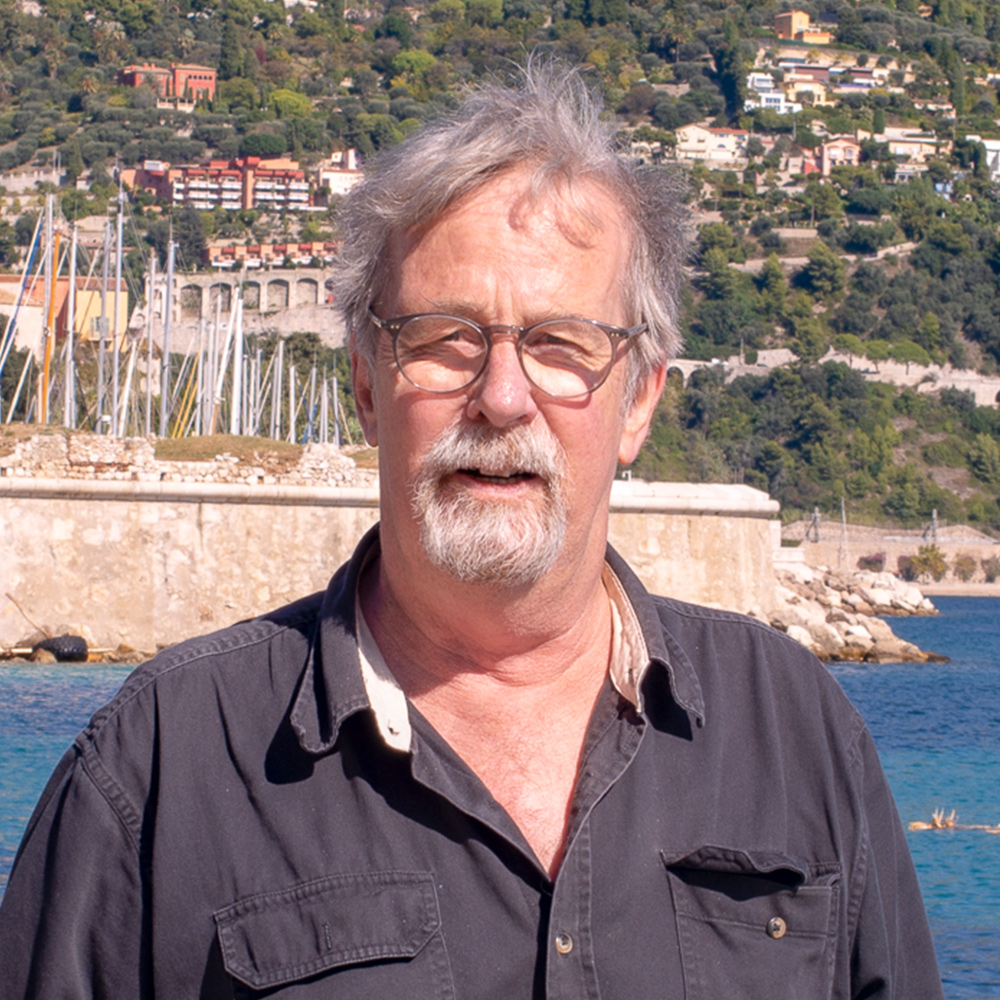
CONTACT : John Dolan

Laboratoire d'Océanographie de Villefranche, LOV
Institut de la Mer de Villefranche, IMEV
181 Chemin du Lazaret
06230 Villefranche-sur-Mer (France)

Senior scientist

@ CHOC

John Dolan

Current position :

2004-present Directeur de Recherche

Status :

Emeritus

Employer :

CNRS

Team(s) :

Hosting Lab :

LOV (UMR 7093)

Keywords :

biodiversity, plankton, microzooplankton, protists, ciliates, tintinnids, radiolaria

Complementary Information

Administrative & Editorial Positions:*Lead Scientist @ LOV: Marine Microbial Ecology Group 1996-2000; 2005-2008*Lead Scientist @ LOV: Physiology, Interactions and Structure of Communities Group 2019-2020*Deputy Editor: Marine Microbial Food Webs 1991-1994*Deputy Managing and Founding Editor: Aquatic Microbial Ecology 1995-2005*Associate Editor: Journal of Plankton Research 2008-2018*Editor-in-Chief: Journal of Plankton Research 2018-present*Co-Editor: Limnology and Oceanography Bulletin 2008-2015*Taxonomic Editor: World Register of Marine Species (Tintinnia) 2010-present*Associate Editor: Journal of Eukaryotic Microbiology 2014-2018*Scientific Society President: International Society of Protistology 2016-2017

Facilities

PUBLICATIONS BY

John Dolan

105 documents 🔗 HAL Profile
  • John R Dolan. Acta Protozoologica (2026). ART
    Abstract

    The first tintinnid ciliate was discovered and described in 1776, using just five words. Although now 250 years old, the study of tintinnids is still a very active field. According to Google Scholar, in the last 10 years, 151 works have appeared with the term “tintinnid” in the title. Early works mostly concerned species descriptions. In contrast, the recent studies have focused on a wide variety of topics: ecology, phylogeny, physiology, behavior, and biogeography. Here the beginnings of the long and rich history of tintinnid studies are traced through the stories of early workers in the period from the first descriptions, up to and including the appearance in 1929 of Kofoid and Campbell’s landmark treatise and its revision in 1939. Many are unaware of the fact that early protistologists who worked on tintinnids were prestigious biologists of their time, now known as important contributors not only to our knowledge of tintinnids, but also other groups of protists. There were ardent defenders of Darwin among the early workers. There were also often interesting interconnections between the early workers, while some began studying tintinnids almost by accident. A companion paper will shine a light on modern workers of tintinnid studies.

  • John R Dolan. Limnology and Oceanography Bulletin (2026). ART
  • John R Dolan. Arts et sciences (2025). ART
    Abstract

    Baartman was a woman of the indigenous Khoisan people of South Africa. In 1810, when working as a housemaid in Cape Town, she was coaxed to travel to England to be shown as a savage African, the "Hottentot Venus". She was exhibited as an ethno-erotic freak in Britain and Paris. After her death in late 1815, her body was dissected and George Cuvier published lurid details of her anatomy in an 1817 report. Her remains were kept, and periodically displayed, in the Museum of Natural History (Paris) until finally being repatriated to South Africa in 2002. The tragic story of Baartman's exploitation has been the subject of many books, films, and articles. Here the focus is on two relatively poorly documented aspects of her exploitation by both artists and scientists. First shown is the artistic exploitation through an exhibition of the depictions of her by the artists of satirical prints, a very popular medium in Baartman's time. The depictions of her, always in profile with greatly exaggerated buttocks, became in satirical prints, a generic portrayal of African women. In line with the orthodox racism of the early 1800's, the depictions emphasized the differences between Europeans and African peoples, the "otherness" of Africans. Secondly, in an exhibition tracing the use of images and characteristics of her, especially (but not only) her skull and brain, the scientific exploitation of Baartman will be shown. The features of her morphology were used to support the divisive view of the inferiority of African peoples. This began with an 1816 report on her visit to the Professors of the Natural History Museum and Cuvier's 1817 report on the dissection of her corpse, and continued on well into 1970's.

  • John R Dolan. The Linnean (2025). ART
  • John R Dolan. Protist (2025). ART
    Abstract

    Meunier's 1910 "Microplankton des Mers de Barents et de Kara" was the first monographic treatment of protists of the arctic plankton, and it contained many descriptions of new species of a variety of taxa. Among the most conspicuous was the ciliate Didinium Garantua, named with a capital G, corresponding with the title character, the gluttonous giant, of Rabelais' 1534 novel, Gargantua, a classic of French literature. Meunier described D. gargantua at length in the text as a large voracious predator, and devoted many figures to it. As of today, it has been reported from a surprising diversity of marine and estuarine ecosystems, for example, from Antarctic sea-ice, to the Gulf of Mexico, the Chesapeake Bay, and the Caspian Sea. However, most reports concern specimens of sizes considerably smaller than most of those depicted by Meunier, and cite no taxonomic authorities for ciliate identifications, suggesting that many researchers may be unfamiliar Meunier's 1910 monograph, thus with the 'gargantuan' nature of his D. gargantua. Here, a brief biography of Meunier is given first, followed by a description of his 1910 monograph, and then a summary of his text, and some of his remarkable figures of D. gargantua are presented. Finally, subsequent reports of the occurrence of D. gargantua are reviewed, and it is suggested that many concern a species distinct from D. gargantua, as there are large differences in size and shapes compared to Meunier's species.

  • John R Dolan. Acta Protozoologica (2025). ART
    Abstract

    Per Theodor Cleve is known as a 19th century chemist, credited with discovery of two rare-earth elements. However, throughout his distinguished career as a chemist, he was also a protistologist. From 1863 to 1905, Cleve published prodigiously on protists, authoring over 70 works totaling about 2,500 pages, and he described numerous taxa, especially from the marine plankton. Notably, many of Cleve's works are still cited today. His work concerning the utility of certain protist species in characterizing water masses has been recognized in histories of Oceanography. However, Cleve is not a familiar name to many of us, as he has been consistently overlooked in histories of protistology. Here, first Cleve's life is summarized, and then his contributions to protistology, and oceanography, are reviewed to show his significant, and neglected, contributions to the fields.

  • John R Dolan. ICES Journal of Marine Science (2025). ART
    Abstract

    Einer Steemann Nielsen's 1952 methods paper describing the use of C 14 to measure photosynthesis in the journal now known as the ICES Journal of Marine Research was a landmark publication. It is still regularly cited today. Here, in a brief account, the story of Einer Steemann Nielsen (1907-1989), and his major publication is given, along with evidence of its enduring value.

  • John R Dolan. Journal of Plankton Research (2024). ART
  • John R Dolan, Christophe Migon, Markus G Weinbauer. Arts et sciences (2024). ART
    Abstract

    Here are presented two letters by a young Ernst Haeckel, who became a major figure of biology, as well as recognized as a scientific artist, in the late 19th century. The letters, previously available only in German, are given here with his illustrations, in English. They were written when he was a medical student, addressed to his parents, describing his travels and impressions during one of his first voyages abroad. They show Haeckel with a character distinct from his latter years, somewhat insecure, eager to share his experiences with his parents. Haeckel's talent as a storyteller and travel writer were evident early on. During his stay in Nice he saw, for the first time, living specimens of organisms that would later be the subjects of iconic illustrations. In a companion article (Migon et al. 2024), the letters are presented and discussed in French.

  • John R Dolan. Arts et sciences (2024). ART
    Abstract

    The Institut de la Mer de Villefranche is located near deep Mediterranean waters, and so is well-placed for investigations of the fauna of the deep sea. Shown here are some rare images of living microscopic organisms that populate the deep sea. Each shows a beautiful and complex morphology, and some images show unexpected features.

  • John R Dolan, Eun Jin Yang, Jong-Kuk Moon. Acta Protozoologica (2024). ART
    Abstract

    We recently documented the existence of 26 different forms of Papulifères, presumptive ciliate cysts, from plankton net tow material of the Chukchi Sea gathered in 2015, 2021, and 2022. The forms appeared to be rare, found in only 7 of the 308 samples taken in annual August surveys from 2010 to 2022. Thus, we were surprised to find them relatively common and widespread in samples gathered in August of 2023. We found 18 different Papulifére forms, 8 of which appear to be new forms, in samples from 19 of the 36 stations sampled. They were found in localities ranging from 70.5°N to 80°N. Here we report on these Papulifére forms found in 2023, providing information on morphologies and geographical distributions. With this report we have expanded the catalogue of observed Papulifére, and photographed, forms of the Chukchi Sea to a grand total of 34 of morphologically distinct forms. However, we continue to urge caution in assigning a ciliate identity to any given Papulifére form in the absence of corroborating data.

  • John R Dolan. Journal of Plankton Research (2024). ART
  • John R Dolan. Arts et sciences (2024). ART
    Abstract

    Hermann Fol was a very accomplished Swiss naturalist of the late 19th century, but today is largely forgotten. He was a student of the notable biologists Édouard Claparède and Ernst Haeckel, and like them, specialized in the study of marine organisms. Fol is known only among embryologists for his description of fertilization in echinoderms. In reality, his work ranged well beyond such studies to encompass diverse taxa of the marine plankton, illustrated with remarkable scientific artwork, and included designing various scientific devices. Fol worked on human embryology, light penetration in seawater, methods of reducing microbial contamination of drinking water, and development of a rabies vaccine. His career was marked by a long series of disputes with contemporary naturalists and was relatively short, ending at age 47 with a mysterious disappearance. Here I provide a review of his contentious life, his scientific work, his scientific art, his scientific inventions, and his role in establishing Villefranche-sur-Mer as a center of marine science. The life and work of Hermann Fol is shown to be an example of the very wide-ranging activities of 19th century naturalists, and the apparent dangers of an over-sized ego.

  • John R Dolan. Protist (2024). ART
    Abstract

    Haeckel's 'art book', Kunstformen der Natur, is likely familiar to most protistologists as it is probably Haeckel's best known work, and it prominently featured protists. No doubt many of us have used some of the images from it in our lectures. Most familiar are perhaps the often-reproduced images of nassularian radiolaria, but plates were also devoted to phaeodarians, acantharia, foraminifera, ciliates, diatoms, dinoflagellates and desmids. Despite the fame of Kunstformen der Natur, there are aspects of the work that have received little attention, and are of potential interest to protistologists. These include the overall importance of protists in the work, compared to other taxa, the surprisingly under appreciated role of Haeckel's collaborator, Adolph Giltsch in creating the figures, the disputed fidelity of the illustrations of protists, and Haeckel's discrete inclusion of many descriptions of new species of protists, forcing us to consider Kunstformen a scientific publication. Here these aspects, and the 20 plates featuring protists will be reviewed. The goal of this review is to familiarize protistologists with the most famous work featuring protists, and point out the many particular figures of protists we may wish to avoid showcasing, as the illustrations are questionable. A supplemental file is provided listing the currently accepted names of the protist taxa (for names found in a database), and the reasons for considering some illustrations as questionable.

  • John R Dolan. Protist (2024). ART
  • Lombard Fabien, Guidi Lionel, Manoela Brandão, Coelho Luis Pedro, Colin Sébastien, Dolan John Richard, Elineau Amanda, Josep Gasol, Grondin Pierre Luc, Henry Nicolas, Federico Ibarbalz, Jalabert Laëtitia, Loreau Michel, Martini Séverinne, Mériguet Zoé, Picheral Marc, Juan José Pierella Karlusich, Rainer Pepperkok, Jean-Baptiste Romagnan, Zinger Lucie, Stemmann Lars, Silvia Acinas, Karp-Boss Lee, Boss Emmanuel, Matthew Sullivan, Colomban de Vargas, Bowler Chris, Karsenti Eric, Gorsky Gabriel. UNDEFINED
    Abstract

    Summary paragraph Plankton are essential in marine ecosystems. However, our knowledge of overall community structure is sparse due to inconsistent sampling across their very large organismal size range. Here we use diverse imaging methods to establish complete plankton inventories of organisms spanning five orders of magnitude in size. Plankton community size and trophic structure variation validate a long-held theoretical link between organism size-spectra and ecosystem trophic structures. We found that predator/grazer biomass and biovolume unexpectedly exceed that of primary producers at most (55%) locations, likely due to our better quantification of gelatinous organisms. Bottom- heavy ecosystems (the norm on land) appear to be rare in the ocean. Collectively, gelatinous organisms represent 30% of the total biovolume (8-9% of carbon) of marine plankton communities from tropical to polar ecosystems. Communities can be split into three extreme typologies: diatom/copepod-dominated in eutrophic blooms, rhizarian/chaetognath-dominated in oligotrophic tropical oceans, and gelatinous-dominated elsewhere. While plankton taxonomic composition changes with latitude, functional and trophic structures mostly depend on the amount of prey available for each trophic level. Given future projections of oligotrophication of marine ecosystems, our findings suggest that rhizarian and gelatinous organisms will increasingly dominate the apex position of planktonic ecosystems, leading to significant changes in the ocean’s carbon cycle.

  • Vincent Doumeizel, John R Dolan. Journal of Plankton Research (2024). ART
  • John R Dolan. 150 ans de recherches marines et littorales, en Manche et ailleurs (2024). COMM
    Abstract

    Hermann Fol was a very accomplished Swiss naturalist of the late 19th century, but today is largely forgotten. He was a student of the notable biologists Edouard Claparéde and Ernst Haeckel, and like them, specialized in the study of marine organisms. Fol is known only among embryologists for his description of fertilization in echinoderms. In reality, his work ranged well beyond such studies to encompass diverse taxa of the marine plankton, illustrated with remarkable scientific artwork, and included designing various scientific devices. Fol worked on human embryology, light penetration in seawater, methods of reducing microbial contamination of drinking water, and development of a rabies vaccine. His career was marked by a long series of disputes with contemporary naturalists (including Alfred Giard) and was relatively short, ending at age 47 with a mysterious disappearance. I provide a review of his contentious life, his scientific work, his scientific art, his scientific inventions, and his role in establishing Villefranche-sur-Mer as a center of marine science.The life and work of Hermann Fol is shown to be an example of the very wide ranging activities of 19th century naturalists, and the apparent dangers of an over-sized ego.

  • John Dolan. Journal of Plankton Research (2022). ART
  • John Dolan. Journal of Plankton Research (2022). ART
    Abstract

    Sheina Marshall (Fig. 1) is known to senior workers in the field as an important figure in plankton research. In the 1960's, the names of Sheina Marshall, and her long-time collaborator Andrew Orr, were said to be familiar to every worker in marine biology and fisheries (Yonge 1962) and that "Anyone attempting to study the biology of the marine plankton would not get far into the literature before becoming aware of the notable contributions made to this field by Sheina Marshall and the late A.P. Orr" (Dorsett 1966). Bruce Frost named a species of copepod for her, Calanus marshallae (Frost 1974). Recently, Gustav Paffenhöfer described Marshall as the "Queen of Copepods" (Paffenhöffer 2018). However, to the younger generation of plankton researchers, the work of Sheina Marshall may not be well known. This editorial aims to introduce her to them, and her substantial and varied contributions to plankton research. Marshall's work on plankton was mainly concentrated on copepods, thus explaining her being attributed the title "Queen of Copepods". However as will be shown here, Marshall early on did important work on a variety of other planktonic taxa such as diatoms, dinoflagellates, ciliates and larval fish. She also worked on the effects of artificial fertilization on plankton. A brief sketch of her life and career will be given and some of her 'notable contributions' to our field will be highlighted. The account here relies heavily on the biographical memoir by Frederick Russell, which includes a complete bibliography of Marshall's publications (Russell 1978), and on the short review of Sheina Marshall's life given in Coliss (2008).

  • John Dolan. Journal of Plankton Research (2022). ART
  • John Dolan. Journal of Plankton Research (2022). ART
    Abstract

    Enrique Balech is well known as a dinoflagellate taxonomist to those of us who work on phytoplankton. A simple Google Scholar search reveals that his name appears in 695 articles in the Journal of Phycology, and in 354 Harmful Algae articles. But as pointed out in his obituary published in Harmful Algae (Akelsman et al. 2008), Balech was actually much more than dinoflagellate taxonomist. He was a pioneer of plankton research in South America. While he was not the first in South American to publish on plankton (e.g., Faria and Cunha, 1917), Balech appears to have been the first career planktologist. In 1938, at age 26, he published his first paper on euglenoid flagellates of the freshwater plankton (Balech and Dastugue, 1938). His last paper appeared nearly 7 decades later, in 2008, a year after his death, on the biogeography of Argentinian Seas (Balech and Ehrlich, 2008). Balech actually worked then on a wide variety of topics and over a very considerable span of time. His studies, although frequently focused on Argentine waters, concerned systems ranging from the Antarctic, the Caribbean Sea, the Mediterranean Sea, to the North Pacific. Balech published abundantly, authoring at least 125 works, totaling nearly 4000 pages. He wrote mostly in his native Spanish. However he also published in French, in English, and even in Esperanto! Balech was also talented with a pencil, evidenced by not only his illustrations of microplankton, but also his cartoons, as shown in his auto-caricature in Fig. 1. Apparently he was also a playful man. According to Andrés Boltovskoy, the story behind the auto-caricature is that Balech, on a cruise, every night posted a caricature of a crewmember in the mess area. When suspicions among the crew grew that Balech was the artist, he posted a picture of himself to deflect attention. Here, an attempt is made to introduce Enrique Balech, both his life and his work, to the plankton researchers of today. First, an account of the interesting life and career path of Enrique Balech is given. Then, a brief summary of Balech's contributions to plankton research is provided.

  • John R Dolan. Protist (2022). ART
    Abstract

    Louis Joblot published one of the first manuals of microscopy in 1718, just a few years before both he and Leeuwenhoek died. It contained Joblot's microscope designs and his extensive observations on microorganisms including experiments on spontaneous generation. Joblot's work and his observations have often been overlooked, misdated, and denigrated. This is due to attention given to a few apparently fanciful drawings of microorganisms, and the identification of his work as appearing in a posthumous 1754 edition. The second edition not only placed Joblot's work as decades after Leeuwenhoek's death, but was also expanded by the publisher to include unattributed material from famous sources. Here an attempt is made to shine a light on Joblot's work and bring it out of Leeuwenhoek's shadow.

  • John Dolan. Protist (2020). ART
    Abstract

    Since the advent of deep-sea microbiology in the 1950's, microbiologists have justifiably recognized Adrien Certes as a pioneer due to his early studies on culturing deep-sea bacteria, and investigating the effects of pressure on microorganisms. However, Certes was actually first and foremost a protistologist. He was but a 'part-time' scientist, without advanced training in biology, and only began publishing in middle age. His 'day job' was a high-level civil servant, an Inspecteur des Finances. Nonetheless, he authored over 50 works on a remarkably wide range of free-living and commensal protists as well as microscopical methods. He interacted with major figures of biology in France of his time such as the protistologist Édouard-Gérard Balbiani, the microbiologist Louis Pasteur, and the zoologist Alphonse Milne Edwards, although exactly how his connections were forged unfortunately remains obscure. Certes, acknowledged by marine microbiologists, is largely overlooked in accounts of protistology, perhaps because his work was dispersed over a variety of topics and taxa. Also, as a part-time researcher, he left no academic children behind. Here the life and scientific work of Certes are reviewed and it is shown that he was a devoted protistologist.

  • John Dolan. Limnology and Oceanography Bulletin (2020). ART
    Abstract

    The campaigns of the Travailleur and the Talisman (1880-1883) were the first French expeditions to explore the deep-sea. In early 1884, the campaign participants mounted a temporary exhibition in the Paris Natural History Museum displaying specimens collected and the equipment used. The exhibition included not only fantastic creatures but also 'hands-on' items, such as water samplers and sounders that could be touched, and microscopes to examine sediment samples. It was an enormous success with the public. The success was probably partly due to the fact the main organizer, Alphonse Milne Edwards, was somewhat of a media figure of the time. Complaints that the exhibition space was too small for all the objects exhibited and the crowds attracted were explained by a claim that it was conceived to show expedition results to funding agencies and the scientific community; the crowds were unexpected. However, a review of the press coverage suggests that the organizers used the media very skillfully to promote it. Here the Exposition of the Travailleur and Talisman is presented as described through the press coverage to underline lessons for outreach today from this effort 136 years ago.

  • John Dolan. Colligo : Histoire(s) des collections (2020). ART
    Abstract

    Louis Bosc (1759-1828) was a naturalist, one of the very first "Linneans" of France, and among the founders of the first Linnean Society, the Société Linnéenne de Paris. The early part of his career as a naturalist coincided with the Revolutionary Period in France (1789-1799). During that chaotic period, he published over 30 articles with many species descriptions, 18 of which are currently recognized as valid. Here his complicated life, professional and personal, during the chaotic period of the French Revolution is described.

  • John R. Dolan, Sophie Marro. Limnology and Oceanography: Methods (2020). ART
    Abstract

    Most tintinnid species have a shortest linear dimension < 50 μm. Hence, a priori, nets of mesh sizes ≥ 50 μm will likely under‐sample most tintinnid species. However, studies often appear (23 since 2015) using sampling with nets of meshes sizes ≥ 50 μm, reporting both tintinnid concentrations, and community composition. How biased are results from using coarse mesh nets? We provide a comparison of whole water vs. net sampling based on fortuitous, that is, unplanned, parallel sampling. Pairs of samples from a standard monitoring station in the Bay of Villefranche (N.W. Mediterranean Sea) taken on 44 dates from 2013 to 2018 were compared. Tintinnids were enumerated in settled material from a water column sample, an integration of six discrete depth samples between 5 and 70 m, prepared for analysis of phytoplankton composition and in material from a plankton net (52 μm mesh) tow from 70 to 0 m, taken the same day. Despite the large confidence limits due to low raw cell counts from whole water samples, cell concentration estimates were about an order of magnitude higher than those from plankton net samples and frequently biomass estimates as well. Community composition also differed. The most common species in whole water samples were small (diameter ≤ 20 μm), and some common forms were absent, or nearly, from the net samples. We show that, while valuable for collecting larger and rarer species, coarse net samples do not yield robust estimations of overall concentrations, nor allow identification of the dominant tintinnid species.

  • Andrew Gooday, Alexandra Schoenle, John R. Dolan, Hartmut Arndt. European Journal of Protistology (2020). ART
    Abstract

    The dark ocean and the underlying deep seafloor together represent the largest environment on this planet, comprising about 80% of the oceanic volume and covering more than two- thirds of the Earth’s surface, as well as hosting a major part of the total biosphere. Emerging evidence suggests that these vast pelagic and benthic habitats play a major role in ocean biogeochemistry and represent an ”untapped reservoir“ of high genetic and metabolic microbial diversity. Due to its huge volume, the water column of the dark ocean is the largest reservoir of organic carbon in the biosphere and likely plays a major role in the global carbon budget. The dark ocean and the seafloor beneath it are also home to a largely enigmatic food web comprising little-known and sometimes spectacular organisms, mainly prokaryotes and protists. This review considers the globally important role of pelagic and benthic protists across all protistan size classes in the deep-sea realm, with a focus on their taxonomy, diversity, and physiological properties, including their role in deep microbial food webs. We argue that, given the important contribution that protists must make to deep-sea biodiversity and ecosystem processes, they should not be overlooked in biological studies of the deep ocean.

  • John Dolan. Limnology and Oceanography Bulletin (2020). ART
    Abstract

    The first serial publication devoted to marine science appears to be a French title, published from 1867 to 1887, “Les Fonds de la Mer” (The Bottom of the Sea). It was an unusual publication, published irregularly in issues of 16 pages with plates. Very few copies exist in libraries and apparently no library holds an original complete set of the text and plates. The serial contains an early example of citizen science, reporting on the composition of sediment samples collected from around the globe by ship captains and other individuals. It provides intriguing insights into the development of marine science discipline as well as competitive aspirations of different nations in the second half of the 19th century. Many new species, largely molluscs and crustaceans, were described. Most of the species described as new were later found to be synonyms of previously described species, but today 146 of the species descriptions are recognized as valid original descriptions. Combining reports on the chemical and physical composition of sediments and benthic fauna, the first marine serial can be characterized as multidisciplinary. Les Fonds de la Mer is still being cited today.

  • John R. Dolan. Arts et sciences (2020). ART
    Abstract

    Ernst Haeckel, the German naturalist, in 1868 depicted amoeboid microorganisms as primordial life forms. He claimed they were without nuclei or cell membranes but capable of feeding and reproducing. He called such organisms Moners. His remarkable illustrations of the presumably primordial life forms were very widely reproduced in both the scientific and popular press. By 1915 the primitive nature of the organisms and even their existence were in disrepute as no such organisms were found by anyone else. Today, they are largely forgotten. Here the remarkable variety of images of Haeckel’s primordial Protomyxa, published from 1868 to 1913, are presented. Examination of Haeckel’s original illustrations and the subsequent adaptations by others, provide insights into what was, and might still be, thought to be primitive. In the adaptations, the primordial life forms were most commonly shown with the remains of prey inside them and capturing a prey organism. The portrayals of primitive microorganisms as predatory and aggressive, mirrors portrayals of dinosaurs and primitive humans.

  • John Dolan. Oceanography (2020). ART
    Abstract

    This article describes the earliest French oceanographic expeditions dedicated to investigating the deep sea. Though these expeditions, conducted from 1880 to 1883, were quite successful in terms of both science and what today we call “outreach,” they are often overlooked in histories of oceanography or mentioned only in passing. They produced a substantial literature of over 100 scientific publications. Participants’ descriptions of 176 new species are still considered valid today. Among the remarkable scientific discoveries were culturable and pressure-tolerant bacteria in deep-sea sediment samples, which led to the origin of deep-sea microbiology, and iconic deep-sea fish such as the gulper eel. Specimens, instruments, and equipment from these expeditions were on display for the general public at an exhibition at the National Museum of Natural History in Paris in early 1884. Between 1885 and 1891, expedition scientists authored three mass-market books on deep-sea life and the expeditions. Following a summary of the expeditions and their results, some speculation is provided as to why such an auspicious nineteenth century beginning of oceanography in France did not lead to a sustained interest in oceanography. A supplementary file contains a bibliography of expedition publications and a list of the species described from expedition collections.

  • John R Dolan, Virginie Raybaud. COUV
  • John Dolan. Arts et sciences (2020). ART
    Abstract

    Our vision of deep-sea life changed dramatically with the results of scientific explorations and study of the deep that began in the 1860's. Mythical monsters, epitomized by Jules Verne's giant octopus, gave way to mysterious landscapes inhabited by odd creatures actually dredged up from the deep. While we now know of the diversity and unusual life cycles of deep-sea creatures, visions of the deep as a world of monstrous creatures persists today in the popular press. Introduction Here are shown, in five 'chapters', changes in the depictions of deep-sea life in popular books and magazines. The time period covered is from the era of Jules Verne (1860's) to that of William Beebe (1930's) and to recent years. The major focus is on the period of the 1860's to the 1930's as it corresponds, firstly with early scientific exploration of the deep-sea, and secondly, growth in our knowledge of natural history of organisms in the deep-sea. Traditionally images such as those illustrating "20,000 Leagues under Sea" (and before) were of mythical monsters in the deep sea. With the first scientific explorations of the deep sea, from the 1860's-1920's, the existence of odd creatures became known. The deep-sea was then depicted as an eerie land of monstrous forms but about which little was known. Finally with the first systematic studies, including in situ observations by William Beebe, some of the natural history of deep-sea organisms became known. Organisms were then shown with their predator-prey relationships and depictions of life-cycle stages of deep-sea animals appeared. From the eras of Jules Verne to that of William Beebe, the imaginary monsters of the deep were gradually replaced by actual animals but of many with frightening shapes and unimaginable life cycles. Nonetheless, ferocious-looking and monstrous forms of the deep-sea still remain popular in contemporary works.

  • John Dolan. Arts et sciences (2020). ART
    Abstract

    Here the nearly forgotten contributions of Charles-Alexandre Lesueur (1778-1846) to natural history during his stay in Philadelphia are reviewed. He was a self-taught artist and naturalist whose first occupation was that of an illustrator working for Nicolas Baudin, the commander of a Napoleonic expedition to explore the Austral regions in the early 1800’s. Through his work with the naturalist François Péron, both during and after the expedition, he became a reputed naturalist in his own right. Following the demise of Péron, Lesueur traveled to America in 1815 as an assistant for William MacLure, a geological explorer and philanthropist. Although his contract was for but two years, Lesueur resided in North America from 1816 to 1837. He first lived in Philadelphia, from 1816 to 1825, and there he made his critical contributions to the establishment of the one of the first and major societies of natural history in America and its journal, the Journal of the Academy of Natural Sciences of Philadelphia. During this time, Lesueur published on a wide variety of taxa, created important contacts for the Academy of Natural Sciences of Philadelphia with renowned French naturalists, provided illustrations for other naturalists, and even aided in the printing of the journal. Although Lesueur is recognized as one of the key figures of science in 19th century America, his American scientific work is actually little known. This illustrated essay is an effort to shine a light on his neglected natural history work and his striking scientific illustrations from his time in Philadelphia.

  • Markus G Weinbauer, S Suominen, J Jezbera, Marie-Emmanuelle Kerros, Sophie Marro, John Dolan, K Simek. Aquatic Microbial Ecology (2019). ART
    Abstract

    The effect of flagellate grazing on bacterioplankton community composition, e.g. cell size and diversity, has been well studied in fresh waters, but much less is known for marine systems. We conducted experiments with communities from an oligotrophic bay in the NW Mediterranean Sea; size fractionation was used to alter grazing by flagellates, and incubation in dialysis bags was used to retain otherwise <i>in situ</i> conditions. Grazing reduced bacterial abundance and growth. In contrast to a current model of the effects of grazing, cell size distribution was unimodal and not bimodal. Significant shifts towards larger cell size classes were observed. This is in accordance with the idea that increasing the cell length is a bacterial strategy to reduce susceptibility to grazing by small flagellates. Only weak evidence was found for the complementary strategy of reducing cell size. In all experiments, bacterial community structure as assessed by PCR-based 16S rRNA gene denaturing gradient gel electrophoresis (DGGE) showed significant differences associated with the presence of grazers. Sequence analyses of DGGE bands were used to select probes for catalyzed reporter deposition-fluorescence <i>in situ</i> hybridization analysis for specific taxa. In our experiments, <i>Polaribacter</i> showed patterns of defense against grazing, while <i>Roseobacter</i> was highly susceptible to grazing. Although the effect of grazing may be stronger in freshwater than in oligotrophic marine systems, our data support the hypotheses that (1) increasing the cell size is a bacterial defense strategy against grazing by small flagellates typical in marine systems and (2) grazing influences bacterial community composition.

  • John Dolan, Maria Ciobanu, Laurent Coppola. Journal of Eukaryotic Microbiology (2019). ART
    Abstract

    The deep sea has long been a mysterious and attractive habitat for protistologists. However logistical difficulties severely limit sampling opportunities. Consequently, our knowledge of the protists in the deep sea, (arguably the largest habitat on earth), is relatively sparse. Here we present a unique time-series concerning 3 different protist taxa that share only the characteristics of being relatively large, robust to sampling, and easily identifiable to species level using light microscopy: tintinnid ciliates, phaeogromid cercozoans (e.g. Challengerids) and amphisolenid dinoflagellates. We sampled a near-shore deep water site in the N.W. Mediterranean Sea at 250 m depth over a two-year period at approximately weekly intervals from January 2017 to December 2018. To our knowledge, no previous studies have employed sampling on a similar time scale. We found taxa that appear to be restricted to deep waters, distinct seasonal patterns of abundance in some taxa, and in others non-seasonal successional patterns. Based on data from sampling following a flash flood event, the Challengerid population appeared to respond positively to a pulse of terrigenous input. Some of the distinct mesopelagic tintinnid ciliates and amphisolinid dinoflagellates were also found in 2 samples from the North Atlantic mesopelagic gathered from near the Azores Islands in September 2018. We conclude that there are a variety of protist taxa endemic to the mesopelagic, that the populations are dynamic, and they may be widely distributed in the deep waters of the world ocean.

  • Gabriel Gorsky, Guillaume Bourdin, Fabien Lombard, Maria Luiza Pedrotti, Samuel Audrain, Nicolas Bin, Emmanuel Boss, Chris Bowler, Nicolas Cassar, Loic Caudan, Geneviève Chabot, Natalie Cohen, Daniel Cron, Colomban de Vargas, John R Dolan, Éric Douville, Amanda Elineau, J. Michel Flores, Jean-François Ghiglione, Nils Haentjens, Martin Hertau, Seth G. John, Rachel L. Kelly, Ilan Koren, Yajuan Lin, Dominique Marie, Clémentine Moulin, Yohann Moucherie, Stéphane Pesant, Marc Picheral, Julie Poulain, Mireille Pujo-Pay, Gilles Reverdin, Sarah Romac, Matthew B. Sullivan, Miri Trainic, Marc Tressol, Romain Troublé, Assaf Vardi, Christian R. Voolstra, Patrick Wincker, Sylvain Agostini, Bernard Banaigs, Emilie Boissin, Didier Forcioli, Paola Furla, Pierre Galand, Eric Gilson, Stéphanie Reynaud, Shinichi Sunagawa, Olivier P. Thomas, Rebecca Vega Thurber, Didier Zoccola, Serge Planes, Denis Allemand, Eric Karsenti. Frontiers in Marine Science (2019). ART
    Abstract

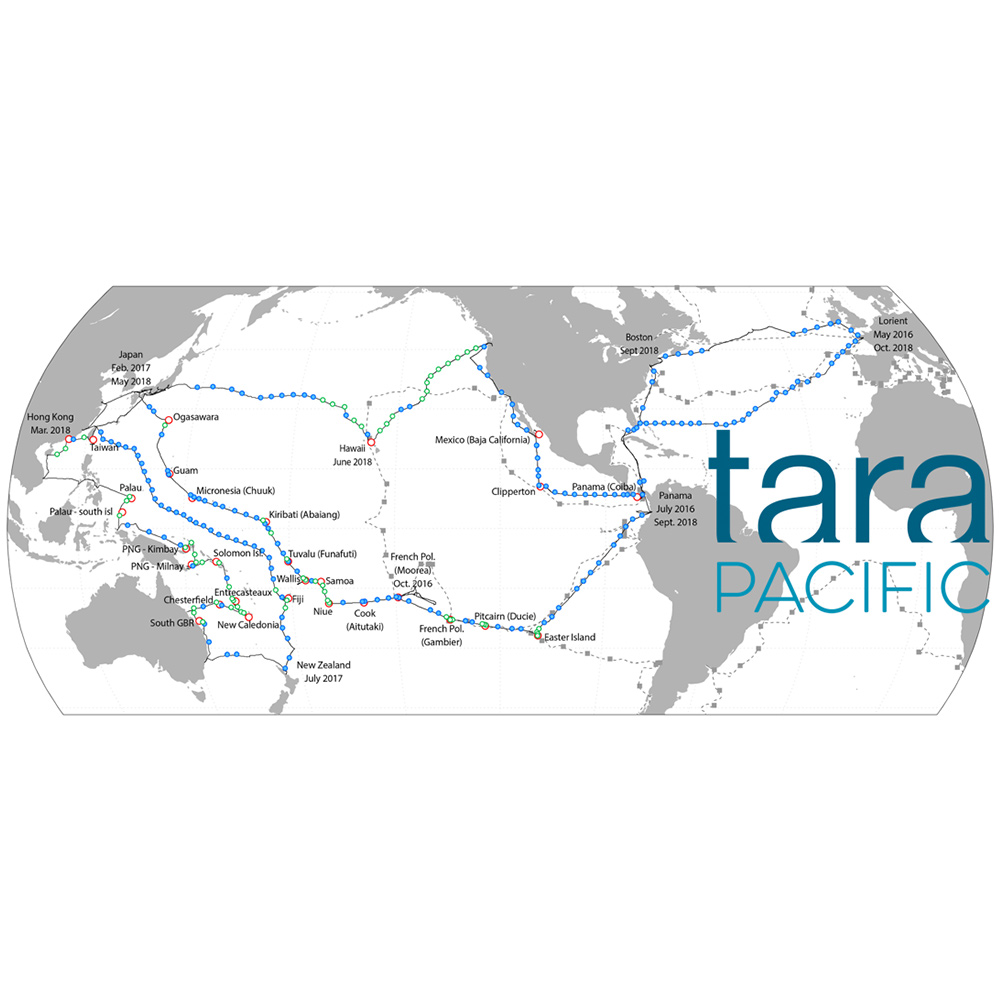
    Interactions between the ocean and the atmosphere occur at the air-sea interface through the transfer of momentum, heat, gases and particulate matter, and through the impact of the upper-ocean biology on the composition and radiative properties of this boundary layer. The Tara Pacific expedition, launched in May 2016 aboard the schooner Tara, was a 29-month exploration with the dual goals to study the ecology of reef ecosystems along ecological gradients in the Pacific Ocean and to assess inter-island and open ocean surface plankton and neuston community structures. In addition, key atmospheric properties were measured to study links between the two boundary layer properties. A major challenge for the open ocean sampling was the lack of ship-time available for work at "stations". The time constraint led us to develop new underway sampling approaches to optimize physical, chemical, optical, and genomic methods to capture the entire community structure of the surface layers, from viruses to metazoans in their oceanographic and atmospheric physicochemical context. An international scientific consortium was put together to analyze the samples, generate data, and develop datasets in coherence with the existing Tara Oceans database. Beyond adapting the extensive Tara Oceans sampling protocols for high-resolution underway sampling, the key novelties compared to Tara Oceans' global assessment of plankton include the measurement of (i) surface plankton and neuston biogeography and functional diversity; (ii) bioactive trace metals distribution at the ocean surface and metal-dependent ecosystem structures; (iii) marine aerosols, including biological entities; (iv) geography, nature and colonization of microplastic; and (v) high-resolution underway assessment of net community production via equilibrator inlet mass spectrometry. We are committed to share the data collected during this expedition, making it an important resource important resource to address a variety of scientific questions.

  • Serge Planes, Denis Allemand, Sylvain Agostini, Bernard Banaigs, Emilie Boissin, Emmanuel Boss, Guillaume Bourdin, Chris Bowler, Éric Douville, J. Michel Flores, Didier Forcioli, Paola Furla, Pierre Galand, Jean-François Ghiglione, Eric Gilson, Fabien Lombard, Clémentine Moulin, Stéphane Pesant, Julie Poulain, Stéphanie Reynaud, Sarah Romac, Matthew B. Sullivan, Shinichi Sunagawa, Olivier P. Thomas, Romain Troublé, Colomban de Vargas, Rebecca Vega-Thunber, Christian R. Voolstra, Patrick Wincker, Didier Zoccola, E. Armstrong, Samuel Audrain, Jean-Marc Aury, Valérie Barbe, Caroline Belser, E. Beraud, E. Bonnival, E. Bourgois, Quentin Carradec, Nicolas Cassar, R.N. Cohen, Pascal Conan, D.R. Cronin, Ophélie da Silva, Nadir Djerbi, John R Dolan, G. Dominguez Herta, J. Du, Jonathan Filée, R. Friedrich, Gabriel Gorsky, M. Guinther, Nils Haentjens, Nelly Henry, Martin Hertau, C. Hochart, B.B.C. Hume, Guillaume Iwankow, S. John, Lee Karp-Boss, Rachel L. Kelly, Y. Kitano, G. Klinges, Ilan Koren, Karine Labadie, J. Lancelot, N. Lang-Yona, J. Lê-Hoang, Rodolphe Lemee, Y. Lin, Dominique Marie, R. Mcmind, Maria Miguel-Gordo, Miri Trainic, D. Monmarche, Y. Mucherie, Benjamin Noel, Alexandre Ottaviani, L. Paoli, Maria Luiza Pedrotti, C. Pogoreutz, Mireille Pujo-Pay, Gilles Reverdin, T. Röthig, Eric Röttinger, A. Rouan, Hans-Joachim Ruscheweyh, G. Salazar, Assaf Vardi, A. Zahed, T. Zamoum, M. Ziegler. PLoS Biology (2019). ART
    Abstract

    Coral reefs are the most diverse habitats in the marine realm. Their productivity, structural complexity, and biodiversity critically depend on ecosystem services provided by corals that are threatened because of climate change effects—in particular, ocean warming and acidification. The coral holobiont is composed of the coral animal host, endosymbiotic dinoflagellates, associated viruses, bacteria, and other microeukaryotes. In particular, the mandatory photosymbiosis with microalgae of the family Symbiodiniaceae and its consequences on the evolution, physiology, and stress resilience of the coral holobiont have yet to be fully elucidated. The functioning of the holobiont as a whole is largely unknown, although bacteria and viruses are presumed to play roles in metabolic interactions, immunity, and stress tolerance. In the context of climate change and anthropogenic threats on coral reef ecosystems, the Tara Pacific project aims to provide a baseline of the “-omics” complexity of the coral holobiont and its ecosystem across the Pacific Ocean and for various oceanographically distinct defined areas. Inspired by the previous Tara Oceans expeditions, the Tara Pacific expedition (2016–2018) has applied a pan-ecosystemic approach on coral reefs throughout the Pacific Ocean, drawing an east–west transect from Panama to Papua New Guinea and a south–north transect from Australia to Japan, sampling corals throughout 32 island systems with local replicates. Tara Pacific has developed and applied state-of-the-art technologies in very-high-throughput genetic sequencing and molecular analysis to reveal the entire microbial and chemical diversity as well as functional traits associated with coral holobionts, together with various measures on environmental forcing. This ambitious project aims at revealing a massive amount of novel biodiversity, shedding light on the complex links between genomes, transcriptomes, metabolomes, organisms, and ecosystem functions in coral reefs and providing a reference of the biological state of modern coral reefs in the Anthropocene.

  • John Dolan. Protist (2019). ART
    Abstract

    In 1703 two articles appeared in the Transactions of the Royal Society, authored by an unnamed gentleman. The articles, with deference to Leeuwenhoeck, described recent observations made with a microscope. Clifford Dobell, in his biography of Leeuwenhoeck, remarked at length on the extraordinary quality of the illustrations and descriptions of “animalcules”. He declared the anonymous author to be the scion and master draughtsman of Leeuwenhoeck’s followers. Still today, one of the illustrations is credited with being the first unambiguous depiction of a diatom. Here I present evidence that the anonymous author was Charles King of Staffordshire and evidence of his talent. John Hill is often credited for the first naming and illustrating Paramecium and other ciliates in his 1752 book, but it has been claimed repeatedly that he copied the anonymous 1703 illustrations without attribution. Here, the illustrations from 1703 and 1752 are given, and casual examination suffices to show not only that the illustrations were copied, but also that the 1703 illustrations (and text descriptions) of Charles King are of a far higher quality than those of John Hill. Although very little is known about Charles King, he deserves recognition as a pioneer of protistology.

  • John Dolan, Maria Ciobanu, Sophie Marro, Laurent Coppola. ICES Journal of Marine Science (2019). ART
    Abstract

    Is there a mesopelagic protist fauna composed of species different from that of the overlying surface community? Does the mesopelagic community show seasonal changes in abundances and species composition? We addressed these questions by considering three distinct groups in which species identification is relatively unambiguous: tintinnid ciliates, phaeodarian radiolarians, and amphisolenid dinoflagellates. We sampled weekly at 250 m and 30 m depth from January to June a deep-water coastal site characterized by seasonal changes in water column structure; notably, in winter the mixed layer extends down into mesopelagic depths. We found a deep-water community of tintinnid ciliates comprised of forms apparently restricted to deep waters and species also found in the surface layer. This latter group was dominant during the winter mixis period when tintinnid concentrations were highest and subsequently declined with water column stratification. Phaeodarian radiolarians and the amphisolenid dinoflagellates were regularly found in deep samples but were largely absent from surface water samples and showed distinct patterns in the mesopelagic. Phaeodarian radiolarians declined with water column mixing and then increased in concentration with water column stratification whilst amphisolenid dinoflagellates concentrations showed no pattern but species composition varied. We conclude that for all three protists groups there appear to be both distinct mesopelagic forms and seasonal patterns.

  • John R Dolan. The Linnean (2019). ART
  • John Dolan. Journal of Plankton Research (2019). ART
  • John Dolan. CLASS. Revue congolaise de Communication, Lettres, Arts et Sciences sociales (2019). ART
    Abstract

    ABTRACT: Early in his long career, Ernst Haeckel (1834-1919) twice visited Villefranche-sur-Mer. First, as a student, in 1856 during a sampling trip to Nice, and again in 1864 when sent to Nice by his parents for a change of scenery following the untimely death of his first wife. The two visits appear to have been key events in the development of Haeckel's science and art as they are the beginnings of his studies, first on radiolarians, and then on medusa. During the 1856 visit he observed for the first time living radiolarians, the group of microscopic planktonic protists, the subject of his first monographic work in 1862 that brought him fame at a young age. During the 1864 visit he resided in Villefranche-sur-Mer. There, for the first time, he made detailed observations on the development and morphology of medusa. He subsequently produced monumental monographs on both radiolaria and medusa, e.g., the Challenger Reports, which remain today his major scientific contributions. Haeckel's artistic fame is largely from his Kunstformen der Natur. The book relies heavily on illustrations of both radiolarians and medusa, more so than other groups of organisms, and contains iconic images of medusa and radiolarians, suggesting a major importance in Haeckel's art for the two groups linked closely with Haeckel's visits to Villefranche-sur-Mer.Early in his long career, Ernst Haeckel (1834-1919) twice visited Villefranche-sur-Mer. First, as a student, in 1856 during a sampling trip to Nice, and again in 1864 when sent to Nice by his parents for a change of scenery following the untimely death of his first wife. The two visits appear to have been key events in the development of Haeckel's science and art as they are the beginnings of his studies, first on radiolarians, and then on medusa. During the 1856 visit he observed for the first time living radiolarians, the group of microscopic planktonic protists, the subject of his first monographic work in 1862 that brought him fame at a young age. During the 1864 visit he resided in Villefranche-sur-Mer. There, for the first time, he made detailed observations on the development and morphology of medusa. He subsequently produced monumental monographs on both radiolaria and medusa, e.g., the Challenger Reports, which remain today his major scientific contributions. Haeckel's artistic fame is largely from his Kunstformen der Natur. The book relies heavily on illustrations of both radiolarians and medusa, more so than other groups of organisms, and contains iconic images of medusa and radiolarians, suggesting a major importance in Haeckel's art for the two groups linked closely with Haeckel's visits to Villefranche-sur-Mer.

  • John R. Dolan. Protist (2019). ART
    Abstract

    In the latter half of the Victorian Age (1837–1901) microscopy was introduced as popular past-time. Many books were published aimed at general audiences, both adult and juvenile, on microscopy. Here I consider 5 of these popular books of particular interest to protistologists as they included presentations of ‘infusoria’ or ‘animalcules’. I focus on the scientific backgrounds of the authors, from what we know of them, and the approaches taken to engage the reader based on their texts and illustrations. The possible lesson to be drawn from this exercise concerns our oft-mandated efforts in “Outreach”. The methods used by 19th century popularizes of the ‘wonders of the microscopic world’ can likely be used today. They appealed to the imagination, to empowerment, and gave very practical instructions on how to see the invisible. I conclude that we should likely target the very young and describe our organisms with the enthusiasm that brought us to Protistology to begin with, but which we often conceal.

  • John R Dolan, Maria Ciobanu, Sophie Marro, Laurent Coppola. Ecological Colloquium (2018). COMM
  • John R Dolan. Annual meeting International Society of Protistologists (2018). COMM
  • John R. Dolan. European Journal of Protistology (2018). ART
    Abstract

    The marine oligotrich ciliate Strombidium sulcatum, the best known marine oligotrich of the marine microozoplankton, was first cultured in Villefranche-sur-Mer 35 years ago. Cultures were maintained from 1983 to 2003 and used in 22 studies investigating a very wide variety of questions. Here we review the major findings of these studies and underline their contributions to our knowledge of planktonic ciliate ecology and microbial ecology in general. We conclude with the observation that while ecophysiology has apparently fallen out of fashion, culture work will likely return as an invaluable resource in our present 'omics' era.

  • Flora J. Vincent, Sébastien Colin, Sarah Romac, Eleonora Scalco, Lucie Bittner, Yonara Garcia, Rubens M. Lopes, John R. Dolan, Adriana Zingone, Colomban de Vargas, Chris Bowler. The International Society of Microbiologial Ecology Journal (2018). ART
    Abstract

    Diatoms are a diverse and ecologically important group of phytoplankton. Although most species are considered free living, several are known to interact with other organisms within the plankton. Detailed imaging and molecular characterization of any such partnership is, however, limited, and an appraisal of the large-scale distribution and ecology of such consortia was never attempted. Here, observation of Tara Oceans samples from the Benguela Current led to the detection of an epibiotic association between a pennate diatom and a tintinnid ciliate. We identified the diatom as Fragilariopsis doliolus that possesses a unique feature to form barrel-shaped chains, associated with seven different genera of tintinnids including five previously undescribed associations. The organisms were commonly found together in the Atlantic and Pacific Ocean basins, and live observations of the interaction have been recorded for the first time. By combining confocal and scanning electron microscopy of individual consortia with the sequencing of high-resolution molecular markers, we analyzed their distribution in the global ocean, revealing morpho-genetically distinct tintinnid haplotypes and biogeographically structured diatom haplotypes. The diatom was among the most abundant in the global ocean. We show that the consortia were particularly prevalent in nutrient-replete conditions, rich in potential predators. These observations support the hypothesis of a mutualistic symbiosis, wherein diatoms acquire increased motility and tintinnids benefit from silicification through increased protection, and highlight that such associations may be more prevalent than currently appreciated.

  • John R. Dolan. European Journal of Protistology (2017). ART
    Abstract

    In the Bay of Villefranche, tintinnid ciliates have been studied since 1879 yielding a unique time series. The species inventory, excluding likely synonymous records, numbers 108. Temporal increases in the inventory appear linearly related to sampling effort up until the 2000ʼs with a cumulative sampling effort of about 200 dates. Subsequently, with a large increase in sampling to currently over 460 dates, the rate of increases in species numbers declines. Surprisingly, the inventory is not highly inflated by unique occurrences, as species found but once are only 17 out of the 108. However, in recent years many previously recorded taxa have not been seen. Missing from a species list derived solely from intensive sampling from 2013 to 2016 are 38 previously recorded species. Most (26 out of 38) were recorded from a single year and thus may have been temporary residents. However, 12 species were found in multiple years by different investigators suggesting relatively common occurrence in the past. The substantial effort required to adequately sample a locality and possible historical changes in species inventories suggest that claims of a species as ʻnewʼ to a locality should be made with caution & caveats.

  • John R. Dolan, Richard W. Pierce, Eun Jin Yang. Polar Biology (2017). ART
    Abstract

    We set out to examine a postulated latitudinal trend in species richness within the Arctic Ocean. We compiled species records of tintinnid ciliates in the Arctic from the literature and added our own unpublished Chukchi Sea data to produce a database (available as an Online Resource data file) consisting of 1427 records of 89 species from 414 locations above 65°N sampled from 1885 to 2015. While there was no trend of species richness throughout the Arctic, there was a significant positive relationship between species richness and the number of sites sampled in a 2° band, suggesting a sampling effect. Plotting cumulative numbers of species and cumulative number of sites sampled by year, we found a linear relationship in log cumulative numbers of species and log sites sampled, and a lack of a plateau in the species accumulation trend. Species records are highly dominated by four species, accounting for 45% of the records: Acanthostomella norvegica, Parafavella denticulata, Ptychocylis obtusa and Salpingella acuminata, all of which, except S. acuminata, have long been suspected to be morphologically variable, with different morphotypes given undue species status. Pooling all reported species of Acanthostomella, Parafavella and Ptychocylis yielded little qualitative differences but considerable quantitative differences. We found large discrepancies in geographic coverage. We conclude that many zones projected to experience large changes in sea ice coverage are under-sampled. Based on the historical trend, the list of Arctic tintinnid ciliate species will likely continue to grow with new sampling, regardless of changes in the Arctic Seas.

  • John R. Dolan, Audrey Gimenez, Veronique Cornet, Alain de Verneil. Journal of Eukaryotic Microbiology (2016). ART
    Abstract

    Transient ‘hot spots’ of phytoplankton productivity occur in the generally oligotrophic Southern Pacific Ocean and we hypothesized that the population structure of tintinnid ciliates, planktonic grazers, would differ from that of a typical oligotrophic sites. Samples were collected over a 1 week period at each of two sites between Fiji and Tahiti: one of elevated chlorophyll a concentrations and primary productivity with an abundance of N-fixing cyanobacteria Trichodesmium, and a distant oligotrophic site. Tintinnid abundance differed between the sites by a factor of 2. A single species (Favella sp.), absent from the oligotrophic site, highly dominated the ‘hot spot’ site. However, total species richness was identical (71 spp) as well as short-term temporal variability (2-4 days). At both sites species abundance distributions most closely fit a log-series or log-normal distribution and the abundance distributions of ecological types, forms of distinct lorica oral diameter, were the typical geometric. Morphological diversity was only slightly lower at the high productivity site. We found that communities of these plankton grazers in ‘hot spots’ of phytoplankton productivity in oligotrophic systems differ little from surrounding oligotrophic areas.

  • John R Dolan, Eun Jin Yang, Sung-Ho Kang, Tae Siek Rhee. The International Society of Microbiologial Ecology Journal (2016). ART
    Abstract

    The latitudinal diversity gradient is a well-known biogeographic pattern. However, rarely considered is how a cline in species richness may be reflected in the characteristics of species assemblages. Fewer species may equal fewer distinct ecological types, or declines in redundancy (species functionally similar to one another) or fewer trace species, those occurring in very low concentrations. We focused on tintinnid ciliates of the microzooplankton in which the ciliate cell is housed inside a species-specific lorica or shell. The size of lorica oral aperture, the lorica oral diameter (LOD), is correlated with a preferred prey size and maximum growth rate. Consequently, species of a distinct LOD are distinct in key ecologic characteristics, whereas those of a similar LOD are functionally similar or redundant species. We sampled from East Sea/Sea of Japan to the High Arctic Sea. We determined abundance distributions of biological species and also ecological types by grouping species in LOD size-classes, sets of ecologically similar species. In lower latitudes there are more trace species, more size-classes and the dominant species are accompanied by many apparently ecologically similar species, presumably able to replace the dominant species, at least with regard to the size of prey exploited. Such redundancy appears to decline markedly with latitude in assemblages of tintinnid ciliates. Furthermore, the relatively small species pools of the northern high latitude assemblages suggest a low capacity to adapt to changing conditions.

  • Emilie Villar, Gregory Farrant, Michael J. Follows, Laurence Garczarek, Sabrina Speich, Stéphane Audic, Lucie Bittner, Bruno Blanke, Jennifer R. Brum, Christophe Brunet, Raffaella Casotti, Alison Chase, John R Dolan, Fabrizio d'Ortenzio, Jean-Pierre Gattuso, Nicolas Grima, Lionel Guidi, Christopher N. Hill, Olivier Jahn, Jean-Louis Jamet, Hervé Le Goff, Cyrille Lepoivre, Shruti Malviya, Éric Pelletier, Jean-Baptiste Romagnan, S. Roux, Sébastien Santini, Eleonora Scalco, Sarah M. Schwenck, Pierre Testor, Atsuko Tanaka, Thomas Vannier, Flora Vincent, Adriana Zingone, Céline Dimier, Marc Picheral, Sarah Searson, Stefanie Kandels-Lewis, Silvia Acinas, Peer Bork, Emmanuel Boss, Colomban de Vargas, Gabriel Gorsky, Hiroyuki Ogata, Stéphane Pesant, Matthew Sullivan, Shinichi Sunagawa, Patrick Wincker, Eric Karsenti, Chris Bowler, Fabrice Not, P. Hingamp, Daniele Iudicone. Science (2015). ART
    Abstract

    Agulhas rings provide the principal route for ocean waters to circulate from the Indo-Pacific to the Atlantic basin. Their influence on global ocean circulation is well known, but their role in plankton transport is largely unexplored. We show that, although the coarse taxonomic structure of plankton communities is continuous across the Agulhas choke point, South Atlantic plankton diversity is altered compared with Indian Ocean source populations. Modeling and in situ sampling of a young Agulhas ring indicate that strong vertical mixing drives complex nitrogen cycling, shaping community metabolism and biogeochemical signatures as the ring and associated plankton transit westward. The peculiar local environment inside Agulhas rings may provide a selective mechanism contributing to the limited dispersal of Indian Ocean plankton populations into the Atlantic.

  • Charles Bachy, John R. Dolan, Purificación López-García, Philippe Deschamps, David Moreira. The International Society of Microbiologial Ecology Journal (2013). ART
    Abstract

    Deep-sequencing technologies are becoming nearly routine to describe microbial community composition in environmental samples. The 18S ribosomal DNA (rDNA) pyrosequencing has revealed a vast diversity of infrequent sequences, leading to the proposition of the existence of an extremely diverse microbial `rare biosphere'. Although rare microbes no doubt exist, critical views suggest that many rare sequences may actually be artifacts. However, information about how diversity revealed by molecular methods relates to that revealed by classical morphology approaches is practically nonexistent. To address this issue, we used different approaches to assess the diversity of tintinnid ciliates, a species-rich group in which species can be easily distinguished morphologically. We studied two Mediterranean marine samples with different patterns of tintinnid diversity. We estimated tintinnid diversity in these samples employing morphological observations and both classical cloning and sequencing and pyrosequencing of two different markers, the 18S rDNA and the internal transcribed spacer (ITS) regions, applying a variety of computational approaches currently used to analyze pyrosequence reads. We found that both molecular approaches were efficient in detecting the tintinnid species observed by microscopy and revealed similar phylogenetic structures of the tintinnid community at the species level. However, depending on the method used to analyze the pyrosequencing results, we observed discrepancies with the morphology-based assessments up to several orders of magnitude. In several cases, the inferred number of operational taxonomic units (OTUs) largely exceeded the total number of tintinnid cells in the samples. Such inflation of the OTU numbers corresponded to `rare biosphere' taxa, composed largely of artifacts. Our results suggest that a careful and rigorous analysis of pyrosequencing data sets, including data denoising and sequence clustering with well-adjusted parameters, is necessary to accurately describe microbial biodiversity using this molecular approach. The ISME Journal (2013) 7, 244-255; doi: 10.1038/ismej.2012.106; published online 4 October 2012

  • John R. Dolan. Protist (2013). ART
  • John R Dolan, Eun Jin Yang, Sun Young Kim, Sang Hoon Lee. ASLO 2013 Aquatic Sciences Meeting, New Orleans, LA, USA (2013). COMM
  • John R. Dolan, Michael R. Landry, Mark E. Ritchie. The International Society of Microbiologial Ecology Journal (2013). ART
    Abstract

    Many microbial taxa in the marine plankton appear super-saturated in species richness. Here, we provide a partial explanation by analyzing how species are organized, species packing, in terms of both taxonomy and morphology. We focused on a well-studied group, tintinnid ciliates of the microzooplankton, in which feeding ecology is closely linked to morphology. Populations in three distinct systems were examined: an Eastern Mediterranean Gyre, a Western Mediterranean Gyre and the California Current. We found that species abundance distributions exhibited the long-tailed, log distributions typical of most natural assemblages of microbial and other organisms. In contrast, grouping in oral size-classes, which corresponds with prey-size exploited, revealed a geometric distribution consistent with a dominant role of a single resource in structuring an assemblage. The number of species found in a particular oral size-class increases with the numerical importance of the size-class in the overall population. We suggest that high species diversity reflects the fact that accompanying each dominant species are many ecologically similar species, presumably able to replace the dominant species, at least with regard to the size of prey exploited. Such redundancy suggests that species diversity greatly exceeds ecological diversity in the plankton.

  • Sun Young Kim, Joong Ki Choi, John R. Dolan, Hyoung Chul Shin, Sanghoon Lee, Eun Jin Yang. Journal of Eukaryotic Microbiology (2013). ART
    Abstract

    We characterized six tintinnid ciliates from Antarctic waters using molecular markers and morphological traits: Amphorellopsis quinquealata, Codonellopsis gaussi, Cymatocylis convallaria, Cy. calyciformis, Cy. drygalskii, and Laackmanniella prolongata. The 100% similarity in SSU-ITS1-5.8S rDNA-ITS2-partial LSU rDNA sequences among Cy. convallaria, Cy. calyciformis, and Cy. drygalskii is supportive of synonymy. Codonellopsis gaussi and L. prolongata also showed high levels of similarity in SSU rDNA (99.83%) and the D2 domain of LSU rDNA (95.77%), suggesting that they are closely related. Phylogenetic analysis placed Cymatocylis in the Rhabdonellidae, Amphorellopsis in the Tintinnidae and L. prolongata/Co. gaussi within the Dictyocystidae.

  • John R. Dolan, Eun Jin Yang, Sang Hong Lee, Sun Yong Kim. Polar Research (2013). ART
    Abstract

    The Amundsen Sea has been described as one of the most productive and dynamic pelagic systems in Antarctica and is one of the least studied. Based on samples from 15 stations in the Amundsen Sea, we describe for the first time the composition of the tintinnid ciliate assemblage of the microzooplankton. We compared the species compositions of coastal polynya sites, where the phytoplankton communities are dominated by Phaeocystis, to those of the offshore deep water sites, which are dominated by diatoms. We found a total of 15 species. Polynya sites were dominated by a few species of tintinnids, mostly those endemic to the Southern Ocean. In contrast, the deep-water sites contained many widespread tintinnid species, which are known from a wide variety of systems as well as other areas of the Southern Ocean. We examined polymorphism known to characterize the Antarctic tintinnid species Cymatocylis affinis/convallaria and Codonellopsis gaussi. We found that the types or forms found appeared unrelated to the type of microplankton community, defined by the identity of the dominant phytoplankton taxa. However, the number of different morphotypes found at a site appeared related to the overall concentration of the species, suggesting that different morphologies, previously considered distinct species, may simply be developmental stages.

  • Charles Bachy, Fernando Gomez, Purificación López-García, John R. Dolan, David Moreira. Protist (2012). ART
    Abstract

    We investigated the phylogeny of tintinnids (Ciliophora, Tintinnida) with 62 new SSU-rDNA sequences from single cells of 32 marine and freshwater species in 20 genera, including the first SSU-rDNA sequences for Amphorides, Climacocylis, Codonaria, Cyttarocylis, Parundella, Petalotricha, Undella and Xystonella, and 23 ITS sequences of 17 species in 15 genera. SSU-rDNA phylogenies suggested a basal position for Eutintinnus, distant to other Tintinnidae. We propose Eutintinnidae fam. nov. for this divergent genus, keeping the family Tintinnidae for Amphorellopsis, Amphorides and Steenstrupiella. Tintinnopsis species branched in at least two separate groups and, unexpectedly, Climacocylis branched among Tintinnopsis sensu stricto species. Tintinnopsis does not belong to the family Codonellidae, which is restricted to Codonella, Codonaria, and also Dictyocysta (formerly in the family Dictyocystidae). The oceanic genus Undella branched close to an undescribed freshwater species. Metacylis, Rhabdonella and Cyttarocylis formed a well supported clade with several Tintinnopsis species at a basal position. Petalotricha ampulla and Cyttarocylis cassis SSU-rDNA and ITS sequences were identical or almost identical. Therefore, we propose Cyttarocylis ampulla comb. nov. for them. Intensive use of single-cell isolation and sequencing revealed unexpected complexity in the evolutionary history of these relatively well-studied ciliates. Notably, the diversity of freshwater forms suggests multiple marine-freshwater invasions. (c) 2012 Elsevier GmbH. All rights reserved.

  • Fernando Gomez, Purificación López-García, John R. Dolan, David Moreira. Journal of Phycology (2012). ART
    Abstract

    The dinoflagellate genus Heterodinium has unusual morphological characters such as a mid-ventral intercalary plate with a pore, a small plate in the left side of the dorsal epitheca, three antapical plates, and a well-developed anterior cingular list. We obtained the first SSU rDNA sequences from single cells of six species of Heterodinium from Mediterranean coastal and open waters. They included the type species H. scrippsii and H. rigdeniae and representatives of the other subgenera, Sphaerodinium (H. doma, H. milneri, H. globosum) and Platydinium (H. pavillardii). SSU rDNA phylogeny showed that Heterodinium spp. formed a well-supported monophyletic group (100% bootstrap support) composed of two subclades: one comprising H. doma, H. pavillardii, H. globosum and H. rigdeniae, and another comprising H. milneri and H. scrippsii. This whole heterodiniacean clade branched among the poorly resolved short-branching sequences of the lineage comprising groups of Gymnodiniales, Peridiniales, Dinophysales and Prorocentrales. The current classification into subgenera, and even into morphological groups, is not supported by the molecular data. In contrast to previous classifications, our SSU rDNA phylogeny suggests that the genus Heterodinium is divergent from the clade of Gonyaulacales. Accordingly, the supposed homology of pores and plate patterns of Heterodinium and gonyaulacoids may require revision. In Heterodinium, the first antapical and postcingular plates may be interpreted as sulcal plates, suggesting a more typical hypothecal tabulation (5''', 2 `'''). Our new data and analysis indicate that the systematic position of Heterodinium is uncertain at present.

  • John R. Dolan, Richard W. Pierce, Eun Jin Yang, Sun Young Kim. Journal of Eukaryotic Microbiology (2012). ART
    Abstract

    Ciliate microzooplankton are important grazers in most pelagic ecosystems and among them, tintinnids, with their largely species-specific loricas, allow relatively easy assessment of questions of diversity and distributions. Herein, we present the results of a survey of species records of tintinnids from the Southern Ocean (locations below 40 degrees S) reported in 56 publications yielding 2,047 species records (synonyms included) from 402 locations. The 192 species reported can be parsed into two main groups: 32 endemic Southern Ocean species, known only from 40 degrees S and further south, and a second group of 181 widespread species, forms with extensive geographic ranges extending into the Southern Ocean. Widespread species reported from the Southern Ocean can be further divided into a group of 81 species, each recorded multiple times in the Southern Ocean waters and 70 apparent stray species which have only been found but once. The endemic and widespread species of the Southern Ocean show both distinct distributional patterns and morphological differences. The assemblage of Southern Ocean endemics is found mostly within the Antarctic zone delimited by the average location of the Polar Front and contains a relatively large portion of wide-mouthed forms. We give suggestions for future study.

  • John R Dolan. First Asian Congress of Protistology (2011). COMM
    Abstract

    We often assume that new data is needed to answer questions of current interest. Here I show an example of what can be found in the old literature. The question examined was 'How do the patterns of distribution compare among planktonic groups, protists and metazoans, tintinnid ciliates, dinoflagellates species of the genus Ceratium and copepods? Three monographs from the last cruise of the Carnegie catalogued the species of the phytoplankton genus Ceratium, the tintinnid ciliates of the microzooplankton, and the copepod species of the zooplankton. The samples employed were from plankton net tows or a 'Pettersson plankton pump' from 160 stations in the North and Central Atlantic, the Central, Southern and Northern Pacific. From each monograph, the species records were keyed into spreadsheets to allow station by station comparisons. Plotting species richness along the cruise track showed roughly parallel changes among the three groups with peaks and troughs corresponding with low and high latitudes. For Ceratium, tintinnid ciliates, and copepods, very similar latitudinal diversity gradients were evident after binning the species richness of each group into 5° bands of latitude. The data extracted from the reports of the last cruise of the Carnegie revealed close correspondence of diversity in planktonic organisms among the protists and metazoan taxa of distinct trophic levels. However, despite the similarities in latitudinal diversity gradients, the occupancy patterns differed among tintinnids, Ceratium dinoflagellates, and copepods. Rather than tintinnids and Ceratium being everywhere as protists, the group with the most widespread species was the copepods.

  • Markus G Weinbauer, Osana Bonilla-Findji, Amy M. Chan, John R. Dolan, Steven M. Short, Karel Simek, Steven W. Wilhelm, Curtis A. Suttle. Journal of Plankton Research (2011). ART
    Abstract

    In experiments designed primarily to investigate viral lysis, we found that the presence of viruses had a positive effect on the growth of Synechococcus. A Landry-Hassett-type stepwise dilution experiment conducted during a Synechococcus bloom in the Gulf of Mexico used both (i) 0.2-mu m filtered seawater in which the abundance of bacteria and grazers were reduced but the majority of viruses were retained, and (ii) ultrafiltered (30 000 MW cutoff) virus-free seawater in which the abundance of viruses, bacteria and grazers were reduced. High growth rates and frequency of dividing cells (FDCs) were recorded in 0.2-mm filtered treatments while growth was inhibited in incubations with a high proportion of virus-free ultrafiltered water. In two subsequent experiments using Mediterranean Sea populations, a two-point dilution approach in which viral abundance was reduced by 80-90% yielded similar results, and showed that Synechococcus only grew well in the presence of viruses, bacteria and grazers. In four further Mediterranean experiments viruses removed via ultrafiltration were added back, either untreated, or inactivated by a heat treatment. Growth rates and FDCs were higher in the presence of untreated viruses than with viruses inactivated by heat, suggesting that it was not organic matter in the virus-size fraction but rather the presence of infectious viruses which sustained growth. While Synechococcus was also infected by viruses during these experiments, our data imply that growth of Synechococcus may depend upon viral lysis of heterotrophic bacteria. This finding is consistent with the view that nutrient cycling by viral lysis of heterotrophic bacteria may control phytoplankton growth and ecosystem scale carbon production.

  • John R. Dolan, Thorsten Stoeck. Environmental Microbiology Reports (2011). ART
    Abstract

    Summary Diversity metrics and descriptors of protistan community structure were calculated from 12 samples of 10 l each collected from the Bay of Villefranche in the NW Mediterranean Sea. Variability of the sampling was on scales of minutes and meters. The individual samples were compared with each other and compared with a pooled data set from the total volume of 120 l, considered as the 'true' community.We focused on a single group of planktonic protists, tintinnids, a coherent functional and phylogenetic group in which morpho-species identifications by light microscopy are unambiguous. Tintinnid abundance in the samples ranged from 217 to 321 cells of 16-21 species with the number of rare species in a sample (< 1% of abundance) positively related to species richness of the sample. Rarefaction estimates of total species richness in the 12 samples ranged from 21 ±3.5 to 37 ±3.6 compared with the 34 species of the pooled data set. The measures of similarity reflected the differences between samples in both the numbers and identities of the least abundant or rare species. The species abundance distribution using pooled data was best fit by a log-series or geometric distribution; eight species accounted for about 90% of total cells and most species, the remaining 22 out of 34, were 'rare' (concentration < 1% of total cells). Among the samples, 5 were best fit by a geometric model, 1 by a log-series distribution, 2 by a log-normal or log-series model, and 4 could not be clearly assigned a particular distribution. Our results suggest that single sample estimates of species richness are relatively robust compared with measures of taxonomic similarity and species abundance distribution. When measuring differences among populations sample variability should be considered.

  • John R. Dolan. Journal of Plankton Research (2011). ART
    Abstract

    Large online databases contain a wealth of information from modern oceanographic campaigns. While efforts have been made to ``rescue'' data from the older literature, the assumption should not be made that all the good data that exist are online, waiting to be downloaded and analysed. Here, I show an example of what can be gleaned from the old literature. Three monographs from the last cruise of the Carnegie catalogued the species of the phytoplankton genus Ceratium, the tintinnid ciliates of the microzooplankton, and the copepod species of the zooplankton. The samples employed were from plankton net tows or a ``Pettersson plankton pump'' from 160 stations in the North and Central Atlantic, the Central, Southern and Northern Pacific. From each monograph, the species records were keyed into spreadsheets to allow station by station comparisons. Plotting species richness along the cruise track showed roughly parallel changes among the three groups with peaks and troughs corresponding with low and high latitudes. For Ceratium, tintinnid ciliates, and copepods, very similar latitudinal diversity gradients were evident after binning the species richness of each group into 58 bands of latitude. The data extracted from the reports of the last cruise of the Carnegie revealed close correspondence of diversity in planktonic organisms among the protists and metazoan taxa of distinct trophic levels. The group with the most widespread species was the copepods.

  • Fabien Lombard, Damien Eloire, Angélique Gobet, Lars Stemmann, John R. Dolan, Antoine Sciandra, Gabriel Gorsky. Limnology and Oceanography (2010). ART
  • John Dolan. Acta Protozoologica (2010). ART
    Abstract

    Tintinnid ciliates, characterized by the possession of a lorica into which the ciliate cell can contract, are a common component of the marine microzooplankton. Lorica architecture and size range widely and classically distinguishes species. Here relationships between ecological parameters and lorica dimensions (lorica oral diameter (LOD), lorica length (LL) and lorica volume (LV) are examined using data from literature reports. The relationships between lorica dimensions and reproductive potential, using maximum reported growth rates of natural populations (n = 52 species) are assessed. Susceptibility to copepod predation and lorica dimensions are considered based on reports of clearance rates of Acartia species feeding on tintinnid ciliates (n = 7 species). Diet and lorica dimension is analyzed using data on mean maximum food size contained in field-caught cells (n = 20 species), and preferred food size based on prey size associated with maximal reported clearance rates (n = 15 species). Overall, LOD is closely related to most of the ecological parameters. Maximum growth rate is related to LOD with smaller LODs corresponding to higher growth rates, in contrast to LL and LV. Maximum prey size is positively related to both LOD and LL but more tightly with LOD. Preferred prey size is positively related to LOD and LV but more tightly related to LOD. Clearance rates of Acartia species feeding on tintinnids are significantly related only to LOD with small LODs corresponding to lower copepod feeding rates. Relationships excluding data on species of Tintinnopsis, the species-rich genus which generally dominates coastal communities, are also examined and show similar trends. In tintinnids, LOD, known to be a conservative and relatively reliable species characteristic, appears related to a wide range of ecological characteristics.

  • V. Raybaud, Alina Tunin-Ley, M. E. Ritchie, John R. Dolan. Biogeosciences (2009). ART
    Abstract

    Planktonic populations were sampled over a 4 week period in the NW Mediterranean, at a site subject to little vertical advection during the Dynaproc 2 cruise in 2004. The characteristics of the phytoplankton, the tintinnid community and the zooplankton have recently been described in detail. Based on these studies, we compared the characteristics of 3 well-circumscribed assemblages of different trophic levels: Ceratium of the phytoplankton, herbivorous tintinnids of the microzooplankton, and large (>500μm) omnivorous and carnivorous copepods of the metazoan zooplankton. In all three groups, diversity as H' or species richness, wasless variable than concentration of organisms. Plotting time against species accumulation, the curves approached plateau values for Ceratium spp, tintinnids and large copepods but only a small number of species were consistently present (core species) and these accounted for most of the populations. or Ceratium core species numbered 10, for tintinnids 11 species, and for large copepods, core species numbered 4 during the day and 16 at night. Ceratium, tintinnids and large copepods showed some similar patterns of community structure in terms of species abundance distributions. Ceratium species were distributed in a log-normal pattern. Tintinnid species showed a log-series distribution. Large copepod assemblages were highly dominated with night samples showing much higher abundances and greater species richness than day samples. However, species abundance distributions were similar between day and night and were mostly log- normal. The paradox of the plankton, describing phytoplankton communities as super-saturated with species, extends to the microzooplankton and zooplankton.

  • J. R. Dolan, Behzad Mostajir, Télesphore Sime-Ngando. Aquatic Microbial Ecology (2009). ART
  • John R. Dolan, M. E. Ritchie, Alina Tunin-Ley, Marie-Dominique Pizay. Journal of Biogeography (2009). ART
    Abstract

    To assess short-term variability in the community composition and community structure of tintinnid ciliates, herbivores of the microzooplankton. Location North-west Mediterranean Sea. We sampled on 18 dates over a 4-week period in 2004 at an openwater site. Species were classified as 'core species', found on every date, or 'occasional species', absent on one or more dates. Species abundance distributions of the entire community, and separately the core and occasional species, were compared with geometric, log-series and log-normal distributions. Core and occasional species were compared in terms of the shell or lorica oral diameter (LOD), analogous to gape size. We found 11 core and 49 occasional species. Diversity metrics were stable compared with shifts in abundances. Core species accounted for the majority of individuals in all samples. On each date, 9-22 occasional species, representing 10-15% of the population, were found. Species richness of the occasionals was positively related to population size. The identities of the occasional species found were unrelated to the time between sampling. The species abundance distribution of the occasional population was best fit by a log-series distribution, while that of the core species was best fit by a log-normal distribution. The species abundance distribution of the entire community was best fit by a log-series distribution. Most of the occasional species had LODs distinct from that of a core species and occupied size classes left empty by the core population. However, the most abundant and frequent of the occasional species had a LOD similar to that of a core species. Among tintinnids, which are planktonic protists, occasional species have a species abundance distribution pattern distinct from that of core species. Occasional species appeared to be composed of two groups, one of relatively abundant species and similar to core species, and a second group of ephemeral species with morphologies distinct from core species. The existence of two categories of occasional or rare species may be common: (1) those similar to, and thus perhaps able to replace, dominant species in the absence of a change in the environment; and (2) those distinct from dominant species and requiring different conditions to prosper.

  • John Dolan, B. Mostajir, Télesphore Sime-Ngando. Microbial ecology (2009). ART
    Abstract

    Fereidoun Rassoulzadegan began his career working on ciliate microzooplankton in the 1970's as one of the pioneers bringing microbial food webs into the limelight. His contributions over the past 30 odd years have spanned from the nutrition of tintinnid ciliates to the relationships between limiting nutrients and dissolved organic carbon dynamics. This year he will be assuming a new role, that of 'Emeritus', and to mark the occasion a special issue of Aquatic Microbial Ecology, composed of contributions from leading researchers in the field of microbial ecology, has been published.

  • John R. Dolan, M. E. Ritchie, J. Ras. Biogeosciences (2007). ART
    Abstract

    We assessed the community characteristics of a group of planktonic herbivores across a species-rich area, the SE Pacific Ocean. A series of 22 stations between the Marquise Islands (7° S 142° W) and the coast of Chile (35° S 73° W) was sampled during the BIOSOPE cruise in 2004. We examined the relationships between taxonomic diversity, morphological diversity, patterns of tintinnid species assemblage, and phytoplankton abundance. Tintinnid community characteristics were estimated from large volume (20–60 l) discrete depth sampling and phytoplankton were characterized based on HPLC pigment signatures. Across the transect, average water column concentrations of tintinnids ranged from 2–40 cells l<sup>-1</sup> or 8–40 ng C l<sup>-1</sup>, and were positively related to chlorophyll <i>a</i> concentrations which varied between 0.07–2 µg l<sup>-1</sup>. Large numbers of tintinnid taxa were found, 18–41 species per station, yielding a total of 149 species. Among stations, morphological and taxonomic diversity metrics co-varied but were not significantly related to phytoplankton diversity estimated using a pigment-based size-diversity metric. Taxonomic diversity of tintinnids, as H' or Fishers' alpha, was inversely related to chlorophyll concentration and positively to the depth of the chlorophyll maximum layer. Species abundance distributions were compared to geometric, log-series and log-normal distributions. For most stations, the observed distribution most closely matched log-series, coherent with the neutral theory of random colonization from a large species pool. Occurrence rates of species were correlated with average abundance rather than specific characteristics of biomass or lorica oral diameter (mouth) size. Among stations, species richness was correlated with both the variety of mouth sizes (lorica oral diameters) as well as numbers of species per mouth size, also consistent with random colonization.

  • Nelly Gavrilova, John Dolan. Acta Protozoologica (2007). ART
    Abstract

    We investigated tintinnid (planktonic ciliate protists) in the Black Sea, a system which has undergone marked changes. Obvious shifts in the Black Sea began with eutrophication from the 1960's to the 1980's, followed by blooms of the carnivorous comb jelly Mnemiopsis in the late 1980's-early 1990's and finally de-eutrophication and the decline of the comb jelly since the mid-1990's. Here we document historical changes in apparent species inventories which correspond with ecosystem changes. Tintinnid ciliates have been studied in the Black Sea for over 130 years. Records were assembled by year of publication, ignoring all variability in sampling methods, geographic location and extent of sampling, season of collection, etc. Time lines were constructed for each species. The number of species reported increased steadily from the 1870's to the mid-1960's. With eutrophication and the damming of the Danube River, the frequency of new species records declined from the 1960's to the 1990's but with no apparent species losses. The 1990's to the present corresponds with rise and fall of blooms of the comb jelly and the collapse and recovery of the anchovy fishery. For this last period, we found an increase in the numbers of both new species records and 'apparent' losses of tintinnid species. Our analysis suggests that abrupt changes in planktonic ecosystems may be detectable with a very crude metric of plankton community composition - lists of apparent species.

  • John R. Dolan. Limnology and Oceanography Bulletin (2007). ART
    Abstract

    From early beginnings as centers of descriptive zoology, their focus shifted to physiology-development biology and oceanography. Today many marine stations have evolved into multi-disciplinary centers encompassing everything from genomics to remote sensing. However, other than the fun of a stroll down memory lane, re-tracing Kofoid's trail may help identify common traits of the survivors among the independents and this may be of some interest for those concerned with the future of marine institutions. Here then I conduct a short visit to three of the "independent" institutes described by Kofoid.

  • Paul Nival, John R. Dolan. Journal of Plankton Research (2007). ART
  • Markus G Weinbauer, Karel Hornak, Jan Jezbera, Jiri Nedoma, John R. Dolan, Karel Simek. Environmental Microbiology (2007). ART
    Abstract

    In a mesotrophic reservoir, we examined the effects on the bacterioplankton of distinct consumers of bacteria, viruses and heterotrophic nanoflagellates, both alone and combined in an experiment using natural populations and in situ incubations in dialysis bags. Ribosomal RNA-targeted probes were employed as well as 16S RNA gene based PCR denaturing gradient gel electrophoresis (DGGE) to enumerate bacterial groups and assess bacterial community composition. We employed probes for Actinobacteria (HGC69a probe), Cytophaga-Flavobacterium-Bacteroidetes bacteria (CF319a probe), BET42a probe (Betaproteobacteria) and a subgroup-Betaproteobacteria (R-BT065 probe). We found consumer-specific effects on bacterial activity and diversity (against a background of CF and BET dominating all treatments) suggesting distinct vulnerabilities to the two sources of mortality. For example, growth rate of Actinobacteria was only positive in the presence of flagellates, while towards the end of the experiment (T72-96 h) growth rate of R-BT was only positive in the viruses only treatment. More specific data on how viruses and flagellates influenced Flectobacillus are shown in the companion paper. Highest richness (number of DGGE bands) was found in the virus only treatment and lowest when both consumers were present. In addition, we found suggestions of both antagonistic and synergistic interactions between the two sources of bacterial mortality. Notably, bactivory by flagellates was associated with reductions in bacterial diversity and increases in viral production.

  • Karel Simek, Markus G Weinbauer, Karel Hornak, Jan Jezbera, Jiri Nedoma, John R. Dolan. Environmental Microbiology (2007). ART
    Abstract

    We present a detailed analysis of the effects of distinct bacterial mortality factors, viral lysis and heterotrophic nanoflagellates (HNF) bacterivory, associated with the development of filamentous Flectobacillus populations. Reservoir bacterioplankton communities were subjected to additions of both HNF and viruses together, or HNF alone, and then incubated in situ in dialyses bags. For distinct bacterial groups, mortality or growth stimulation was analysed by examining bacterial prey ingested in HNF food vacuoles with fluorescence in situ hybridization (FISH) and via FISH with microautoradiography (MAR-FISH). We also developed a semi-quantitative MAR-FISH-based estimation of relative activities of Flectobacillus populations (targeted by the R-FL615 probe). Bacterial groups vulnerable to HNF predation (mainly clusters of Betaproteobacteria), or discriminated against (Actinobacteria), were detected. Bacterial lineages most vulnerable to virus-lysis (mainly the Betaproteobacteria not targeted by the R-BT065 probe, of the Polynucleobacter cluster) were identified by comparing treatments with HNF alone to HNF and viruses together. Filaments affiliated with the Flectobacillus cluster appeared in both treatments, but were about twice as abundant, long and active as in incubations with viruses and HNF as compared with HNF alone. Viruses appeared to selectively suppress several bacterial groups, perhaps enhancing substrate availability thus stimulating growth and activity of filamentous Flectobacillus.

  • Martin Agis, Angelica Granda, John R. Dolan. Journal of Experimental Marine Biology and Ecology (2007). ART
    Abstract

    Dilution experiments are used commonly to provide estimates of grazing pressure exerted on phytoplankton and bacterioplankton as well as estimate their growth rates. However, very little attention has been given to the dynamics of grazers, especially heterotrophic nanoflagellates (HNF), in such experiments. We found temporal changes in concentrations of ciliates and HNF in a dilution experiment using water from the oligotrophic N.W. Mediterranean Sea. Ciliates decreased markedly over 24h when held in seawater diluted with particle-free water (60% and 20% final conc whole seawater) while HNF increased in concentration in the same treatments. Using a time-course approach in a second experiment, we monitored changes in HNIF and bacterioplankton concentrations in 20% whole seawater (80% particle-free seawater). Both HNF and heterotrophic bacteria displayed stable concentrations for the first 12 h and then grew rapidly, especially HNF, from 12 to 24 h. Examination of bacterial community composition using denaturing gel gradient electrophoresis (DGGE) showed a change in community composition over the 24h incubation period. Dilution can have differential effects on the distinct components of the marine microbial food web. (c) 2006 Elsevier B.V. All rights reserved.

  • J. R. Dolan, M. E. Ritchie, J. Ras. Biogeosciences Discussions (2007). ART
    Abstract

    Across a species-rich area, the SE Pacific Ocean, the community characteristics of a group of planktonic herbivores was assessed. A series of 22 stations between the Marquise Islands (7° S 142° W) and the coast of Chile (35° S 73° W) was sampled during the BIOSOPE cruise in 2004. The relationships between taxonomic diversity, morphological diversity, patterns of tintinnid species assemblage, and phytoplankton abundance were examined. Tintinnid community characteristics were estimated from large volume (20–60 l) discrete depth sampling and phytoplankton were characterized based on HPLC pigment signatures. Across the transect, average water column concentrations of tintinnids ranged from 2–40 cells l<sup>-1</sup>or 8–40 ng C l<sup>-1</sup>, and were positively related to chlorophyll a concentrations which varied between 0.07–2 µg l<sup>-1</sup>. Large numbers of tintinnid taxa were found, 18–41 species per station, yielding a total of 149 species. Among stations, morphological and taxonomic diversity metrics co-varied but were not significantly related to phytoplankton diversity estimated using a pigment-based size-diversity metric. Taxonomic diversity of tintinnids, as H' or Fishers' alpha, was inversely related to chlorophyll concentration and positively to the depth of the chlorophyll maximum layer. For each station, species abundance distributions were compared to geometric, log-series and log-normal distributions. For most stations, the observed distribution most closely matched log-series, coherent with the neutral theory of random colonization from a large species pool. Occurrence rates of species were correlated with average abundance rather than specific characteristics of biomass or lorica oral diameter (mouth) size. Among stations, species richness was correlated with both the variety of mouth sizes (lorica oral diameters) as well as numbers of species per mouth size, also consistent with random colonization.

  • John R. Dolan. Protist (2006). ART
  • John Dolan, Severine Jacquet, Jean-Pierre Torréton. Limnology and Oceanography (2006). ART
    Abstract

    Tintinnid ciliates are planktonic grazers of nanoplankton. They have a lorica (or shell) into which the ciliate cell can withdraw. The lorica provides information on both the identity and the ecology of the organism because characteristics of the lorica distinguish species and the diameter of the oral opening is related to the size of prey ingested. We examined the relationship between biodiversity estimates based on classifying specimens as belonging to a species or a simple morphological group defined by lorica oral diameter (LOD) in a presumably species-rich area, a tropical lagoon. Two sites were sampled in the lagoon off Nouméa over an annual cycle. The tintinnid fauna was species-rich (76 species) and represented a relatively even distribution of LOD sizes compared to other sites both tropical and temperate. Median LOD varied with the fraction of the chlorophyll concentration > 10 µm. Total chlorophyll concentration was related to tintinnid concentration and in turn weakly correlated with numbers of species and LOD size-classes. Numbers of species were closely related to numbers of LOD size-classes as were H' of species and H' (Shannon index) of LOD size-classes. Thus, metrics of a morphological characteristic, related to the ecology of the organisms can be used to estimate species diversity.

  • Karel Simek, Karel Hornak, Jan Jezbera, Jiri Nedoma, Jaroslav Vrba, Viera Straskrabova, Miroslav Macek, John R. Dolan, Martin W. Hahn. Environmental Microbiology (2006). ART
    Abstract

    We investigated net growth rates of distinct bacterioplankton groups and heterotrophic nanoflagellate (HNF) communities in relation to phosphorus availability by analysing eight in situ manipulation experiments, conducted between 1997 and 2003, in the canyon-shaped Rimov reservoir (Czech Republic). Water samples were size-fractionated and incubated in dialysis bags at the sampling site or transplanted into an area of the reservoir, which differed in phosphorus limitation (range of soluble reactive phosphorus concentrations - SRP, 0.7-96 mu g l(-1)). Using five different rRNA-targeted oligonucleotide probes, net growth rates of the probe-defined bacterial groups and HNF assemblages were estimated and related to SRP using Monod kinetics, yielding growth rate constants specific for each bacterial group. We found highly significant differences among their maximum growth rates while insignificant differences were detected in the saturation constants. However, the latter constants represent only tentative estimates mainly due to insufficient sensitivity of the method used at low in situ SRP concentrations. Interestingly, in these same experiments HNF assemblages grew significantly faster than any bacterial group studied except for a small, but abundant cluster of Betaproteobacteria (targeted by the R-BT065 probe). Potential ecological implications of different growth capabilities for possible life strategies of different bacterial phylogenetic lineages are discussed.

  • Urania Christaki, France van Wambeke, John Dolan. Marine Ecology Progress Series (1999). ART
    Abstract

    The vertical distribution (0 to 100 m) and abundance of nanoflagellates were examined in the oligotrophic Aegean Sea (east Mediterranean) in early spring (south basin) and late summer (north and south basins) of 1997 in the framework of the MATER project (Mass Transfer and Ecosystem Response). Different trophic types of nanoflagellates (mixotrophic, heterotrophic, and phototrophic) were identified based on the possession of chloroplasts and the consumption of Fluorescently Labelled Mlnicells (FLM). Bacter~al production (leucine method) was compared with bacterivory estimated from FLM consumption. We found that mixotrophic nanoflagellates played a small role as bacterivores relative to heterotrophic nanoflagellates and total bacterivory roughly balanced bacterial production. In early spring with cool (14.2"C) well-mixed water columns, flagellate concentrations were lowest, pho-totrophic flagellates were the dominant group and concentrations varied little with depth. Average concentrations of mixotrophs, heterotrophs and autotrophs were 0.07, 0.34, and 0.64 X 10³ cells ml-', respectively. Bacterial production in the 0 to 100 m layer averaged about 0.74 pg C 1-' d-'. Estimated nanoflagellate bacterivory from FLM ingestion accounted for 4 0 % of bacterial prod'uction with mixotrophic nanoflagellates consuming 5 % of bacterial production. In late summer, total nanoflagel-late concentrations were higher. Average concentrations of mixotrophs, heterotrophs and autotrophs were 0.09, 1.14, and 0.66 X 10³ cells ml-', respectively, in the southern basin and 0.09, 1.1, and 0.98 X lo3 cells ml-l, respectively, in the northern basin. In September, bacterial production for both basins roughly balanced estimated nanoflagellate consumption. Similar to the March estimates, mixotrophic nanoflagellates accounted for about 5% of nanoflagellate bacterivory. In a nutrient enrichment experiment in March, treatments including phosphorus resulted in increased bacterial production and reductions in identifiable mixotrophs.